15 Emergency Kit Mistakes That Could Leave You Helpless
Ever catch yourself wondering if you have all the right items in your emergency kit? Maybe you’ve spotted a few gaps but are not exactly sure how to fix them. If that sounds familiar, you are not alone. There are plenty of emergency kit mistakes to avoid, and the good news is, once you know where things can go wrong, you can quickly set them right. Let’s walk through 15 pitfalls, along with tips to keep your family safe, calm, and prepared, even when life throws a curveball. We’re in this together, and with the right plan, you can be ready for anything.
Overlooking Basic Essentials
It’s easy to focus on specialized gear like portable radios or fancy water filters while forgetting everyday must-haves. Think about items you’d need if you couldn’t access your regular pantry or store for a few days. For instance, dried fruits or granola bars can tide you over while you figure out the bigger food situation. You’ll want a reliable flashlight plus a few spare batteries, along with some matches (stored in a waterproof container).
Be sure to include these basics:
- Hand sanitizer or travel-sized soap
- Small notebook and pen for notes
- Sturdy can opener
- Plastic sheeting or sturdy garbage bags
By having these core necessities close at hand, you reduce the chance of scrambling in a crisis. If you’re looking for a comprehensive approach, check out our 72 hour emergency kit complete. It’s a great blueprint if you’re starting from scratch or want to double-check what you already have.
Skipping Water Supplies
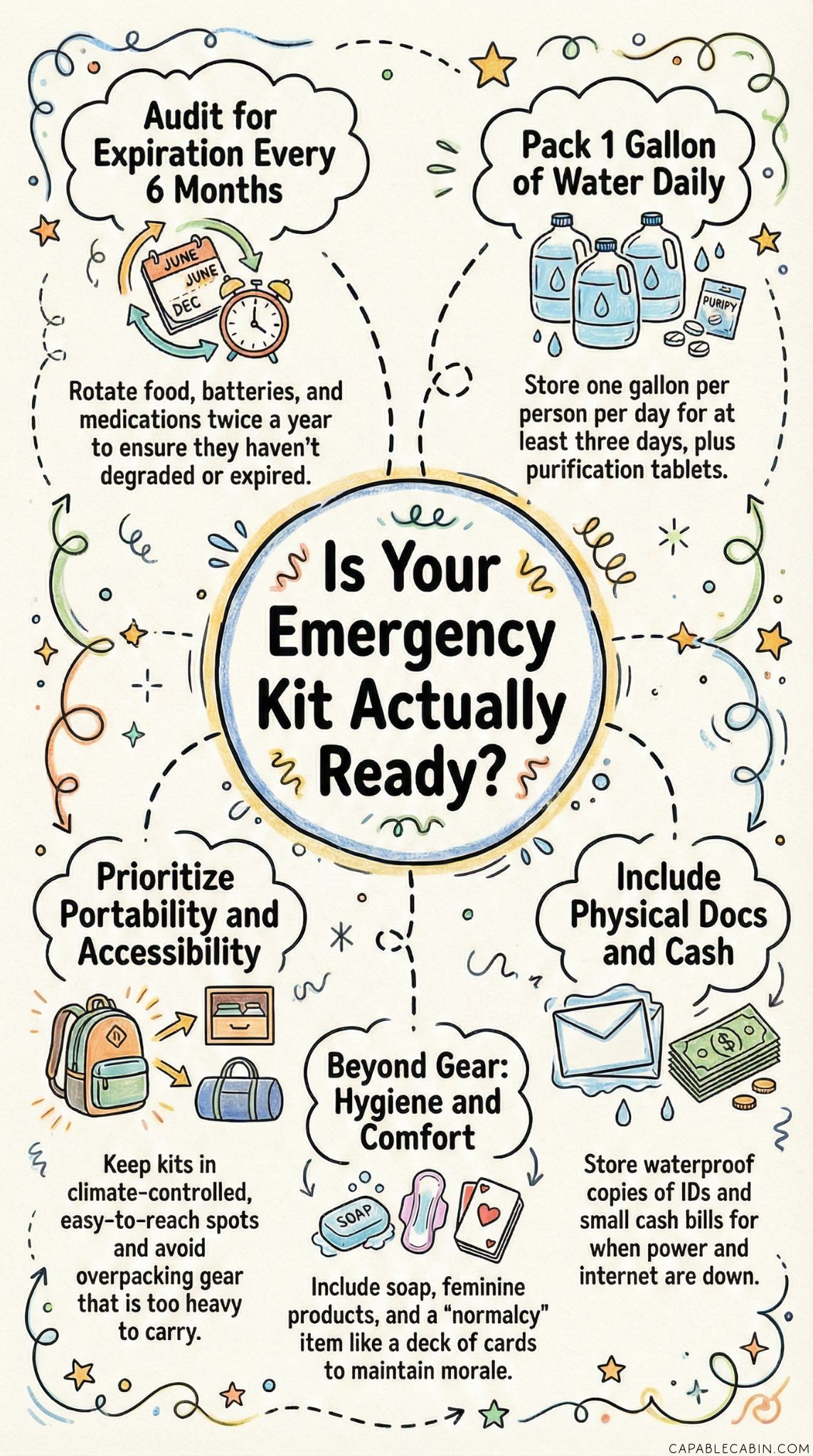
It’s common to overlook just how much water you and your family truly need. And yes, water can be bulky, but being thirsty is no joke when local supplies are cut off or contaminated. A rule of thumb is one gallon per person, per day, for at least three days. That’s just for basic hydration and minimal hygiene. Babies, older adults, and those with medical conditions may need even more.
If storage space is tight, consider using collapsible containers that you can stash away neatly. Also, slip in some water purification tablets or a compact filter if you can. For an added layer of protection, look into emergency water storage purification strategies so you’re not caught short if your tap water isn’t safe to drink.
Relying On Expired Items
We all have that moment of shock when we rummage through our kit and realize the food expired months ago. The temptation is to think, “It’ll probably be fine,” but compromised food and medicines can do more harm than good in an emergency. Check expiration dates every six months, especially those on canned goods, energy bars, and first aid supplies.
Beyond edible items, batteries, water filters, and certain medical equipment also have useful lifespans. Make a quick note in your calendar to review your kit periodically. That small step means you won’t discover a pack of crumbling crackers when your kids need a solid snack in a power outage. If cycling through supplies feels overwhelming, take a peek at our emergency supplies expiration replacement tips for easy reminders and routines.
Missing Practical First Aid
Picking up a one-size-fits-all first aid kit from the store can be a decent start, but are you sure it has what your family specifically needs? For example, do you need extra allergy meds or child-friendly bandages and pain relievers? If your toddler is prone to scrapes, keep more wound-cleaning supplies. If someone has chronic conditions, include sufficient daily meds to last at least one week.
Avoid stocking old medication you’re unsure about. Instead, re-check expiry dates on those too. It helps to have a quick-reference card that explains how to use each medical tool, especially if you’re stressed in the moment. For deeper guidance, you could explore our first aid medical emergency kit suggestions tailored to busy families.
Forgetting Backup Light Sources
In the event of a power outage, you might automatically reach for a flashlight—only to see batteries have leaked or the bulb is dead. Relying on just one option is risky. Aim to have at least two: a solid flashlight plus a backup, whether that’s a headlamp or rechargeable lantern. Don’t forget extra batteries in multiple sizes if your devices vary.
Candles can be a comfort item, but they’re also a fire hazard. Consider battery-powered LED candles if you like the soft glow without the risk. You’ll thank yourself if a storm knocks out power in the middle of the night when the kids are already anxious about the dark.
Storing Kits Improperly
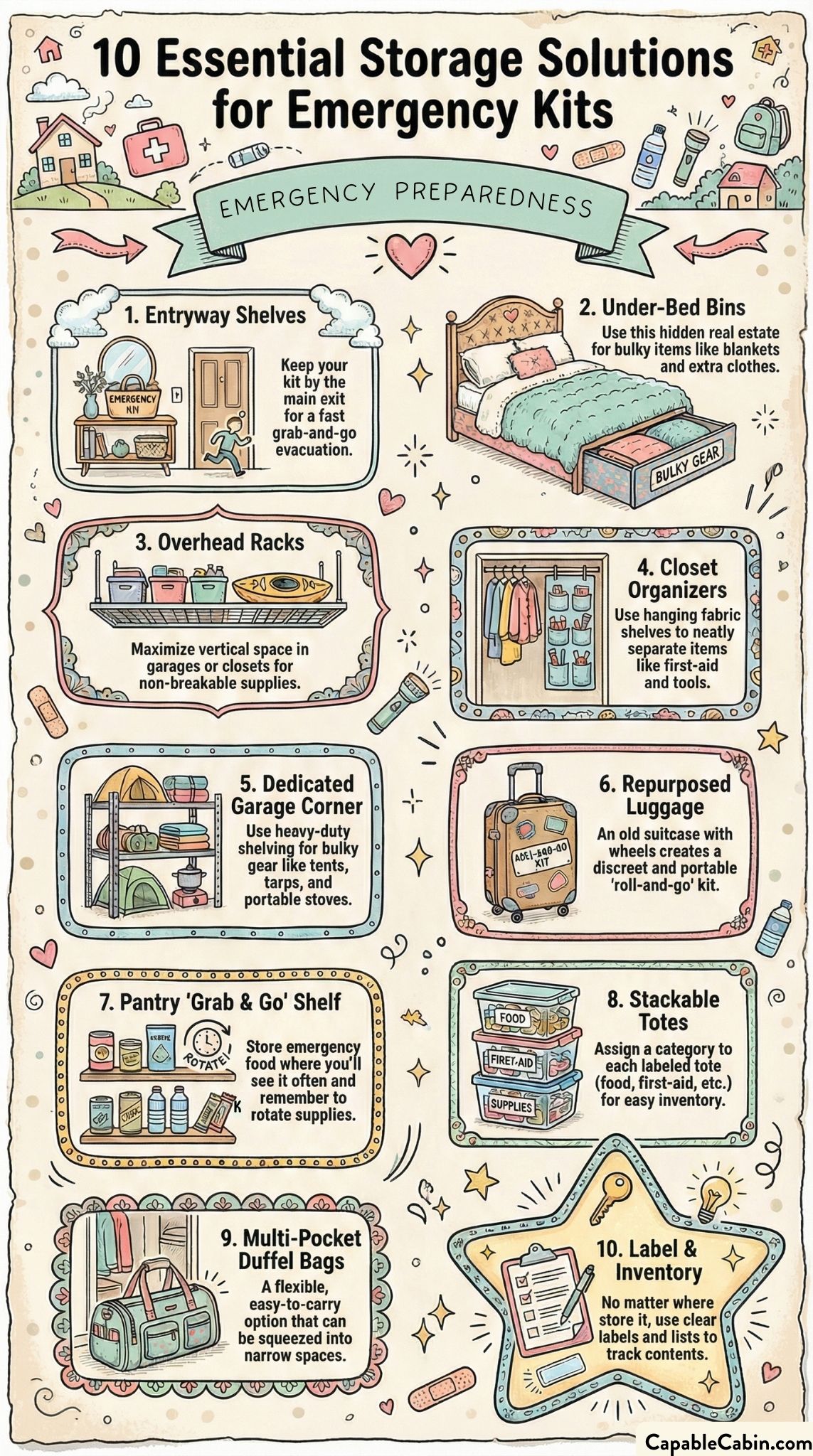
Sometimes we slide our emergency kit behind random boxes in the garage and call it a day… until we can’t find it when it truly matters. Location, temperature, and exposure all play a role in how well your kit holds up. If it’s buried under a hundred holiday decorations, you’ll waste precious minutes digging for it. If it sits in high heat or direct sunlight, your batteries might corrode and certain supplies degrade faster.
Keep your kit in an easily accessible, climate-controlled spot. If you’re preparing multiple kits—maybe one for home and one for the car—apply the same logic to each. Check out our tips on emergency kit storage solutions for a few creative ideas, especially if your closet space is limited.
Failing To Include Important Docs
Imagine needing to evacuate at a moment’s notice, only to realize you left critical documents behind. Warehouse those must-have papers in your kit using waterproof pouches. For many families, this includes:
- Copies of IDs and passports
- Health records, prescriptions, vaccination cards
- Insurance policies
- A list of contact numbers (friends, family, doctors, etc.)
Digital copies are good, but remember that power or internet access might be down. Physical versions in a sealed folder are your best bet. If you feel uneasy about lugging around originals, at least have official copies on hand so you can recover quickly if you lose access to your home.
Ignoring Special Needs
If you have a family member with special dietary restrictions or a chronic condition, your emergency kit must reflect that reality. Packing only standard canned foods won’t work if your child has severe allergies, and skipping medical gear like a nebulizer or spare inhaler could be dangerous.
Think about your infant’s formula or someone’s prescription meds. Do you have enough for several days, and is it stored in a temperature-safe environment? If someone relies on mobility aids, keep spare batteries or a manual alternative, too. You could also read up on our special needs emergency preparedness guide for essential tips on medications, equipment, and how to plan for unique circumstances.
Overpacking Heavy Gear
When assembling your emergency kit, it’s tempting to cram in everything you might ever need, from giant flashlights to bulky blankets. But if your kit weighs a ton, you’ll struggle to move it—or worse, decide you can’t evacuate swiftly. Aim for a balanced approach: keep the kit portable, but also stocked with high-priority items.
Think about building smaller kits for specific scenarios. A larger home closet kit can handle the heavier stuff, while a slimmed-down go bag essentials family can go with you if you need to leave quickly. That way, you don’t break your back every time you move your supplies from one storage spot to another.
Neglecting Communication Plans
Imagine a storm heading your way, and nobody in the family can agree on where to meet or how to check in. Creating a short, clear plan is key. Decide on a meeting spot if you lose cell service. Write down local emergency numbers and contact details for close friends or extended family. If your phone battery dies, you’ll want a paper backup.
Apps, walkie-talkies, or external battery packs can all be a big help, but they’re only useful if everyone knows how to operate them. Practice a quick communication drill now and then, especially with older kids: who do they call first, and what’s the plan if calls won’t go through?
Relying On A Single Location
A carefully assembled emergency kit in your closet is wonderful, but what if you’re away from home when disaster strikes? Consider having a smaller kit in your car and a mini version at your workplace. You might also stash backup supplies in your travel bag if you’re often on the road.
This doesn’t mean you need an entire second giant kit. A scaled-down version with bare essentials (like snacks, water, a small first aid kit, and a flashlight) can be a practical safety net. For help tailoring to your job setting, you might check out our workplace emergency kit guide.
Overlooking Seasonal Adjustments
Summer heat can spoil certain foods faster or cause your batteries to corrode. Winter cold might freeze your water supply if it’s stored in an uninsulated area. Adjust your kit as seasons change, swapping in weather-appropriate clothing (like warm gloves for winter or a cooling towel for summer). A few small tweaks each spring or fall go a long way.
If you’re used to mild conditions, you might not think about extreme weather gear, but storms can strike unexpectedly. Keep those thermal blankets, ponchos, and hand warmers close at hand just in case. And if you’re curious about more seasonal tips, our seasonal emergency supply management resource can guide you through.
Forgetting Comfort And Hygiene
Brushing your teeth or washing your hands in an emergency can help you feel a little more human when stress is high. Throw in travel-sized toiletries, tissues, face wipes, and feminine care products. Don’t forget items like toilet paper or a small shovel, especially if you might be outdoors for a while.
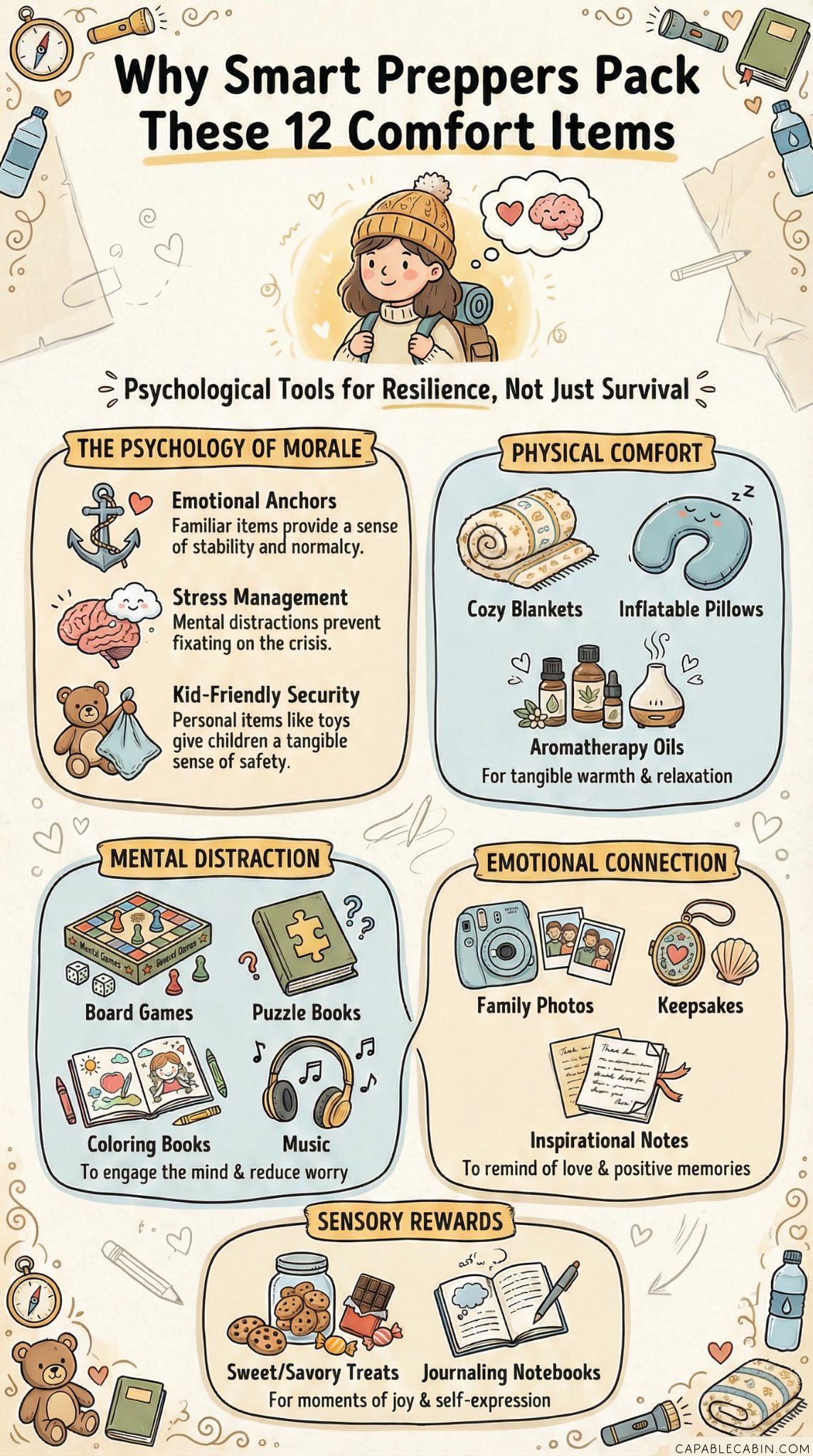
Comfort can also mean something for your mental well-being: a small puzzle book, a deck of cards, or a favorite stuffed animal for your child can offer a sense of normalcy. That might sound trivial, but a little sanity goes a long way when morale is low. For extra ideas, check out our emergency kit comfort items.
Leaving Out Cash On Hand
Credit and debit cards won’t help if power and internet are down, and ATMs might be out of order during a crisis. Having a stash of small bills—ones and fives—can make a big difference. Whether you need to pay for gas, pick up bottled water, or buy that last loaf of bread, cash is king in a widespread outage.
You don’t need thousands of dollars. Even $50 to $100 in small bills is enough to handle short-term necessities. Keep it sealed in a waterproof bag, tucked away so you’re not tempted to dip into it for everyday spending.
Skimping On Regular Maintenance
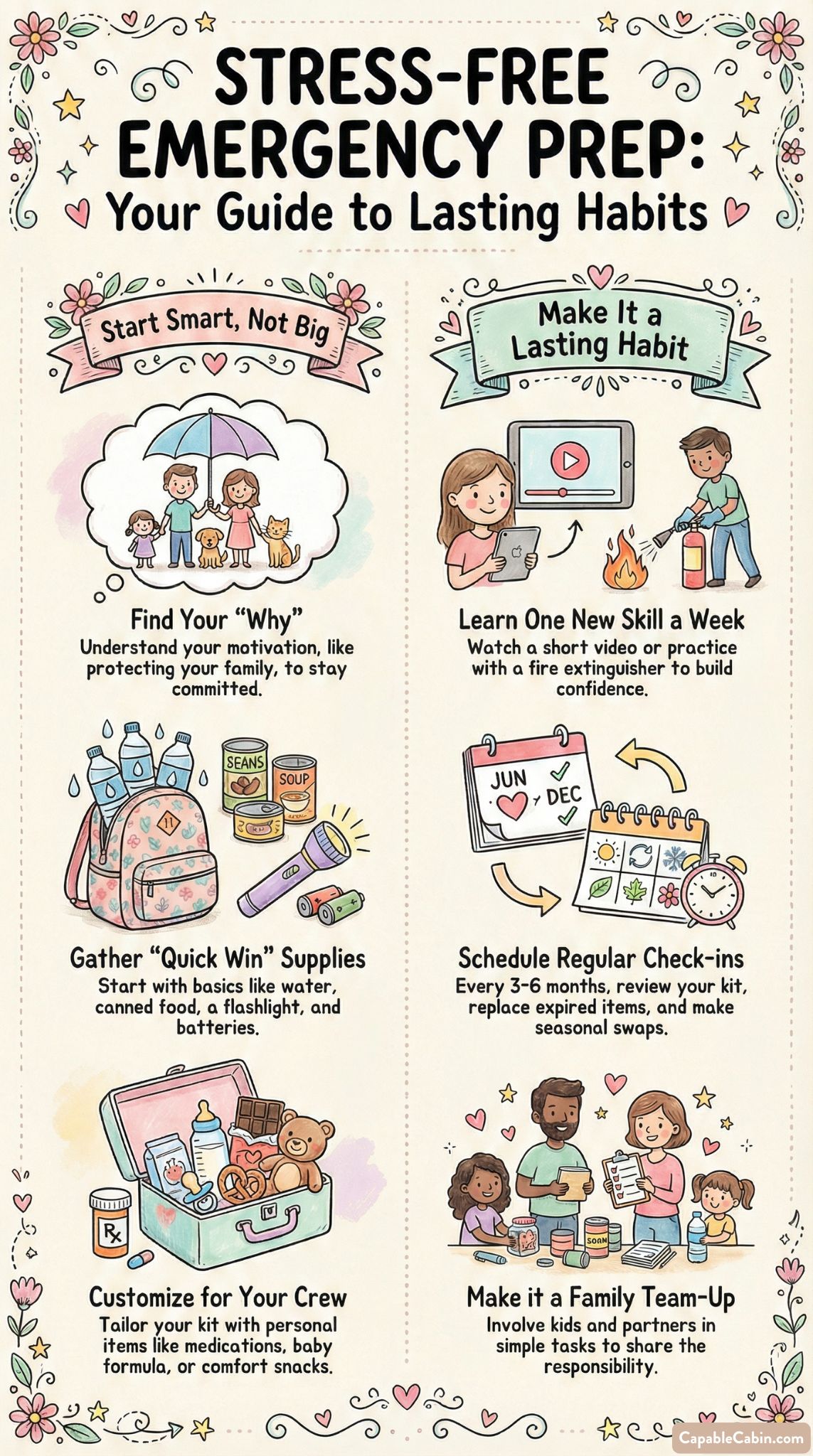
You’ve put all this energy into building your emergency kit—great job! But if you never revisit those supplies, your kit might let you down. Schedule a routine check at least twice a year. Swap out anything that looks worn or outdated, reassess your family’s changing needs, and recheck expiration dates.
Key maintenance tasks:
- Inspect for leaks or damage
- Test your flashlight and radio
- Update personal medications
- Refresh batteries and rotate food supply
This consistent upkeep ensures your bag isn’t just a feel-good box collecting dust. Over time, you’ll gain confidence, knowing you’ve handled the major emergency kit mistakes to avoid.
Final Thoughts
An emergency can strike when you least expect it. By catching these mistakes now, you’re setting yourself—and your family—up for calmer moments, no matter what chaos swirls outside. After all, it’s not about hoarding a closet full of survival gear. It’s about crafting a kit that meets your real daily needs and remains manageable enough to grab and go.
Remember, there’s no perfect “one-size-fits-all” solution. Every family is unique, and you get to decide which gear is truly essential. The key is to keep it practical, user-friendly, and updated. With your kit in good shape, you can face life’s curveballs with more confidence and less panic. Trust yourself—you’ve got this.
Cabin Chat
Below are a few common questions folks often ask about improving or maintaining their emergency kits. If you’re curious about something not covered, don’t hesitate to do another quick review or reach out for more information.
How often should I check my kit?
- Aim for every 6 months. This allows you to catch expired items, replace old batteries, and update any personal details (like new prescriptions or baby items).
What if my place is really small?
- Focus on the absolute must-haves: water, non-perishable food, basic first aid, and a flashlight. You might find practical advice in our small space emergency preparedness guide to make every inch count.
Can I use cheap dollar-store items?
- Absolutely, you can find bargains that work well, such as bandages or travel-sized hygiene items. If you’re on a tight budget, dollar tree emergency kit items covers thrifty options to keep you on track.
How can I keep my emergency kit affordable?
- Break things up into smaller purchases over time. Grab sale items in bulk, or split costs with friends and neighbors. Our budget emergency preparedness kit offers tips on saving money without skimping on safety.
Should kids help pack the kit?
- Yes, absolutely. Older kids can grab items off a checklist, and younger ones can pick a comfort item to include. When they feel involved, they’re more likely to understand what to do if a real crisis hits.
Do I really need a separate car kit?
- If you spend a lot of time on the road, a basic vehicle kit can be a lifesaver. Imagine getting stuck or needing to evacuate quickly. Just a few essentials—water, flashlight, first aid—can ease a stressful situation.
What if I don’t know where to start?
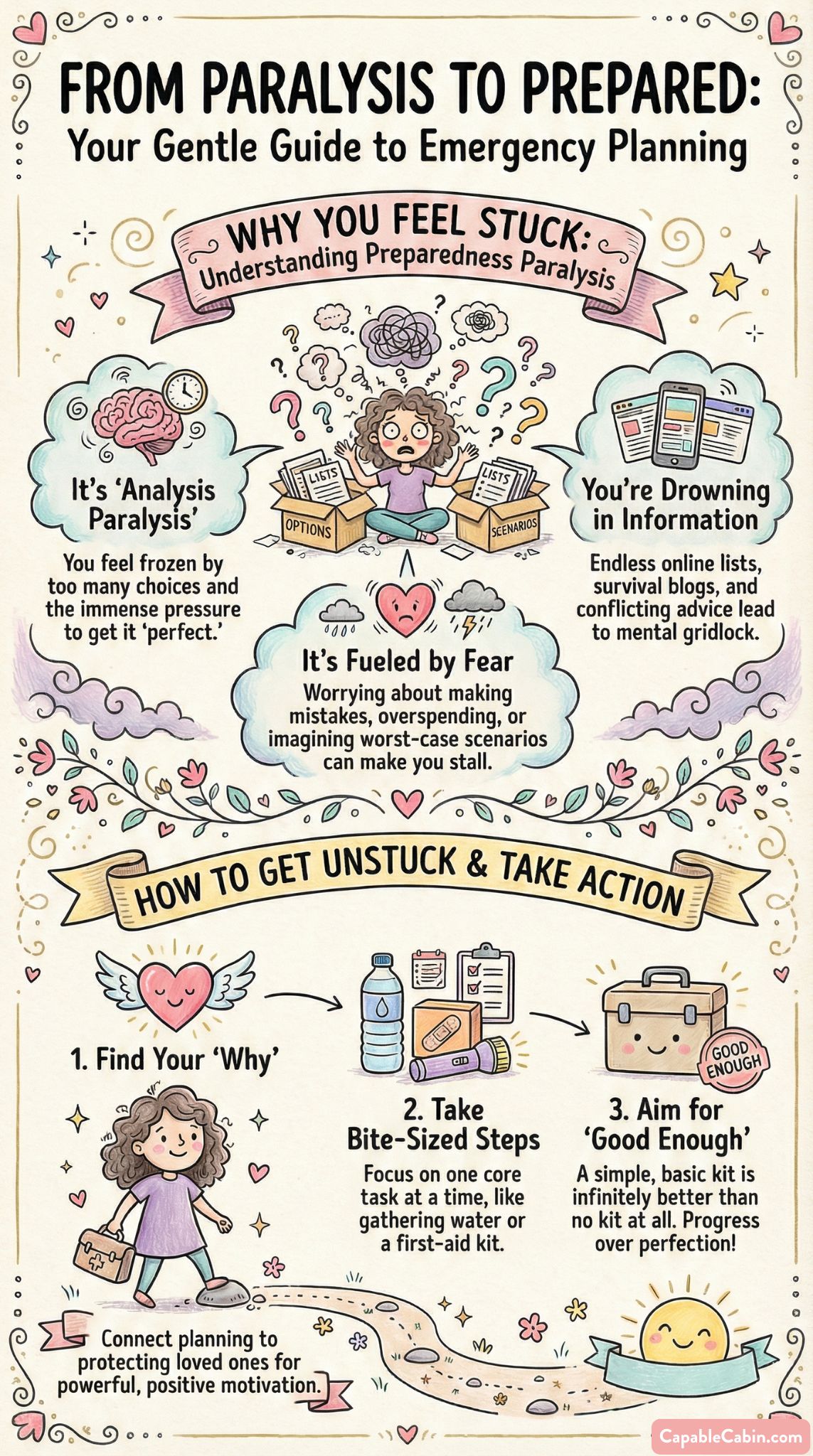
- You’re already on the right path by reading up on these mistakes. Keep it simple at first: gather non-perishable food, water, first aid, and a light source. From there, build out your kit one item at a time, and don’t forget regular check-ins.
With these insights, you’re well on your way to a more confident approach to emergency prep. Your family’s safety is worth the effort, and each step you take now means less stress later. You’ve got this. Stay safe!