14 Emergency Kit Upgrades That Are Actually Worth the Money
You know the feeling: you’ve got a decent emergency kit tucked away, but there’s this nagging thought about whether you actually have all the good stuff in there. No judgment—we’ve all been there, especially when it comes to keeping our families safe. If you’re wondering about the emergency kit upgrades worth buying, you’ve come to the right place. Let’s walk through 14 items that pack a real punch in preparedness, especially for busy moms and caregivers juggling a million things every day. Trust me, these upgrades can make all the difference when you need a boost of confidence in a crisis.
Sure, an emergency kit might not be the most glamorous purchase. But you’ll soon see that each of these items helps you feel a whole lot better about the what-ifs of life. Imagine dealing with a sudden power outage or hurried evacuation without the right tools—that’s stressful enough to keep you up at night. Our goal here is to lighten your load by highlighting which items deserve a spot in your bag (or closet, or trunk). So grab a cup of coffee, and let’s dig in together.
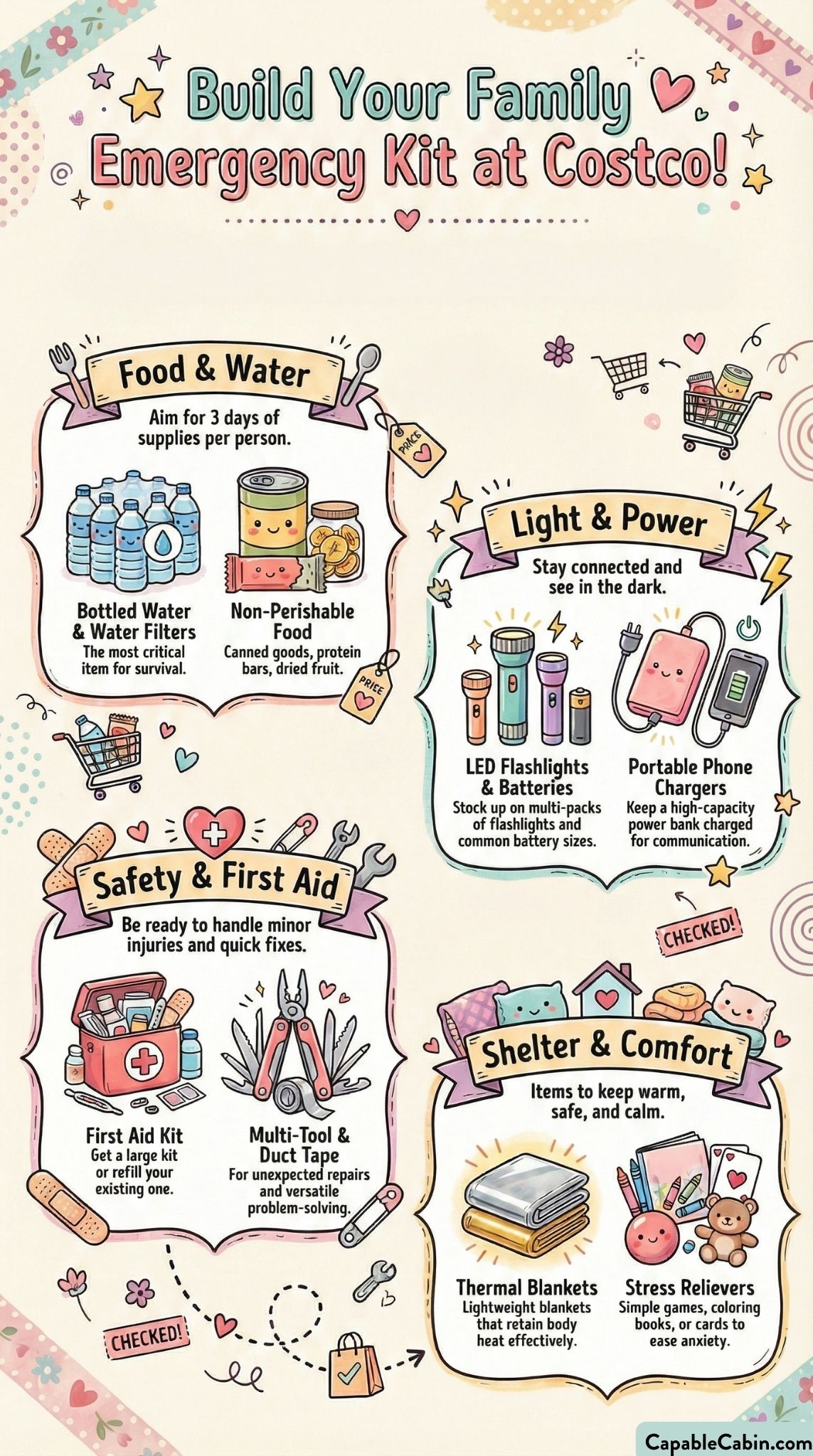
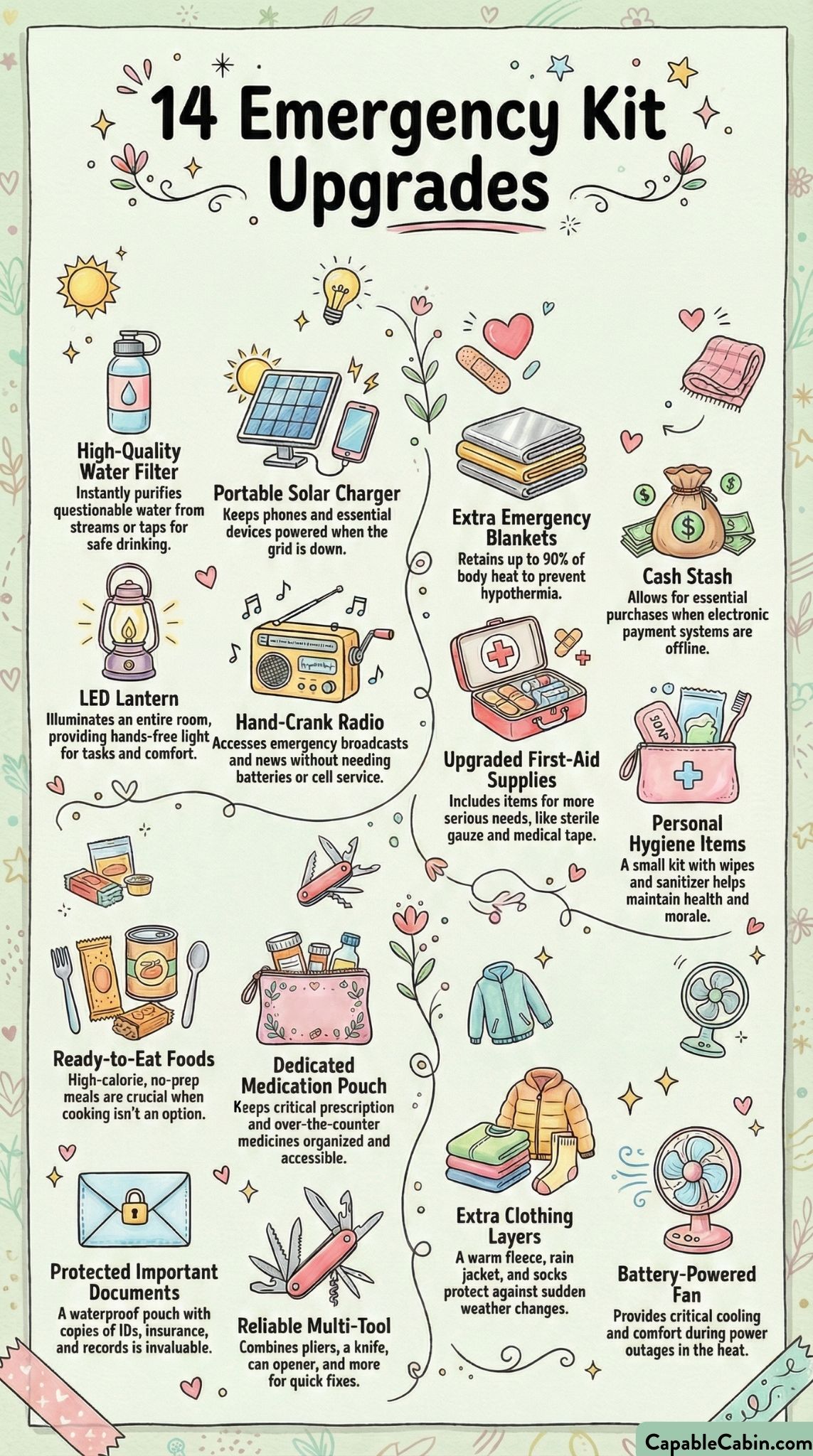
Pack a High-Quality Water Filter
Water is always the big deal in any emergency scenario. You might have bottled water stored away, but what if that runs low? That’s where a water filter comes into play. Think of a portable straw filter or pump system that cleans questionable water sources in minutes. Just pop it into a running stream, a lake, or even that questionable tap at a roadside motel. You’ll instantly feel better knowing your family won’t face dehydration if your stash falls short.
Keep a small nudge in mind: water filters do require maintenance and occasionally replacement parts. So while you’re at it, consider checking out how to store water more effectively and purify it before it ever hits your glass. If you’re building your kit on a budget, head over to budget emergency preparedness kit for more tips on saving money without sacrificing safety.
Carry a Portable Solar Charger
We live our lives around electronics, and in an emergency you’ll want to keep phones charged to contact family, check weather updates, or reach emergency services. A solar charger is your friend here, especially if the power is out for an extended period. Most solar chargers fold up into a neat, compact bundle, perfect for tucking into a backpack.
Yes, the sun sometimes decides to play hide-and-seek. But on most decent days, a solar charger will give your devices the power boost they need. With minimal sunlight, you might get enough juice for a quick phone call or text, and on a good day, you could fully charge a device. Just remember that solar panels work best under direct sunlight. Even when it’s cloudy, we can usually eke out a trickle charge if we set the panel in the brightest spot. Simple, right?
Opt for LED Lanterns
Most of us have flashlights stashed in a drawer, but a bright LED lantern changes the game. It lights up an entire area instead of just a narrow beam. Picture this: you lose power, and you’ve got to fix a simple meal or calm kids who can’t see anything. An LED lantern can make a dark situation feel surprisingly manageable.
When choosing a lantern, find one with adjustable settings. That way, you can conserve battery life on lower modes or crank it up when you need full visibility. Bonus points if it has a strobe feature for emergencies or an option to switch between white and red lights. Pair it with a small headlamp so you’ve got hands-free illumination for tasks like changing a diaper or rummaging through the kit. If you’d like more ideas for lighting solutions, take a peek at power outage emergency supplies to round out your plan.
Stock a Hand-Crank Radio
We often rely on our phones for news alerts, but in a severe crisis, cell towers can go down. A battery-powered, hand-crank, or solar-powered radio keeps you plugged into the latest updates on weather conditions, evacuation routes, or official announcements. No more guessing what’s happening out there, and no more drained batteries.
What’s great about many hand-crank radios is that they also double as a flashlight, sometimes even a power bank for charging small devices. If you want to go the extra mile, find a multi-band radio that tunes in to local emergency channels. It’s comforting to know you’ll hear real-time instructions while everyone else scrambles. By the way, if you’re curious about larger systems for home readiness, there’s a great resource at home emergency supply system.
Keep Extra Emergency Blankets
Think of these as tiny lifesavers that fit right inside your palm. Emergency blankets (often called space blankets) seal in body heat remarkably well, helping prevent hypothermia in cold or wet conditions. They’re also super lightweight, so you can throw two or three in your bag without feeling any added burden.
Even if you have regular blankets in your car or home, these compact versions are made of reflective material that can help you retain up to 90 percent of your body heat. Up against cold winds, wet clothes, or the shock that follows an accident, you’ll be grateful you tucked these little guys away. In a pinch, they can also serve as a makeshift shelter or a way to reflect heat from a campfire. Pair this thinking with winter emergency kit essentials if you live in a chilly area or frequently face winter storms.
Secure a Cash Stash
Emergency scenarios often disrupt usual payment systems. Card readers might not work, and ATMs might be offline. That’s when having small bills on hand can be a lifesaver. Whether you need extra water, a phone charger, or a quick ride from someone willing to help, a handful of cash can smooth out the process.
Spread your money out a bit too—maybe some in your wallet, a bit in your kit, and some stashed in your glove compartment, out of plain sight. Keep it in denominations like ones, fives, and tens, so you’re not stuck trying to break a fifty when you just want a bottle of water. After all, it’s not just about survival—it’s about having the freedom to solve small, immediate problems without hassle.
Upgrade First Aid Supplies
A single box of adhesive bandages and a tube of antibiotic ointment is a start, but you might need items beyond minor cuts in an emergency. Think sterile gauze, medical tape, tweezers, extra gloves, and maybe even a tourniquet if you’re familiar with how to use it safely. Customized first aid kits that address you or your family’s unique needs are worth their weight in gold.
If someone in your household deals with conditions like severe allergies, diabetes, or asthma, consider specialized gear—like an EpiPen or extra inhalers. Pack a few pain relievers, antihistamines, or cold medicines in child-proof containers, clearly labeled. This not only keeps you prepared but also prevents rummaging when time is of the essence. You can learn more about tailoring supplies in a first aid medical emergency kit to match your exact situation.
Include Personal Hygiene Items
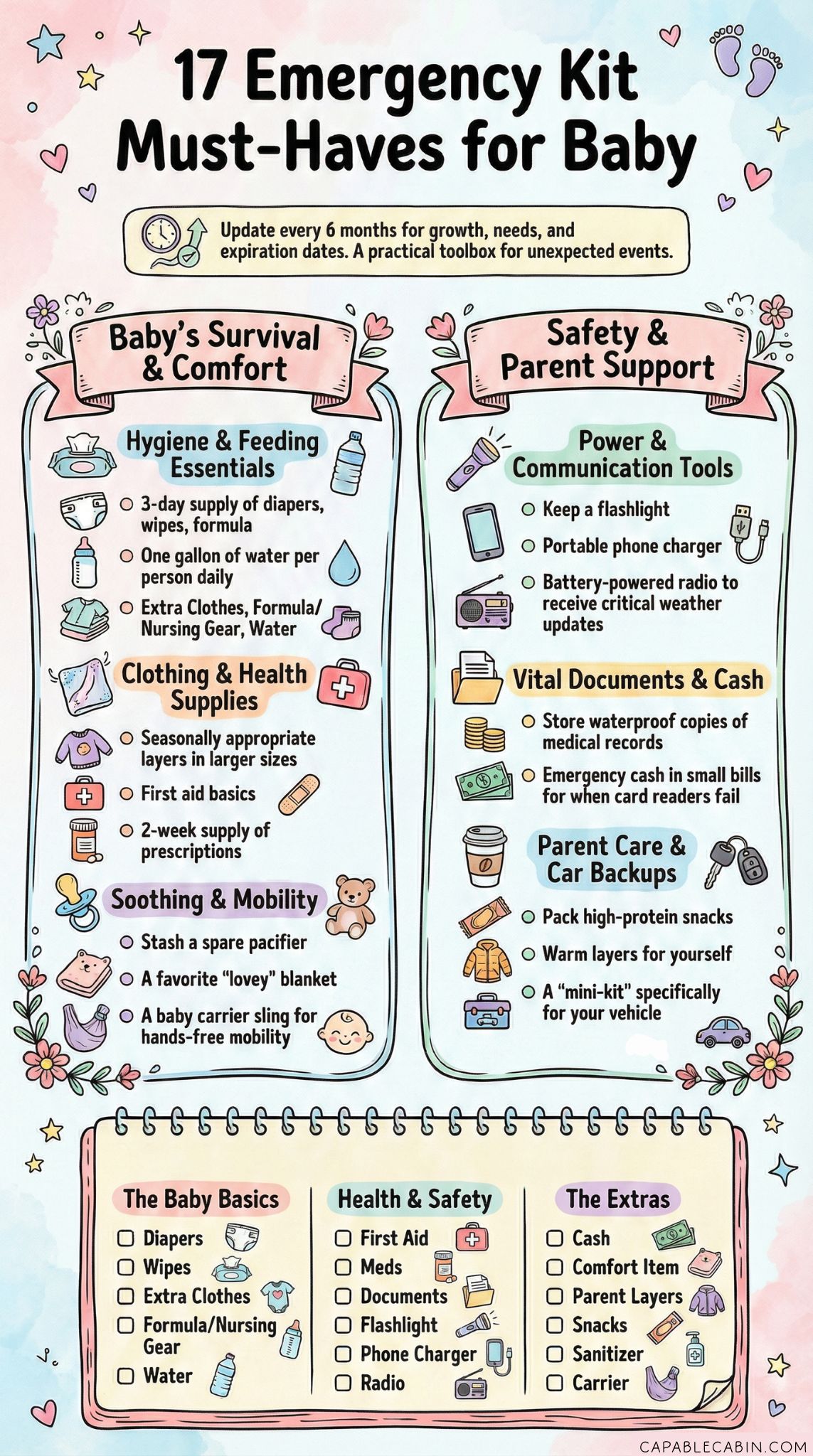
It’s the detail that gets overlooked all the time. Let’s be real—when you’re scrambling, hygiene might not be the first thing on your mind. But going without basic hygiene can spiral into bigger health issues, especially for kids or anyone prone to infections. A small kit with travel-sized hand sanitizer, unscented baby wipes, tissues, and biodegradable soap can keep everyone feeling fresh, or at least human, under stressful conditions.
Also think about feminine hygiene products and extra diapers if you have a little one. These items aren’t easy to improvise if you don’t plan ahead. Seal them up in waterproof pouches to avoid a soggy mess. If tight space is a constant struggle for your family, check out small space emergency preparedness for clever ways to pack everything neatly.
Add Ready-to-Eat Foods
Relying on peanut butter and crackers sounds okay for a day, but eventually, you’ll want more variety in an emergency. High-calorie bars, freeze-dried meals, and shelf-stable pouches of fruit or protein keep you nourished even when cooking isn’t an option. Think about your family’s tastes and potential dietary restrictions—nobody wants to force down something that tastes awful when they’re already stressed.
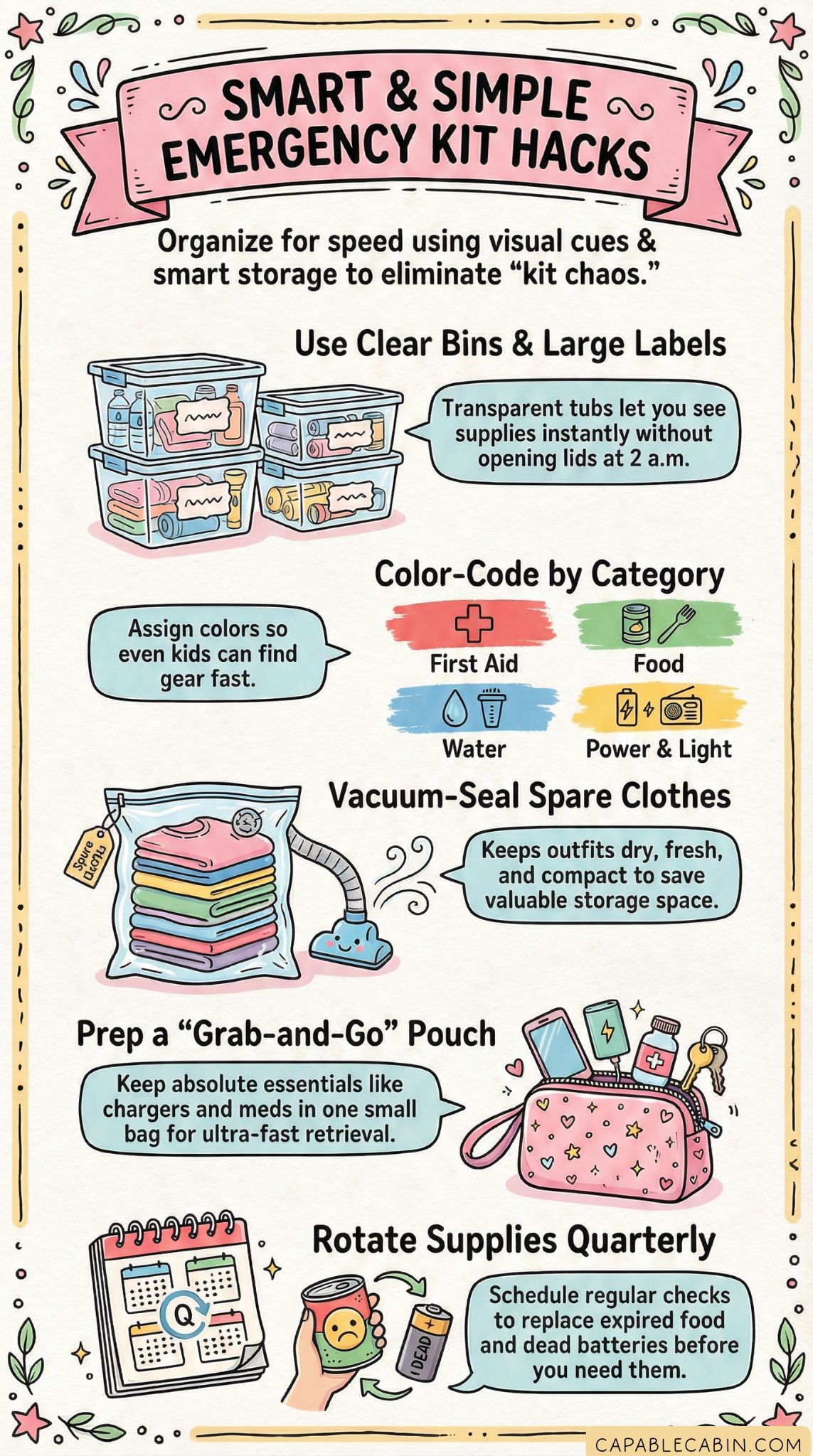
Look for items that are low-prep or no-prep, and always check expiration dates. You don’t want to discover your meal is past its shelf life when you’re truly in need. Make a habit of rotating nonperishable foods regularly, maybe every six to twelve months. For more substantial selections, peek at emergency food storage kit, especially if you’re feeding a larger crew at home.
Set Up a Medication Pouch
If anyone in your household relies on daily medications, this section is huge. Even if you just occasionally need painkillers or allergy meds, a dedicated pouch labeled clearly can be a lifesaver. And don’t forget your four-legged friends if they have any special medical needs.
What’s the best way to go about it? Keep your medications in their original bottles so you have the dosage info. Ask your doctor or pharmacist for an extra prescription you can rotate (to keep it in date) and tuck away in your emergency kit. The last thing you want is to be searching for your meds when you should be evacuating or sheltering in place. If you’re looking for more specialized tricks, you might also visit emergency kit chronic conditions for deeper insights.
Protect Important Documents
Losing or damaging vital paperwork is more than an inconvenience—it can make the aftermath of any emergency more stressful. You’ll want quick proof of identity, insurance, bank information, medical records, and even vaccination details if you need to seek assistance or shelter. A simple, waterproof pouch or a well-sealed plastic folder can do the trick.
Some families even scan digital copies onto a USB drive or cloud storage, which is great, but having at least one physical set of documents is priceless when your phone’s dead or you can’t access the internet. Make sure to review these documents yearly and update any that have changed. Think of it as a once-a-year chore, right along with rotating your kit’s food and supplies.
Carry a Reliable Multi-Tool
A good multi-tool becomes your best friend when you need to fix a broken latch, cut through a seatbelt, or pop open a canned meal. Try finding one with a sturdy knife blade, pliers, a can opener, scissors, and screwdrivers. Sure, you can buy individual tools, but in an emergency, time is precious—and rummaging around for a separate tool can be a hassle.
It’s worth testing each function to make sure you feel comfortable using it. The last thing you need is fumbling with complicated packaging or hurting yourself in a frantic moment. Top tip: store the multi-tool near the top of your kit or in an easily accessible side pocket, so you don’t have to dig for it. You can also learn more about layering multiple uses in a single item by browsing multi-purpose emergency supplies.
Prepare Extra Clothing Layers
Mother Nature can flip the script without warning. One moment you think you’re set for the season, and suddenly a cold front or heat wave hits. Having a warm fleece, a light rain jacket, and an extra pair of socks can be a mood-changer, especially for younger kids who catch chills more quickly. If soggy clothes leave you shivering, your morale can take a big dip fast.
Keep your layers in airtight bags to protect them from moisture and to save space. If you have infants, you’ll obviously need extra onesies and diapers. For older kids or yourself, throw in a hat, lightweight gloves, or an extra set of underwear. If you worry about forgetting which clothes fit who, do a quick label or color code. And if you’re rethinking your entire system, emergency kit storage solutions has tips on labeling and efficient organization.
Use a Battery-Powered Fan
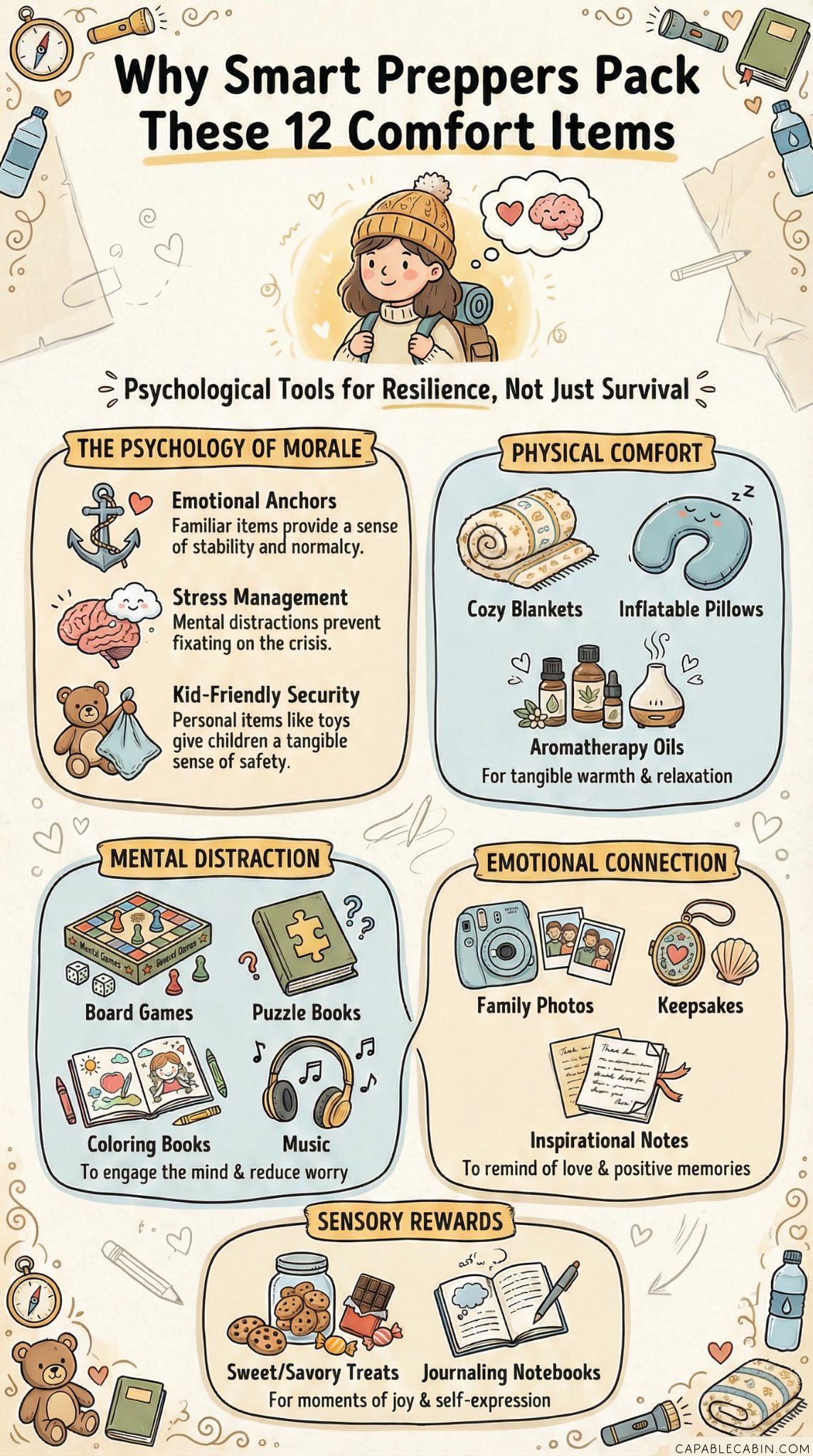
This last addition might sound like a “nice to have,” but let me paint a scenario: You’re sheltering in place in sweltering summer heat with no electricity. Everyone’s sweaty, tension rises, and the kids can’t sleep. That’s when a small battery-powered fan or USB fan (which you can run off your portable power bank) can be a relationship-saver—maybe even a sanity-saver.
Go for a fan that’s compact yet sturdy. Some come with clamps so you can attach them to a table or a tent. Because we’re thinking about so many other items, it’s easy to brush off comfort. But a small fan can truly help with heat exhaustion, keep bugs away, and maintain morale in an uncomfortable setting. If extreme climates are your norm, consider reading store emergency supplies extreme climates to learn how to keep all your gear safe and functioning when temperatures get extreme.
Wrapping It All Up
We just walked through 14 easy, practical ways to step up your preparedness game. You don’t need to buy everything at once; consider adding these items gradually and celebrating each small upgrade along the way. Together, we’re aiming to reduce stress and give you peace of mind. Let’s face it—life can throw us curveballs, and knowing you’re equipped to deal with them is priceless.
Feel free to tweak this list to suit your family’s unique lifestyle. Not everyone lives in the same climate, and we all have different medical and dietary needs. The main thing is that you’re taking action—bit by bit—to make sure you’re covered. Keep up the great work. One little upgrade today could be the difference-maker tomorrow.
Cabin Chat
Below are some common questions folks ask when piecing together emergency kit upgrades. We’ve all been there, so let’s talk it through just like old pals.
- How do I decide which upgrade to get first?
I’d say tackle the most urgent gap in your kit. If you’re missing a solid water solution, start there. If you’re good on water but still lack a working flashlight or radio, fix that next. It’s about addressing priorities step by step. - What if I don’t have space for all these extras?
You’re not alone. Plenty of us deal with tiny closets or jam-packed cars. Simple tweaks, like storing multipurpose items or swapping out bulky gear for lightweight alternatives, can work wonders. You can also check out small space emergency preparedness for practical storage tips. - When should I replace items in my kit?
A good rule of thumb is every six to twelve months. Check food expiration dates, batteries, and medication best-before dates. This is also a good time to update any clothing sizes for growing little ones. - Do I need a professional course to use advanced first aid items?
If you can swing it, a basic first aid class is worth every minute. Nothing fancy, just enough to handle cuts, sprains, and other everyday mishaps. Knowing how to use a tourniquet correctly, for instance, might save a life. - How can I keep track of all these upgrades without feeling overwhelmed?
Make a simple checklist and mark off what you’ve added. Jot down expiration dates or typical replacement timelines in your calendar. Breaking it into smaller tasks—maybe one upgrade per month—helps you avoid feeling swamped.
No matter where you’re starting from, every item you add is one step closer to a more confident, prepared, and stress-free life for you and your loved ones. You’ve got this. And hey, a little peace of mind is always worth it, right?