Your Ultimate Guide to Home Management for Women
Ever feel like you’re constantly juggling tasks—from meal prep to bill paying—and wondering if there’s a better way?
Home management for women doesn’t have to feel like an endless to-do list. Trust me, you’re not alone. With a few friendly strategies and a bit of planning, you can turn daily chaos into smooth rhythms that give you more time to breathe and enjoy life.
Understand Home Management
Home management covers everything from sorting mail and paying bills to planning meals and keeping spaces tidy. It’s the backbone of a calm household and sets the tone for every day.
Here are the main components you’ll want to consider:
- Daily Routines: Establishing morning and evening rituals to keep everyone on track
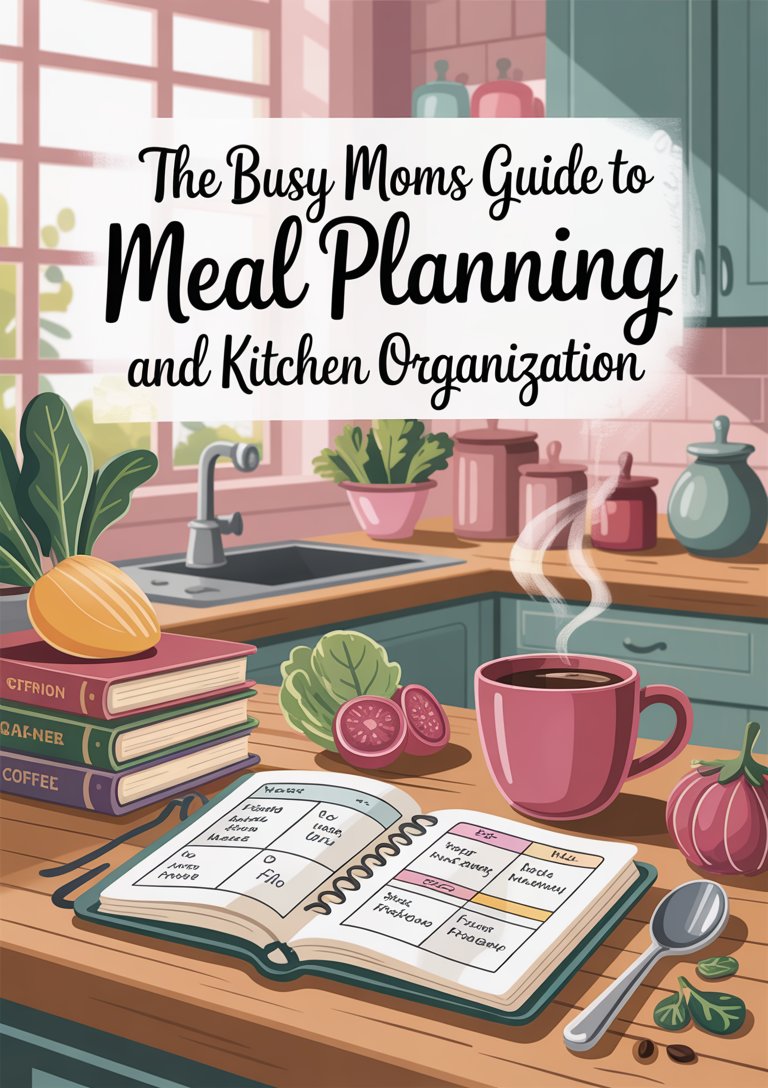
- Meal Planning: Designing weekly menus that reduce stress and wasted food
- Cleaning Schedule: Breaking chores into daily, weekly, and seasonal tasks
- Organization Systems: Creating spots for belongings so nothing goes missing
- Maintenance Tracking: Scheduling repairs and upkeep before things break down
- Family Communication: Using a family command center to share plans, schedules, and reminders
By getting clear on these pillars, you’re building a framework for smoother days and fewer surprises.
Design Daily Routines
So here’s the thing, routines aren’t about rigidity—they’re about flow. When you map out reliable daily patterns, you’re giving yourself permission to stop worrying about what comes next.
Here’s a simple structure:
Morning Rituals
- Wake up 15 minutes earlier for quiet coffee time
- Review the day’s agenda on your family’s daily routines board
- Prep breakfast and lunches while the kids get ready
Afternoon Check-In
- Quick tidy of high-traffic areas
- Plan or adjust the evening meal
- Scan incoming mail or forms
Evening Wrap-Up
- 10-minute toy pickup or clutter sort
- Lay out tomorrow’s outfits
- Share one highlight of the day as a family
That being said, feel free to tweak times and tasks. The goal is consistency, not perfection. Once these rhythms become natural, you’ll spend less mental energy planning and more energy enjoying what matters.
Master Meal Planning
We’ve all been there, staring blankly at the fridge and wondering what to make for dinner. A bit of meal planning can free up mental space and curb that last-minute takeout habit. Here’s a friendly approach:
- Choose a Planning Day: Block 30 minutes each week to pick recipes and make a grocery list
- Lean on Favorites: Rotate 4–5 staple meals so you’re not reinventing the wheel every week
- Use the Pantry: Check your pantry organization system before shopping to avoid buying duplicates
- Batch Cook: Double recipes for extra portions that can be frozen or repurposed
- Mix in Quick Wins: Keep a few ready-to-eat options for nights when life gets hectic
If you need more tips, remember to check out our guide on meal planning for busy moms. Over time, you’ll notice less stress, fewer wasted groceries, and more time around the table.
Streamline Cleaning Tasks
Cleaning doesn’t have to feel never-ending. A good plan breaks it into bite-sized steps that fit into your week.
Here’s a sample template you can customize:
- Daily Touches: Dishes, quick bathroom wipe-down, and decluttering common areas
- Weekly Zones: Focus on one room or chore each day using a cleaning schedule system
- Monthly Projects: Deep-clean appliances, wash baseboards, rotate seasonal decor
- Seasonal Refresh: Tackle larger efforts like window washing or garage clean-outs as part of seasonal home management
Let’s face it, powering through the whole house in one go is exhausting. Spreading tasks out makes upkeep doable, and crossing off each mini-task offers a little morale boost—you’ll feel it.
Optimize Storage Solutions
Finding a place for everything is half the battle. Even small adjustments can make a big difference in how your home feels each day.
Try these ideas:
- Label Bins: Use clear containers or colorful labels to identify contents at a glance
- Rotate Items: Seasonal clothing and decor can live in attic bins or under-bed boxes until needed
- Vertical Space: Hang baskets on walls or inside cabinets to free up floor and shelf space
- Entryway Hooks: Keep bags, coats, and keys in one spot to avoid morning scrambles
- Quarterly Edits: Donate or sell items you haven’t used in three months
By putting things away in the right spot from the start, you’ll dodge clutter creep and keep your home feeling open and welcoming.
Maintain Household Systems
You set up your routines, you organized your spaces, and now it’s about keeping it all running smoothly. A few habits to adopt:
- Weekly Review: Spend 10 minutes checking calendar events, to-do lists, and bills
- Inventory Check: Periodically update your home inventory system to track what you have and what you need
- Digital Declutter: Unsubscribe from email lists you no longer read and clear out old documents
- Family Check-In: Hold a quick chat or group text to confirm who’s doing what each week
That simple rhythm of review and refresh helps you spot potential issues before they snowball, so you spend less time troubleshooting and more time enjoying your home.
Cultivate Self-Care
Remember, you’re part of this household too. If you’re running on empty, everything else feels harder.
Here’s how to weave in a bit of you-time:
- Morning Moments: Read a page of a book or stretch for five minutes before the day begins
- Midday Breaks: Take a quick walk or call a friend during lunch
- Evening Wind-Down: Dim lights, play soft music, or enjoy a hobby for 20 minutes before bedtime
Trust me, these small pauses can recharge your batteries so you have more patience and energy for the day’s demands. You deserve it.
Keep Momentum Going
Home management is a cycle—some days you’ll sail through, others you might slip. But with the strategies here, you’re building habits that stick. Keep refining, be gentle with yourself, and remember you’re not alone. Here’s to more calm moments in your home.
FAQs
Q1: How Can I Start When I Feel Overwhelmed?
A1: Take one area—say the kitchen—and spend just 10 minutes sorting. Once you see progress, you’ll feel motivated to tackle the next spot.
Q2: What If My Family Doesn’t Follow the Routines?
A2: Involve them in planning. When everyone has a say, they’re more likely to pitch in. Start small—pick one easy habit to adopt together.
Q3: How Do I Keep Meal Planning From Feeling Boring?
A3: Rotate cuisines or theme nights, like Taco Tuesday or Stir-Fry Friday. It injects fun and gives you an excuse to try new recipes.
Q4: I Don’t Have a Dedicated Storage Room. Any Advice?
A4: Look for under-used spaces like the backs of doors or wall niches. Even a few wall-mounted shelves can work wonders.
Q5: What’s the Best Way to Remember Maintenance Tasks?
A5: Sync reminders to your phone calendar or set up a monthly recurring alert. Check them during your weekly review.
Q6: How Do I Avoid Burnout When It Feels Endless?
A6: Schedule relaxation like any other appointment. Even 15 minutes of downtime can reset your mindset and boost productivity.
Q7: How Can I Adapt These Strategies Over Time?
A7: Revisit your plan every season. As kids grow or schedules shift, you’ll want to tweak routines to fit what’s happening now.