Emergency Planning for Caregivers When Youre Everyones Safety Net
Ever feel like you’re the one everyone turns to when disaster strikes?
Trust me, you’re not alone.
Between juggling appointments, school drop-offs, and caring for loved ones, carving out time to build a solid plan can feel impossible. That being said, having a reliable roadmap in place can make all the difference between panic and confidence when an emergency hits.
This ultimate guide on emergency planning for caregivers covers everything from assembling go-bags to coordinating communication with your support network. Let’s dive in—together we’ll make sure you feel ready for anything.
Why Plans Matter
Emergencies rarely give us a heads-up—and when you’re caring for kids, elderly relatives, pets, or a loved one with medical needs, being prepared isn’t optional. Here’s why having a plan pays off:
- Reduces stress and confusion so you can focus on caring for everyone
- Speeds up decision-making under pressure
- Helps you anticipate special needs like medications, mobility, or dietary restrictions
- Builds confidence for you and peace of mind for your family
- Creates a clear path forward when emotions run high
So here’s the thing… emergency planning isn’t about living in fear. It’s about giving you the tools to protect your crew, no matter what comes your way. If you want a broader roadmap, check out our complete family emergency planning checklist for step-by-step guidance.
Assess Family Needs
Before you stock up on supplies, let’s zero in on what your family actually needs. A one-size-fits-all kit won’t cut it when Aunt Carol has diabetes and little Max has severe nut allergies. I know how it feels to juggle all the details—so let’s break it down:
- Identify medical requirements: list prescriptions, dosages, and equipment (think glucose meters, inhalers, or oxygen tanks)
- Note mobility or sensory challenges: ramps, hearing aids, eyeglasses, walkers, service animals
- Account for kids: favorite comfort items, allergy-safe snacks, coloring materials, or a tablet with a charger
- Consider pets: food, leashes, carriers, vaccination records
- Map out household hazards: flood-prone areas, wildfire risk, gas shut-off valves
That initial needs assessment can feel heavy, but it sets you up for success. Once you know your unique risks, you can tailor every other step—no wasted time and no second-guessing.
Create Communication Plan
When connectivity is spotty, a solid messaging strategy keeps everyone in the loop. Building a communication plan means choosing multiple channels and an out-of-area contact who can relay info if local networks go down. Here’s what to include:
- Printed phone list: each caregiver, family member, doctor, neighbor, and sitter
- Text messaging: more reliable than calls since texts auto-retry when networks are busy [1]
- Out-of-area contact: a friend or relative in another city who can coordinate news until you reconnect locally
- Social media check-ins: post status on Red Cross Safe and Well registry or Facebook Safety Check if you have internet access
- Meeting spots: agree on a safe location near home and one outside your neighborhood
That being said, practice makes perfect—run through a quick drill so everyone knows how to send the group text or where to meet if you can’t talk on the phone. A little rehearsal goes a long way toward calm.
Gather Emergency Supplies
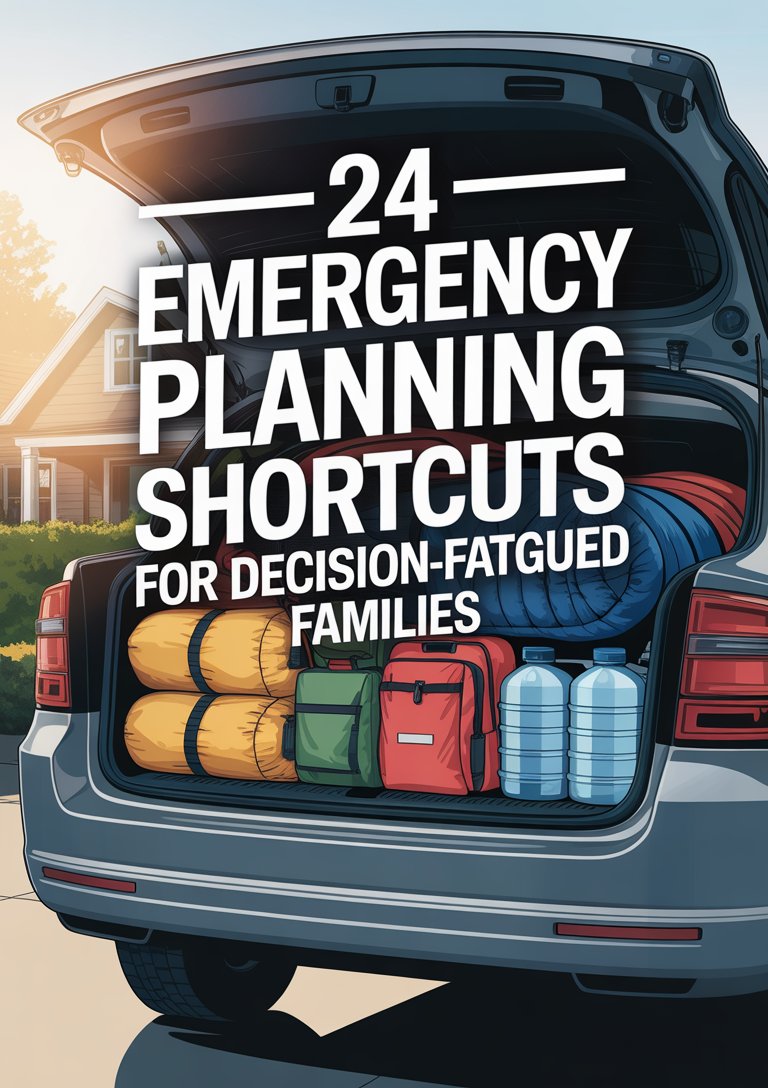
You don’t need to break the bank stocking up. In fact, many essentials are items you already own. Here’s a starting go-bag list:
- Non-perishable food and water (three-day supply per person)
- Basic first aid kit and medications with extra prescriptions
- Cell phone with charger and portable power bank
- Flashlight, batteries, and a battery-operated radio
- Emergency contact information and a printed copy of your plan
- Important documents in a sealed folder (birth certificates, insurance, power of attorney)
- Sanitation items: hand sanitizer, masks, wipes
- Comfort items: blanket, change of clothes, favorite toy or book
I get it—your closet might already be bursting. So here’s a thought… pick one shelf or bin and add items as you find sales or clean out pantry extras. You’ll be surprised how quickly your kit grows without feeling like a second mortgage. For tips on packing documents, see our guide to the emergency documents go bag.
Plan Evacuation Steps
Having supplies is half the battle. You also need a clear evacuation plan that everyone can follow—even if Dad’s not home or Grandma can’t drive. Try these steps:
- Map primary and secondary exits from each room
- Choose two safe meeting spots: one just outside your home and one farther away (in case you can’t return)
- Know local evacuation routes and shelters in your area
- Assign roles: who grabs the go-bag, who gathers pets, who checks on neighbors
- Create a family escape drill calendar—pick a quiet weekend morning and run through it
Trust me, routines feel awkward at first. But once you’ve walked the route and timed it, everyone—yes, even the teens—will know exactly what to do. Want more ideas for practicing with kids? Check out our tips on practice emergency plans for kids.
Consider Special Needs
When you’re caring for someone who relies on you, extra planning is nonnegotiable. The VA Caregiver Support Program offers a toolkit just for caregivers of Veterans, focusing on:
- Personalized risk assessment—think climate, local hazards, and household layout
- Backup plans for power-dependent equipment
- Pandemic or public health crisis protocols: masks, sanitizing, telehealth visits
- Mental and physical health check-ins for both you and your care recipient
Similarly, Ready.gov’s Disaster Preparedness Guide for Caregivers recommends three essential steps: assessing needs, engaging a support network, and creating a plan [2]. By layering these insights into your family plan, you’re covering all your bases.
Review And Practice
A plan stashed in a drawer won’t help when seconds count. Regular check-ins keep everything fresh:
- Review your emergency contact list every six months
- Update supplies as medications change or kids outgrow clothes
- Ask “what if” questions: What if the power’s out for days? What if cell service fails?
- Run mini-drills for specific scenarios—fire, flood, severe storm
- Involve everyone in debriefs: what felt smooth? What needs tweaking?
Need prompts? Our family emergency plan questions will spark great conversations and help you spot gaps.
Use Your Support
We’re not meant to do this alone. Building a network means:
- Buddying up with neighbors for check-ins or pet care
- Joining caregiver groups—online forums or local meetups
- Connecting with emergency services at your local fire department or community center
- Sharing your plan with friends and colleagues so they know how to help
- Leaning on professional resources like the Rosalynn Carter Institute for Caregivers and FEMA
I totally understand how it feels to carry the weight solo. But when you spread the load, everyone gains confidence, and you get a breather.
Stick To Your Budget
Planning doesn’t have to cost a fortune. Let’s keep it simple:
- Raid your pantry for extra canned goods and bottled water
- Borrow or swap tools and camping gear with friends
- Watch for sales on batteries, first aid refills, and backpacks
- DIY labels for food and meds to avoid buying commercial kits
- Use items you already own—umbrella, rain boots, winter coat—as emergency gear
Here’s a thought… set aside $5 each week in a jar. In a few months, you’ll have a mini fund for those pricier items. For more penny-wise pointers, check out our budgeting ideas in emergency planning.
Organize Important Documents
In the thick of an emergency, finding that insurance policy or power of attorney can feel impossible. Keep these in one place:
- Identification: driver’s licenses, passports, social security cards
- Medical: insurance cards, prescriptions, doctor’s notes
- Legal: wills, power of attorney, guardianship papers
- Financial: bank account info, credit cards, mortgage documents
- Household: property deed, vehicle titles, utility account numbers
Scan everything and store encrypted digital copies in the cloud. Stick a USB in your go-bag in case Wi-Fi is down.
Care For Yourself
Here’s the truth—you can’t pour from an empty cup. Caregiving often leads to burnout, with studies showing declines in physical health and emotional well-being among long-term caregivers [3]. To keep yourself strong:
- Schedule regular breaks—coffee with a friend, a quick walk, a power nap
- Seek emotional support: counseling, peer groups or a trusted confidant
- Monitor your own health indicators—sleep, nutrition, mood swings
- Practice stress relievers: deep breathing, journaling or guided meditation
- Celebrate small wins—high-five yourself for each planning milestone
Trust me, carving out self-care isn’t selfish. It’s essential so you can keep everyone else safe.
Cabin Chat
Q: How often should I update my plan?
A: Aim for a full review every six months, or sooner if someone’s health, school, or work situation changes.
Q: What if my child panics during drills?
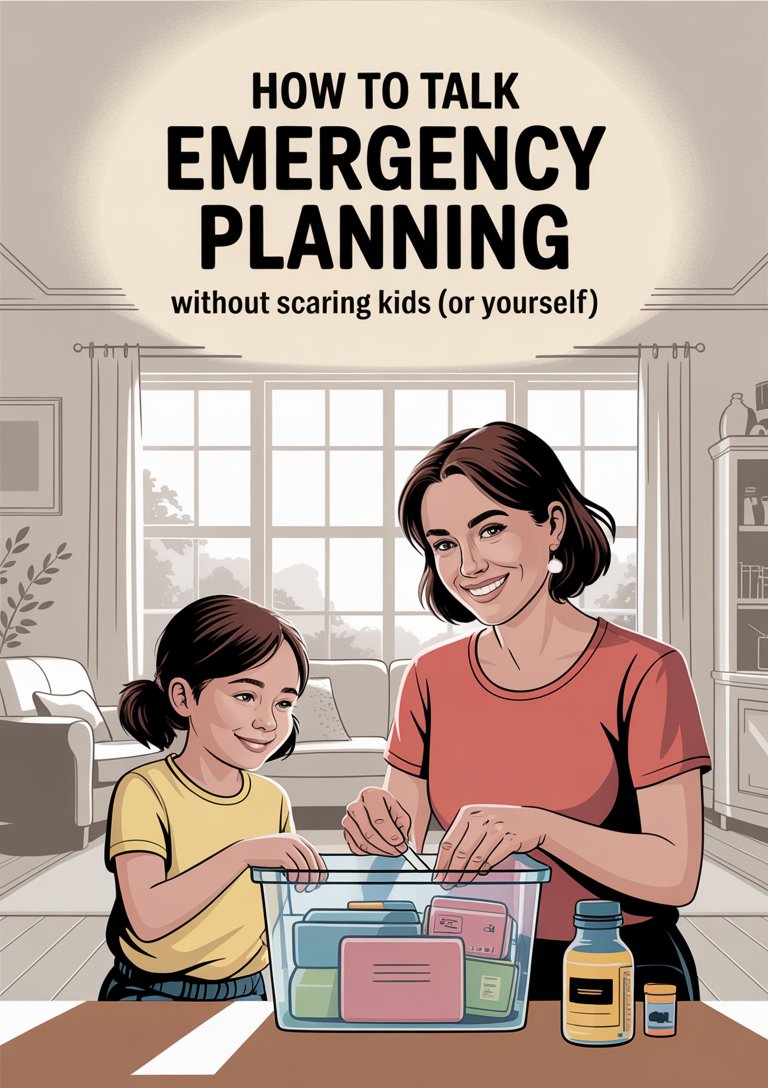
A: Start small—practice one step at a time. Explain why it matters and let them ask questions. For more ideas, see talk emergency planning kids.
- Q: How can I include my elderly parent in planning?
A: Involve them in decisions—ask about their comfort, test mobility needs, and assign simple tasks they can handle. It boosts confidence and ownership. - Q: Can I really plan on a shoestring?
A: Absolutely. Use items you own, swap with friends, and catch sales on basics. A little creativity goes a long way. For more, check emergency planning on any budget. - Q: How do I practice without causing chaos?
A: Schedule drills during low-stress times—weekend mornings or after homework. Keep them short, focused, and fun so everyone stays engaged. - Q: Who else can I turn to for help?
A: Neighbors, caregiver support hotlines, local community centers, or faith groups. You’re never truly alone—people want to help.
Feeling ready yet? Remember, emergency planning is less a one-time project and more an ongoing journey. You’ve got the know-how, the tools, and a community of fellow caregivers cheering you on. Here’s to feeling confident, prepared, and supported—no matter what comes your way.