13 Emergency Planning Conversations to Have with Children
Ever find yourself juggling soccer practice, PTA meetings, and a never-ending laundry pile while worrying about what to do if disaster strikes? Trust me, you’re not alone.
As busy moms and caregivers, we want to protect our little ones without feeling overwhelmed. Talking with your children about emergency planning can feel awkward at first, but these early chats help turn chaos into calm when every second matters. And the best part is you don’t need a huge budget or fancy equipment to cover the basics.
For more details, check out our comprehensive family emergency planning guide. Today, let’s walk through 13 simple, kid-friendly conversations you can have around the kitchen table. Ready to build confidence for your crew? Let’s go!.
Explain Why to Prepare
So here’s the thing, kids need context. If you jump straight into plans without explaining why, they might tune out or feel anxious. Instead, start by sharing what could happen and why a little prep goes a long way. I totally understand how it feels to worry about scaring them, so keep it light and empowering.
- Use everyday examples: compare an emergency plan to wearing seat belts or holding hands in a parking lot.
- Focus on safety and teamwork: explain that we’re all in this together.
- Keep it age-appropriate: younger kids get simple language, older ones can handle more detail.
Identify Home Hazards
Let’s explore this with your kids. Give them a chance to spot hazards around the house and talk through each one. When they feel like contributors, they’re more likely to remember what to avoid.
- Take a walk through each room as a family.
- Point out items like loose rugs, cluttered exits, or poorly lit staircases.
- Let your kids mark hazards with sticky notes — it makes the exercise hands-on and fun.
That way, everyone knows what to watch for when time is tight.
Define Family Roles
Roles bring clarity — no one’s left guessing who does what. When emergencies hit, clear responsibilities keep panic at bay.
- Assign each person a primary task: who grabs the first-aid kit, who checks on pets, who calls for help.
- Rotate roles in practice drills to build confidence and share the load.
- Emphasize teamwork: use phrases like “We’re a safety squad” to keep it positive.
Map Escape Routes
Here’s the truth, knowing two ways out can be a lifesaver. Grab some paper and draw a simple floor plan together.
- Sketch windows, doors, and stairwells on a big sheet or whiteboard.
- Label primary and secondary exits with red and green markers.
- Talk through scenarios like a blocked door and ask, “What’s our next move?”
This visual reminder helps kids feel in control instead of confused.
Choose a Meeting Spot
If you get separated, you need a rally point. Pick a spot outside your home and another in the neighborhood.
- Decide on a safe spot in the front yard or driveway.
- Choose a secondary meeting place like a neighbor’s porch or a big tree.
- Practice walking there from inside the house so it becomes second nature.
Share Emergency Contacts
Kids should know who to call and how. Memorizing key numbers builds independence and reduces panic.
- Create a simple contact card with names, numbers, and relationships.
- Program at least three contacts into family phones.
- Keep a printed card in wallets and backpacks for quick access.
For a complete list of must-have numbers, check out our emergency contact list essentials.
Practice Calling 911
Knowing how to call 911 is huge. The more you rehearse, the calmer everyone stays under pressure.
- Role-play a call: dial in pretend mode or use speaker phone.
- Teach them to speak slowly, state the address, and describe the emergency.
- Create a short script they can read if they freeze:
“Hello, my name is ___. I live at ___. I need help because ___.”
Plan for Special Needs
Every family has unique requirements. Whether it’s allergies, medications, or mobility challenges, talk through how to address them ahead of time.
- List medical conditions, medications, and care routines.
- Store necessary supplies in labeled bins.
- Discuss what adjustments might look like in different scenarios.
Discuss Pet Safety
Pets are part of the family too. Having a pet plan means one less worry during the rush.
- Ensure pet ID tags and microchips are up to date.
- Keep carriers and leashes in an easy-access spot.
- Talk about who will gather food, water, and pet carriers if you evacuate.
Explore Shelter Options
Knowing where to go builds confidence. Lay out options in simple terms so kids know they have choices.
- Identify a safe room in your home — typically an interior space without windows.
- Look up nearby shelters or community centers on a local map.
- Describe each location in kid-friendly language: “It’s like a big clubhouse that keeps us dry and safe.”
Build a Go Bag
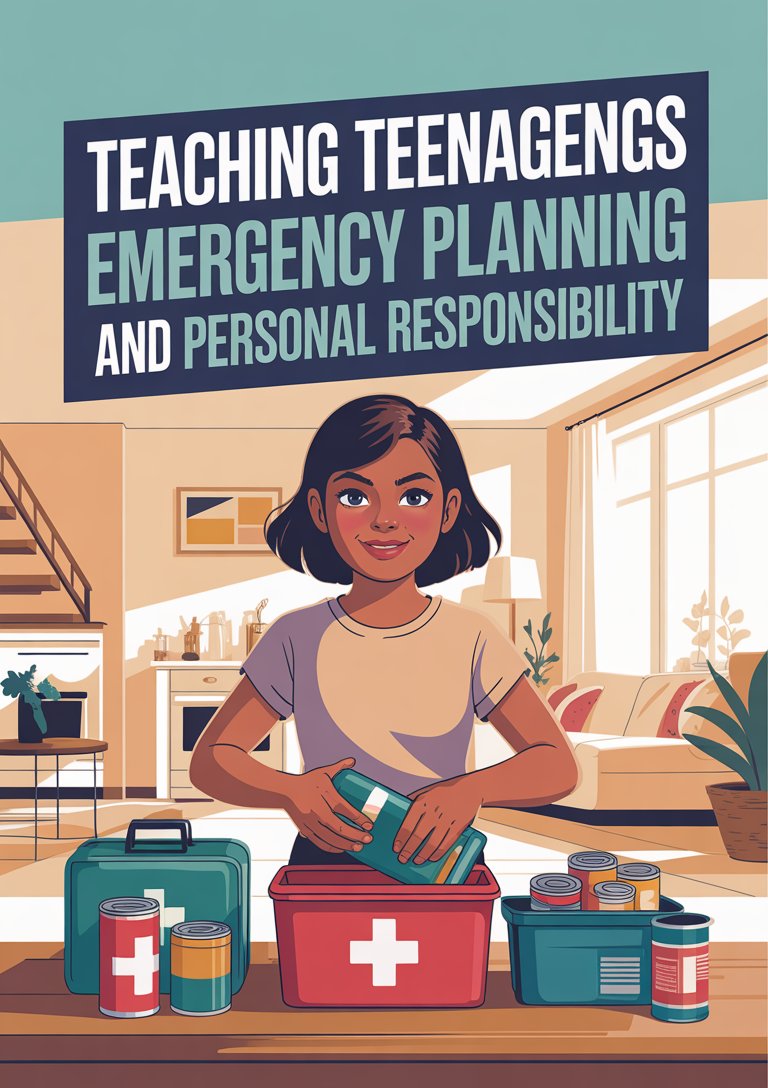
Packing a grab-and-go kit is a concrete step. When kids help pack, they understand why each item matters.
- Water and nonperishable snacks.
- Basic first-aid supplies and any daily medications.
- Flashlight with extra batteries and a comfort item (favorite toy or book).
- Compact copies of important papers, such as birth certificates.
For more on critical documents, see our emergency documents go bag.
Rehearse Your Plan
Practice turns plans into habit. Schedule mini-drills and make them feel like a game instead of a chore.
- Run door-to-door simulations in under five minutes.
- Time yourselves and celebrate small improvements.
- Review after each drill: ask what went well and what to tweak.
For extra pointers, check our guide to practice emergency plans for kids.
Encourage Open Questions
Finally, keep the dialogue ongoing. Kids’ questions evolve as they grow, and that’s a good thing.
- Set aside regular check-in times — maybe over breakfast or during a car ride.
- Assure them there’s no such thing as a silly question.
- Reinforce that you’re all learning together and that their ideas matter.
If you need prompts, our collection of family emergency plan questions is a great place to start.
Cabin Chat
How early should I start these talks with my kids?
It’s never too early — even preschoolers can learn simple terms like “Safe Spot” and “Help Number.” Just keep explanations short and sweet.
What if my child gets scared during the discussion?
Pause and reassure them that planning is about feeling safe, not worried. Share uplifting stories of neighbors helping one another.
How often should we revisit our emergency plan?
Aim for a quick refresh every 3 to 6 months and full practice drills twice a year. Consistency helps the plan stick.
How do I balance honesty without causing panic?
Use calm, friendly language. Emphasize your presence and teamwork. Highlight success stories — like a drill that went well.
Can technology help with these conversations?
Absolutely. Kid-friendly apps and simple animations can illustrate concepts. Just follow up with a real-world chat so they know it’s more than a game.
What if my teenager thinks they already know it all?
Invite them to lead drills or teach younger siblings. Giving them responsibility boosts buy-in and keeps everyone engaged.
Emergency planning isn’t a one-time talk — it’s a series of friendly chats that build confidence. Trust me, you’re not alone on this journey. With each conversation, you’re weaving a safety net that makes everyone feel empowered. Keep up the great work, moms and caregivers — you’ve got this!