Emergency Planning for Families Who Can Barely Keep Up with Daily Life
So here’s the thing, emergency planning for busy families often sounds like another big task on an already endless to-do list. I get it—between carpools, work deadlines, mealtime battles, and trying to remember where you put your phone, carving out time to prepare for the unexpected can feel impossible. But trust me, you’re not alone in this. With a few simple steps and some budget-friendly hacks, you can build a family emergency plan that fits your life, not the other way around.
We’ve all been there—feeling stretched thin and wondering how to keep everyone safe if disaster strikes. Let’s explore straightforward ways to map out your family’s needs, stock up on essentials without breaking the bank, and practice your plan so it becomes second nature. By the end of this guide, you’ll feel more confident and ready to protect what matters most: your loved ones.
Understand Your Family Needs
Before gathering supplies or drafting checklists, take a moment to map out your family’s unique needs. Trust me, this small step makes everything else easier.
- Ages And Abilities
Consider each person’s physical abilities, allergies, medication schedules, and developmental stages. A toddler’s needs differ from a teen’s—make note of diapers, special snacks, mobility aids, or prescriptions. - Pets And Service Animals
Furry family members need food, water bowls, leashes, carriers, and medical records. Jot down local pet-friendly shelters or sitters who can step in. - Daily Routines And Triggers
Do you have shift work, after-school activities, or caregiving responsibilities for elderly relatives? Highlight pockets of time when you can work on planning tasks, whether it’s nap time or during your lunch break. - Communication Styles
Maybe your teenager prefers texts, while your preschooler responds better to colorful charts. Understanding how each person processes information helps when you practice drills or share reminders.
That being said, a clear picture of your family’s makeup will guide every other step—no wasted effort, no guessing games.
Identify Potential Risks
Not every community faces the same threats. Let’s zero in on hazards that could impact your household.
- Natural Disasters
Floods, hurricanes, wildfires, earthquakes—check your local weather service for historical data and seasonal alerts. - Home Emergencies
Fires, gas leaks, burst pipes. Make sure smoke and carbon monoxide detectors are working and replace batteries twice a year. - Medical Crises
Allergic reactions, severe injuries, and chronic illness flare-ups. Know your closest hospital and urgent care hours. - Neighborhood Incidents
Power outages, road closures, extreme heat waves. Look up community shelters or cooling centers online.
Here’s a thought: list the top three scenarios most likely in your area and tailor your plan to those. This keeps things focused instead of overwhelming.
Find Budget-Friendly Supplies
Emergency kits do not have to cost a fortune. Let’s hunt for items you probably already own or can get on sale.
- Pantry Staples On Hand
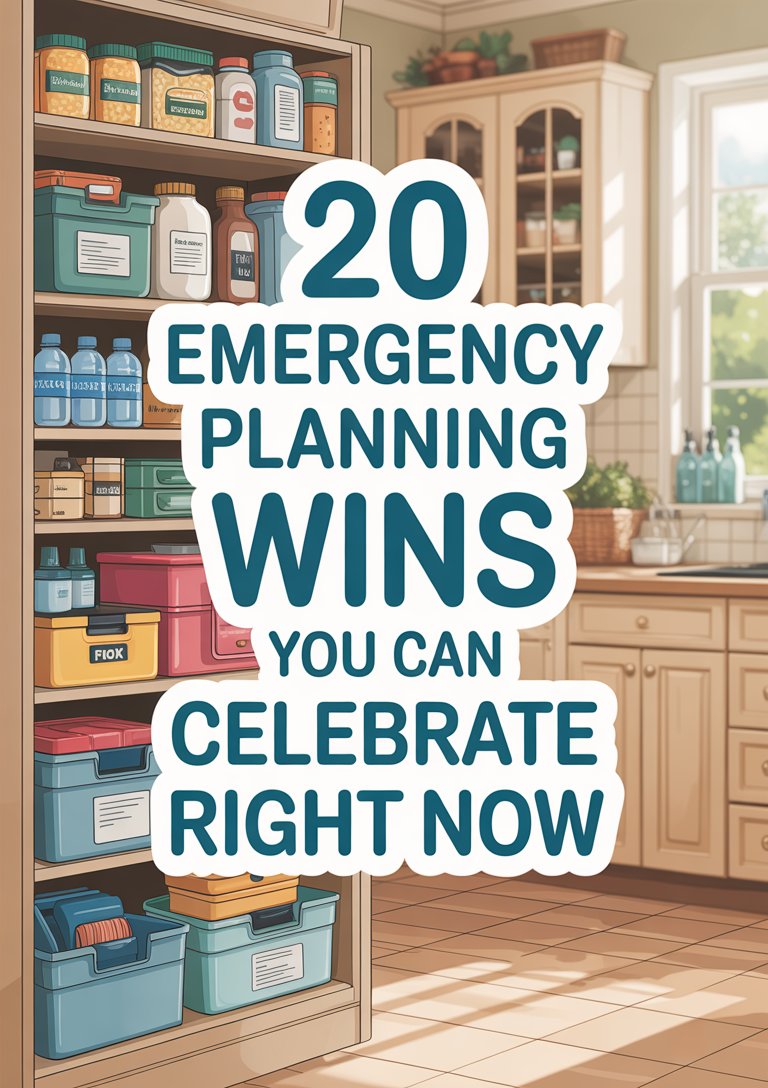
Canned beans, peanut butter, dried pasta, baby formula, pet food—rotate these monthly so nothing goes stale. - Dollar-Store Gear
Flashlights, batteries, ponchos, tape, plastic sheeting, and basic first-aid items. These go a long way in a pinch. - Secondhand Finds
Check thrift shops or community swap events for gently used backpacks, blankets, and plastic storage bins. - DIY Comfort Items
Make paper-plate whistles, homemade hand-warmers in socks, or assemble fun activity kits for kids with coloring pages and crayons.
If you’re curious about what supplies you might already have sitting in your pantry or medicine cabinet, take a peek at emergency supplies you already own and cross off duplicates.
Build Emergency Kits
Once you’ve rounded up budget-friendly items, organize them into kits that everyone can grab if you need to evacuate or shelter in place.
Grab-And-Go Kits
- Backpack for each family member
- Water bottles (one gallon per person per day for three days)
- Ready-to-eat meals and snacks
- Change of clothes, sturdy shoes, and rain gear
- Basic first-aid kit
Home Supply Kit
- Two-week supply of medications and prescriptions
- Battery-powered or hand-crank radio
- Extra phone chargers and power banks
- Flashlights and batteries
- Hygiene supplies (toothbrushes, soap, sanitary items)
Kid-Friendly Comfort Packs
- Small toys, coloring books, portable games
- Extra diapers or training pants
- Favorite blanket or stuffed animal
Pet Safety Kit
- Pet food and water bowls
- Leash, carrier, or harness
- Copies of vaccination records
That being said, keep each kit in an easily accessible spot—garage shelf, front hall closet, or car trunk. Label bags so everyone knows what’s inside.
Organize Important Documents
Losing critical paperwork during an emergency adds stress you don’t need. Let’s make sure your documents are safe and easy to retrieve.
- Digital Backup
Scan IDs, insurance cards, and medical records and store them in a password-protected cloud folder. Include funeral wishes, power of attorney, and school enrollment info. - Physical Copies
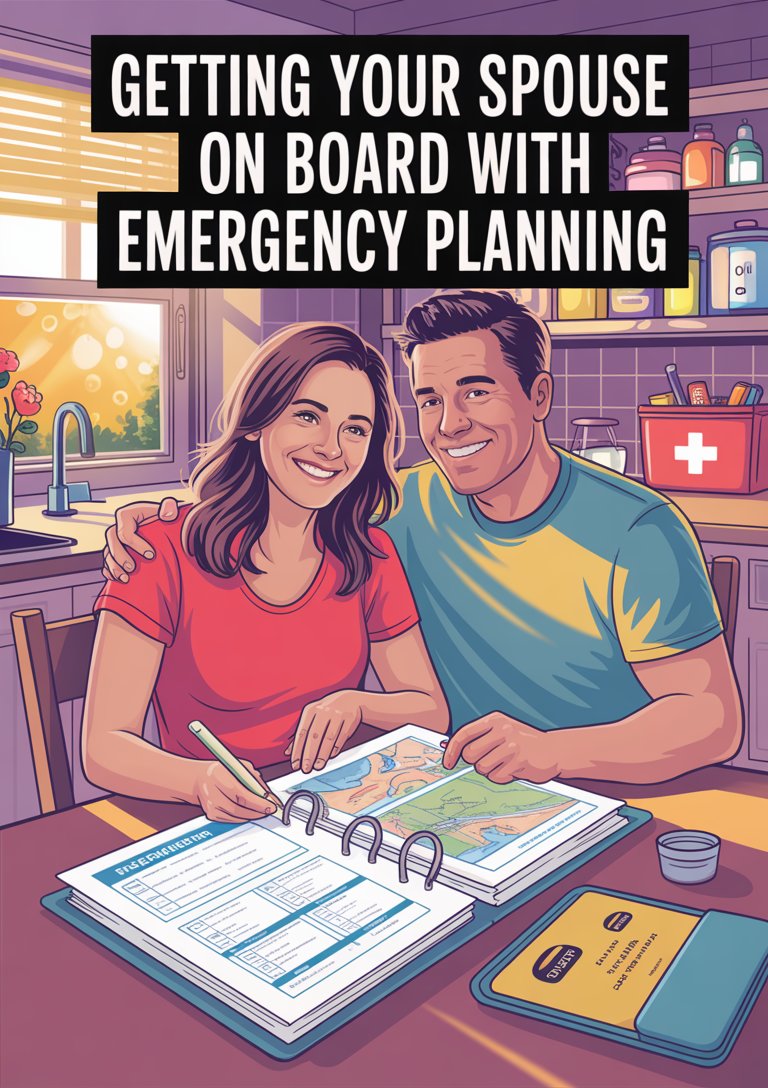
Keep originals or notarized copies in a waterproof, fireproof box or file folder. This is your go-bag of crucial papers. - Emergency Documents Go Bag
- Passports, birth certificates, and marriage licenses
- Insurance policies and contact info
- Bank account details and debit/credit card copies
- Pet medical records
Pro Tip: Share a copy of crucial contact numbers with a trusted out-of-town friend or relative in case local phone lines go down. For extra guidance, check out emergency planning documents to see what you might be missing.
Plan Communication Strategies
We’re all in the same boat when cell service goes kaput. Here’s how to stay connected.
- Designate An Out-of-Town Contact
Pick one person everyone calls or texts if local lines fail. This helps you track family members without tying up local networks. - Establish Meeting Points
Choose two spots: one right outside your home (e.g., mailbox) and one outside your neighborhood (e.g., library parking lot). - Create A Family Phone Tree
List each person’s role—who notifies whom—so you’re not all trying to reach the same person at once. - Use Simple Codes
Agree on phrases like “green star” for “I’m safe” or “red moon” for “need help.” Keeps kids calm and avoids confusion. - Leverage Emergency Communication Planning resources for apps or printable templates.
Remember, practice makes perfect—especially under stress.
Practice Your Plan
You wouldn’t drive without a license, right? The same goes for emergency plans—run drills so everyone knows their part.
- Schedule Quarterly Drills
Pick one scenario each time—fire, flood, power outage—and walk through steps together. - Involve Kids
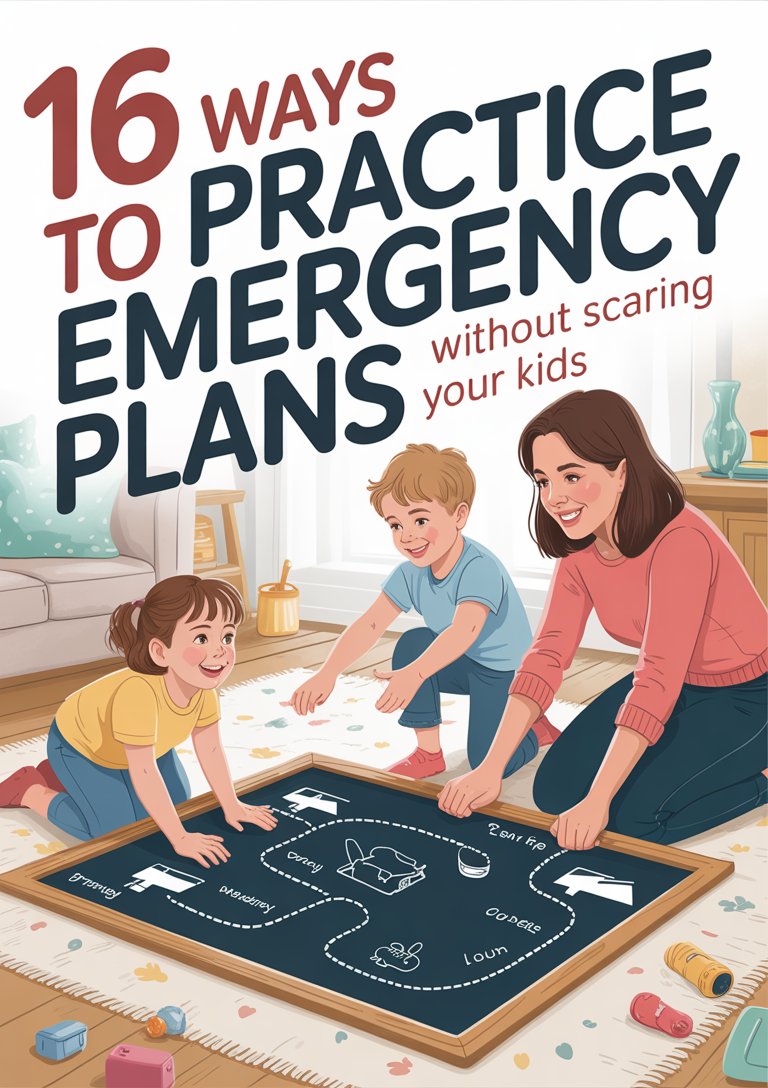
Role-play what they’d do if they heard the smoke alarm or lost signal on a family walk. Kids learn by doing, not just listening. - Test Your Kits
Open backpacks, check expiration dates on food and meds, and replace batteries. - Debrief After Each Drill
Celebrate what went smoothly and note what needs tweaking. Maybe Aunt Linda’s number changed or your meeting point sign is missing.
If you need ideas for kid-friendly exercises, see practice emergency plans for kids, printable games, and checklists.
Create A Support Network
You don’t have to go it alone. Lean on neighbors, friends, and local groups.
- Form A Block Team
Meet monthly with neighbors to swap skills—first aid, gardening for food security, and tool sharing. - Swap Emergency Roles
Maybe you’re great at organizing supplies, while a friend is a whiz with tech. Divide and conquer. - Connect With Caregivers
If you’re juggling caring for little ones or aging parents, emergency planning caregivers has tailored tips. - Join Local Social Media Groups
Community pages often post real-time alerts and offer to share surplus supplies when disasters strike.
Here’s a thought: building these relationships now means you’ll have trusted allies when you need them most.
Maintain And Update Your Plan
Life changes—so should your emergency plan. Let’s set routines to keep everything fresh.
- Annual Review
Mark your calendar to revisit kits, documents, and contact lists once a year. Or more often, if you move, add a family member, or your work schedule shifts. - Rotate Supplies
Swap out expired food, update clothing sizes, and refresh batteries. - Update Digital Backups
Upload any new medical records, insurance changes, or important receipts. - Track Your Progress
Keep a simple checklist of tasks—then give yourself kudos when you check them off. Trust me, seeing progress motivates you to keep going.
If you’re wondering how often to revisit your plan, peek at how often you update emergency plans for more guidance.
Wrapping Up Your Plan
You’ve taken big strides already—identifying needs, gathering supplies, mapping out communication, and practicing together. Remember, emergency planning is less about perfection and more about progress. Even tiny steps move you closer to peace of mind.
You’ve got this. Start small, involve the whole family, and lean on your community. Over time, these routines become second nature—just like buckling seat belts or brushing teeth. And whenever you feel overwhelmed, come back to this guide, adjust a single item, and breathe. You’re building a safety net that will catch you when life throws the unexpected your way.
Trust me, you’re not alone—and your future self will thank you.
Cabin Chat
- What’s the first thing I should do when starting emergency planning?
Start by mapping out your family’s unique needs—ages, medical conditions, pet care—to guide every other step. - How often should we update our emergency plan?
Aim for an annual full review, plus quick checks anytime someone moves in or out, or you change medications or schools. - What items are truly essential in a basic grab-and-go kit?
Water (one gallon per person per day for three days), nonperishable food, flashlight, first-aid kit, and copies of important documents. - How can I involve my kids without scaring them?
Turn drills into games—have a scavenger hunt for supplies or practice fire drills to a silly song. Keep the mood light and supportive. - What’s the easiest way to communicate if cell service fails?
Designate an out-of-town contact and agree on meeting points. A simple phone tree prevents everyone from calling the same person. - How do I keep emergency planning within my budget?
Shop sales, raid your pantry, hit dollar stores, and swap items with friends. Focus on essentials first, then expand as you can. - Any tips for keeping the momentum going?
Tie planning tasks to existing routines—swap batteries when you change clocks for daylight saving, review docs on your birthday, or run a quick drill at holiday gatherings. Consistency is key.