The Hidden Benefits of Emergency Planning Beyond Safety
When it comes to emergency planning, we often focus on keeping everyone safe.
But the benefits of emergency planning beyond safety stretch into unexpected parts of our daily lives—from boosting your peace of mind to strengthening the bonds that hold your family together.
I totally get how adding “create evacuation routes” or “stock emergency kits” to an already-packed schedule feels overwhelming. That being said, taking those steps can unlock real wins for your wellbeing, finances, and sense of community right now—long before any sirens go off.
So here’s the thing: let’s explore how a simple family plan can pay dividends in areas you might never have considered, helping you feel confident and connected every day.
Boost Emotional Wellbeing
Think of emergency planning as more than a checklist—consider it a self-care strategy for your nerves.
When we sketch out what to do if the power goes out or a storm hits, we’re actually rewiring our brains to handle uncertainty with calm instead of chaos.
Trust me, you’re not alone if your heart races at the thought of the next big challenge. But mapping out escape routes, designating a meeting spot and packing a “go bag” can cut stress levels dramatically, freeing up mental space for the moments that matter.
Here’s a thought: every time you review or practice your plan, you’re building a mini “confidence muscle.” You’ll catch yourself thinking, “I know exactly where everyone goes—no panic needed.”
Over time, that sense of control spills into your day-to-day life.
You might notice you’re more patient in traffic or less frazzled when your toddler decides it’s snack time forever.
That ripple effect is exactly why so many families report improved sleep, fewer headaches, and a brighter outlook once they kick their emergency planning into gear.
To maximize those mental health wins, try these simple moves:
- Schedule a quick monthly check-in as a nonnegotiable on your calendar—treat it like a dentist appointment.
- Pair plan review with something pleasant, like a cup of tea or a short podcast episode.
- Teach kids to find comfort in routine by running a 5-minute mini drill. Their laughter (and yours) makes it feel less like work.
If you’re curious about the science behind this, you’ll find even more insights on how prepping can ease everyday tension in our post on emergency planning mental health benefits.
Bottom line: the more you plan, the lighter your emotional load—and that’s a benefit worth celebrating.
Strengthen Family Connections
Here’s a truth—you and your loved ones learn best when you’re working together.
Family emergency planning isn’t a solo mission. It’s a team exercise that invites everyone to share ideas, voice concerns and play an active role. And as you brainstorm evacuation routes or decide who grabs the pet carrier first, you’re teaching cooperation and problem-solving in real time.
That being said, it’s easy for kids to glaze over when you start talking about earthquake safety. Try injecting a bit of creativity:
- Turn map-making into an art project, complete with colored pencils and glitter.
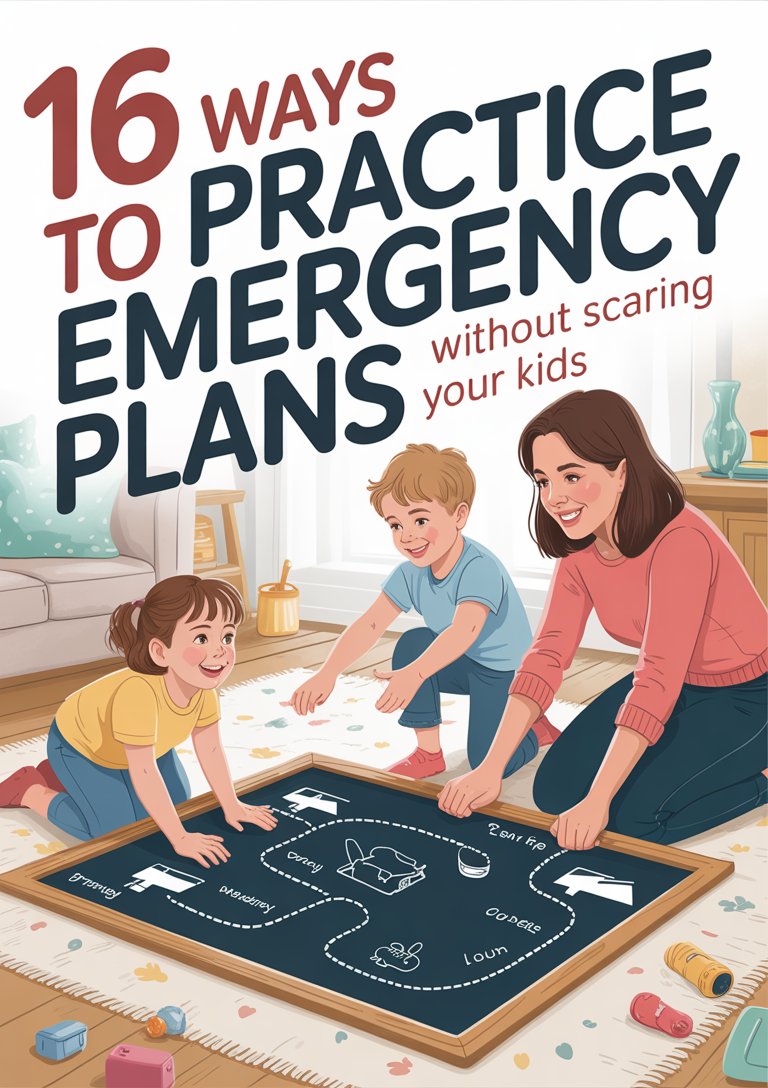
- Host a mock “search and rescue” game in the living room, where each child has a specific task—like signaling with a flashlight.
- Swap typical dinner chatter for an “emergency planning conversation,” asking each person to name one resource they’d hope to find in a go bag.
Offering these low-key activities helps your crew see planning as a shared adventure, not another chore. You’ll be surprised at how quickly teamwork becomes second nature—kids love feeling empowered, and spouses often step up when they see everyone pitching in.
Remember, strong communication in an emergency starts at home.
To keep these chats going smoothly, check out our advice on talk emergency planning kids and practice emergency plans kids.
Over time, you’ll find that your family not only knows the plan but genuinely enjoys refining it together—and that connection carries into every corner of your life.
Improve Financial Confidence
We all know that emergencies can be expensive, but here’s the silver lining: thoughtful prep can turn surprising costs into manageable line items.
Budgeting for extra water bottles or a basic first-aid kit forces you to review monthly spending and uncover small savings you might have overlooked. It’s like a financial tune-up disguised as emergency prep.
That being said, it doesn’t have to break the bank. Start by taking inventory of what you already own—chances are you’ve got supplies lurking in the pantry or outgrown camping gear in the garage. Then:
- Set up a modest “emergency fund” goal—say $500—and treat contributions like a regular bill.
- Compare prices on multi-use items, like using a flashlight that also charges your phone.
- Audit your insurance policies to make sure you’re not overpaying or undercovered (you might even score a discount for bundling).
Working through these steps helps you spot wasteful spending and redirect funds toward priorities.
Plus, the confidence you gain from knowing your family can handle minor expenses without panicking is priceless. You’ll feel more in control of your finances overall—kind of like stretching a dollar for a grocery sale, but with the safety net of knowing you’re ready for more than just a rainy day.
For more tips on weaving prep into your budget strategy, check out our guide to financial emergency planning. You’ll walk away with practical ideas to keep both your wallet and your peace of mind intact.
Develop Critical Life Skills
Emergency planning does more than prepare you for floods or fires—it’s a hands-on curriculum in vital skills that pay off in everyday life.
When you practice basic first-aid, learn to use a fire extinguisher, and review navigation apps, you’re sharpening abilities that make you a stronger leader, problem-solve,r and even role model for your kids.
Here’s the thing: real-world scenarios give these lessons staying power.
Instead of watching a video and forgetting it, you’ll remember the exact steps to stop bleeding or start CPR because you’ve done them in a low-pressure setting. And that confidence bleeds into other areas—maybe you speak up in a meeting or coach your child through a tricky homework problem without hesitation.
To stack up those skill gains:
- Sign up for a community first-aid or CERT class—many are free or low-cost.
- Practice household drills at unexpected times, like a flashlight-only “power outage” dinner.
- Introduce map-reading fun by plotting a safe route to a nearby park, GPS-free.
- Role-play decision-making under pressure—give family members a surprise scenario and ask how they’d react.
Over time, these mini-lessons build resilience and self-reliance.
Your kids see you as someone who stays calm under stress, and you’ll notice yourself tackling daily hurdles with more ease. If you want a deeper dive into skill-building strategies, head to emergency planning skills families for more ideas.
Build Community Resilience
We’re all in this together—no one handles an emergency solo.
When you reach beyond your front door, you tap into a powerful network of neighbors, local organizations, and friends who can share resources, information, and support. That sense of belonging is a hidden benefit that money can’t buy.
Here’s a thought: start small by swapping contact info and special needs details with a couple of trusted neighbors.
Then, organize a periodic check-in—maybe a block-party potluck with a brief planning chat.
As relationships grow, you’ll find you can lean on each other for pet care, childcare, or help during power outages. Suddenly, your “emergency plan” extends to a caring village.
To foster those bonds:
- Host a “prep swap,” where everyone brings an extra flashlight or water pouch to trade.
- Coordinate with local community centers to learn about neighborhood drills or resource fairs.
- Volunteer for local support groups, like Red Cross or CERT teams, to gain insight and give back.
- Use family meetups as low-pressure planning sessions—combine birthday parties with a map review.
The more you invest in these connections, the richer your network becomes. In a crunch, you’ll have trusted allies to share tasks, loans and emotional support.
And that communal strength often circles back—you’ll be surprised how many times you’ll find yourself helping others, deepening those friendships even more.
If you’re looking to tap into local resources or caregiving networks, our post on emergency planning resources for parents is a great place to start. Building community resilience is truly a win-win.
Celebrate Preparedness Wins
We’re used to celebrating birthdays and graduations, but what about the small victories that happen in the middle of all the chaos?
Taking the time to acknowledge that you’ve updated your contact list or replaced expired batteries can be a mood booster—and it keeps momentum going.
Try these celebration ideas:
- Create a “Prep Wall” in your kitchen where you stick stars or stickers next to completed tasks.
- Share your milestones in a family group chat—yes, even that one cousin who always responds with emojis.
- Plan a mini-reward for quarterly achievements, like a movie night or a DIY pizza party.
- Keep a simple journal of each update or drill—reading back over progress is surprisingly uplifting.
Recognizing progress helps you stay motivated and turns routine maintenance into a fun ritual.
Plus, as your family sees you marking each win, they’ll feel proud to be part of a proactive team. That sense of shared achievement can bring everyone closer and remind you that preparing is as much about the journey as the destination.
For more ideas on tracking and celebrating your milestones, check out emergency planning achievements. Let’s keep cheering each other on—every step forward counts.
Cabin Chat
What are the benefits of planning beyond safety?
You’ll feel less stressed, more in control, and build skills that help every aspect of your life.How do I involve my kids in prep?
Turn drills into games, use art projects for map-making, and let them choose fun mini-rewards.How often should I revisit our plan?
Aim for quarterly check-ins—here’s a handy guide on how often to update emergency plans.What if I’m starting late?
No judgment—begin with one small task today, like listing emergency contacts, and build from there.How can I celebrate little wins?
Try a Prep Wall, share stickers, or treat your family to a simple reward like homemade brownies.Where can I find community support?
Look for local CERT teams, neighborhood groups, or online forums that match your needs.How do I keep momentum alive?
Schedule regular reminders, journal progress, and invite friends or neighbors to join you—planning is more fun when it’s a team effort.