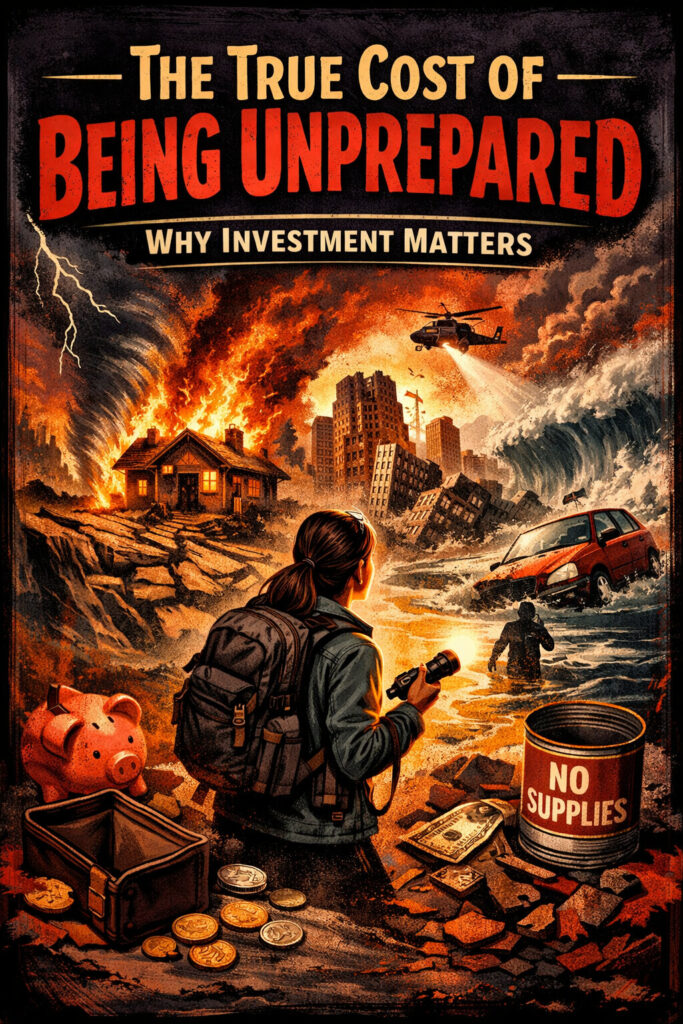
The True Cost of Being Unprepared: Why Investment Matters
Have you ever paused to consider the cost of being unprepared?
Picture this: a sudden family emergency during a weekend trip, only for you to realize there’s no extra thermometer, no backup medication, or even an easy way to charge your phone. It’s a sinking feeling that can quickly ramp up stress and uncertainty. I’ve been there too. Often, our daily responsibilities keep us so busy that having a well-stocked emergency kit falls off the radar—until a crisis knocks loudly on the door. But here’s the good news: with a bit of planning, you can turn that uneasy “what if?” into a confident “I’ve got this!” and avoid the emotional, financial, and logistical tolls of getting caught off guard.
Even if you’re juggling work deadlines, school pickups, or those endless tasks that seem to follow us everywhere, you deserve peace of mind knowing you can handle whatever life may throw at you. Let’s explore how preparedness can save your wallet, your time, and your sanity, and why a little investment can make a big difference for both you and your loved ones.
Recognize Financial Risks
When you think about emergencies, you might first imagine flash floods or earthquakes—and yes, those are major events that demand serious planning. But smaller, everyday challenges crop up too: a broken furnace in the dead of winter, a flat tire during your morning commute, or a sick child waking you up at 2 a.m. In each case, being unprepared can lead to financial burdens you never saw coming.
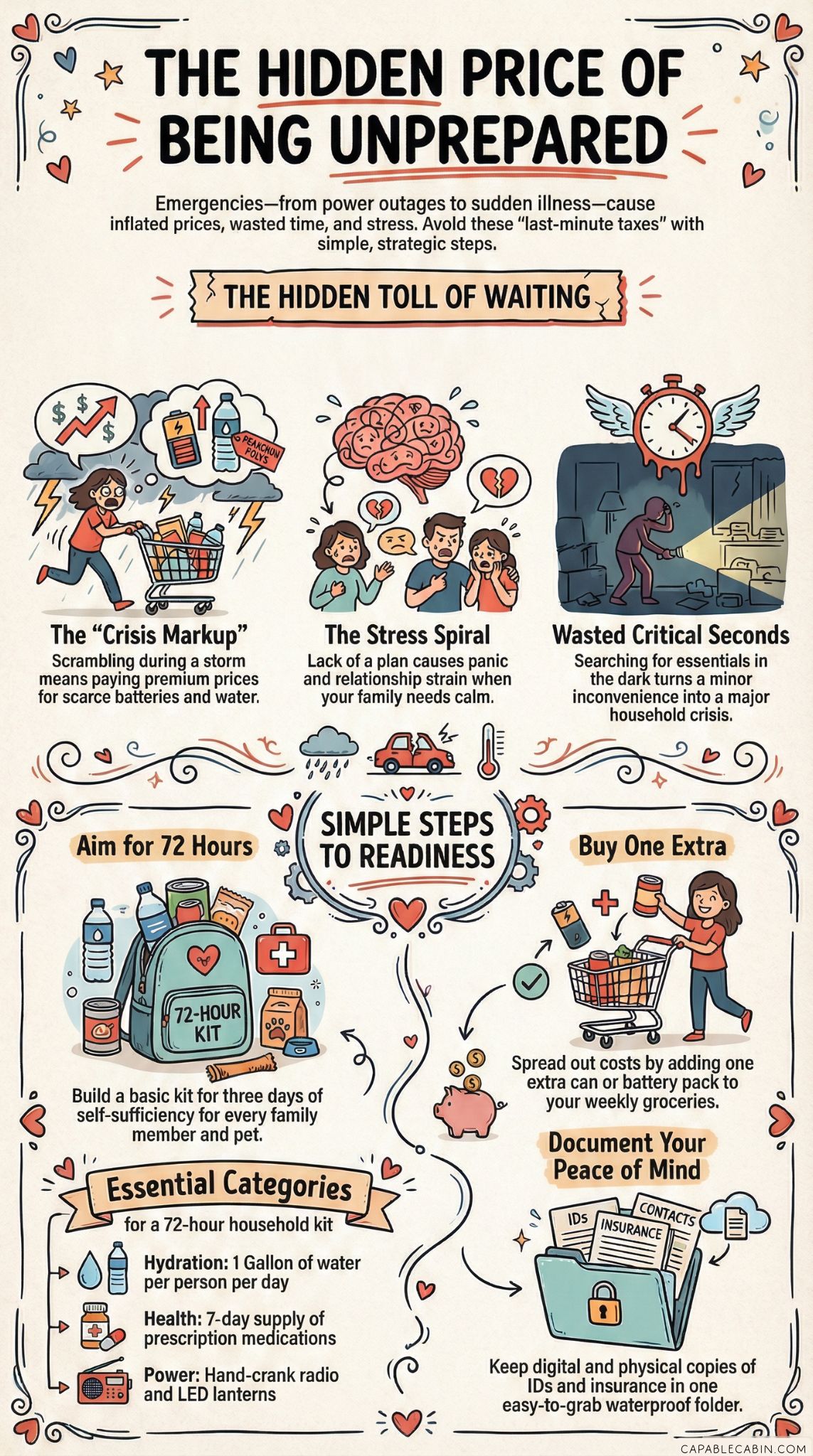
- Last-Minute Supplies: In an emergency, you might scramble to buy essentials at inflated prices. For instance, a storm warning causes everyone to rush to the store at once, making batteries, flashlights, and water jugs suddenly scarce. What’s left on the shelves often comes with a higher price tag.
- Hotel and Evacuation Costs: If you ever need to evacuate your home, you could spend hundreds on last-minute accommodations. Travel expenses, pet boarding fees, and even the cost of eating out add up quickly when you have no plan in place.
- Medical Bills: From minor injuries to more serious issues like dehydration or untreated infections, skipping basic first aid supplies can send you to the ER. Not having items like bandages, antiseptic, or over-the-counter meds on hand may force you to seek professional care sooner than necessary.
- Repairs and Replacements: Unforeseen damage to your home or car can require immediate fixes—and those repairs rarely come cheap. Without a protective strategy, you might find yourself paying overtime rates to a repair service or forking out for replacement materials at premium prices.
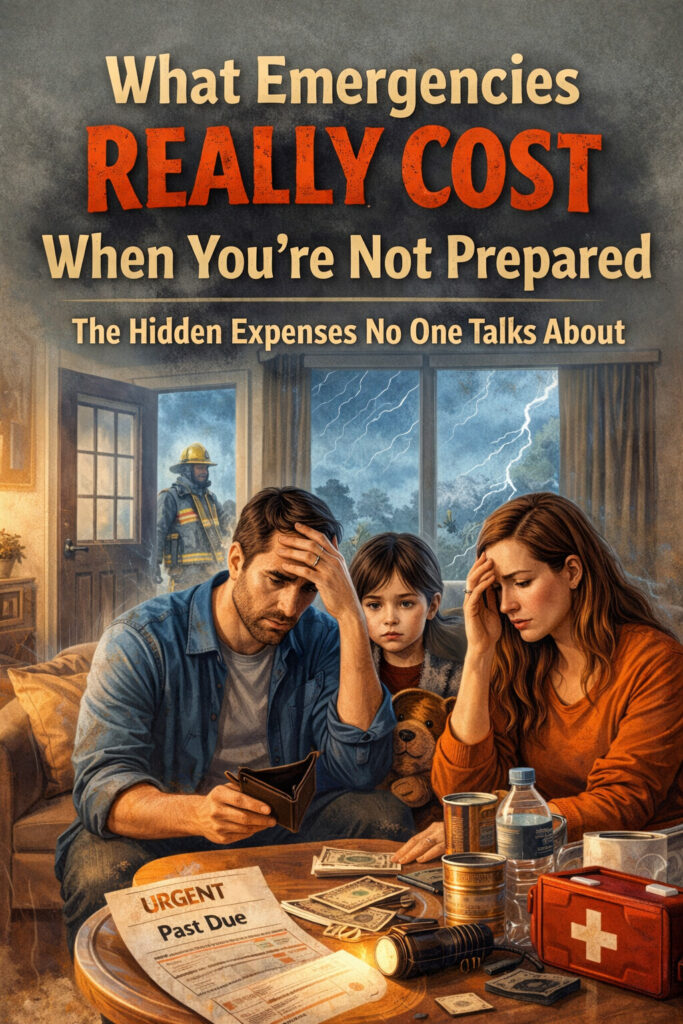
When you add it all up, the unseen costs of being unprepared can easily eat into your monthly budget. This is especially true if you’re caring for a busy household that depends on you to keep life running smoothly. The simplest way to save money in the long run is to gather essential supplies and invest in a few core systems. Think about creating a budget emergency preparedness kit so you can spread out costs over time. That way, you’ll avoid those unpleasant, lump-sum surprises.
Above all, remember that this isn’t about buying expensive gear. It’s about spending strategically on what really matters—like a reliable flashlight, extra water containers, and basic medical items—so you can sidestep the sky-high costs that come from last-minute scrambling. Consider it insurance against those moments when life tries its best to throw you off balance.
Face Emotional Anxiety
Money aside, the biggest and most overlooked cost of being unprepared is stress—the kind that makes you toss and turn at night, wondering what might happen if you’re caught off guard. When we realize too late that we’re missing key items or a plan, it’s easy to spiral into worry and worst-case scenarios. And if you’re caring for kids, pets, or aging parents, that worry can multiply as you imagine all the ways a simple mishap could escalate into chaos.
Emotional anxiety can pop up in different ways:
- Panic During Crisis: Without a plan, panic often becomes your first reaction. Your brain goes into overdrive: “Where do I go? What should I grab first? How do I keep my family safe?” That spike of adrenaline might help for a moment, but it’s usually replaced by feeling overwhelmed.
- Lingering Fear of “What If”: Even when an emergency passes, you might replay events in your head. You might worry you’ll be just as unprepared next time, eroding your sense of security in daily life.
- Strain on Relationships: High-stress situations can spur conflict among family and friends. Arguments over what to do, where to find supplies, or why no one planned ahead can lead to resentment and frustration—all of which could be avoided with a bit of preparation.
Here’s the upside: preparedness empowers you to manage emotions more calmly when challenges arise. Imagine knowing exactly where you stored your emergency food storage kit or how to reach a family member if phone lines are down. That sense of “I know what to do” can lower anxiety, keep you focused under pressure, and help you reassure your loved ones.
It also alleviates the lingering fear that might crop up whenever a storm is in the forecast or you see some kind of worrying headline. By taking small, simple steps—like jotting down an evacuation plan on your fridge or setting up a basic emergency contact list in your phone—you’re telling yourself, “I’m not powerless here.” That message alone can cut through some of the biggest stress triggers and help you sleep a little easier.
Save Precious Time
We all know time is that one resource you can never get back. It feels precious enough when you’re juggling your kids’ schedules, your to-do list, and the occasional attempt at a self-care moment (a bubble bath that actually lasts more than five minutes, anyone?). Now factor in a crisis, and every second suddenly matters so much more.
- Quicker Response: When you’re prepared, you don’t have to waste the first minutes (or hours) of an emergency running from room to room gathering random items. You can grab your family emergency preparedness kit or your vehicle emergency kit family bag, usher everyone to safety, and figure out the rest later. That’s invaluable time saved, especially if conditions are dangerous.
- Faster Evacuations: If you need to evacuate your home with little notice, having important documents, medications, and basic supplies in one place can significantly speed things up. That often means beating the rush of traffic out of town or securing earlier access to emergency services.
- Smoother Transitions Post-Event: Once an emergency is over, reassembling your normal life often goes more smoothly if you’ve stored essential phone numbers, insurance information, and copies of personal data in a safe but accessible location. Instead of tearing through file cabinets, you can get straight to making claims or arranging temporary living situations.
Think of a simple scenario: your power goes out at night, and you need to navigate a dark house. If your flashlight is nowhere to be found, you might spend minutes stumbling around, hoping you don’t trip on a stray toy. Meanwhile, your kids are calling for help, and you’re trying to keep everyone calm. By setting up a power outage emergency supplies bin in a designated spot, you free yourself from fumbling around in the dark—literally. You reach where you know the flashlight is, click it on, and see what’s happening.
Time can’t be bought back, but you can save it with smart planning. Whether that means labeling storm supplies, creating an easy-to-grab “go bag,” or teaching each family member their role in an emergency drill, these small steps add up to huge time benefits. And time can be the difference between a minor inconvenience and a major crisis.
Protect Loved Ones
When it comes to your family’s safety, there’s no such thing as overthinking or over-preparing. That doesn’t mean you should buy every gadget on the market. Instead, focus on thoughtful approaches that give you a layer of security. Amidst busy routines—school lunches, after-work errands, bedtime stories—one of the most comforting feelings is knowing you have a plan to keep your favorite people safe and sound.
- Children: Kids thrive on consistency, and emergencies can shatter that sense of normalcy. By having a solid plan—like practicing a fire drill at home or a quick “grab-and-go” routine—the chaos feels less intimidating to small children. They learn “Mom and Dad know what to do,” which can calm them during a real situation.
- Older or Vulnerable Family Members: Seniors or relatives with special medical needs rely on you to think of potential problems in advance. This might mean preparing a first aid medical emergency kit with prescription backups or a note of each person’s medical history. If your loved ones use mobility aids or medical equipment, test a scenario where the power is out for several hours so you can see what extra support might be needed.
- Pets: Animals also depend on their caregivers to be prepared. Don’t forget an extra bag of food, a leash, medications, or identification tags. Emergencies like wildfires or floods can force rapid evacuations, and having your pet essentials ready can prevent heartbreaking separations or last-minute scrambles.
- Community Network: Yes, your neighbors, friends, and extended family matter too—especially in large-scale emergencies like hurricanes or wildfires. By coordinating with a few trusted folks, you can share resources, check in on each other, and avoid feeling isolated when conditions get tough.
If you’re short on space, consider checking out small space emergency preparedness tips that show how to neatly fit your kit into a tight apartment or a jam-packed family home. The point is to keep everything accessible and labeled so that even a child can find it in a pinch. If you want to get your older kids or partner involved, create a quick “emergency treasure hunt” to familiarize everyone with where things are stored. That small exercise alone can save crucial minutes down the road and, most importantly, keep your loved ones safe and confident.
Plan Your Essentials
Now that you understand how being unprepared can cost you emotionally, financially, and in sheer time, it’s worth discussing the basics of how you can build your own preparedness strategy. No matter your living situation, certain essentials should be on hand for everyday peace of mind. Let’s dive into the must-haves:
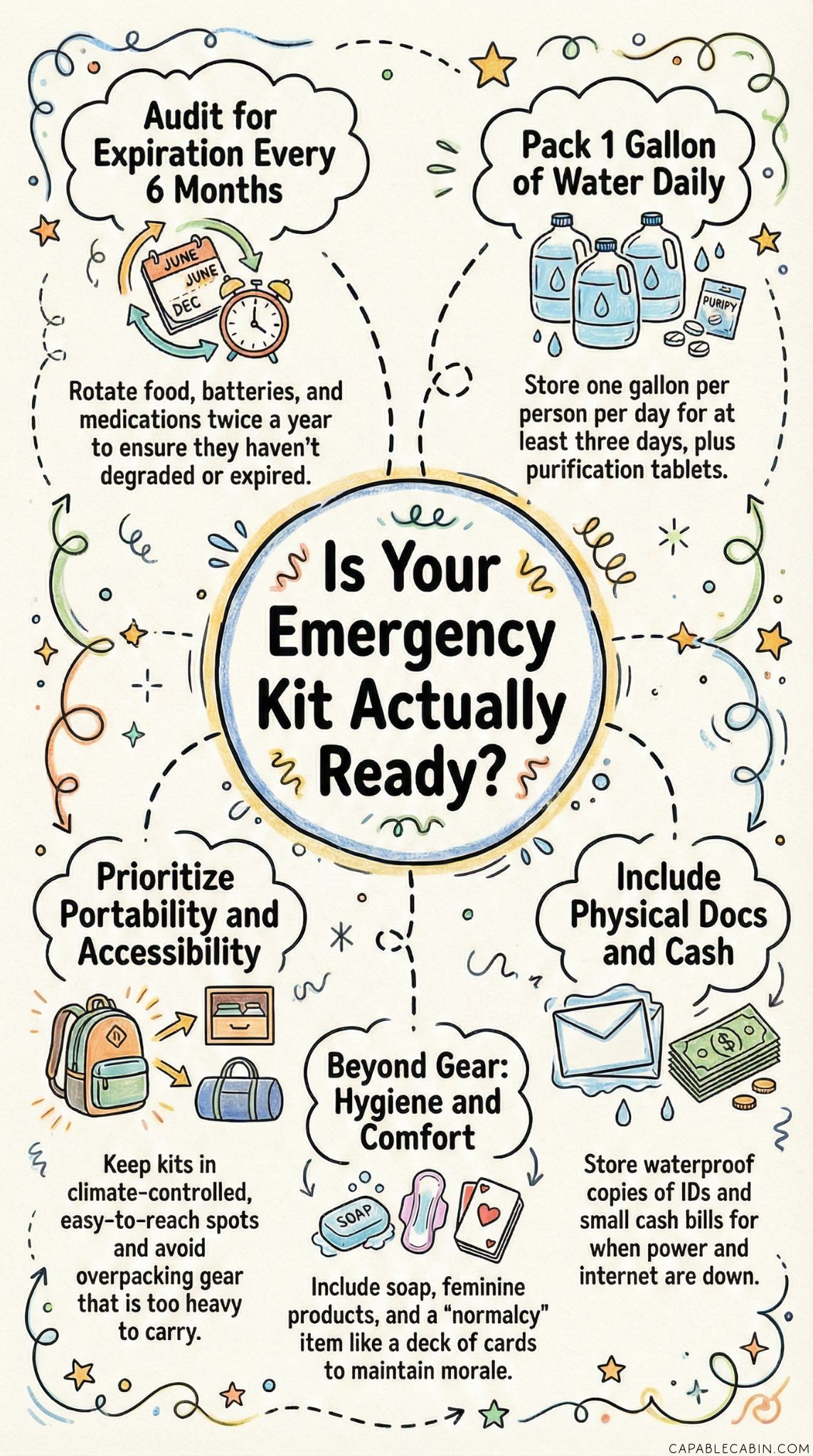
- Water: Aim for at least one gallon per person per day for drinking and basic hygiene. If you’ve got pets, factor them in. Check out emergency water storage purification tips for ideas on how to keep water fresh and usable over longer periods.
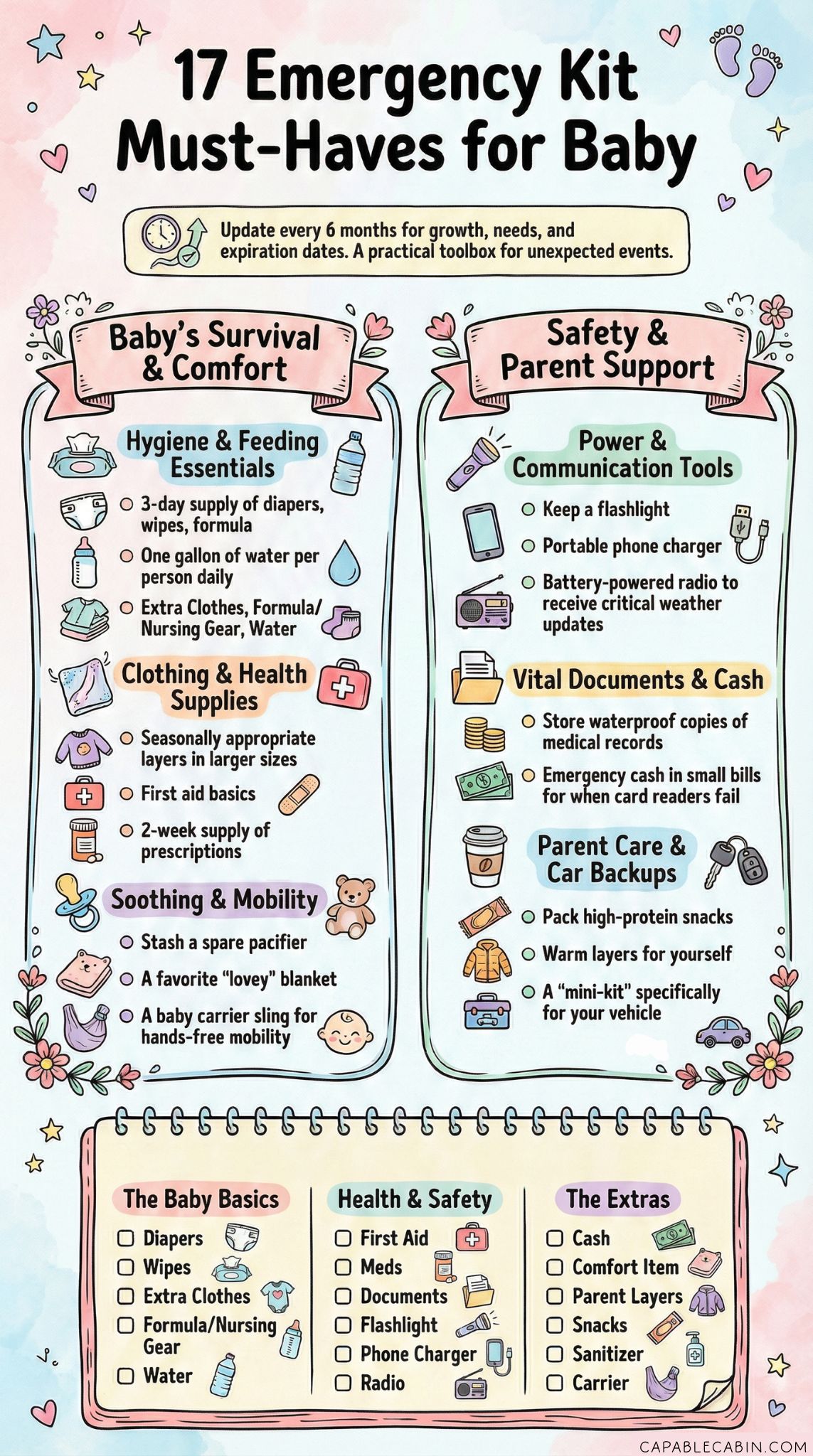
- Food: Think shelf-stable items that are easy to prepare with minimal resources. Canned soups, energy bars, and pre-packaged meals are good starts. Keep in mind special dietary needs within your household—like gluten-free snacks or baby formula.
- Medications and First Aid: A first aid medical emergency kit should include bandages, antibiotic ointments, pain relievers, and any prescription meds your family relies on. Ideally, you’d have at least a 7-day supply of prescription medications on hand.
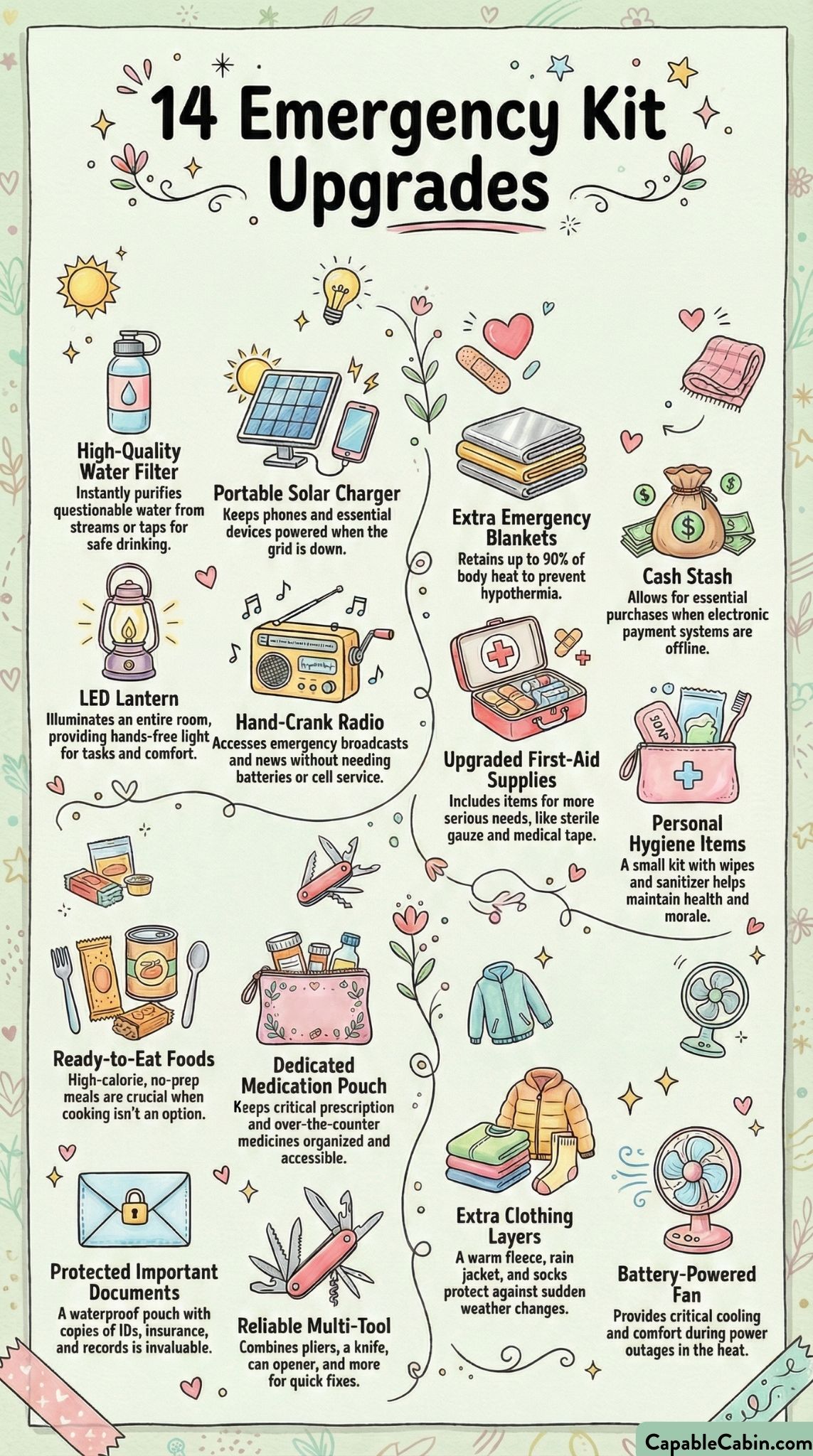
- Lighting and Power: This might include flashlights, batteries, rechargeable lanterns, or a small hand-crank radio to stay informed when power lines are down.
- Documents and Cash: Keep important paperwork—like insurance policies, birth certificates, and ID copies—in a waterproof folder. Also, stash a small amount of cash in caseATMs or card readers aren’t working.
Of course, each family is unique. If you have a child with dietary restrictions, make sure your stockpile includes snacks they can safely eat. If someone in your family depends on medical devices, ensure you have a backup power source or battery on hand. The goal is to aim for at least 72 hours of self-sufficiency—a standard guideline that can be adapted based on your regional risks and personal needs.
It might sound like a lot, but you truly don’t have to buy everything at once. Spread out the purchases over a few grocery trips, keep an eye out for sales, and build your kit step by step. Starting small is better than not starting at all.
Cover Common Scenarios
Crisis planning isn’t just about once-in-a-lifetime catastrophes like hurricanes or earthquakes. Smaller-scale events might happen far more often and still leave you feeling trapped if you’re not ready. Think of scenarios like:
- Power Outages: In winter, a few hours without electricity can lead to no heat and potential food spoilage. In summer, it could mean dangerously high indoor temperatures. Having power outage emergency supplies can help you stay comfortable until the utility company fixes the issue.
- Car Breakdowns: If you’re stuck on the side of the road with kids in tow, a mini emergency kit with snacks, water, and blankets is priceless. A vehicle emergency kit family approach ensures that you won’t be left high and dry in an inconvenient spot.
- Severe Weather Alerts: From tornado warnings to flash floods, weather can escalate quickly. Knowing how to tune in to local alerts, prepping sandbags if needed, and having rain gear at the ready can turn an otherwise disastrous day into a more controlled situation.
- Medical Hiccups at Home: Whether it’s a sudden fever or a kitchen mishap, a well-organized, easily accessible first aid station can minimize pain and reduce your need for urgent healthcare visits.
The beauty of covering these smaller scenarios is that it also prepares you for larger events. Skills like checking your kit’s contents regularly or going over an evacuation plan pave the way for a more robust overall readiness. If you’re new to this, start with the scenario you feel is most likely or most worrying. Gradually add layers of protection so you’re covering a few bases at once without feeling overwhelmed.
Identify Gaps Early
One helpful thing you can do—even before you buy anything new—is to take a quick inventory and see what you already have. You might be pleasantly surprised to find some items scattered around your home. Maybe there’s a partially stocked first aid kit under the bathroom sink or a flashlight in the attic. Gather these supplies into a single, central location so you can see clearly what’s missing.
- List Out Your Must-Haves: Think about water, food, medical essentials, and any unique needs within your family. This becomes your blueprint for what needs replenishing or adding.
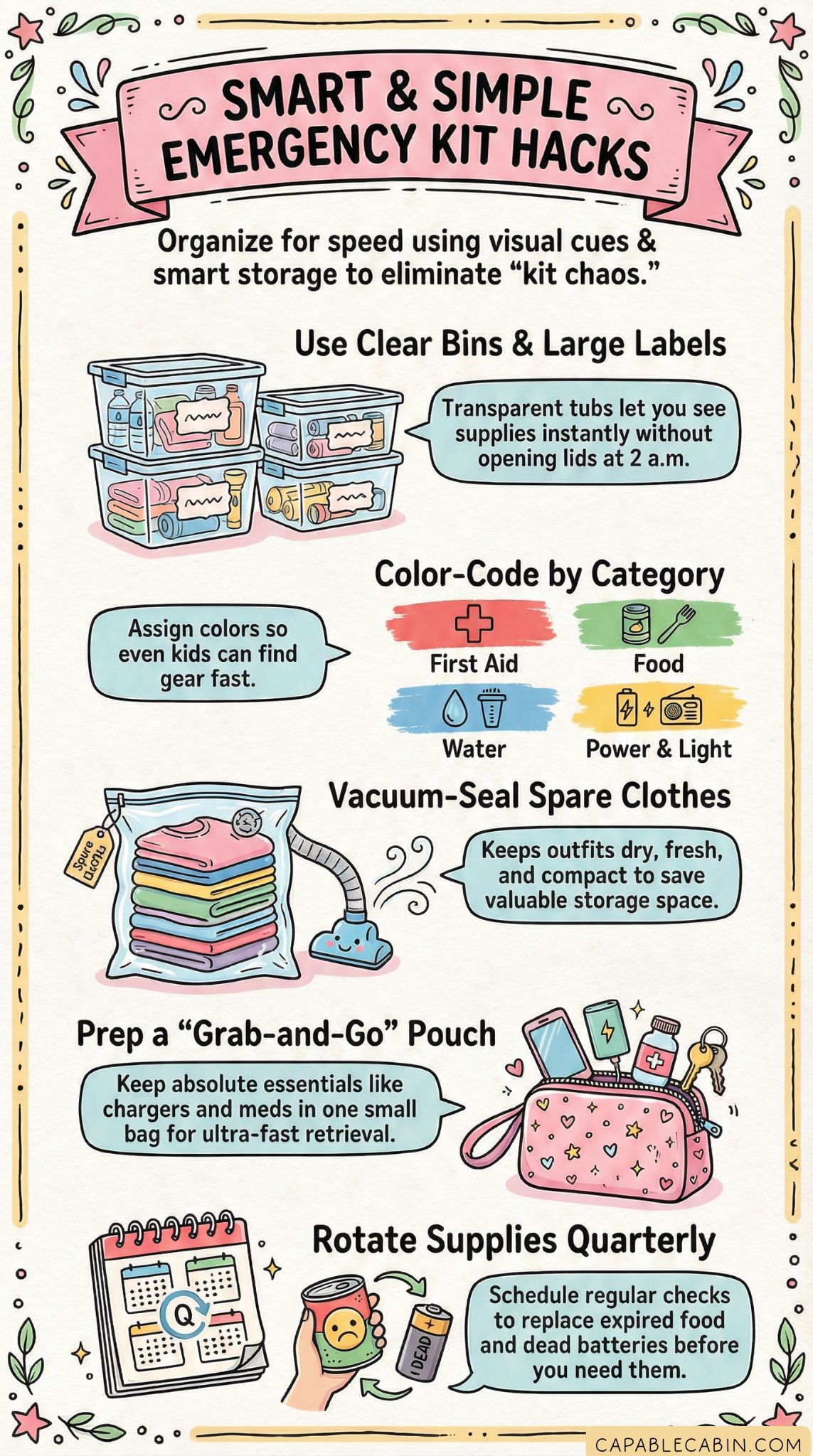
- Check Expiration Dates: Old medication, expired canned goods, and battered equipment can give a false sense of security. Make sure you’re not counting on supplies that are no longer safe to use. If you’re unsure about best practices for rotating older stores, you can learn tips from emergency supplies expiration replacement.
- Ask Others: If you have neighbors or friends who love to talk about preparedness, see what they have found most crucial. Their experiences can offer quick wins, like recommending a particular brand of wind-up radio or a sturdy type of water container.
- Tweak and Adapt: Family dynamics change over time. Children grow older, new babies join the household, or you might move to a different area with unique risks. Periodically review your kit to make sure it still aligns with your needs.
Recognizing your gaps early allows you to budget more effectively and plan out your shopping. You might decide to pick up non-perishables one week and medical items the next, so you don’t break the bank in a single trip. By taking stock of what you already have, you’ll also avoid duplicating purchases—nobody needs three identical wrenches if one will do.
Manage Your Resources
Preparedness also means making smart use of what you already own. No one wants a cluttered house bursting with gear you only touch once a year. Instead, aim for multi-purpose items that serve both your everyday life and emergency needs. Here are a few ideas:
- Kitchen Tools: Cast-iron skillets or sturdy pots can work on stovetops as well as portable propane burners in case your power goes out. A manual can opener is always a must for both daily cooking and emergency prep.
- Electronics: Solar-powered phone chargers do double duty for both camping trips and power outages. They’re easy to store and can rescue your dying phone on any road trip, crisis or not.
- Warm Clothing: Instead of keeping separate clothes just for emergencies, rotate durable jackets, boots, and sweaters into your normal wardrobe. In a pinch, you’ll know exactly where they are.
- Multipurpose Supplies: Duct tape, plastic sheeting, and waterproof matches can save the day in all kinds of situations. If you’re looking for other items that adapt to multiple scenarios, it might help to scan a guide on multi purpose emergency supplies.
Remember, the right gear for you is the stuff you can see yourself really using—not just a fancy item you read about online. It’s great to have a water filter straw, for example, but if you don’t camp or hike, or if you prefer to store bottled water, that straw might end up gathering dust. Know your habits, and choose supplies that fit seamlessly into them. That’s how you’ll stay more consistent in your preparedness routine.
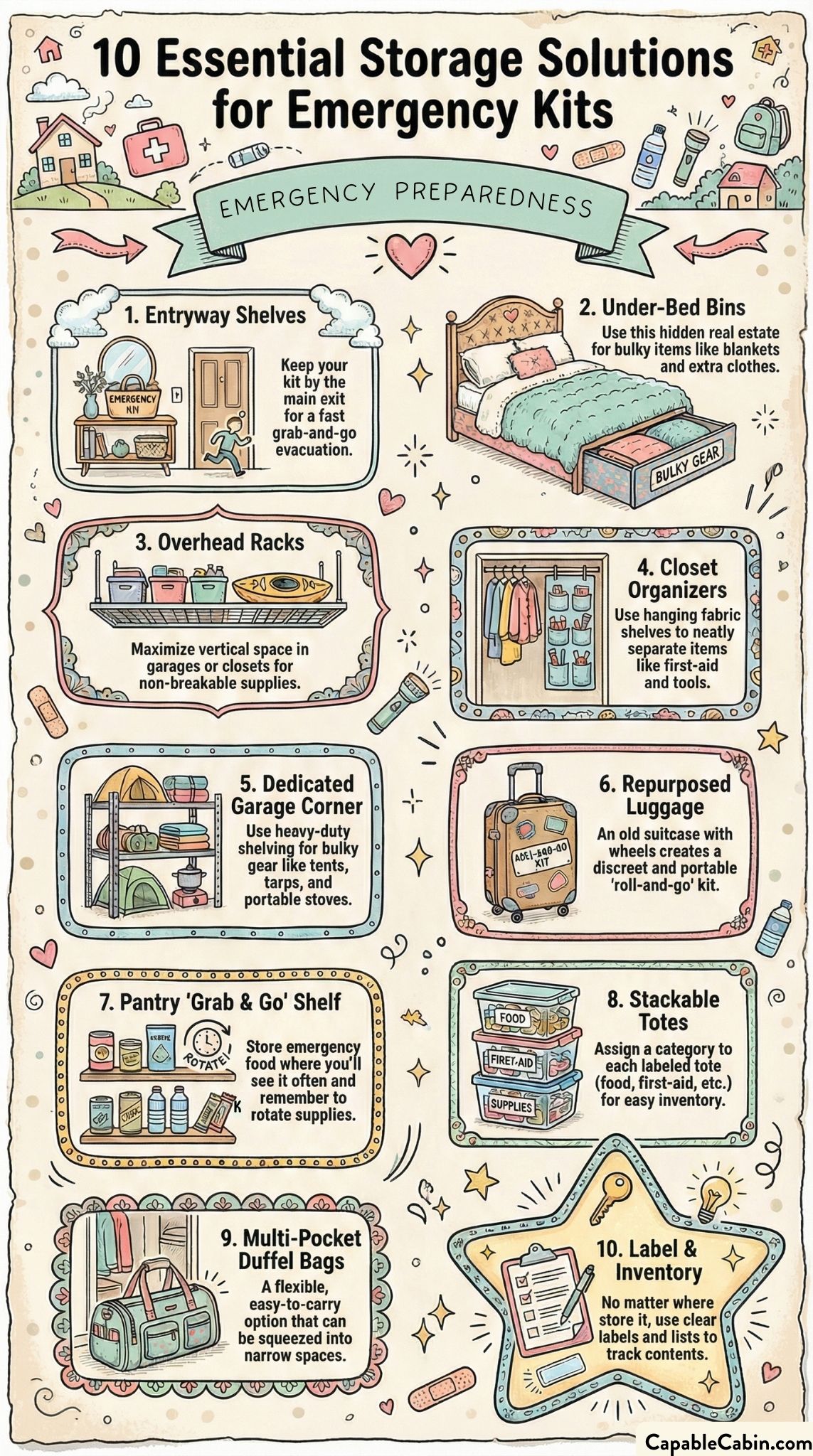
If you find yourself short on space, consider vertical storage solutions or even under-bed totes labeled with “Emergency Items.” For guidance, emergency kit storage solutions provide creative ways to keep your kit discreet but accessible. Ultimately, you want to strike a balance: enough supplies to feel covered, without feeling like your home is a storage bunker.
Adopt A Preparedness Mindset
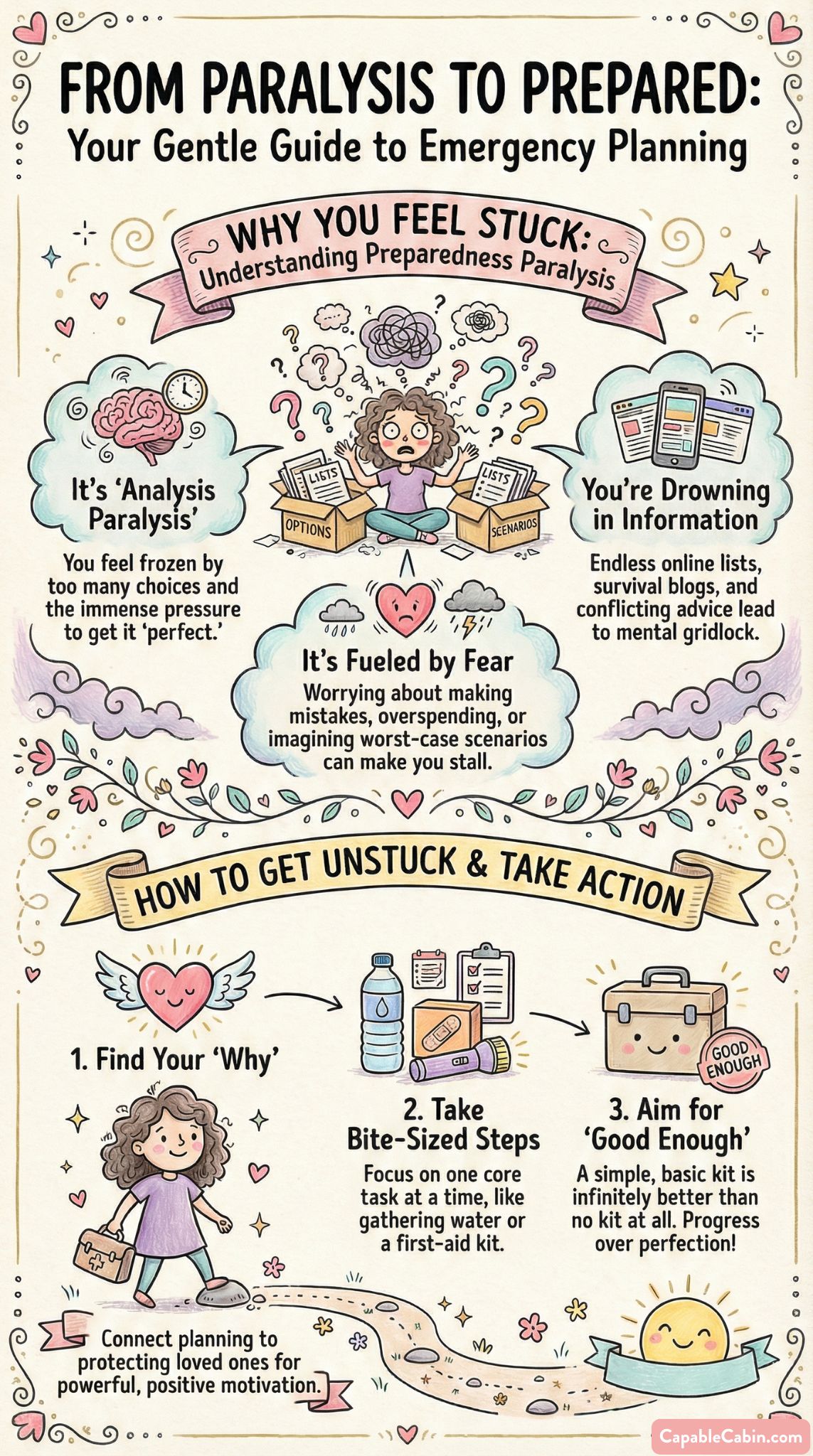
We often think of readiness as something you either do or don’t do—like checking off items on a shopping list. In reality, it’s more of a mindset. Once you view day-to-day life through a slightly more proactive lens, you’ll realize there are countless small opportunities to stay better equipped.
- Learn Basic Skills: Knowing how to purify water, use a fire extinguisher, or treat a minor burn can be invaluable. These skills don’t cost anything once you have them, and you can pass them on to your kids or friends.
- Engage Your Household: Make it a team effort. Get your children excited by assigning them small roles—like being in charge of checking battery levels or helping to restock snacks. Make it fun so everyone feels part of the mission.
- Practice Drills: Whether it’s a fire escape plan at home or a quick “what if the car battery dies” scenario, doing a run-through can help you identify weak spots. You’ll feel more confident, and so will anyone who’s counting on you.
- Keep Learning: If you hear about a hurricane or hear warnings about a chilly winter, avoid ignoring it. Watch short clips from reliable disaster experts, read a blog post, or speak to your local community. The more you know, the more you can adapt.
Shifting your mentality in this way means you’re less likely to forget why you started prepping in the first place—your family’s safety and peace of mind. It also keeps you from focusing too narrowly on any single threat. Emergencies can come in many forms, and an open mind helps you respond with agility instead of shock.
Overcome Common Roadblocks
If you’ve ever thought, “This is too expensive,” or “I don’t have the time,” you’re not alone. Plenty of people want to be prepared but feel overwhelmed or unsure about where to begin. Let’s walk through some of the most common obstacles and how to move past them:
“I’m On A Tight Budget.”
- Start small: Buy one extra can of soup or one packet of batteries each time you shop.
- Revisit your pantry: You might already have items that can double as emergency rations.
- Focus on critical items first, like water and a flashlight.
“I Don’t Have Space.”
- Consider compact solutions, like collapsible water jugs or stackable plastic bins.
- Use small space emergency preparedness tricks—like storing supplies under your bed or behind furniture.
“I Have No Time For This.”
- Break tasks down into 15-minute increments: One day, list what you need. Another day, check your first aid kit. Another day, buy extra water.
- Involve your children or spouse so it becomes a shared project rather than a solo chore.
“Emergencies Won’t Happen Here.”
- Review recent local news: Many emergencies are minor but disruptive (like a water main break).
- Accept that even if your region is blessedly calm, unexpected personal events (like illness or job loss) can occur. Preparedness helps across a variety of life challenges.
“I’m Not Sure Where To Begin.”
- Something as simple as emergency kit vs go bag differences helps clarify your approach.
- Start with the minimal 72-hour blueprint: water, food, and first aid. Add on from there.
By acknowledging these roadblocks, you can tackle them one by one with grace and understanding. No shame, no judgment—just practical, steady steps forward.
Celebrate Your Progress
It’s easy to get lost in the “What if?” scenarios and the never-ending list of items you could buy. Remember to pause and acknowledge each small accomplishment along the way. Did you finally label a storage bin “Emergency Supplies” and load it with flashlights and snacks? Awesome. Did you place an extra bulb for your flashlight right next to it so you won’t have to scramble later? Fantastic. Each step matters and is worthy of a quick pat on the back—or even a little treat.
Why celebrate?
- Motivation: Positive feedback encourages you to keep at it. When you see progress, you realize that you’re not stuck in the planning phase—you’re actually making strides.
- Family Buy-In: Kids especially love recognition. If they see their help turning into real changes around the home, they’ll likely stay excited about the entire process.
- Stress Reduction: Shifting focus from what might go wrong to what’s going right offers a mental boost. It reminds you that, while emergencies can still happen, you’re no longer completely at their mercy.
A great way to mark your progress is to set mini-goals:
- “By next weekend, let’s have a working first aid kit.”
- “We’ll purchase one long-lasting LED lantern this month.”
- “We’ll practice an evacuation plan with the kids before the end of the month.”
Each time you cross a milestone off your list, take a moment to notice that sense of relief. You’re actively investing in peace of mind for yourself and your loved ones.
Keep Moving Forward
Let’s be honest: building a truly comprehensive emergency plan can be an ongoing process. Sometimes you’ll refine your kit after hearing a friend’s “close call” story, or you’ll discover new items that might help secure your home when a hurricane looms. And that’s perfectly okay—preparedness doesn’t have to be set in stone. It’s a dynamic approach that changes with your life.
- Update Seasonally: Different seasons bring different risks, from summer wildfires to winter ice storms. A quick check-in every few months can make a huge difference. If you need more tips on rotating items, check out seasonal emergency supply management.
- Involve Your Kids: As your children get older, their capabilities and interests grow. Let them test the flashlights or decide which snacks go into the kit. This not only teaches them vital skills but also turns awareness into a family tradition.
- Stay Informed: Follow local and reputable national sources for weather updates or health advisories. Sometimes a simple text alert can give you crucial hours to protect your home or grab your kit before you head out the door.
- Embrace Community: Whether through your neighborhood watch or local social media groups, connecting with others about preparedness can fill in your knowledge gaps. You might find a neighbor with a generator-friendly power strip or someone well-versed in special needs emergency preparedness who can share tips.
We’re all on this journey together, and that’s something worth keeping in mind whenever you feel alone in your mission to protect your family. Being prepared isn’t about living in fear—it’s about living with more freedom. Freedom to enjoy each moment without that nagging “what if?” flashing in the back of your mind. Freedom to handle a sudden inconvenience without it blowing up your schedule or budget. Freedom to sleep just a bit more soundly, knowing you and your loved ones are cared for.
Ultimately, the cost of being unprepared can manifest in so many ways: drained finances, late-night worries, frantic scrambles, or health hazards. But you have the power to flip that narrative. Step by step, supply by supply, plan by plan, you’re building a future where you can say, “I’m ready for this,” rather than “Why didn’t I see this coming?” That peace of mind is the biggest payoff of all.
FAQs
Below are a few common questions around preparedness. Let’s dive in:
- “How Do I Store Supplies In A Tiny Apartment?”
A small living space shouldn’t stop you from prepping. Think vertical—shelves in closets, under-the-bed containers, or a single cabinet can do the trick. For tips, you might visit small space emergency preparedness. It’s all about finding creative ways to utilize every nook. - “What If I Can’t Afford A Deluxe Kit Right Away?”
No worries—start small with a budget emergency preparedness kit. Pick up one extra item each grocery trip (a can of soup, a pack of batteries) and watch your supplies grow. A few dollars here and there can bring you a solid safety net over time. - “How Do I Prepare For Medical Conditions?”
If someone in your family has a chronic condition, you might need extra medication or specialized equipment. Make sure you have backups for anything life-sustaining. Check out emergency kit chronic conditions for targeted advice on storing and rotating specialized medical supplies. - “What If My Supplies Expire Before I Need Them?”
It’s a real concern—food, meds, and even batteries can go bad. Label each item with a date and cycle them into your regular household use before they expire. For more specifics, see emergency supplies expiration replacement, which offers tips on replenishing without wasting money. - “Is There A Difference Between An ‘Emergency Kit’ And A ‘Go Bag’?”
Yes. Typically, an emergency kit stays in your home with bulkier items—think water gallons, extra blankets, and canned foods. A “go bag” is more portable, containing quick essentials for evacuation or travel. Emergency kit vs go bag differences clarifies exactly what each should include. - “How Often Should I Check My Supplies?”
Try scheduling a quick review at least twice a year—maybe when you change your smoke alarm batteries. Look for expired items, leaky containers, or items that got borrowed and never returned. Staying on top of it prevents unpleasant surprises.
No matter where you’re starting from, building your emergency plan is a journey. Celebrate each step, adapt as you learn, and remind yourself that you’re making an investment in peace of mind. Chances are, the sense of security you gain will far outweigh the effort spent—and you’ll be able to look at your family, your home, and your own future with a little more calm and a lot more confidence. You’ve got this!