18 DIY Emergency Kit Items You Can Make at Home
When you think about building your own emergency kit, chances are you picture rushing through a store aisle, tossing items into your cart at the last minute. But you can actually round up plenty of DIY emergency kit items on your own, often with things you already have at home. We get it—life is busy, especially when you’re juggling a family or care responsibilities. The great news is that a homemade approach can be both budget-friendly and surprisingly simple.
Below, you’ll find 18 easy ideas for crafting items that come in handy when unexpected situations strike. Whether you’re piecing together a kit for your car, your home, or just an everyday “in case we need it” stash, these suggestions can help you stay prepared without breaking the bank.
Why DIY Matters
It’s not about making everything from scratch just to save a few bucks (though that’s a nice bonus). It’s about tailoring supplies to your family’s needs and ensuring you have exactly what you’ll need in a pinch. When you create your own items, you also learn how they work—so you’ll feel confident using them. And confidence is key in any emergency, right?
If you’re aiming for a more complete setup, you might also want to check out 72 hour emergency kit complete for a broader range of ideas. But first, let’s dive into these 18 do-it-yourself options.
1. Homemade Hand Sanitizer
A solid hand sanitizer can be worth its weight in gold when you’re low on clean water or soap. To whip up your own:
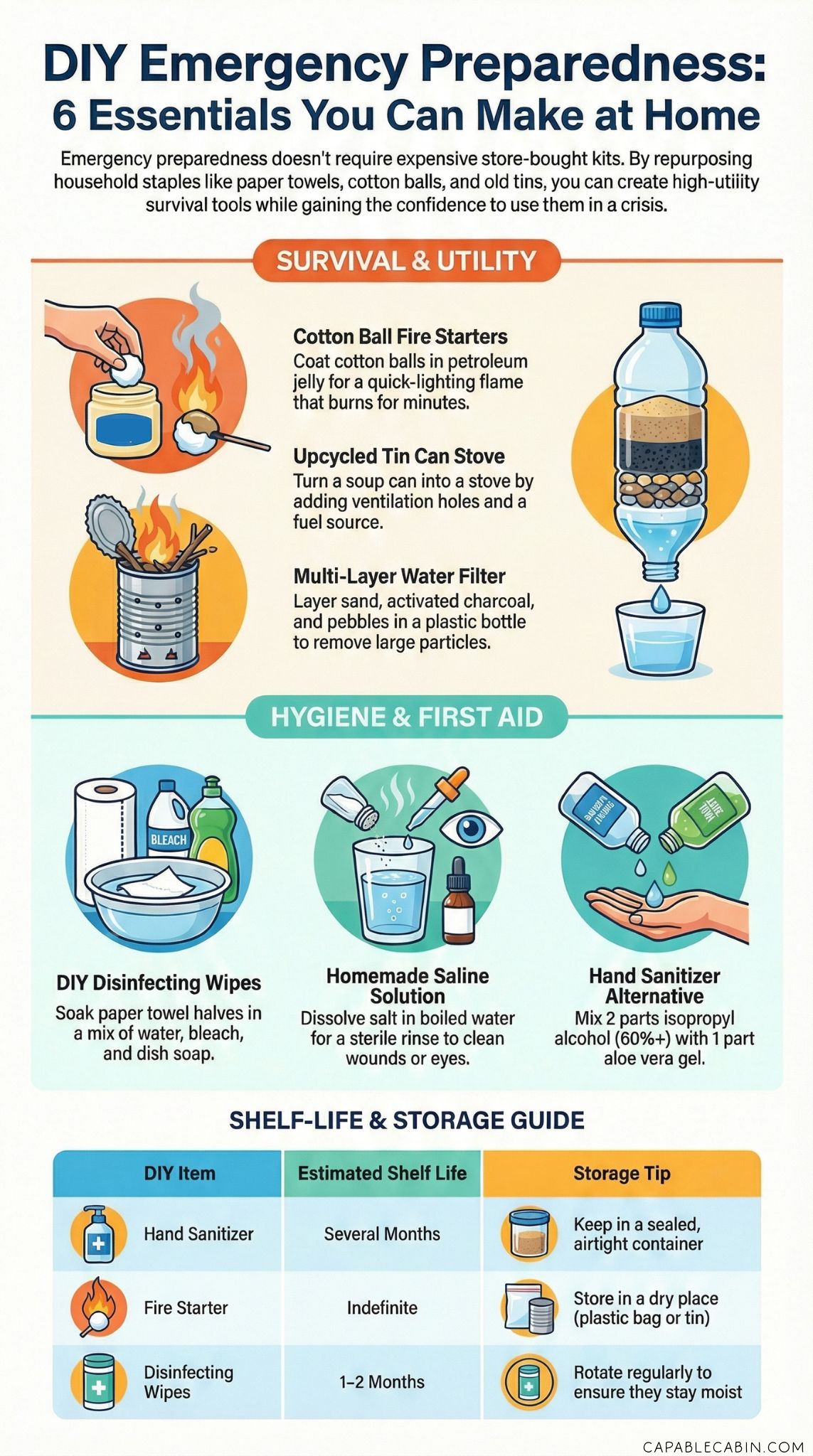
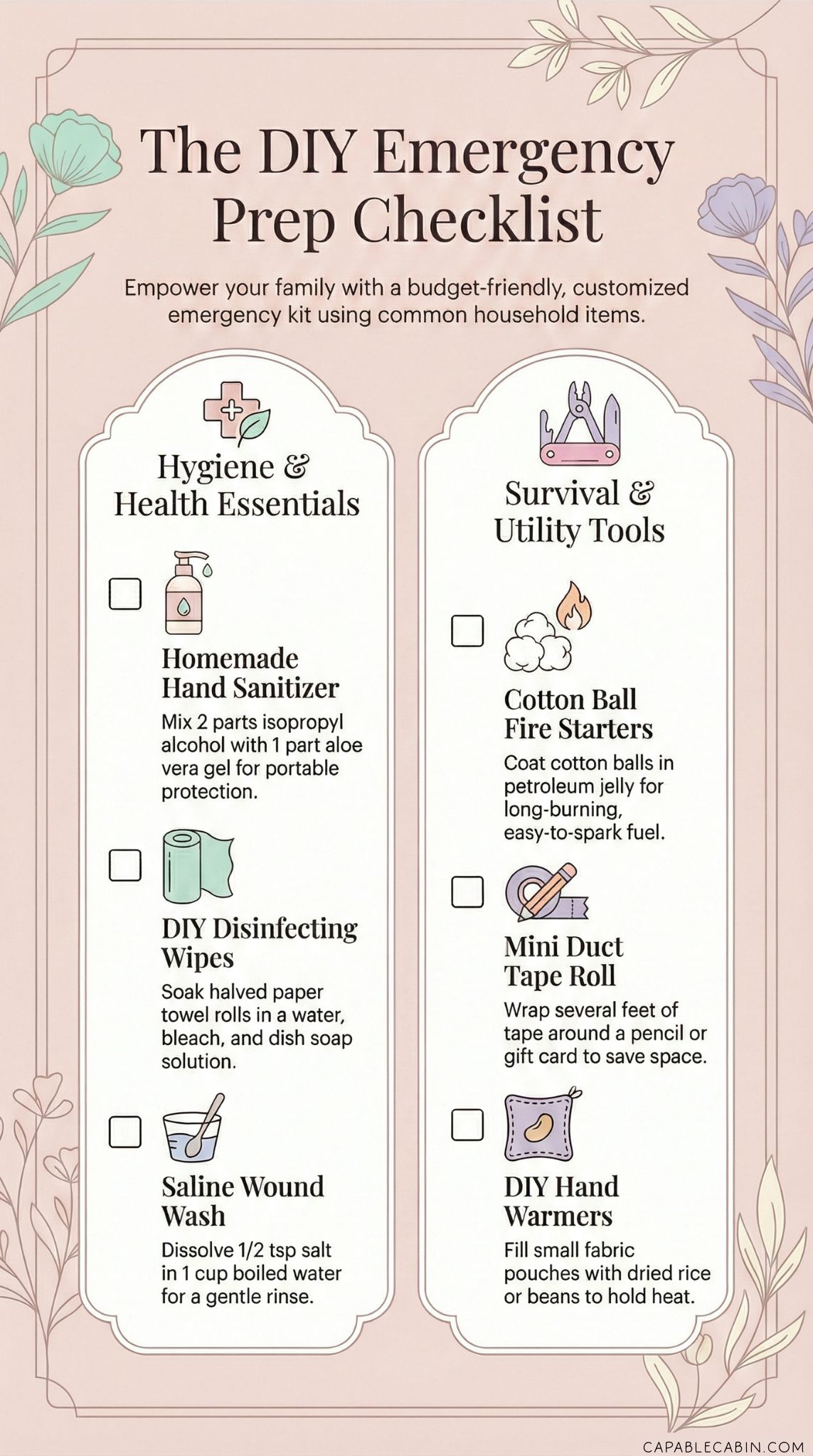
- Mix 2 parts isopropyl alcohol (at least 60% alcohol content) with 1 part aloe vera gel.
- Stir in a couple of drops of essential oil if you’d like a little scent boost.
- Store it in a small, sealable container.
It’s a quick, budget-friendly way to add a protective layer to your kit. Keep it around for when hand washing isn’t possible.
2. DIY Disinfecting Wipes
Commercial disinfecting wipes can be pricy, and they might be hard to find at times. Luckily, you can make your own:
- Grab a roll of strong paper towels.
- Cut the roll in half (so you have two smaller rolls).
- Mix a solution of 2 cups water, 2 tablespoons bleach, and 1 teaspoon of dish soap.
- Place one half-roll in a container, then pour the solution over it.
When you pull the cardboard center out, it usually slides right out, leaving you with handy wipes you can use on surfaces or even your hands in an emergency.
3. Cotton Ball Fire Starters
Sometimes, you just need a quick way to get a fire going (thinking a safe, contained campfire or a cozy wood stove). Cotton ball fire starters help you spark a flame fast:
- Take a handful of cotton balls and coat them lightly with petroleum jelly.
- Store them in a small plastic bag or tin.
They burn easily and last for a few minutes, giving you plenty of time to get kindling going.
4. Reusable Cloth Face Cover
Sure, a medical-grade mask is ideal in serious scenarios, but a homemade cloth cover might do in a pinch:
- Take a clean cotton t-shirt or bandana.
- Fold it into layers and secure it around your face with rubber bands or hair ties on each end.
In lesser emergencies (like kicking up dust, debris, or allergens), it gives just enough protection until you find something more heavy-duty.
5. Mini Duct Tape Roll
It’s not exactly “made from scratch,” but transferring duct tape onto a smaller object can save you space:
- Wrap several feet of duct tape around a pencil or empty gift card.
- Tuck it in your kit—instant fix-it tool for patching tears, sealing containers, you name it.
This little trick is handy for all sorts of quick repairs on the go.
6. Simple Sewing Kit
Loose buttons, tiny tears, or broken zippers can be a big deal if you’re on the move. A small sewing kit is a lifesaver:
- Grab a mint tin or plastic container.
- Place a couple of needles, a small spool of thread, extra buttons, and a few safety pins inside.
Slip it into your bag. It hardly takes up any room, but it’s great for all those little fixes.
7. DIY Water Filter (Temporary)
Clean drinking water is essential. While you should still have larger water storage methods, a small DIY filter is a helpful backup:
- Rinse out a plastic bottle and cut the bottom off.
- Layer it with coffee filters, sand, activated charcoal, and pebbles.
- Run water through it slowly to catch large particles.
Just remember, you’ll likely still want to boil or purify the water after filtering. If you need more tips on storing water safely, check out emergency water storage purification.
8. Homemade Dry Shampoo
Sometimes, emergencies last longer than a day, and your hair will thank you for this one:
- Mix 1 tablespoon of cornstarch with a pinch of baking soda.
- For darker hair, add a bit of cocoa powder to blend more nicely.
- Store in a small, airtight container.
Apply to your roots with a makeup brush, then shake out the excess. It’s not just about feeling clean—it can actually boost your comfort and morale when things get stressful.
9. DIY Emergency Candles
Candles can come to the rescue in power outages or during those times you need light but don’t want to drain batteries:
- Save old candle wax or crayons.
- Melt them down carefully in a double boiler.
- Place new wicks in small heat-resistant containers (baby food jars are great), then pour the melted wax in.
You’ll have homemade candles ready to go whenever light is scarce. If you need more tips for outages, we have a guide on power outage emergency supplies.
10. Liquid Castile Soap Packs
Hospital-grade soap is terrific if you have it, but making small pouches of gentle castile soap is a cinch:
- Dilute castile liquid soap in water (about 1-to-4 ratio).
- Pour it into travel-size bottles, label them, and you’re set for handwashing or cleaning small wounds.
A sturdy soap supply can help you feel more prepared for everyday messes and emergencies alike.
11. DIY Hand Warmers
If you’re stuck somewhere cold or waiting out a storm, homemade hand warmers can be a lifesaver. One simple version:
- Fill small fabric pouches with rice or dried beans.
- Sew them shut (or tie them off).
- To use, heat them near a small fire or warming source (if safe) or even in a microwave if electricity is available.
These may not stay hot for hours like store-bought hand warmers, but they’ll make a chilly moment much more bearable.
12. Homemade Baby Wipes
When you’re caring for little ones, wet wipes can vanish quickly. Make your own stash to keep in your emergency kit:
- Cut heavy-duty paper towels in half.
- In a sealable container, combine 2 cups warm water, 2 tablespoons baby shampoo or gentle soap, and 1 tablespoon coconut oil.
- Place the half-roll in, let it soak, then remove the cardboard core.
They work just like store-bought wipes, and you can customize the formula for sensitive skin.
13. Saline Solution for Wound Care
You want to keep minor wounds clean, so having a saline rinse ready is super helpful:
- Boil 1 cup of water for about 15 minutes.
- Add ½ teaspoon of salt, stir until dissolved.
- Allow the solution to cool, then store in a clean, sealed container.
Use it for gently flushing scrapes, cuts, or even as an eye rinse if needed. Combine it with a first-aid kit for a more complete package—consider checking out first aid medical emergency kit for essentials you don’t want to skip.
14. DIY Water-Resistant Matches
When every match counts, water resistance makes a huge difference:
- Melt wax in a small dish.
- Dip the match heads in the wax and let them cool on wax paper.
- Store them in a sealed plastic bag or container.
If they accidentally get damp, you still have a good shot at lighting them once you wipe off any excess water.
15. Homemade Mini First-Aid Pouch
Got extra pouches or small zippered bags around? Repurpose one into a mini first-aid kit:
- Stock it with bandages, antibacterial ointment packets, alcohol swabs, and gauze in mini sizes.
- Label the bag so you can grab it quickly.
Sure, you might also have a bigger kit at home, but a tiny version is great for purses, backpacks, or stashing in your car or office drawer.
16. Upcycled Medication Organizer
If you have family members who need daily meds, create a backup method to keep track of pills:
- Use an old Altoids tin or small plastic box.
- Label each section with the medication name and dosage.
Having a few days’ supply on hand can be a lifesaver if it takes time to get refills or if weather or crises block pharmacy access. For more ideas on storing medication safely, you could look into emergency kit chronic conditions.
17. DIY Paracord Keychain or Bracelet
Paracord can do so many things: tying up shelters, securing gear, or even acting as a makeshift clothesline:
- Take a length of paracord, fold it in half, and start knotting or braiding it into a bracelet or keychain.
- Finish it off with a simple buckle or key ring.
- When emergencies arise, unravel it to use the cord in any way you need.
It’s another small, packable item that offers a surprising amount of utility.
18. Repurposed Tin Can Stove
If you’re ever in a pinch and need a quick cooking solution:
- Grab a clean, empty tin can (like from soup).
- Cut a few ventilation holes near the bottom.
- Place a small fuel source (like charcoal briquettes or even your cotton ball fire starters) inside.
- Use tent stakes or a sturdy metal grill piece on top to hold a pot or pan.
It’s not a luxury stove, but it’ll help you boil water or heat food if you’re stuck without power.
Wrapping Up Your DIY Kit
Collecting these homemade items doesn’t have to be a chore. Pick a weekend and tackle a few at a time. You’ll quickly build a personalized safety net that fits your lifestyle. If you want to go even further, consider adding store-bought essentials like batteries, flashlights, or medication in sealed containers, or explore how to develop a more long-term supply by checking out home emergency supply system.
The main thing? Don’t let the fear of emergencies hold you back. You’ve got this. Every step you take to prepare—even if it’s just gathering a few items from around the house—helps you feel a little more secure. In the long run, a little effort now can save you a lot of stress when life throws the unexpected your way.
FAQs
Below are a few common questions folks often have about putting these items together. We’re all in the same boat, so let’s talk it through, friend to friend.
- What if I can’t find certain supplies?
Sometimes you’ll need a specific ingredient like activated charcoal or aloe vera. If you can’t find them locally, consider online options or ask a neighbor or friend. Or simply move on to another DIY project on the list. Every little bit helps. - Which of these items should I prioritize?
It depends on your family’s biggest concerns. If staying clean is key, start with the sanitizer and wipes. If you’re worried about staying warm, focus on fire starters, hand warmers, and a tin can stove. You know your needs best. - How long can I store these DIY items?
Most of these are made from everyday materials, so think of them like pantry or household staples. For instance, homemade hand sanitizer can last for several months if kept in a sealed container. Fire starters, like wax-dipped cotton balls, can last indefinitely if stored in a dry place. - Do I still need a store-bought emergency kit?
Store-bought kits can be a fantastic baseline, especially if you want a quick all-in-one set. But pairing them with homemade items often means a more thorough and customized setup. If you have the time, do both. - Any tips for storing homemade items safely?
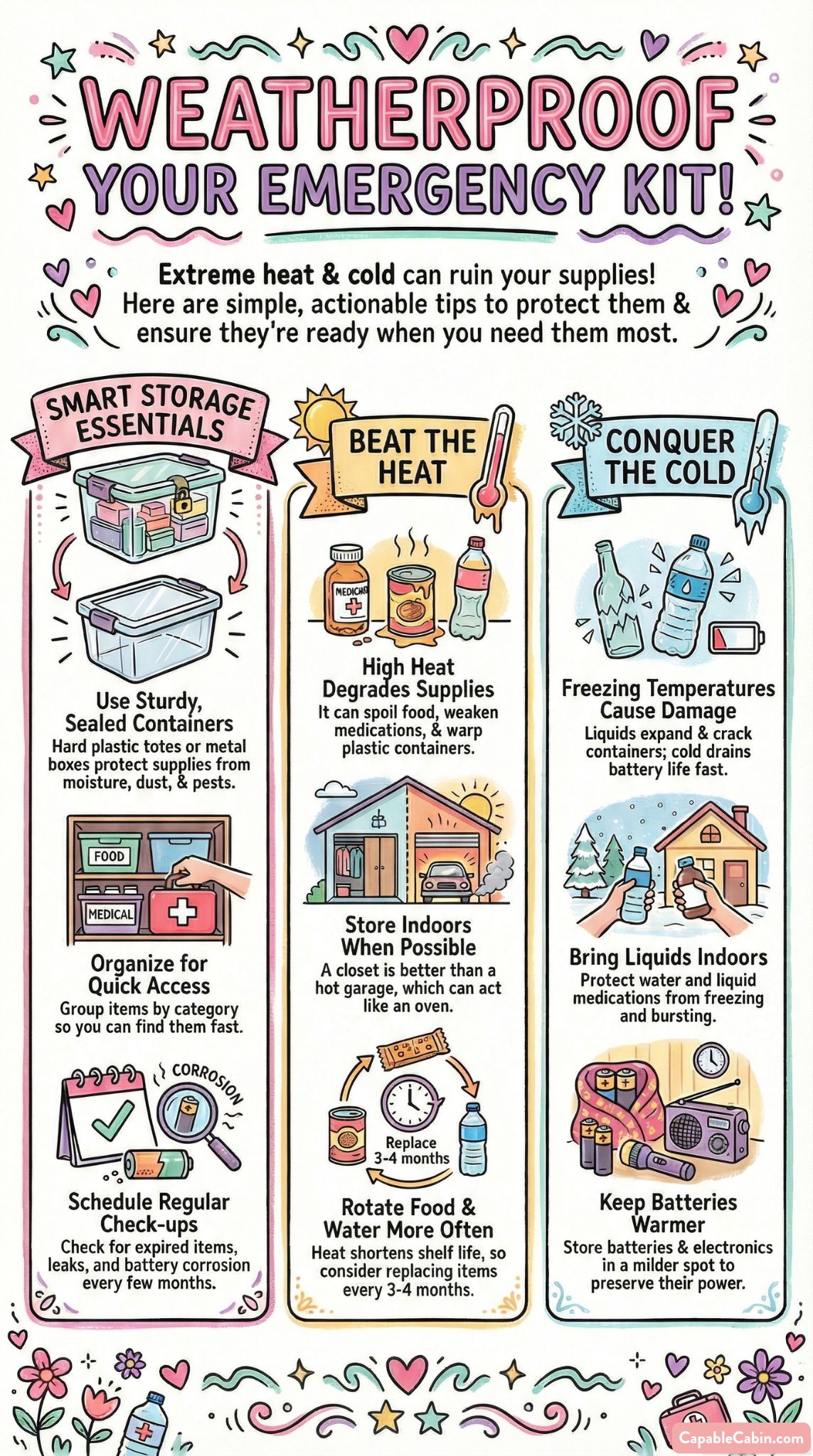
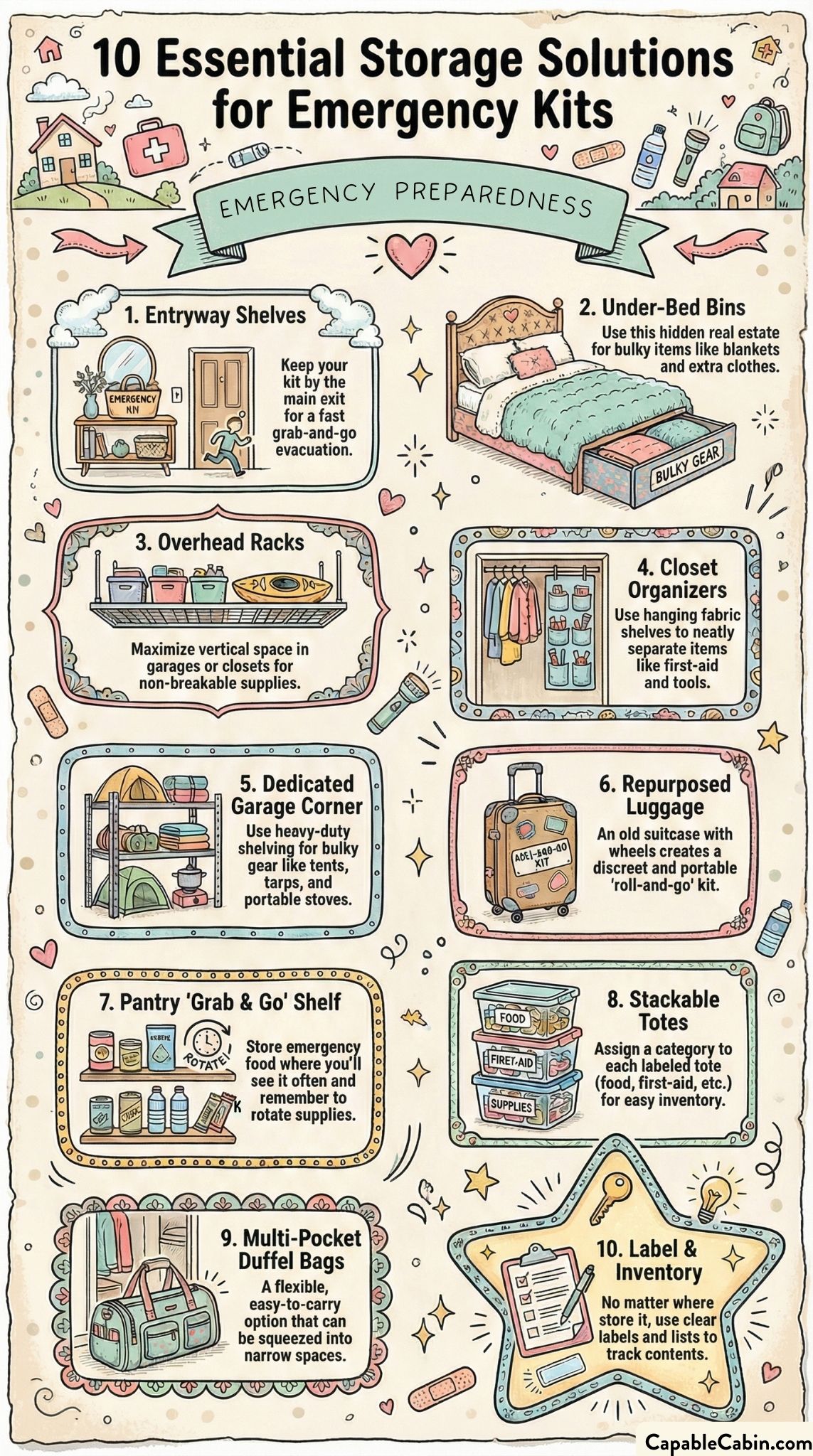
Keep them in sealed plastic or metal containers, especially if water damage is a concern. Label everything, so you don’t forget what you made or when you made it. And try to rotate items—like lotions or disinfecting wipes—every so often to make sure they stay fresh.
With these 18 DIY emergency kit items, you’re well on your way to building a versatile kit without swinging by the big-box store every time you sense an emergency looming. Little by little, you’ll gather what matters, and that know-how will keep you confident when times get tough. Remember, we’re doing this together, one homemade solution at a time. Stay safe, and keep going—you’ve got this!