17 Emergency Kit Must-Haves for New Parents
Ever find yourself rummaging for a clean diaper in the middle of the night, only to realize your supply just ran out? As a new parent, life can be hectic enough without an unexpected storm or power outage making things even trickier. That’s where an “emergency kit new parents” strategy comes into play. With a little forethought, you can have peace of mind knowing that, come what may, you’ll have a stash of essentials ready to keep your baby comfortable, healthy, and safe.
I’m not talking about some doomsday bunker. Think of this more as a practical toolbox for everyday life, plus those moments when the unexpected knocks. It’s natural to feel overwhelmed—you’ve got enough on your plate. But trust me, setting up a kit is simpler than you might imagine, and the payoff is huge. A well-stocked kit means fewer worries during sudden emergencies and more confidence in your ability to care for your little one. Let’s walk through 17 items every new parent should have in their emergency bag.
Pack Diapers And Wipes
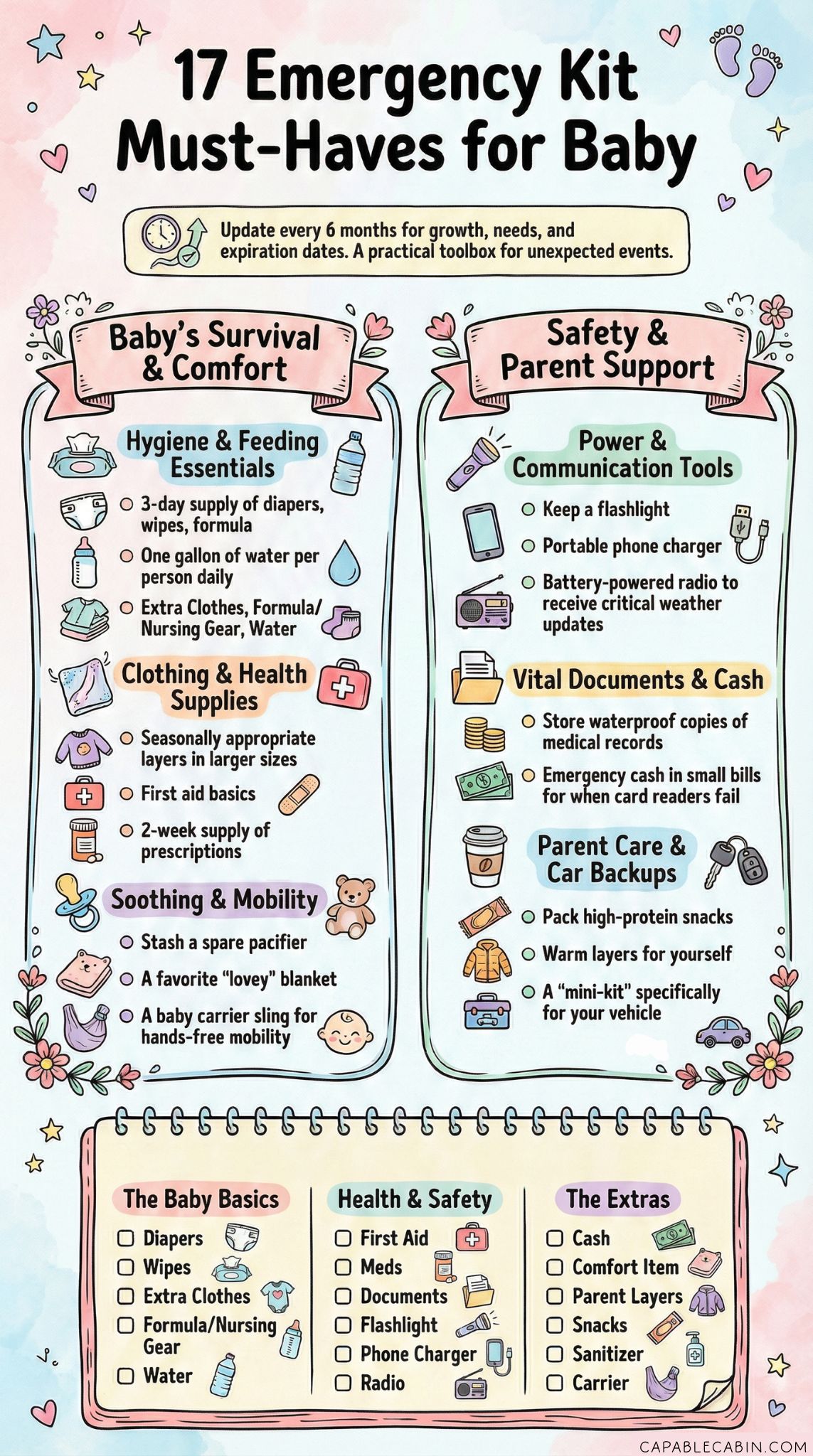
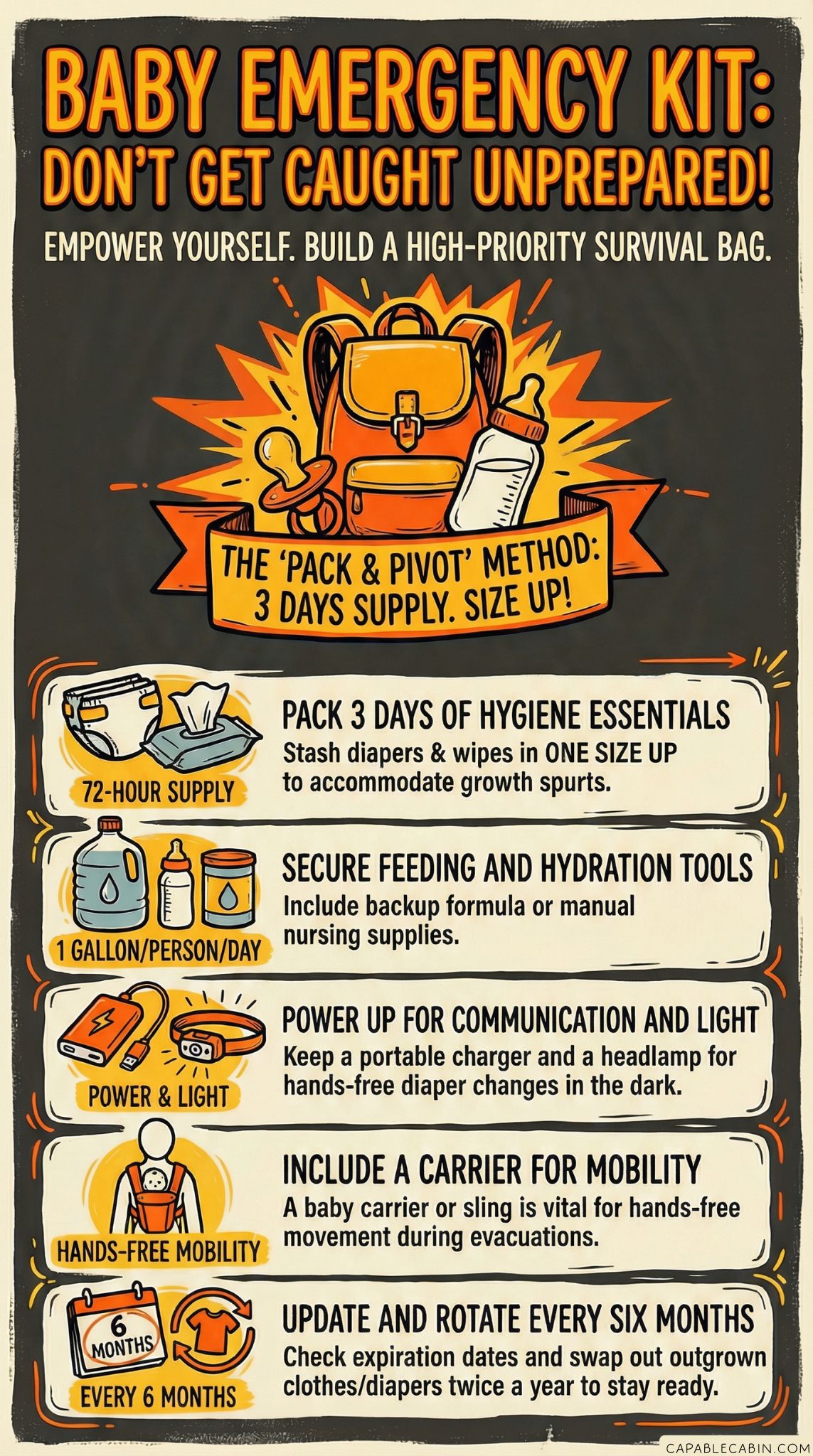
Let’s face it, diapers are your number one must-have even under normal circumstances. Run low in an emergency, and you’ll be even more stressed than you already are. Aim to keep at least a three-day supply of diapers stashed away, plus plenty of wipes. You never know when your regular routine might get disrupted by a sudden snowstorm, flooded roads, or just an unexpected power outage.
If you can, store a range of diaper sizes because babies grow quickly. You don’t want to scramble if you discover the newborn diapers you packed no longer fit your baby’s newly chubby legs. Also, remember to keep small plastic bags for garbage and soiled diapers. Bonus tip: Wipes aren’t just for diaper changes. They can freshen up sticky hands or wipe down surfaces when you can’t get to a sink. Providing a generous stash for your kit makes a world of difference in stressful moments.
Include Extra Baby Clothes
You know that feeling when your baby spits up or has a leaky diaper the moment you dress them in fresh clothes? That’s daily life. During an emergency, though, you might not have quick laundry access. That’s why having extra clothing in your kit is vital. Pack a couple of sets in a size or two larger than your baby’s current wardrobe, so they won’t go to waste if your baby has a growth spurt.
Aim for seasonally appropriate layers. If the nights get chilly, keep a few warm outfits, socks, and a small hat in your stash. If you live in a warmer climate, breathable onesies might be enough. You’ll rest easier knowing you can swap out a messy outfit fast, without turning your place upside down looking for an extra onesie. Toss a few resealable bags in there too—great for sealing off soiled clothes until laundry day rolls around.
Keep Formula Or Nursing Supplies
Feeding time can feel constant in those early months, so don’t let a crisis throw off your baby’s routine. If you’re formula-feeding, pack a few cans of your preferred brand. Check expiration dates and size up when necessary to match your baby’s growing appetite. Add spare bottles, nipples, and a small bottle brush (if you have room) for easy cleaning.
Breastfeeding? A manual pump, nursing pads, and nipple cream can be game-changers. Sometimes emergencies disrupt your usual routines. Having tools on hand to pump and store milk helps if you get stuck somewhere or if stress affects your baby’s feeding schedule. A hungry or fussy baby can make a difficult situation feel overwhelming, so staying ahead on feeding essentials is a major relief for everyone.
Store Safe Drinking Water
Water may not be the first thing you think of when wrangling a newborn, but it’s key for everyday tasks like mixing formula and staying hydrated yourself. Plan on having about one gallon per person per day, and keep in mind you’ll need extra if you’re preparing bottles. Space can be an issue, so consider small sealed pouches or water purification tablets if you’re short on storage.
Remember to rotate your water supply every few months so it stays fresh. You can also look into our tips on emergency water storage purification if you want to expand your options. Water is something you take for granted—until the faucet isn’t reliable anymore. You’ll definitely thank yourself later when clean water isn’t as easy to come by.
Stash Non-Perishable Snacks
While your baby’s nutrition is front and center, don’t overlook your own hunger. Emergencies are exhausting, and you’ll need energy to care for a little one. Tuck some granola bars, dried fruit, or trail mix into your kit. Shelf-stable items that don’t require cooking will save you hassle if the power is out or your stove isn’t accessible.
Try to pick foods with a good balance of protein, carbs, and healthy fats. The last thing you need is to feel lightheaded from hunger while juggling a fussy baby. For plenty of cost-friendly meal ideas, swing by our budget emergency preparedness kit. After all, it’s hard to focus on your baby’s needs when your own stomach is growling.
Gather First Aid Basics
Minor scrapes, fevers, or allergic reactions don’t care if you’re in the middle of a storm or blackout. That’s why it helps to have a basic first aid kit within arm’s reach. Stock up on bandages, adhesive tape, antibiotic ointment, tweezers, and a digital thermometer. Don’t forget pain relievers suitable for both adults and children.
If your baby’s teething or prone to diaper rash, toss in the appropriate creams. Make sure you also have a small manual or reference card explaining dosages for any over-the-counter meds. Accidental guesswork isn’t something you want to deal with when your mind is already spinning. Having a neat, organized first aid pouch can quickly turn a panicked moment into something manageable.
Bring Medications And Prescriptions
If your family relies on prescription meds, running out at the exact moment roads are flooded or the pharmacy’s closed is a nightmare. Keep an extra supply of critical medications in your kit and rotate them regularly so they don’t expire. Label everything clearly, too—you don’t want to waste time digging through unlabeled bottles when somebody needs relief.
For babies with special medical needs, be extra vigilant. That might include gas drops, colic medication, or anything else that soothes common infant discomforts. Life is unpredictable, so having a small backup stash buys you some breathing room. Include a list of your healthcare providers and their phone numbers in case you need emergency refills or advice.
Secure Key Document Copies
Paperwork isn’t thrilling, but it’s essential. If you ever need to evacuate or prove where you live, documents like IDs, insurance information, vaccination records, and medical histories save you big headaches. Seal them in a watertight pouch or container. You might also store digital backups on a password-protected USB drive as an extra layer of protection.
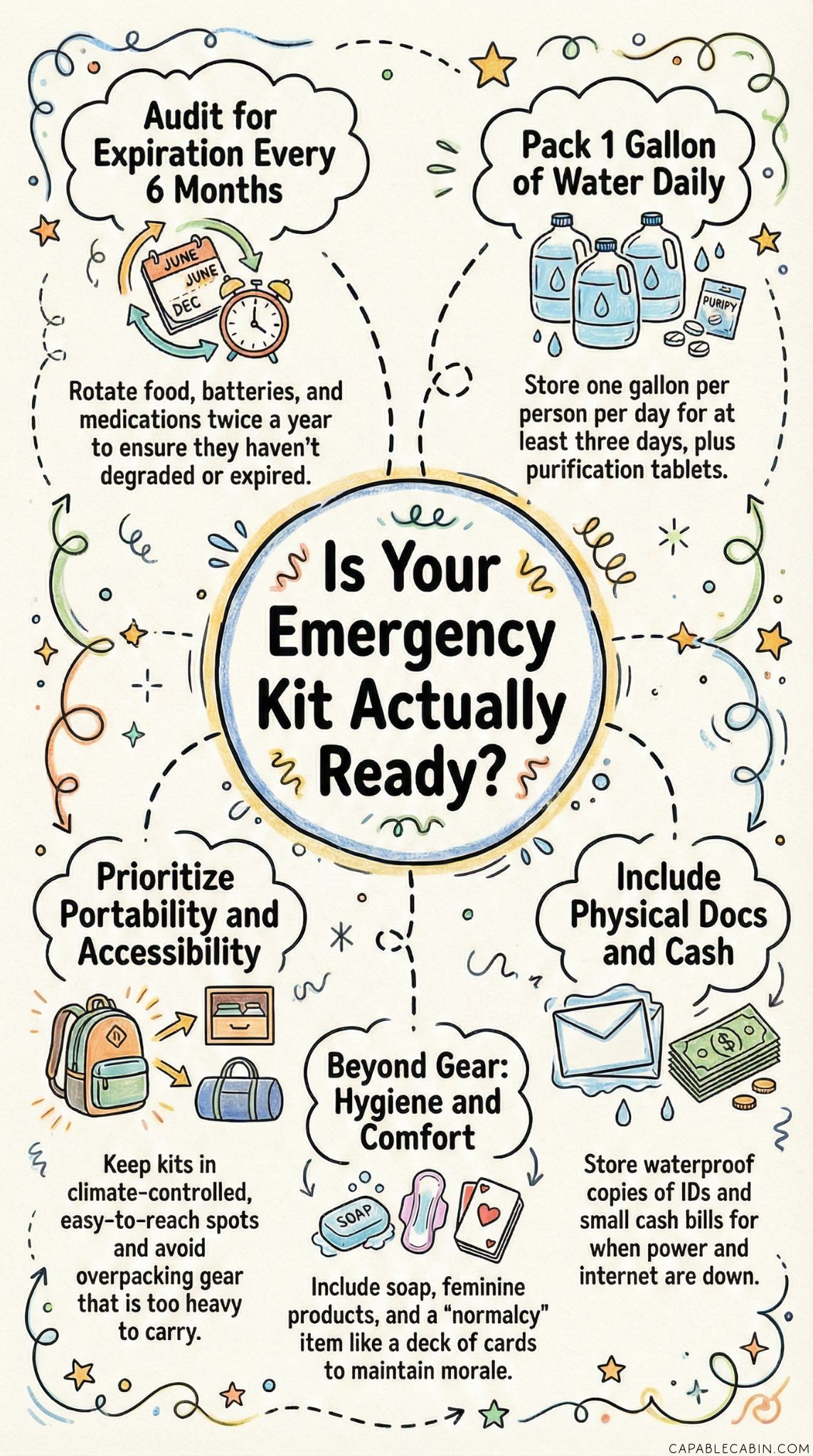
Don’t let these documents become outdated. Review them every six months— the same time you update diaper sizes and formula stocks. If something major changes, like new insurance or a name change, swap in updated prints right away. During a stressful event, having quick, easy access to the right paperwork keeps you from piling a bureaucratic crisis on top of your current emergency.
Carry Flashlights And Batteries
Picture changing a diaper by candlelight or stumbling around in the dark trying to plug in a bottle warmer. Not ideal, right? When the lights are out, a good flashlight can seriously save the day. It’s not just about lighting hallways—it’s about creating a safer, more comfortable environment for your entire family.
Keep extra batteries on hand, still in their packaging so they stay fresh. If rechargeable flashlights are your thing, then store a backup power bank. Headlamps can also be a fantastic option, giving you hands-free brightness. Even if you think your phone’s flashlight app will do, phone batteries die fast. It’s good to have a dedicated light you can count on.
Use A Portable Phone Charger
Your phone is your link to the outside world—emergency updates, calls to relatives, entertainment during stressful downtime, you name it. But if the power’s out all around you, how will you keep your phone alive? That’s where a portable charger or power bank comes in. Choose one that can fully charge your phone two or three times.
Don’t forget to charge the charger! It’s easy to stash it away and forget until the lights go out. Also, consider solar-powered or hand-crank chargers if you want extra flexibility. We rely on our phones for just about everything, so ensuring you can power yours up is a top priority in any emergency preparedness plan.
Keep Some Emergency Cash
In an era of tap-to-pay and online banking, actual cash might feel old-school. But when power lines are down, card readers and ATMs stop working too. Having some small bills stowed in a waterproof envelope gives you quick buying power if you need gas, food, or basic supplies at a time when digital payments can’t go through.
Think about how much you might need if you’re stuck without card access for a few days: transportation costs, groceries, or a motel room. You don’t have to stockpile a fortune—just enough for immediate needs. It’s surprising how often we overlook this, only to realize later that the local convenience store “cash only” sign pops up right when we need diapers.
Provide A Comfort Item
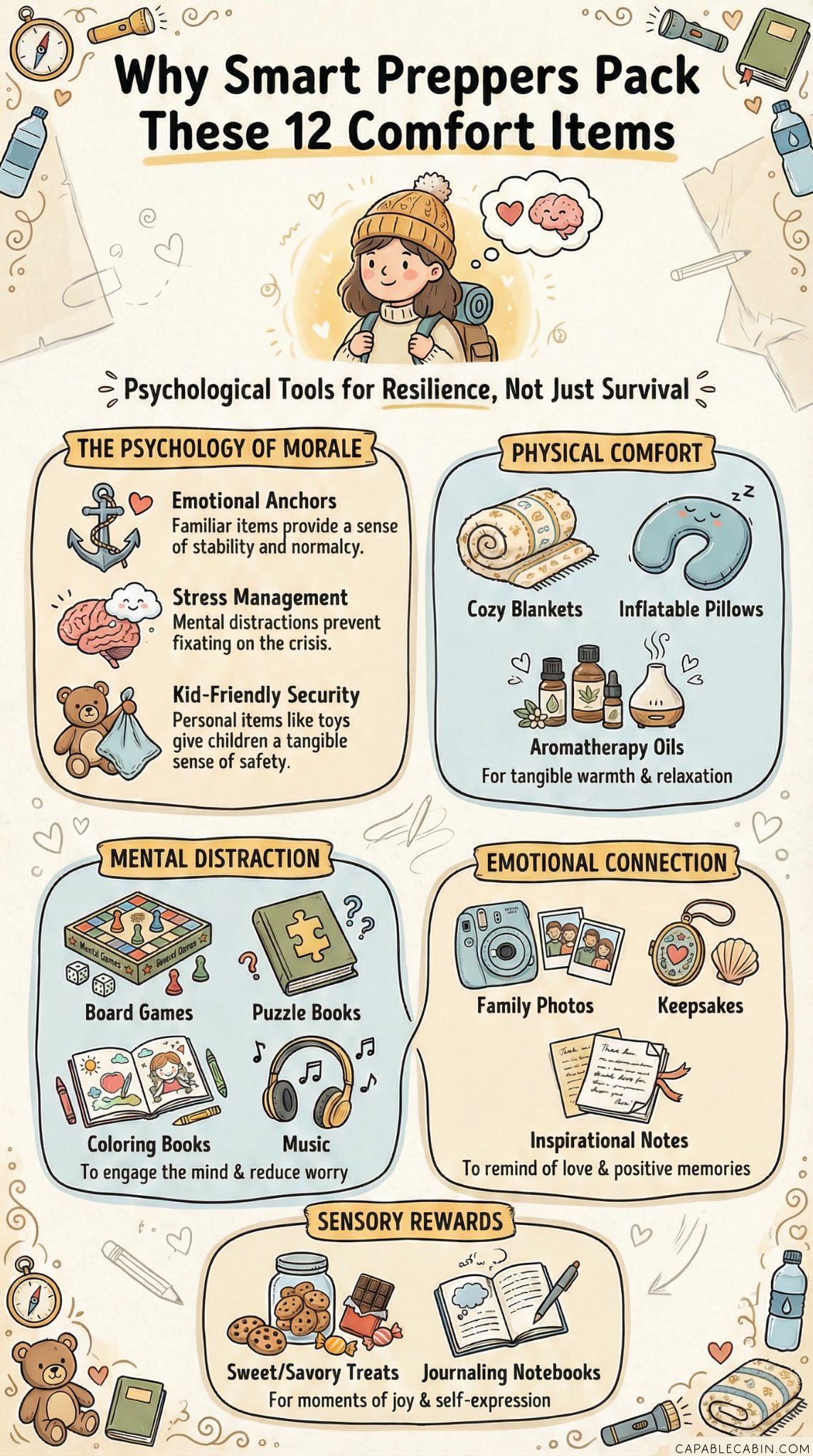
Babies pick up on tension, so a little comfort can go a long way. That might be a favorite blanket, a stuffed animal, or a soothing lovey they’re used to holding. Keeping their emotional well-being in mind doesn’t just help them sleep better. It also eases your stress when you see your baby calm and content, even if everything else feels loud and chaotic.
You might also toss in a spare pacifier. Babies aren’t exactly known for politely handing them back when they drop on the floor. Plus, in a crisis, you can’t always boil water or flush it under a faucet to disinfect if one gets dirty. Having a spare or two saves the day. It may sound small, but comfort items can help maintain a sense of normalcy.
Prepare Warm Layers For Parents
Taking care of your baby makes you the MVP, but you can’t perform if you’re shivering. Keep a fleece, light jacket, or thermal shirt in your kit—something that’s easy to grab if you need to brave cold or inclement weather. Don’t underestimate a good pair of socks or gloves if temperatures dip at night.
A warm parent is a functional parent. If you get stuck outside in bad weather or in an unheated space, the last thing you need is to freeze while you’re already juggling baby care. Consider a small, fold-up blanket, too. It doubles as a nursing cover, extra warmth, or even a makeshift seat if you need to sit on cold floors or benches.
Remember Hand Sanitizer And Soap
Hand sanitizer is a quick, no-water fix for stressed-out parents who can’t always find a sink. It keeps germs at bay, and germs love to spread when you’re handling newborns in less-than-ideal conditions. With a baby, you’re constantly dealing with feedings, diaper changes, and general messes. Having a mini hand sanitizer bottle in your kit can really help keep your family healthy.
Still, if you have space, liquid soap is a strong backup. Sometimes you need a thorough wash—for baby bottles, utensils, or your own hands after icky tasks. Emergent situations can quickly escalate into hygiene issues. By staying prepared, you reduce the chance of infections or illnesses making a tough moment worse.
Add A Baby Carrier Sling
One of the biggest challenges in any crisis is mobility. If you need to evacuate in a hurry, navigate dark corridors, or carry supplies from point A to point B, a baby carrier leaves your hands free. Pick a style you’re already comfortable using. Emergencies aren’t the best time to test out a new wrap or sling, especially if you’re feeling frazzled.
Check that your carrier fits your baby’s current size and weight. Babies outgrow carriers faster than you might think. If your child is nestled close to your chest, they’ll often stay calmer, and you can move more confidently. It’s a major win-win that can make all the difference if you find yourself in a crowded shelter or climbing stairs during a power outage.
Maintain Battery-Powered Radio Access
Information is gold in an emergency. You need to know which roads are open, whether there’s an evacuation order, or how long a storm is expected to last. Phones and internet connections can vanish when cell towers go down or you lose power. That’s when an old-fashioned battery-powered (or hand-crank) radio saves the day. It’s often the most reliable way to hear official news broadcasts and weather updates.
If your radio runs on batteries, store extra sets in a separate bag so they don’t accidentally corrode inside the device. Some radios also have solar panels or hand cranks, letting you tune in even if you run short on battery power. You’ll stay more informed and make better decisions for your family’s safety.
Prep Car Emergency Essentials
You’ve probably noticed you spend a lot of time driving as a new parent, whether it’s grocery trips, pediatric visits, or meeting up with friends. Emergencies can happen just about anywhere, including on the road. Keep a small stash of diapers, wipes, extra clothes, and a few non-perishable snacks in your car trunk. You never know when you’ll get stuck in a traffic jam or face unexpected storms.
Pair that setup with jumper cables, a small toolkit, and first aid supplies for the grownups. If you want to go all-in, check out our vehicle emergency kit for your family. That kit covers more ground than basic jumper cables. Being prepared on the go gives you extra peace of mind. After all, you don’t want to rely on luck when you have a little one in tow.
Wrap It All Up
Building an emergency kit as a new parent isn’t about bracing for doomsday. It’s about reclaiming a sense of control in a world that can feel unpredictable. Every item you place in your kit is one worry lifted from your shoulders. Whether it’s a tiny blackout or a significant weather event, you’ll be ready to keep your child safe and comfortable.
Over time, keep updating your kit. Diapers will need new sizes, and feeding routines may change as your baby grows. If you want to go deeper into a broader household plan, you can explore our family emergency preparedness kit. Giving yourself and your baby a cushion of preparedness isn’t just for huge disasters. It offers everyday peace of mind, so you can spend more energy soaking up each precious moment with your newest addition.
Cabin Chat
- Q: How often should I update my baby’s emergency kit?
A: Check every six months. Babies grow fast, so clothing, formula, and even diaper sizes can change quickly. Also remember to rotate out expired items like snacks or medications. - Q: Can I just share a kit with an older child?
A: Some items can overlap, like flashlights or a first aid kit, but a newborn has unique needs such as diapers and formula. Keep those infant essentials in a dedicated section so you can grab them fast. - Q: What if I’m on a tight budget?
A: Start with must-haves like diapers, wipes, and water, then build it up gradually. Also swing by our emergency kit mistakes avoid page to make sure you’re not spending extra on unnecessary items. - Q: Should I keep a fully stocked kit at home and in the car?
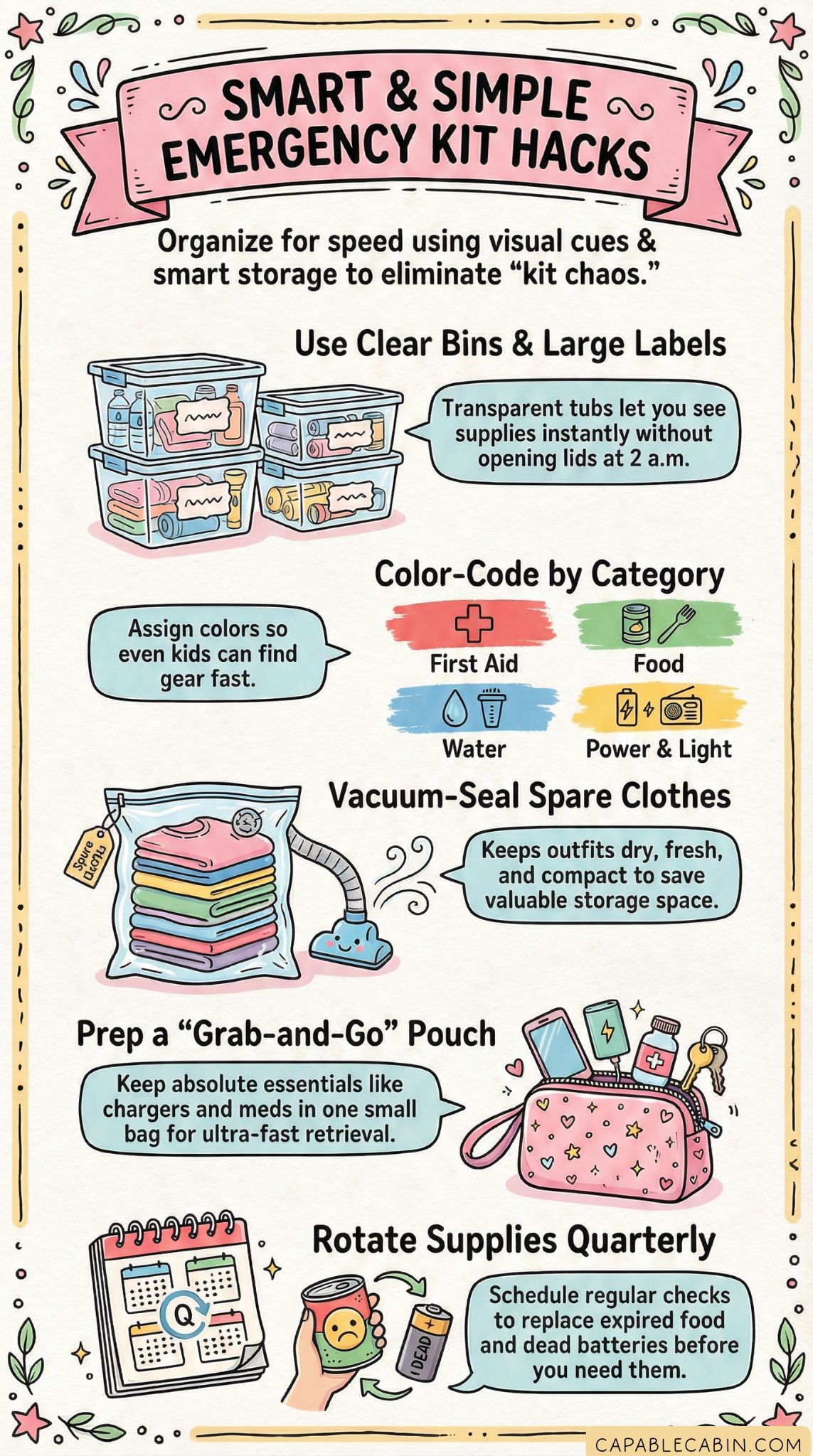
A: Ideally, yes. Emergencies happen anywhere, and having basic supplies in the car ensures you’re never stranded without diapers or first aid. You can simplify car items if space is limited. - Q: Do I need separate kits for myself and my partner?
A: You can combine supplies, but make sure to have enough for both of you. If you often travel separately, consider smaller individual bags so no one is caught without baby essentials. - Q: What if we have limited storage space?
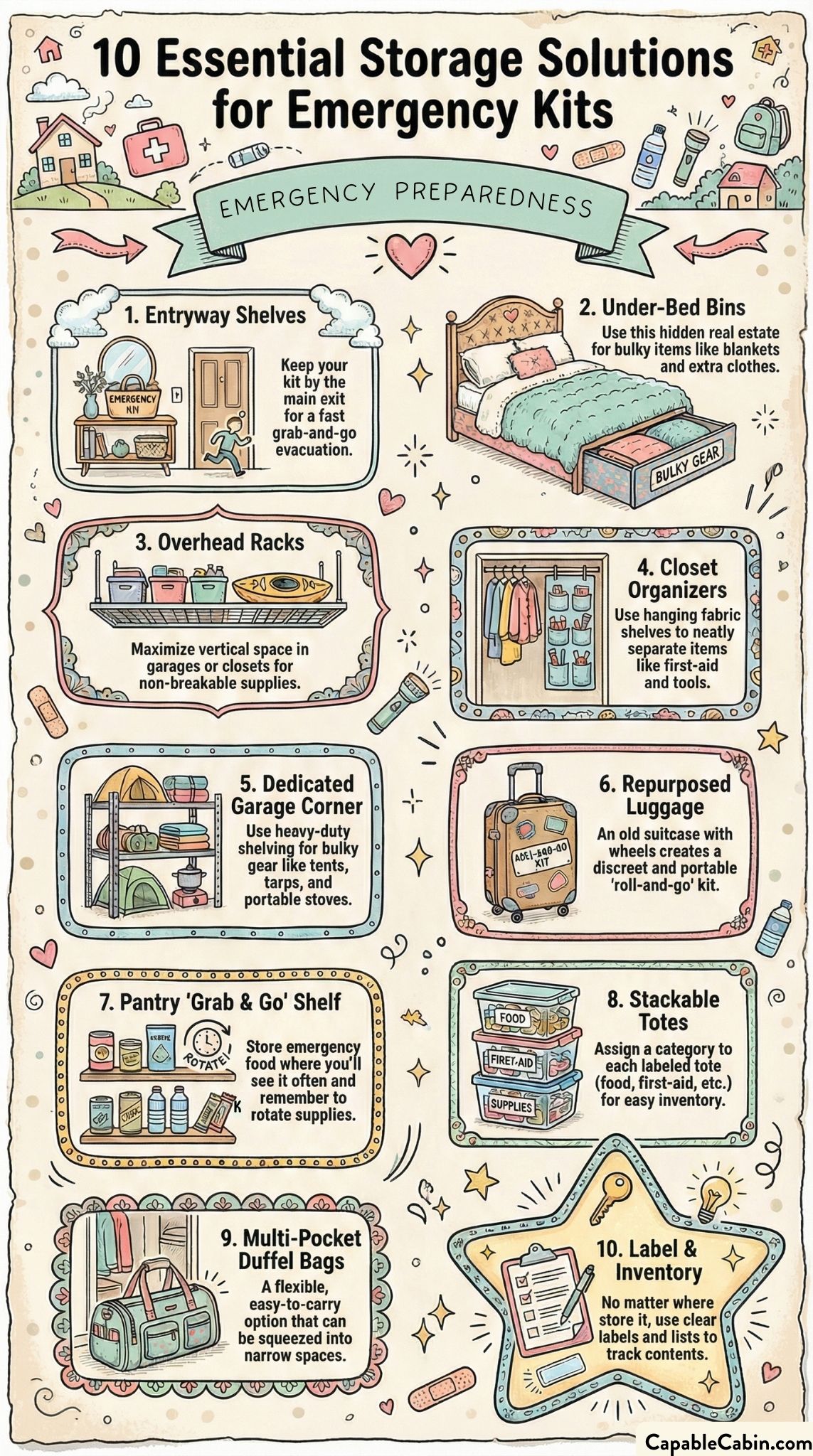
A: Multi-purpose items are your friend, like a blanket that can double as a cover or mat. You could also check out our tips on small space emergency preparedness. Stacking storage bins or using corners under beds can often free up more room than you think.