Why Emergency Planning Feels Overwhelming And How to Fix That
Understanding Your Overwhelm
Ever feel like emergency planning feels overwhelming, as if you’re staring at a giant mountain of “what-ifs” with no map in hand?
I totally get it.
Between busy mornings, after-school pickups, and juggling work calls, carving out time for family preparedness can feel like adding one more endless chore to your list. That being said, knowing why it feels daunting is the first step toward taking charge and turning that knot in your stomach into calm confidence.
When you think of emergency planning, your mind might race to natural disasters, home break-ins, or medical crises—all heavy topics that demand serious attention. Add budget concerns or unanswered questions about where to start, and it’s easy to see why so many of us hit pause.
But here’s a truth you can hold onto: you don’t have to build a bulletproof plan overnight. By breaking it down and leaning on simple strategies, you and your loved ones can face the unexpected with more peace of mind than you ever thought possible.
Identifying Key Stressors
Let’s talk about the root causes of that sticky feeling in your gut. When emergency planning feels overwhelming, it often comes down to these common stressors:
- Too Much Information It’s easy to get lost online amid checklists, expert tips, and safety blogs.
- Unclear Roles Who does what when the alarm sounds? Without clear tasks, everyone stops.
- Time Crunch You’re already racing the clock every morning. Finding extra hours seems impossible.
- Budget Worries Stocking up on supplies can feel expensive, especially if you’re watching every dollar.
- Emotional Weight Imagining worst-case scenarios can trigger anxiety instead of action.
Here’s a thought… once you name these pain points, you can tackle each one one by one. No judgment, no shame—just a realistic look at what’s tripping you up so you can clear a path forward.
Breaking Planning Into Chunks
Trying to plan everything at once is like attempting a marathon before learning to jog. Instead, let’s break this down into bite-sized steps:
- Pick One Task Per Weekend
Decide on a small goal—like gathering a week’s worth of nonperishable snacks. You might even check out our weekend emergency planning tasks for inspiration. - Set a Calendar Reminder
Schedule 15–20 minutes each week for planning. Treat it like a coffee date with yourself. - Celebrate Completion
Finished creating a simple contact list? Great, that deserves a high-five (or a cup of tea).
We’re all in this together, and momentum builds when you clear one tiny hurdle at a time. Suddenly, what felt like an endless to-do list turns into a series of quick wins.
Building A Basic Emergency Kit
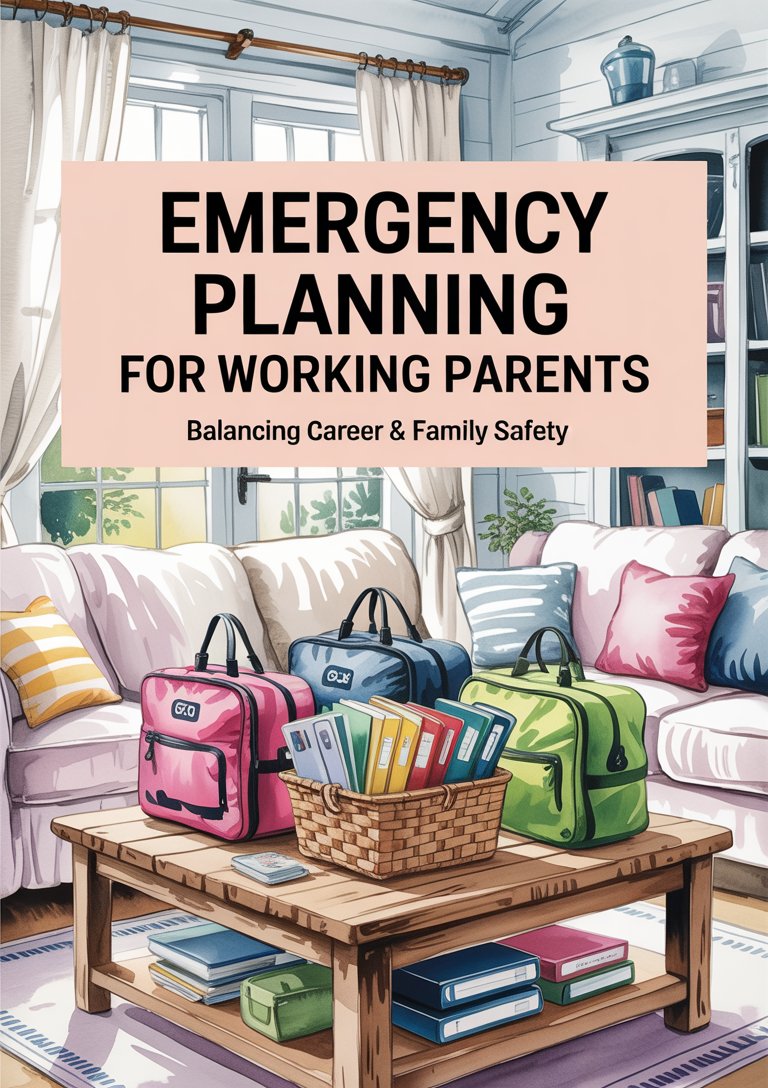
Here’s the fun part—assembling tools that can help you sleep a little easier. Think of your emergency kit as a go-bag of essentials you probably already own or can pick up inexpensively:
- Water (one gallon per person per day for at least three days)
- Nonperishable foods (canned goods, energy bars, dried fruit)
- Basic first aid supplies and any prescription medications
- Flashlight with extra batteries
- Copies of important documents in a waterproof pouch [1]
- Multipurpose tool (think pocket knife or Swiss Army knife)
- Phone charger and portable power bank
That being said, there’s no need to buy a million gadgets. Start with what you’ve got, then add one small item each time you pick up groceries. Before you know it, your kit is ready without blowing your budget.
Engaging Your Family
Planning becomes a lot less scary when everyone knows their part. Here are a few friendly ways to bring your loved ones on board:
- Family Chat Over Dinner
Share why you’re building a plan—link it to safety, fun, or peace of mind. - Assign Roles
“Alex, you’re on flashlight duty. Sam, you pack the snacks.” - Practice Together
Run through a simple drill in five minutes flat—see how quickly everyone gathers at your meeting spot [2]. - Make It Kid-Friendly
Turn tasks into a scavenger hunt: find three items needed for your kit, mark a spot on the family map, and draw emergency routes.
Trust me, when kids and teens help shape the plan, they feel empowered instead of scared. And you’ll all know exactly what to do if the unexpected strikes.
Budget-Friendly Strategies
Worried about costs? You don’t need a big budget to plan effectively. Try these cost-savvy tips:
- Repurpose What You Own
Canned foods from your pantry, an old backpack for your go-bag, and a reusable water bottle. - Shop Sales and Coupons
Stock up on batteries or first aid supplies during seasonal sales. - Buy in Bulk with Neighbors
Split a box of energy bars or a case of bottled water with another busy family. - Use Free Resources
Download printable checklists from local government websites or community centers. - Set a Small Monthly Spend
Allocate $5–10 each month for an emergency item. You’ll be surprised how quickly it adds up.
Here’s the thing… every little bit counts. Even if you’re starting behind, consistent micro-investments add up to a robust plan without emptying your wallet.
Practicing Your Plan
A plan on paper is only as good as the practice you put in. To cement confidence:
- Schedule Quarterly Drills
Pick one day every three months to run a short, family-wide practice. - Rotate Scenarios
Fire drill one session, power outage the next, simple evacuation practice after that. - Debrief Together
What went smoothly? What felt wobbly? Adjust roles or supplies as needed [3]. - Keep It Light
Add music during drills or a snack break afterward to keep spirits high.
We’re human after all—it’s normal to slip. But each run-through boosts muscle memory and morale so that if a real emergency happens, everyone knows exactly how to spring into action.
Cabin Chat
Q: Why Does Planning Trigger Anxiety?
A: Imagining the worst can send our stress meter soaring. Try reframing planning as a confidence builder—focus on “what I can control” instead of “what if.”
Q: How Do I Get My Kids On Board?
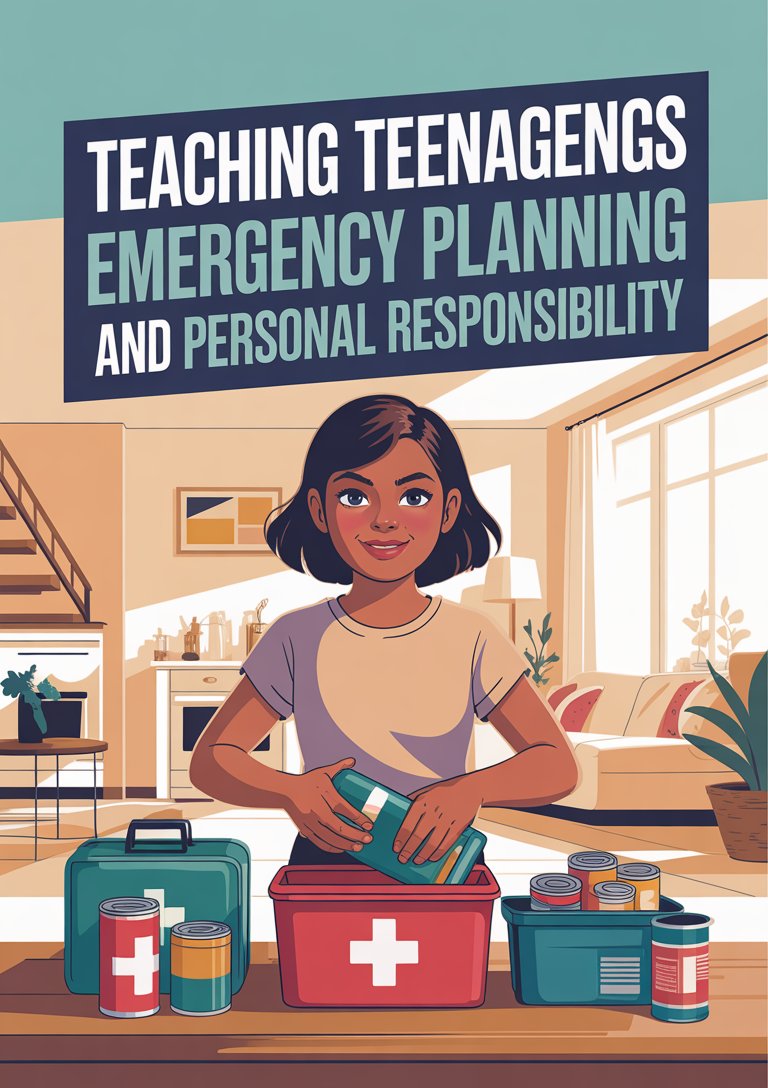
A: Make it age-appropriate and game-like. Younger children love scavenger hunts, while teens might enjoy leading a drill or researching local alerts.
Q: What If We Can’t Do It All At Once?
A: No worries. Pick one small task per week and build at your own pace. Progress, not perfection, is the goal.
Q: How Often Should We Review Our Plan?
A: Aim for every six months or after major life changes—moving, a new baby, or switching schools. A quick check helps catch expired items and new contact info.
Q: Can We Plan on a Tight Budget?
A: Absolutely. Start with items you already own, shop sales, or swap supplies with friends. Even $5 a month adds up.
Q: How Do I Store Important Documents Safely?
A: Keep copies in a waterproof pouch or digital scans on a secure cloud drive. That way, you have backups if paper originals get lost.
Q: What’s a Simple First Step Today?
A: Gather three items—water bottles, a flashlight, and phone chargers—and put them in a single bag. You’ve just started your emergency kit!
Remember, we’re all learning as we go. When emergency planning feels overwhelming, take a deep breath, pick the next small step, and reach out if you need a hand. You’ve got this—and so does your family, one simple strategy at a time.