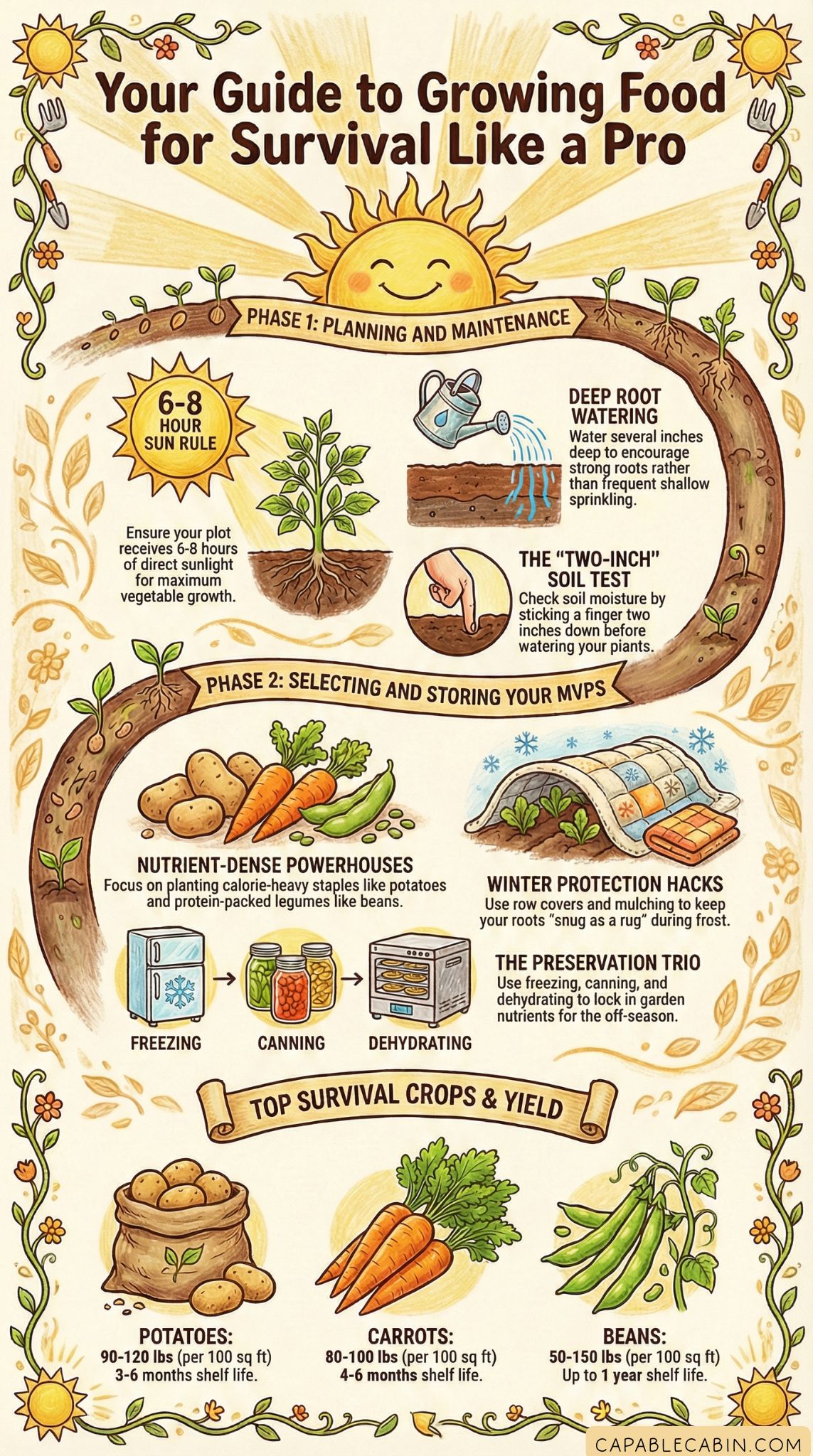
Your Guide to Growing Food for Survival Like a Pro
Starting Your Survival Garden
Planting your own grub is like having a mini supermarket right outside your door, especially when the world goes a bit haywire. Growing your own goodies not only slashes your food bills but keeps you fit, moving about, all while making you feel like a champion. And guess what? Even if you’re holed up in an apartment, you can still kickstart a mini herb and veggie paradise with pots, balconies, or any other nook you’ve got. Think of it as crafting your personal stash that has your back whenever things get a bit unpredictable.
Gardening makes you feel like a productivity wizard and connects you with that thing your feet touch—yep, the Earth. Not only do you flex your green thumb, but you also get this awesome boost of independence, knowing you’re sorted even if the shelves run dry. Consider it your insurance policy against hungry times and your mood booster when stress hits hard.
Benefits of Emergency Gardens
Creating an emergency garden is like hitting the jackpot in benefits. Here’s why you should dive in:
| Benefit | What’s in it for you? |
|---|---|
| Nutritional Security | Homegrown munchies mean you’re never out of fresh veggies and greens. Whether it’s the starchy goodness or protein-packed beans, you got it covered. |
| Cost-Effectiveness | Say bye-bye to big grocery bills! A handful of seeds can work miracles, turning into a bounty without busting your budget. |
| Health Improvement | Munching on your own juicy tomatoes and crisp lettuce means a healthier you—without any nasty side chemicals lurking around. |
| Family Activity | Gardens bring the gang together. Whether it’s planting or picking, everyone gets their hands dirty, learns a bunch, and feels great when those veggies are ready for dinner. |
| Psychological Benefits | Just digging around and being out in the sun melts stress away like ice on a hot day. It lifts your mood right up and packs a punch to any blues hanging around. |
Tuck an emergency garden into your routine, and you’re building more than just a food source. It’s all about staying strong and depending on you. Pack your garden with high-energy foods you can stash away for later. This keeps your plates full with everything from hearty veggies and sun-kissed fruits to flavorful herbs that can spice up your meals or heal what ails you.
Check out our cheat sheets on how to start a survival garden and survival garden planning for step-by-step breakdowns on setting up a garden that works like a charm.
Planning Your Survival Garden
Getting a grip on planning your survival garden can make all the difference between a droopy patch and a lush oasis of veggies. It’s important to pick the right spot, choose the crops that best suit your needs, and give those plants the nutrients they crave. With the right moves, you can create a garden that feeds your family when it matters most.
Choosing the Right Location
Where you plant your garden is a big deal. Aim for a sunny spot, getting at least a full day’s worth (6-8 hours) of rays. Keep the soil from turning into a soggy mess, ‘cause plants don’t do well when swimming. Being close to a water source will save you some work—and wrist aches—from all that watering. Here’s what to keep in mind when picking your prime garden real estate:
| Factor | What to Look For |
|---|---|
| Sunlight | 6-8 hours of direct sunbeams |
| Drainage | Soil that won’t drown your plants |
| Proximity | Handy access to water for those thirsty veggies |
| Sheltering | A little cover from wicked winds or nasty weather |
Selecting Suitable Crops
Picking the right crops is like choosing players for a team—go for the MVPs that score big with little fuss. You want veggies that are tough cookies and produce a lot. Here’s a cheat sheet of some trusty crops:
| Crop | Yield (lbs per 100 sq ft) | How Long They Last |
|---|---|---|
| Potatoes | 90-120 | 3-6 months |
| Carrots | 80-100 | 4-6 months |
| Beans | 50-150 | Up to a year |
| Squash | 50-100 | 2-3 months |
| Cabbage | 40-60 | 3-4 months |
Go for the crops that vibe with your local climate and soil. Dive into our survival garden planning guide for more on which plants make the cut in your area.
Understanding Plant Nutrient Needs
Your garden’s future superstars need their nutrient fix for top-notch growth and production. There’s a bunch of nutrients plants need, with a few gobbled up from the air and water—think carbon, hydrogen, and oxygen. The rest, like nitrogen, potassium, and the like, come from the soil. Different stages of growth will suck up these goodies differently.
To keep your soil stacked with nutrients, get in the habit of using fertilizers or whipping up compost. Testing your soil keeps you in the loop on what’s missing and how to tweak your approach. Curious about boosting your garden game? Peek at our section on emergency preparedness gardening.
With some solid planning, your survival garden won’t just survive—it’ll thrive! Stock up on more tips from survival gardening techniques to get even greener thumbs.
Essential Ingredients for Plant Growth
Getting to grips with what makes plants thrive is key if you’re looking to grow food for survival. Here, we dig into what influences plant growth, how light plays its part, and the role temperature has in the plant parade.
Things That Matter for Plant Growth
Plants are like picky eaters with a menu of 17 must-have nutrients. Three of these—carbon, hydrogen, and oxygen—are freebies from air and water. The rest, like a good buffet of nitrogen, potassium, magnesium, calcium, phosphorus, and sulfur, are coming right from the dirt beneath our feet. Getting your soil mix just right is like setting the dinner table for healthy plants.
| Nutrient | Where It Comes From |
|---|---|
| Carbon | Air |
| Hydrogen | Water |
| Oxygen | Water |
| Nitrogen | Soil (fertilizers) |
| Potassium | Soil (fertilizers) |
| Magnesium | Soil (fertilizers) |
| Calcium | Soil (fertilizers) |
| Phosphorus | Soil (fertilizers) |
| Sulfur | Soil (fertilizers) |
Different plants munch on nutrients at their own rhythm depending on their life phase. Regularly checking your soil and adding what’s needed through emergency preparedness gardening gives your garden a better shot at being awesome.
Let There Be Light
Light isn’t just a showstopper—it’s the director behind the scenes, affecting how plants grow and bloom. Blue light makes leaves go ‘voila!’, whereas blue and red light together is like hitting the ‘flower boost’ button. Remember, summer’s generous with light, but winter, not so much.
Daytime length, or how long Mr. Sun wants to hang out, tells many flowers when to bloom. Think about what kind of sunlight your feasting plants need when you’re mapping your survival garden plan.
| Light Type | What It Does |
|---|---|
| Blue Light | Boosts leaf vibe |
| Red Light | Gives flowers the go-ahead |
| Seasonal Changes | Summer = more light; Winter = less |
For a crash course on sorting your garden for maximum sun rays, check out our guide on how to start a survival garden.
Temperature’s Hot Takes
Temperature—it’s not just a number; it’s the DJ spinning the tunes for things like photosynthesis, breathing, waking up, and the flower dance. Plants have their preferred climate to strut their stuff. Messing with temperatures can even coax them into blooming on cue.
Here’s a handy list of what veggies like to keep the party going:
| Plant Type | Good Temperature Range (°F) |
|---|---|
| Cool-Season Veggies | 60 – 65 |
| Warm-Season Veggies | 70 – 85 |
By getting a handle on these temperature sweet spots, you’re setting up a flourishing survival garden. For extra survival gardening smarts, peek at our survival gardening techniques.
Get these basics right, and you’ll grow a garden that doesn’t just survive but thrives, making sure you’re covered on the sustainability and food front.
Maintaining Your Survival Garden
Keeping your garden shipshape is a real game-changer for when you really need that home-grown goodness. Follow these simple steps, and your garden will reward you with a bumper crop.
Watering and Humidity Control
Getting water to your plants isn’t just important—it’s vital, like grandma’s secret stew ingredient. Planting’s thirsty work, so here’s the scoop on keeping your leafy buddies quenched:
- Soil check: Stick a finger in the dirt—don’t be shy! About two inches down, if it feels desert-dry, your plants need a cool drink.
- Deep watering: You want your watering efforts to go underground, several inches deep, so roots grow strong. Think of it as teaching the roots to swim.
- Timing it right: Early bird gets the worm and less evaporation—morning or late afternoon is your friend.
To keep humidity just right, mulch can be a game-changer. Toss it on to keep the soil cozy and moist, making sure those plants don’t end up parched.
Protecting Plants in Winter
Winter’s chill is no joke for your garden patch. Here’s how to keep your plants snug as a bug till spring:
| Trick | What’s It Do? |
|---|---|
| Row Covers | Think of it as a winter blanket for your plants. |
| Mulching | Surrounds plant bases, keeping roots as snug as a dog in a rug. |
| Cold Frames | Tiny, perfect greenhouses for baby plants shivering in frost. |
| Bring ‘Em In | Got pots? Move them inside to dodge Jack Frost’s nipping. |
These strategies cook up a mini-climate to keep your green fellows from turning into popsicles.
Soil Preparation and Fertilization
Soil that’s on point is like the secret sauce for garden joy. Prep and feed it right, and you’ll have happy, thriving plants.
- Check Your Dirt: Before getting down to business, make sure your soil’s got the right pH and nutrients. Plants need different stuff!
- Soil Magic: Depending on what your dirt’s lacking, chuck in some organic booster like compost or well-loved manure.
- Nourish the Soil: Organic fertilizers, say bone meal or fish emulsion, can give that little extra zing plants love. Follow the packet’s lead—don’t go all in with the fertilizer or it could backfire.
Get extra tips in our handy guides on survival garden planning and emergency preparedness gardening.
With these watering tricks, winter hacks, and soil smarts, you’ll be the garden guru in no time, growing your own backup pantry.
Growing Nutrient-Dense Foods
So, you’re all set to dig into the world of survival gardening. Smart move! The secret sauce? Load your garden with food that not only gives you energy but also keeps you healthy with the good stuff—the vitamins and minerals.
Calorie and Nutrient-Rich Choices
When choosing what to plant, go for a mix that packs a punch—both for energy and those tiny nutrients your body loves. Think of your garden as a buffet of starchy foods, protein-packed legumes, vitamin-rich greens, and flavorful herbs that can double up as nature’s medicine. Here’s a cheat sheet to get started:
| Food | Calories per 100g | Nutritional Benefits |
|---|---|---|
| Potatoes | 77 | Loads you up with carbs and potassium |
| Kale | 49 | Bursting with vitamins A, K, and antioxidants |
| Lentils | 116 | A protein and fiber powerhouse |
| Tomatoes | 18 | Full of vitamins C and K, but low in calories |
| Sweet Potatoes | 86 | Fiber, vitamins A, and C—all in one! |
| Spinach | 23 | Your go-to for iron, calcium, and vitamins A and K |
| Beans | 127 | High on protein and fiber |
| Berries | 57 | Antioxidants and vitamins galore |
You want more detailed planting tips? Check out our guide on survival garden planning.
Storability of Crops
In the game of survival, how long your veggies last matters. Some foods, when stored right, can stick around for months or even years. Root veggies like potatoes and carrots are your long-lasting pals. Check out these storability champs:
| Crop | Storage Method | Shelf Life |
|---|---|---|
| Potatoes | A cool, dark spot | 3-6 months |
| Onions | Cool, dry, and airy place | 6-12 months |
| Garlic | Cool, dry zone | 6-12 months |
| Squash | Keep it cool and dry | 1-3 months |
| Carrots | Best in a cool and moist area | Several months |
| Beans | Dry, and sealed tight | 1-2 years |
| Berries | Can, freeze, or dry them | 1-2 years (depends on method) |
Want to geek out on storage tips? Head over to our piece on emergency preparedness gardening.
Recommended Vegetables and Fruits
To make your survival garden exciting (and super healthy), mix in a variety of plants. Here’s the lineup of veggies and fruits you’ll want to grow:
- Vegetables: Kale, spinach, tomatoes, carrots, onions, garlic, beans, potatoes, squash.
- Fruits: Berry family (raspberries, strawberries, blueberries), melons, and don’t forget—tomatoes (yes, they’re technically a fruit)!
- Legumes: Lentils and peas are your protein pals.
By expanding your plant roster, you’re not just boosting nutrition; you’re opening the door to tastier meals and a richer gardening experience. For more cool gardening tactics, check out survival gardening techniques.
Picking the right crops is like picking the right friends—they’ll be there for you when times get tough, nourishing you and your loved ones. Happy planting! 🌱
Sustainability in Survival Gardening
Growing your own food isn’t just smart for survival; it’s a win for the planet, too. Here’s how to make your survival garden both bountiful and eco-friendly.
Water Conservation Practices
Water ain’t just slipping through the cracks here; it’s on the line with all the thirsty folks and that crazy weather we’ve been seeing. So here’s how you keep your garden lush without turning your backyard into a water-guzzling machine:
| Method | What’s the Deal? |
|---|---|
| Rainwater Harvesting | Catch that free water from your roof and store it in barrels. Let Mother Nature do some of the heavy lifting for your garden. |
| Drip Irrigation | These systems deliver water straight to your plants’ roots where it’s needed most, cutting down on waste and evaporation. |
| Xeriscaping | Go local with native plants that sip, rather than gulp, when it comes to water, making your patch tough against drought. |
| Mulching | Throw down some mulch to keep the soil moist and those pesky weeds at bay. |
| Regular Maintenance | Got leaks? Check often for any drips in hoses or irrigation. Stop the waste before it washes away your efforts. |
And if you really want to make a splash, think about cutting back on water-hungry goodies like meats and cheeses. Munching more greens ain’t just good for you—it’s easier on water supplies, too (Center for Biological Diversity).
Reducing Environmental Impact
The way we farm leaves quite a footprint on our planet. But with a few tweaks, you can grow without the guilt. Here’s how:
Trim Those Emissions: Farming sends a hefty load of greenhouse gases into the air. But using savvy gardening tricks can help keep things cooler.
Smart Use of Land: With nearly 40% of land claimed by farms, boost your garden’s yield by planting crops that play nice together. Every inch counts!
Spread the Biodiversity Love: The mainstream food game doesn’t give biodiversity much love, which can spell trouble for ecosystems. Mix up your plant choices to keep your garden diverse and buzzing with life.
Cut the Waste: Compost your kitchen scraps and garden waste to keep trash out of dumps and put rich nutrients back into your soil.
Get Involved: Join local garden groups with a focus on emergency preparedness gardening. Sharing know-how and tools not only grows your garden game but also strengthens community vibes.
Learning the environmental scorecard for gardening helps you make smarter moves in your survival garden. By weaving these practices into your plot, you’re not just feeding yourself—you’re nurturing the planet, too. For more tips, check out our guides on how to start a survival garden and survival gardening techniques.
Harvesting and Storage Tips
Nailing the harvest and store routine means getting the most out of your survival garden. Here’s how to keep your crops lasting longer and nourishing.
Preserving Your Harvest
Keeping your garden goodies fresh is the name of the game. Your aim? Pack those veggies, fruits, and herbs with energy and nutrition. Check out these simple ways to keep them fresh:
| Preservation Method | What’s Involved? |
|---|---|
| Freezing | Keeps taste and nutrients intact. Think beans, peas, and corn for your freezer haul. |
| Canning | Great for storing garden favorites like tomatoes and jams. Use pressure canning for low-acid stuff. |
| Dehydrating | Sucks out moisture to stop bacteria. Perfect for drying apples, berries, and herbs. |
| Lacto-fermenting | Boosts gut health using good bacteria. Rock this with cucumbers, carrots, and cabbage. |
Canning and Dehydrating
Canning and dehydrating? These are your go-to moves for locking in the garden’s goodness.
Canning: Your best bet for long-term storage—great with tomatoes, beans, and squash. Play it safe to dodge any funky bacteria.
Dehydrating makes your bounty light and storable. Snack on dehydrated raspberries or whip up some tasty jam anytime.
Check out this snazzy guide to common canned and dried snacks:
| Type | Sample Crops | Perfect For |
|---|---|---|
| Canned | Tomatoes, beans, squash | Whip up soups, stews, or sauces |
| Dehydrated | Apples, berries, herbs | Snack attack, flavoring, or bake away! |
Extending Shelf Life
Want your harvest to stay fresh and fabulous? Here’s how to make that happen:
Cool and Dark Storage: Root veggies like carrots and spuds love cool, dark nooks—try a root cellar if you got one.
Container Care: Choose breathable options like burlap sacks for taters and onions. Ditch the plastic to avoid sogginess.
Regular Inspections: Check your stored veggies now and then. Bin the bad ones to keep the rest in top shape
Use these tips and tricks to make sure your survival garden keeps you fed the whole year. Thirsty for more gardening insights? Jump into our articles on how to start a survival garden and survival garden planning, and get those green fingers busy!
Additional Considerations
Get the Crew Together
Growing a survival garden’s like throwing a block party with greens, not chips. Link up with neighbors and friends, and before you know it, you’re in a green-thumbed gang swapping stories, seeds, and sometimes even sweat! This support system doesn’t just level up your gardening—it multiplies your chances of succeeding in growing grub to survive. Plus, hanging out with fellow plant enthusiasts can lead you to discover local gardening shindigs, workshops, and seed exchanges.
Kick things off with a local gardening club. Think of it as a hub for sharing handy hacks, planning fun group planting days, or jumping into mega community projects that focus on going green and prepping for those “just in case” moments. We’ve got your back on starting your very own survival garden. Check out tips for wrangling your own plant posse.
| Fun Group Idea | What It Does |
|---|---|
| Seed Swap Parties | Trade seeds, swap tips, and stories |
| Gardening Hangouts | Learn fresh tricks together |
| Community Green Days | Join forces for epic garden greatness |
Spread the Green Love
Once your garden’s growing like gangbusters, it’s time to share the wealth. Dishing out extra produce is a solid way to cut down on waste and solidify those local friendships. Talking about the why’s and how’s of emergency gardening spreads some essential knowledge and strengthens community vibes.
Bartering is your buddy here. It’s an old-school way to snag items or services you’re low on by offering up your homegrown goods. This dance not only promotes self-reliance but gels friendships. Picture this: your fresh tomatoes in a swap for your neighbor’s homemade jam or fresh herbs. Here’s a starter for swapping:
| Stuff You’ve Got | Stuff You Need |
|---|---|
| Garden Veggies | Jars of Jam |
| Homegrown Herbs | Made-from-scratch Bread |
| Ripe Fruits | Handy Garden Gear |
By linking up with your community through sharing and swapping, you’re building a buzzing network of giving and getting. Want more cool hacks for boosting your garden’s yield? Check our tips in the survival gardening techniques corner.