Emergency Planning for Empty Nesters Reinventing Your Safety Strategy
Getting Ready for Whatever Life Throws Your Way (Yes, Even When the Kids Have Moved Out!)
Remember when your biggest emergency was forgetting to pack extra snacks for soccer practice?
Now that the house is quieter and your schedule is your own, you might be wondering how to stay prepared for life’s unexpected moments.
If you’re like many empty nesters, you’ve traded carpools and packed lunches for a bit more breathing room—but that doesn’t mean you can put emergency planning on the back burner. In fact, this might be the perfect time to create a safety plan that actually works for your new reality.
Don’t worry, we’re not talking about turning your garage into a survival bunker or spending your retirement fund on freeze-dried meals. This is about simple, practical steps that give you confidence and peace of mind. Whether it’s a power outage, a weather event, or just wanting to know you’re covered if something unexpected happens, a little preparation can make all the difference.
Ready to build a plan that fits your empty-nest life? Let’s dive in together—no stress, no overwhelm, just practical advice from someone who gets it.
Understand Your Empty Nest Challenges
Empty nest syndrome is real – it can feel like grief, loss of purpose, maybe even anxiety [1]. You might notice:
- Sadness or loneliness when routines change
- Worry about adult kids living far away
- A sense of lost identity if “parent” was your main role
- Physical symptoms like fatigue or trouble sleeping
That being said, the emotional shift doesn’t have to keep you stuck. Here’s a thought: acknowledge those feelings and then channel that energy into empowering yourself. Celebrate the freedom to learn new skills, join groups, or tackle projects that you never had time for. We’ve all been there—feeling a bit adrift—so let’s turn that into motivation to strengthen your safety net.
Assess Your Risks
Before you build a plan, let’s pinpoint what could go sideways. Every home and community has its own quirks. Take a few moments to consider:
- Natural hazards where you live (hurricanes, floods, wildfires, earthquakes)
- Home vulnerabilities (aging roof, drafty windows, uneven steps)
- Personal needs (health conditions, mobility, medications)
- Pet care requirements and evacuation challenges
And don’t forget to evaluate how well your home would stand up to extreme weather. Disaster recovery expert Carlos Cubero recommends checking your roof, windows, and foundation for weak spots [2]. That snapshot of risk helps you target your efforts instead of guessing.
Build Your Emergency Plan
So now that we know what could happen, let’s map out what you’ll do. A solid plan means having clear steps and contacts, whether you hunker down or head out. To start, jot down:
Meeting Places
- A spot nearby if you stay at home
- An outside location if you evacuate
Emergency Contacts
- Neighbors, trusted friends, nearby family
- Your adult kids’ daytime and work numbers
Evacuation Routes
- Primary and alternate drives away from hazards
- Public shelters in your area
Special Considerations
- Pet arrangements or pet-friendly shelters
- Medical needs like oxygen tanks or insulin
Keep your plan visible—taped to the fridge or stored in a shared cloud folder. That way, you and anyone helping you always know where to look.
If you want to more information, check out our full family approach in the complete family emergency planning resource. And be sure to gather key paperwork in one place before you finalize the steps [3].
Assemble Your Supplies Kit
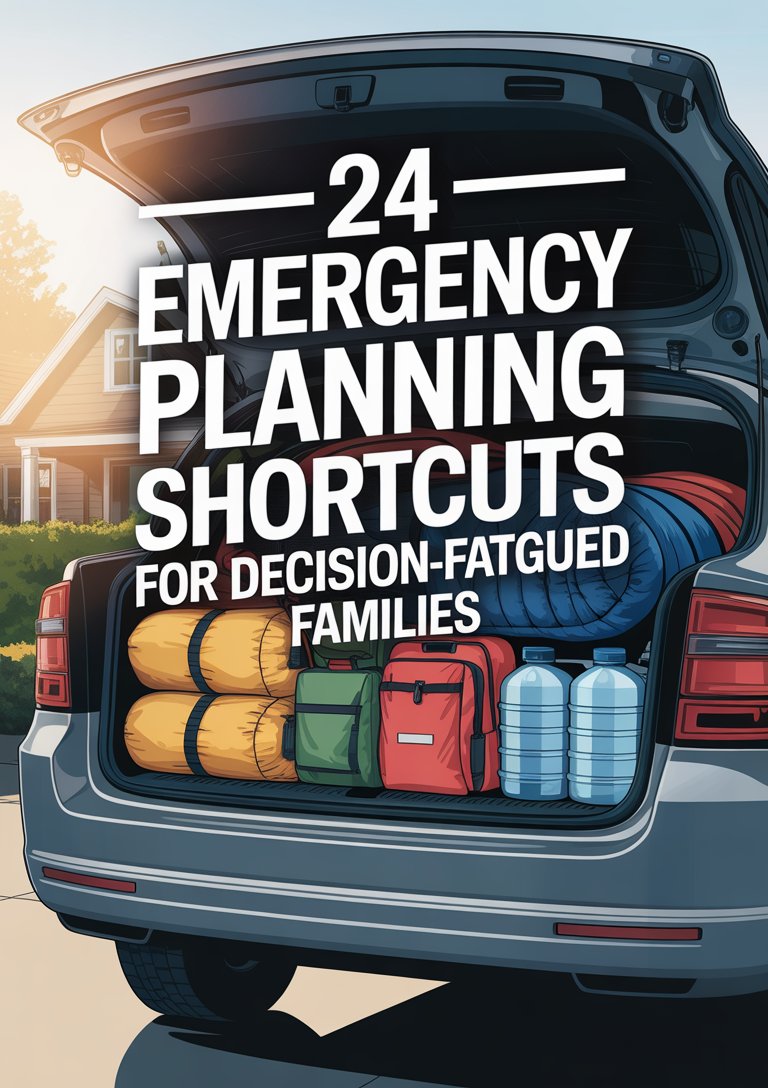
Let’s make a kit that fits a busy empty nester’s lifestyle. It should be portable yet cover your basic needs for at least 72 hours. Start with essentials from Ready.gov and the American Red Cross:
- Water – one gallon per person per day (3-day supply) [4]
- Food – non-perishable, easy-open items like granola bars and canned soup
- Medications – a 7-day backup of prescriptions plus copies of labels
- First Aid – bandages, antiseptic wipes, pain relievers
- Lighting – flashlight, headlamp, extra batteries
- Tools – multi-tool, manual can opener, duct tape
- Warmth – emergency blanket or sleeping bag
- Hygiene – hand sanitizer, soap, feminine products, toothbrush
Here’s a thought: customize your kit by adding unique items for your situation [5]. If you wear glasses, pack a spare pair. If you have a back condition, include a neck pillow. And if you already own some supplies, fine—build on what you’ve got [6].
Secure Important Documents
Trust me, when power goes out or you need to prove your identity, having documents ready can be a lifesaver. Aim to gather:
- IDs and passports
- Insurance policies (home, auto, health)
- Medical records and prescription lists
- Deeds or lease agreements
- Will and power of attorney
Scan everything and keep digital copies in a password-protected cloud folder. Then tuck printed copies in a waterproof binder inside your go bag [7]. That way, you’re covered if you have to grab and go.
Choose Communication Strategies
Staying connected is crucial, especially when cellular networks get jammed. Here’s how we can hedge our bets:
- Cell Phone and Portable Charger
- Battery-powered or hand-crank radio
- Family group text chain and emergency group chat
- Backup SIM card or prepaid phone
- Landline (yes, they still work when power is out)
- Apps that share location without cellular service
That being said, let’s not overcomplicate it. Decide on one primary method and one backup. Write those down in your plan and practice sending a test message so you know it works [8].
Connect With Your Support Network
We’re not meant to handle disasters in isolation. Community care can make a huge difference, especially if family is far away. Think about:
- Neighbors who can check on you if you’re away
- Nearby friends or relatives willing to host you
- Local faith groups or senior centers offering emergency rides
- Online neighborhood forums for real-time updates
Studies show elderly individuals fare better when someone knocks on their door after a storm [2]. So swap contact info, agree on check-in times, and consider forming a buddy system. We’ve all been there—knowing someone’s got your back eases the mind.
Maintain Financial Readiness
Let’s talk money, because emergencies can come with unexpected expenses. Here’s how to stay on top of your finances:
- Emergency Fund – aim for at least $1,000 in easily accessible savings
- Cash Reserve – small bills and coins in a waterproof pouch
- Insurance Review – check deductibles, coverage limits, and replacement costs
- Account Summaries – list of bank and credit card numbers, branch locations
- Automatic Transfers – set up monthly transfers to your emergency savings
That way, you can focus on recovery instead of scrambling for cash. If you’d like more tips on budgeting for readiness, see this guide on financial emergency planning.
Practice and Review Regularly
Having a plan and supplies is only half the battle—practicing keeps you sharp. Make it a habit:
- Schedule quarterly walk-throughs of your home plan
- Rotate water and food every six months
- Test flashlights, radios, and chargers monthly
- Review emergency contacts and update numbers
- Run a mini evacuation drill on a weekend morning [9]
So here’s the thing, it’s easy to let this slip when life gets busy. But a quick review is often all you need to stay confident. If you’ve fallen behind, don’t worry—just pick one small task today [10].
Embrace Emotional Resilience
Prepping isn’t just about stuff and steps, it’s about mindset. Empty nesters face unique emotional hurdles, so let’s reinforce our mental muscles:
- Acknowledge your feelings without judgment (“I feel anxious about storms”).
- Stay connected with friends and adult kids—schedule regular video calls.
- Discover new hobbies or volunteer opportunities to fill your time.
- Join a local class or online group to meet people with similar interests.
- Practice relaxation techniques like deep breathing or gentle yoga.
Trust me, you’re not alone in this. Research shows that keeping mentally active and socially engaged helps you bounce back faster after a crisis. And hey, a little self-care goes a long way toward building long-term resilience [11].
Cabin Chat
- When should I start emergency planning?
As soon as you can. Even one small step—like jotting down contacts—builds momentum. - How do I involve my adult kids in the plan?
Approach it as a conversation, not a lecture. Share your peace-of-mind goal and ask for their input. - What if I feel overwhelmed by all the steps?
Break it down. Tackle one task this week—maybe assembling a mini first-aid kit. - Can I prep on a tight budget?
Absolutely. Focus on low-cost essentials and build your kit over time [12]. - How often should I update my plan?
At least once a year, or whenever your situation changes [13]. - Can neighbors really help during an emergency?
Yes, a simple check-in can be lifesaving. Swap info and agree on roles so you both know what to expect.
You’ve got this. By understanding your challenges, taking small steps, and leaning on your community, you’re reinventing your safety strategy in a way that fits your new empty-nester life. Keep moving forward—one task at a time—and trust me, you’ll feel ready for whatever comes next.
References
- (Cleveland Clinic)
- (Endeavors)
- (emergency planning documents)
- (Ready.gov)
- (American Red Cross)
- (emergency supplies already own)
- (emergency documents go bag)
- (emergency communication planning)
- (weekend emergency planning tasks)
- (start emergency planning behind)
- (Cleveland Clinic, psychology emergency planning confidence)
- (emergency planning any budget)
- (how often update emergency plans)