Emergency Communication Plans: Staying Connected in Crisis
Crisis strikes without warning. Your family’s survival depends on one critical factor: flawless communication when traditional systems fail.
Think about it: When disasters hit, cell towers overload, power grids collapse, and panic spreads faster than information. The families who thrive aren’t the ones caught off guard—they’re the ones with bulletproof communication strategies already in place.
This isn’t about fear-mongering. This is about strategic preparedness that transforms potential chaos into coordinated action. When you master emergency communication planning, you’re not just preparing for disaster—you’re building unshakeable family resilience.
The Strategic Psychology of Crisis Communication
Crisis communication isn’t just logistics—it’s psychological warfare against panic. When disaster strikes, your brain defaults to fight-or-flight mode. Clear communication channels become your family’s cognitive anchor, providing stability when everything else feels uncertain.
Strategic Benefits:
- Eliminate information chaos that fuels panic
- Create rapid family coordination systems
- Build psychological security through preparedness
- Transform fear into focused action
According to the UPMC Center for Health Security’s research, families with clear communication protocols experience dramatically reduced stress levels during emergencies [1]. You’re not just planning communications—you’re engineering peace of mind.
Communication Channel Diversification Strategy
Rule #1: Never rely on single-point-of-failure systems.
Your family needs communication redundancy that works across multiple scenarios:
Primary Channels:
- Mobile calls and SMS (vulnerable to network overload)
- Group messaging apps (WhatsApp, Messenger, Signal)
- Social media private groups with restricted access
Secondary Resilient Systems:
- Landline phones (often functional when cellular fails)
- Ham radio or two-way radios (completely off-grid capable)
- Physical location markers and predetermined signals
Emergency Backup Protocols:
- Door note systems with coded messages
- Visible item signals (“green cloth = safe,” “red cloth = need help”)
- Predetermined rally points with timing protocols
Pro Strategy: Test every channel quarterly. Systems that aren’t practiced become liabilities under pressure.
Building Your Strategic Contact Architecture
Your emergency contact list isn’t just numbers—it’s your crisis response network.
Core Network Structure:
- Inner Circle: Immediate family and primary caregivers
- Support Network: Trusted neighbors, close friends, extended family
- Institutional Contacts: Schools, workplaces, medical providers
- Emergency Services: Local authorities, utility companies, poison control
Storage Strategy (Triple Redundancy):
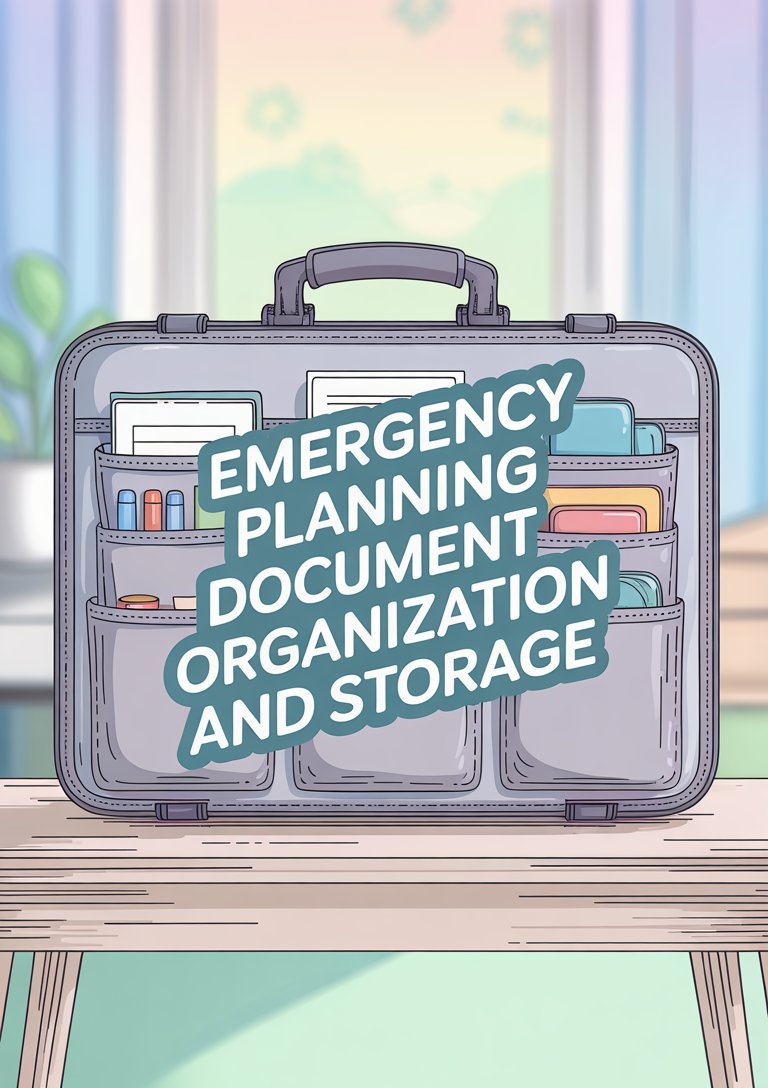
- Physical copies in waterproof emergency binders [2]
- Digital backup in cloud storage is accessible offline
- Distributed copies with trusted network members
Advanced Tip: Designate an out-of-state contact who can serve as an information relay when local systems fail—long-distance lines often remain functional during regional disasters.
Crisis Message Framework: Psychological Communication Protocols
Every word matters when adrenaline runs high. Pre-crafted messages eliminate decision fatigue during high-stress moments.
Strategic Message Template:
- Status Declaration: “Family secure at [location]”
- Situation Assessment: “[Brief factual update]”
- Next Action: “Proceeding to [rally point/shelter]”
- Response Request: “Confirm receipt and status”
Psychological Messaging Principles:
- Factual clarity reduces anxiety
- Calm tone prevents panic contagion
- Specific information eliminates dangerous assumptions
- Clear action items provide psychological control
Template Examples:
- Weather Emergency: “All safe. Power out, staying put. Checking in hourly. Reply with your status.”
- Evacuation Scenario: “Family evacuating to Grandma’s house. Arrive at 6 PM. Call when you’re secure.”
Family Crisis Roles: Strategic Task Distribution
Chaos breeds when everyone does everything. Clarity emerges when everyone owns something specific.
Role Architecture:
- Primary Communicator: Manages group updates and external coordination
- Intelligence Gatherer: Monitors news, alerts, and situational updates
- Resource Coordinator: Manages supplies, transportation, and shelter logistics
- Family Liaison: Handles communication with children, elderly family members
Leadership Rotation: Cross-train every family member on each role. Crisis doesn’t wait for the “designated person” to be available.
Technology Stack for Crisis Communication
Smart technology integration amplifies human decision-making.
Essential Apps & Tools:
- FEMA App: Real-time alerts and shelter locations [1]
- Mass notification systems: Simultaneous multi-channel alerts [3]
- Neighborhood networks: Nextdoor, Citizen for hyperlocal intelligence
- NOAA Weather Radio: Authoritative meteorological updates
Technology Principles:
- Redundancy over sophistication: Simple systems that work beat complex systems that fail
- Battery backup everything: Solar chargers, power banks, manual alternatives
- Offline functionality: Downloaded maps, cached information, physical backups
Critical Insight: Technology amplifies preparedness—it doesn’t replace it.
Family Training Protocol: From Planning to Performance
Plans without practice are just wishes.
Quarterly Drill Framework:
- Communication Test: Send messages across all channels
- Rally Point Exercise: Practice meeting at designated locations
- Role Rotation: Every family member practices each crisis role
- Contact List Verification: Update numbers, test connections
Annual Strategic Review:
- Assess new risks and scenarios
- Update contact information and emergency locations
- Evaluate technology performance and upgrades
- Review family dynamics and responsibility assignments
Research from Simple But Needed confirms: families who practice emergency protocols show 300% faster response times during actual emergencies [4].
Specialized Family Adaptation Strategies
One-size-fits-all fails when crisis demands precision.
Customization Resources:
- Emergency Planning Working Parents: Coordination between workplace and home protocols
- Emergency Planning Caregivers: Managing medical needs during communication disruptions
- Emergency Planning Multi-Generational: Bridging technology gaps across age groups
- Emergency Planning Apartment Living: Urban crisis communication without private property
- Emergency Planning Rural Living: Off-grid communication when infrastructure fails
Strategic Principle: Your plan must fit your reality, not idealized scenarios.
Child Integration: Building Young Crisis Leaders
Children aren’t passengers in family preparedness—they’re junior partners.
Age-Appropriate Engagement:
- Young Children (5-10): Simple phrases, fun practice drills, basic responsibility assignments
- Teenagers (11-18): Technology leadership, peer network coordination, advanced scenario planning
Empowerment Strategies:
- Assign meaningful roles that build confidence
- Practice decision-making in low-stakes scenarios
- Create age-appropriate emergency kits that they can manage
- Teach communication skills through games and exercises
Psychological Benefit: Children who understand the plan experience less trauma during actual emergencies.
Integrated Emergency Ecosystem
Communication planning isn’t isolated—it’s the nervous system of total family preparedness.
System Integration:
- Complete family emergency planning checklist: Full family preparedness framework
- Emergency documents go bag: Critical information portability
- Emergency planning resources for parents: Health crisis communication protocols
- Financial emergency planning: Resource communication during economic disruption
Strategic Insight: Integrated systems create compound resilience effects.
Your Communication Command Center: Action Implementation 🎯
Knowledge without action is just expensive entertainment.
30-Day Implementation Timeline:
- Week 1: Inventory current communication methods, build contact list
- Week 2: Select and test redundant communication channels
- Week 3: Create message templates, assign family roles
- Week 4: Conduct first family drill, document lessons learned
Success Metrics:
- Every family member can reach others through 3+ different methods
- Contact information accessible from multiple locations
- Message templates reduce response time by 75%
- Children demonstrate age-appropriate crisis communication skills
Crisis-Ready Communication: Your Family’s Strategic Advantage
Here’s the ultimate truth: Prepared families don’t just survive crises—they emerge stronger.
Your emergency communication plan isn’t disaster preparation—it’s resilience architecture. When you master crisis communication, you’re building psychological security that influences every aspect of family life.
Start today. Choose your backup channels. Build your contact network. Practice your protocols. Because when crisis strikes, your family’s strength won’t come from luck—it’ll come from strategy.
Your family deserves unshakeable communication security. Build it now.
Cabin Chat
What makes a communication plan bulletproof?
Multiple redundant channels, pre-written message templates, clear role assignments, and regular testing. Include low-tech backups like door signals and rally points.
How frequently should we update our strategy?
Quarterly skills drills with annual comprehensive reviews. Update immediately after major life changes—moves, job changes, school switches. Check out how often you update emergency plans for systematic protocols.
What happens when cellular networks collapse?
Deploy secondary systems: landlines, two-way radios, NOAA weather radio, or predetermined physical meeting locations with timing protocols.
How do I engage teenagers without creating resistance?
Make them technology leaders. Leverage their social networks. Give them real responsibility in family preparedness. Ownership eliminates resistance.
Can social media serve as emergency communication?
Private family groups work excellently. Create proactive checking protocols—don’t rely on notification systems during infrastructure stress.
Who belongs in our extended communication network?
Trusted neighbors, especially those geographically close. Teachers, coaches, and mentors who know your children’s routines. Out-of-town contacts who can relay information when local systems fail.