Emergency Planning for Single Parents: Your Solo Success Strategy
Emergency Planning for Single Parents: Because You’re Already a Superhero, Now Let’s Make You Prepared Too
You know that moment when you’re folding laundry at 11 PM, meal prepping tomorrow’s lunches, and suddenly think, “Wait, what would I actually do if the power went out for a week?” And then you immediately push that thought away because, honestly, adding “prepare for potential disasters” to your mental to-do list might just be the thing that finally breaks you.
Welcome to single parenting, where you’re simultaneously the CEO, CFO, head of security, chief medical officer, and entertainment director of your own little corporation. You’ve already mastered the art of being in three places at once and can pack a diaper bag that rivals a Navy SEAL’s tactical kit. So really, how hard can emergency planning be? (Famous last words, right?)
Here’s the truth: You don’t need to transform into a doomsday prepper or spend your grocery budget on fancy survival gear. You don’t need to memorize every possible disaster scenario or build a bunker in your backyard (though if you have time for that, I’m genuinely impressed by your organizational skills).
What you do need is a plan that works for someone who considers it a victory when everyone gets fed, clothed, and to their respective destinations without anyone crying—including you. A plan that fits into your real life, with your actual budget, and doesn’t require you to suddenly develop skills you learned neither in college nor from parenting blogs.
This guide is designed for the single parent who’s doing an amazing job already but wants to sleep a little better knowing they’re ready for whatever curveballs life decides to throw next. Because let’s face it—you’ve already proven you can handle anything. Now let’s just make sure you’re prepared for it too.
Identify Your Challenges
Let’s start by acknowledging what we’re really dealing with here. As a single parent, you’re basically running a small but very demanding business where the employees (your kids) have zero respect for your authority, the hours are 24/7, and the pay is entirely in hugs and crayon drawings.
Identify Your Challenges
First up, let’s get clear on what makes solo emergency planning different. You might be:
- Single-handedly managing work schedules, school drop-offs, and doctor visits
- Low on time because you’re juggling chores, errands, and bedtime stories
- Watching every penny, so elaborate kits feel out of reach
- Worrying about childcare if you need to evacuate or seek shelter
We’ve all been there—wondering how to prepare when you’re the only adult on duty.
Recognizing your unique hurdles helps us design realistic solutions. Maybe you live in a small apartment, maybe you have pets, or maybe your job leaves you with unpredictable hours. No judgment here. Let’s name those challenges so we can tackle each one head-on.
Establish Communication Plan
When emergencies strike, clear communication is everything. Let’s make sure you and your kiddos know exactly how to reach one another:
- Choose a Family Meeting Spot – Pick two locations: one near home and one outside your neighborhood in case you can’t get back.
- Set Up Contact Chains – List at least two out-of-town contacts who can relay messages if local networks fail.
- Share Phone Trees – Jot down names, numbers, and social handles for neighbors, friends, or relatives who can check in.
- Practice Check-In Codes – Decide on simple text or emoji codes (“OK”, “SAFE”, “HELP”) so kids can update you fast.
That way, if cell towers are jammed or Wi-Fi is down, everyone knows the plan.
For more on crafting fail-safe communication routes, check out our guide on emergency communication planning.
Build Your Emergency Kit
No need for a pre-made kit that costs a fortune.
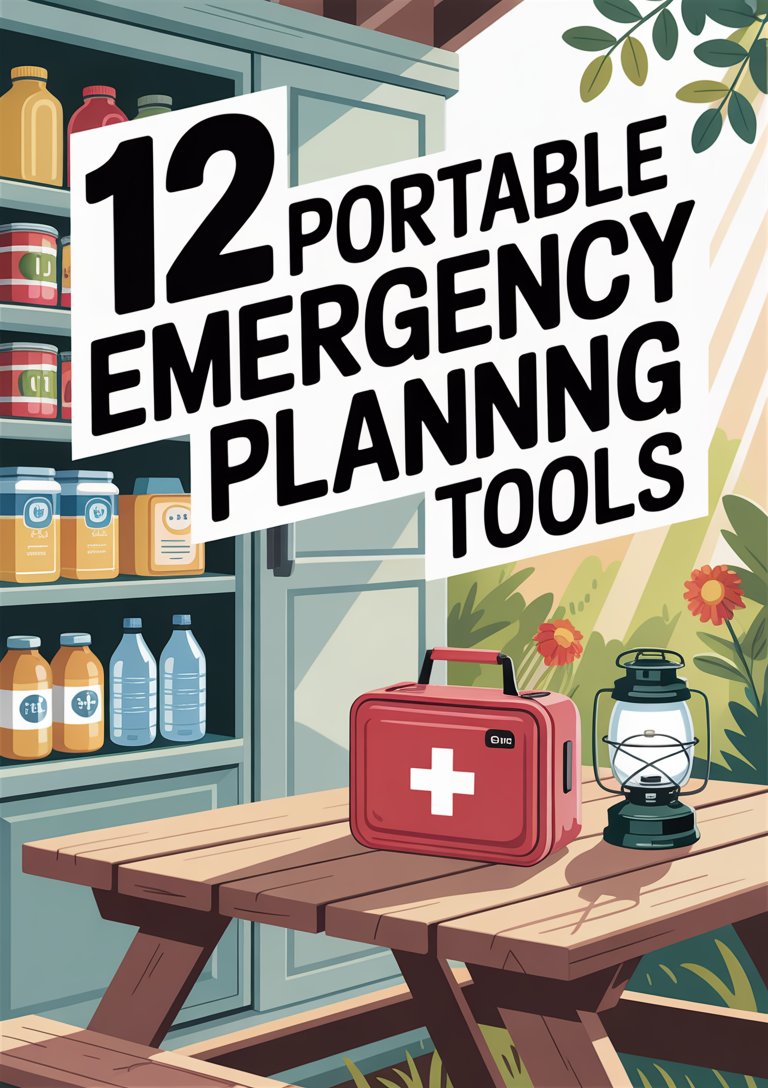
Let’s assemble essentials using items you might already own, then fill gaps on a budget:
- Water – One gallon per person per day (aim for three days minimum)
- Non-Perishable Food – Canned goods, granola bars, peanut butter
- First Aid Supplies – Bandages, antiseptic wipes, pain relievers
- Flashlights and Batteries – Keep extras in key rooms
- Multi-Tool or Swiss Army Knife
- Local Maps – In case GPS goes offline
- Portable Phone Charger – A solar charger or power bank
- Hygiene Basics – Toilet paper, feminine products, wet wipes
- Pet Supplies – Food, water bowl, leash
Ready.gov has a solid starter list if you want more detail [1]. And don’t forget to swap out expired items every six months—think of it as a mini family outing to refresh your stash.
Plan For Family Needs
Your crew might include tiny tots, teens, seniors, or furry pals.
Let’s make sure everyone’s covered:
- Children – Pack comfort items like a favorite toy, extra clothes, and diapers if needed.
- Seniors or Relatives – Include medications, assistive gear, and caregivers’ contact info.
- Pets – Food, water, medications, vaccination records.
- Babysitters or Back-Up Care – Identify neighbors or trusted friends who can step in if you’re away.
- School and Work – Keep printed schedules or a note with important phone numbers.
That little extra planning can take the pressure off when minutes count. And if you’re living in an apartment, check out our tips on emergency planning apartment living for space-savvy ideas.
Create Document Folder
When chaos hits, digging through drawers for critical papers is the last thing you need. Let’s streamline:
- Emergency Contacts Sheet – Family, doctor, school, neighbors
- Custody and Guardianship Papers – Updated and notarized
- IDs and Passports – Yourself and your children
- Insurance Policies – Health, home, auto
- Medical Records – Allergies, prescriptions, doctor notes
- Financial Documents – Bank statements, bills, credit card info
- Legal Documents – Power of attorney, advanced directives
Store everything in a waterproof, portable folder or digital drive. Having these docs ready answers questions fast and eases stress. For more on which papers matter most, see emergency planning documents.
Include Estate Planning
Okay, this might feel heavy, but it’s one of the kindest gifts you can give your kids. Estate planning ensures your family’s protected no matter what:
- Name a Guardian – Choose someone you trust to care for your children.
- Set Up a Trust – Manage assets for your kids’ needs and education.
- Secure Life Insurance – Helps cover living expenses, schooling, and housing.
- Healthcare Directives – Clarify medical wishes if you can’t speak for yourself.
- Review Regularly – Update after major life changes like remarriage or new jobs.
Working with an attorney can make this less daunting. These steps bring peace of mind and form a safety net that lasts long after the emergency’s over [2].
Practice Your Plan
Even the best plan falls flat without practice. Here’s how to turn theory into habit:
- Evacuation Drill – Time yourselves walking to your meeting spot.
- Home Shelter Drill – Pretend the power’s out and stick to your routines.
- Device Check – Test your flashlights, chargers, and battery backups.
- Role Assignments – Give each child an age-appropriate task (grabbing the folder, carrying snacks).
- Debrief – Celebrate what went well and tweak what didn’t.
Make drills fun by turning them into a game. Kids absorb routines faster if there’s a little sparkle of excitement. For extra kid-friendly ideas, peek at practice emergency plans kids.
Use Budget-Friendly Strategies
Emergencies don’t have to drain your wallet. Here are our top cost-savvy hacks:
- Dollar Store Finds – Batteries, first aid, flashlights, hygiene kits.
- Bulk Buys on Sale – Stock up on canned goods when they’re discounted.
- DIY Tools – Sew simple cloth masks, refillable water jugs.
- Barter or Swap – Trade babysitting hours for help assembling kits with neighbors.
- Cash Stash – Keep small bills tucked away for emergencies when ATMs might not work.
These tweaks keep you prepared without stressing over costs.
If finances are tight, check out our post on financial emergency planning.
Use Community Resources
You don’t have to go it alone. Communities often offer free or low-cost support:
- Local Red Cross Classes – First aid, CPR, disaster prep [3].
- Faith-Based Organizations – Emergency kits or shelter during crises.
- School Alerts – Sign up for text or email notifications.
- Neighborhood Networks – Nextdoor or community Facebook groups.
- Public Libraries – Backup power outlets and copies of local maps.
Plugging into these resources boosts your resilience and brings fresh ideas to your plan.
Support Your Mental Health
Feeling anxious about emergencies is normal, especially when you’re solo. Let’s ease that tension:
- Break Tasks Into Chunks – Tackle one section of your plan at a time.
- Schedule “Plan Time” – A 15-minute slot each week keeps you on track without overwhelm.
- Breathing Breaks – Simple 4-4-4 breathing (inhale 4 seconds, hold 4, exhale 4).
- Debrief With a Friend – Share wins, ask for advice, and cheer each other on.
- Celebrate Progress – Even restocking one shelf deserves a pat on the back.
The mental boost of checking off action steps ripples into everyday life.
For more on how planning supports well-being, see emergency planning mental health benefits.
Keep Your Plan Updated
Life changes fast—new job hours, moving homes, growing kids.
Let’s keep your plan fresh:
- Review Twice Annually – Spring and fall check-ins.
- After Major Events – New baby, job change, pet addition.
- Swap Expired Items – Food, batteries, meds.
- Update Contacts – New neighbors, school info, doctor numbers.
- Re-Practice Drills – Especially after any changes.
Need more guidance on timing? Our article on how often update emergency plans breaks it down.
Cabin Chat
Q: What if I have both a toddler and a teen?
A: Give your toddler a favorite toy and your teen a simple checklist. Assign small roles like “grab the folder” for your teen and “hold my hand” for your little one. It’s teamwork in action.
Q: I just moved into an apartment—any special tips?
A: A Tight space can be a blessing. Use under-bed bins for your kit and pegboards for documents. Check out emergency planning apartment living for more space hacks.
Q: How do I involve my teenager without scaring them?
A: Treat it like a mission. Give them a “communications officer” badge and let them handle texting check-ins. They’ll love the responsibility. You can also explore teach teens emergency planning for conversation starters.
Q: Money’s tight—where can I find free or low-cost supplies?
A: Dollar stores, dollar aisles in big-box shops, and community swaps are gold mines. Local churches or nonprofits often distribute basic kits too.
Q: I start feeling anxious every time we practice—help!
A: Pause and breathe together. Turn drills into a fun challenge—time it, reward a small treat, and remind everyone it’s practice, not real danger. You’ve got this.
Q: I’m running late on planning—any quick wins?
A: Focus on the absolute musts: contacts sheet, water, flashlight, and a meeting spot. Knock those out first, then build from there. For more tips, see start emergency planning behind.
You’re not alone in this. Every step you take builds confidence and safety for you and your family. Trust me—you’ve got a strategy now, and you’re more prepared than you think. Here’s to your solo success!