19 Emergency Planning Supplies You Already Own at Home
Ever wonder what to grab if the lights go out or a sudden storm hits?
When you think of emergency supplies you already own at home, you might miss the essentials hiding in your pantry, bathroom cabinet, or junk drawer.
As busy caregivers, we don’t need to break the bank or rush out for specialty gear. Instead, let’s lean on what’s right under our noses—19 everyday items that can keep your family safe, snug, and confident when the unexpected strikes.
Here’s the thing: building your emergency kit isn’t about toting around fancy gadgets.
It’s about knowing how to repurpose the stuff you already have. Trust me, you’re not alone if your first instinct is to panic-buy. We’ve all been there. Let’s explore how your existing household staples can form the backbone of a complete family emergency plan.
Emergency Supplies You Already Own
- Bottled Water
Aim for at least one gallon per person per day. Even if you usually refill reusable bottles, tuck away a few factory-sealed bottles in a cool spot so you’re covered if municipal water goes out. - Canned Food
Beans, veggies, soup, or fruit—canned goods last for years and deliver nutrients when you can’t cook fresh meals. Comfort foods like tuna or canned pasta can also boost morale. - Manual Can Opener
If you rely on an electric opener, swap in a handheld version. It’s small enough for a drawer and ensures you’re never stuck staring at cans you can’t open. - Flashlight
Dig through your bedside table or kitchen drawer for an LED flashlight. It’s way safer than candles when you need hands-free illumination. - Extra Batteries
Match sizes to your flashlights, radios, and children’s toys. Keep a labeled pouch so you’re not rummaging in the dark for AA or AAA power. - Battery-Powered Radio
Local news and weather updates are lifesavers when cell towers and the internet fail. If you have one gathering dust in a closet, give it fresh batteries and a test spin. - Phone Charger
Your smartphone is a lifeline. Stash an extra wall charger and cable in your emergency stash so you never hunt around when the phone’s blinking red. - Power Bank
Got a portable battery pack? Charge it fully and include it in your kit. A small power bank can keep your devices alive for crucial calls or navigation. - First-Aid Kit
Even a compact kit from your bathroom medicine cabinet has bandages, antiseptic wipes, and gauze. Gather any loose supplies into a clear bag for quick access. - Prescription Medications
Keep at least a week’s backup supply in a sealed container. Store them in a cool, dry place and note refill dates on your calendar. - Over-the-Counter Medications
Pain relievers, antacids, allergy pills, or children’s fever medicine you already buy belong in your emergency stash. Pop extras into a resealable bag. - Cash
ATMs and card machines can go down. Tuck small bills—ones, fives, and twenties—into a marked envelope so you don’t have to scrounge through your wallet. - Blankets
A couple of throw blankets or sleeping bags from family movie nights can double as emergency warmth when the heat cuts out. - Multi-Tool
That Swiss Army knife in your kitchen drawer or the pocket tool in your glove box can open cans, cut rope, and tighten loose screws in a pinch. - Ziplock Bags
From protecting important papers to storing leftover food, these bags are emergency multi-taskers. Keep various sizes handy. - Trash Bags
Heavy-duty garbage bags transform into rain ponchos, ground covers, or makeshift tarps. They also help contain wet or soiled items. - Hygiene Supplies
Toilet paper, wet wipes, soap, and feminine products you already stock can keep everyone comfortable and reduce stress when water is limited. - Pet Food
Busy moms know how quickly our four-legged friends empty a bag. Measure out a few days’ worth of dry or canned food and seal it in a container. - Matches or Lighter
Check your kitchen drawer or fireplace tools for a box of matches or a lighter. Store a few in a waterproof container with your kit.
Maintain Your Emergency Kit
- Rotate perishables every six months. Swap out bottled water and canned goods before they hit expiration.
- Check batteries and devices quarterly. Replace dead cells in your flashlight or radio.
- Review medication dates on refill day. That aspirin in your bathroom might have expired without you noticing.
- Keep a simple checklist taped to your supply area so you can tick off what you’ve refreshed.
- Store everything in a labeled bin or tote, ideally off the floor and away from heat or moisture.
Customize For Your Family
- For advice tailored to solo caregivers, explore emergency planning single parents.
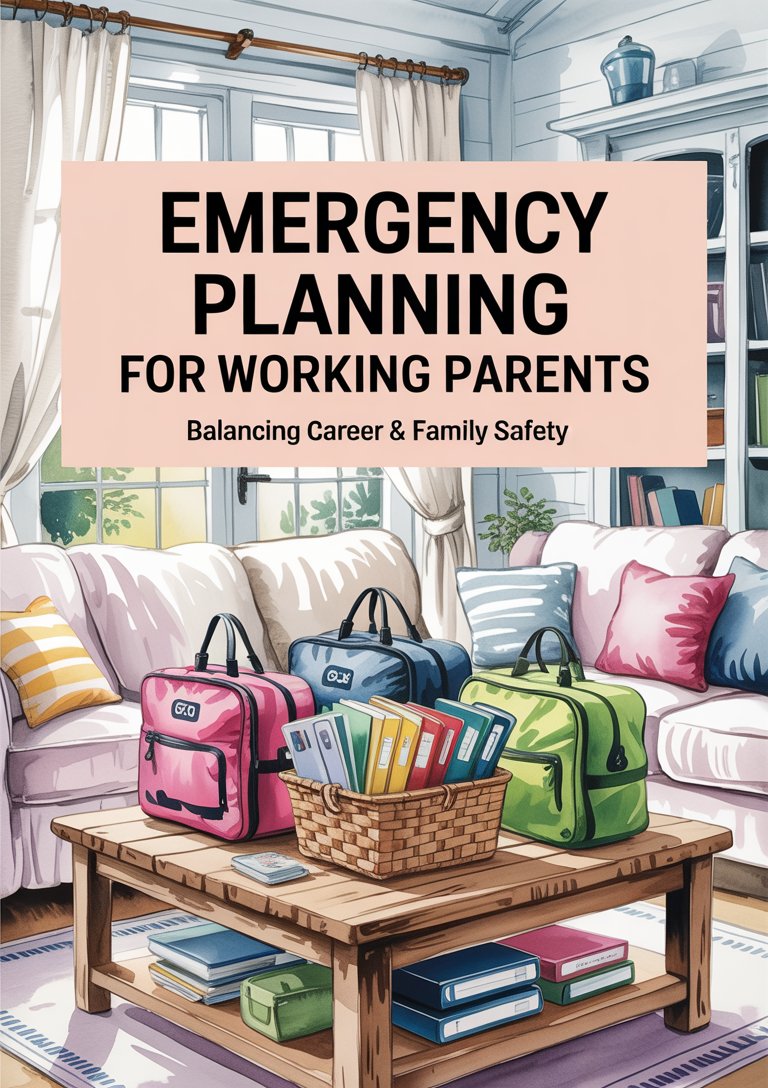
- If you’re juggling a career and kids, our emergency planning working parents guide has quick-start tips.
- New parents can find baby-specific additions in emergency planning new parents.
- Caregivers supporting seniors or loved ones with special needs should visit emergency planning caregivers.
- Multi-generational households will get top strategies for emergency planning multi generational.
Tips For Staying Prepared
Building your stash is just the start. We’re in this together, so let’s keep the momentum:
- Schedule a mini-audit every season—spring, summer, fall, and winter—to swap, test, and tidy your supplies.
- Involve the whole family: assign one person to check the flashlight, another to rotate snacks. Teamwork makes it stick.
- Label each container with a “Last Checked” date to avoid guesswork.
- For a deeper dive on creating a complete family emergency plan, check out our complete family emergency planning resource.
- Keep a simple map or list of your home’s shutoff valves and emergency exits taped inside a cupboard door.
Cabin Chat
Q: How much bottled water do we really need?
A: Aim for one gallon per person per day, factoring in drinking, cooking, and basic hygiene. Plan for at least three days.
Q: Can I use my everyday canned goods, or should I buy special ones?
A: Regular pantry cans work perfectly. Just rotate them—use the oldest ones first in your weekly meals to keep the kit fresh.
Q: What’s the best spot to store supplies?
A: A cool, dry place off the floor. A closet shelf, garage cabinet, or labeled tote in the basement all work well.
Q: How often should I test devices like flashlights and radios?
A: Quarterly checks are ideal. Swap in fresh batteries, test each item for a few minutes, and note the date you did it.
Q: Are Ziploc bags really that helpful?
A: Absolutely. They seal out moisture, organize small parts, and can keep important papers safe from water damage.
Q: My kids ask about emergency plans—what’s a simple starting point?
A: Use a basic family meeting to review exits, pick a meeting spot, and show them where supplies live. That’s half the battle won.
Remember, an emergency kit built around what you already own is both budget-friendly and family-friendly. You’ve got this—one small step today makes a big difference tomorrow.