20 Emergency Planning Wins You Can Celebrate Right Now
Ever feel like your emergency to-dos are never-ending?
I totally get it, we’re all balancing family schedules, work demands, and life’s little surprises. So here’s the thing, celebrating small wins can really lift your spirits—and keep you moving forward.
These 20 emergency planning achievements are proof that your efforts are adding up, one step at a time.
Whether you’ve gathered basic supplies or mapped out a family meet-up spot, each victory is worth a high-five.
Let’s get started and toast to the progress we’ve made together.
1. Family Emergency Contact List
You’ve gathered phone numbers, emails, and out-of-town contacts for every person in your household. That means if cell service hiccups or you’re all in different places, everyone still has a reliable way to reconnect. We’ve all been there—frantically searching for grandma’s number when the power flickers. Now you can breathe easier knowing it’s all in one spot.
2. Emergency Supply Kit
Your go-to box is stocked with snacks, flashlights, batteries, and other essentials you likely had on hand. It’s amazing how quickly a few shelf staples turn into a lifesaver bag. If you’re curious what else to stash, check out our list of emergency supplies you already own for budget-friendly ideas.
3. Water Storage Plan
You’ve set aside at least one gallon of water per person per day, plus a bit extra for pets and cooking. Whether it’s jugs in the garage or bottles rotating through your pantry, knowing everyone stays hydrated during an outage is such a relief. Water worries—checked.
4. First Aid Basics Learned
You’ve brushed up on bandaging, CPR basics, or at least kept a clear guide taped to the fridge. Perfect stitches aren’t required, but having confidence to treat cuts or minor burns could make all the difference. Trust me, you’re not alone in feeling jittery about injuries—this win shows you’ve got the tools to stay calm under pressure.
5. Emergency Communication Plan
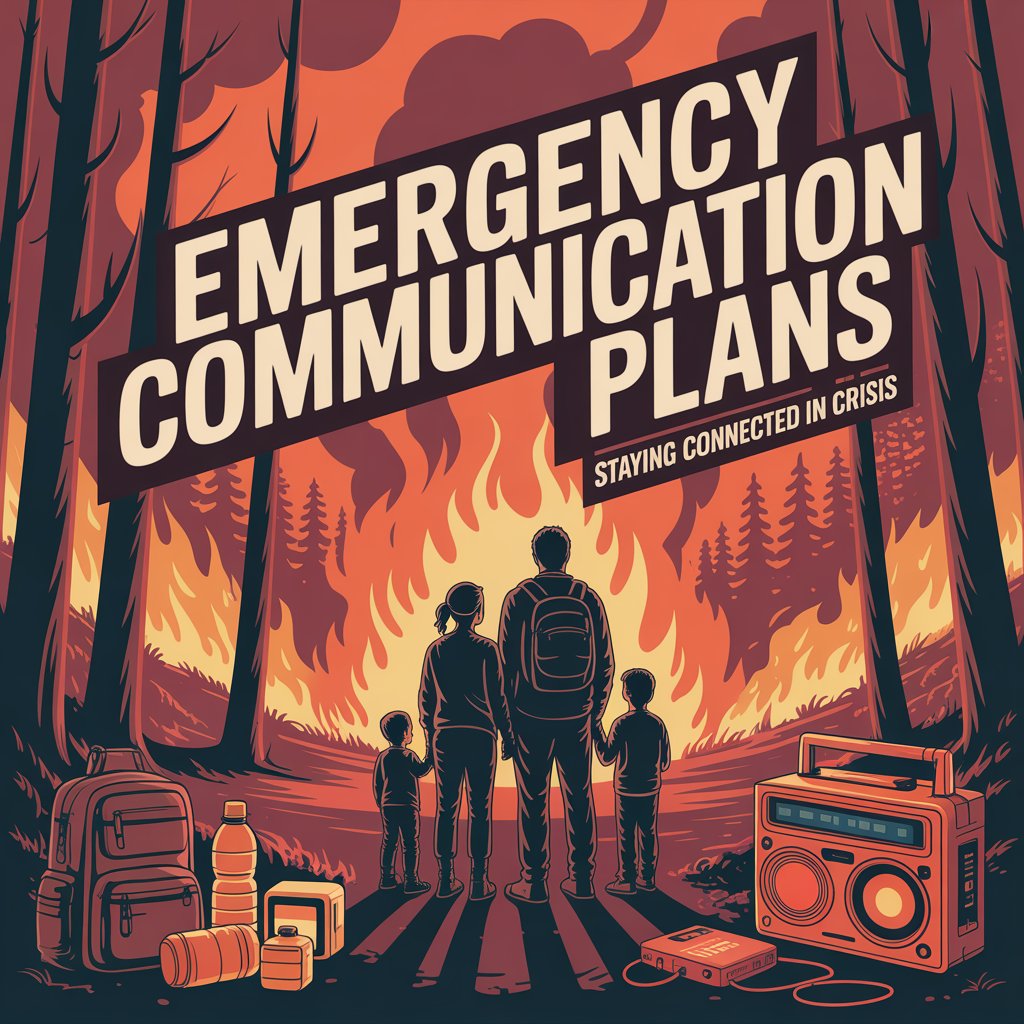
You’ve chosen clear ways to share updates—group texts, walkie-talkies, or an alternate meeting app. Everyone in the family knows how to “check in” if cell towers go down. For more on staying connected when it matters most, see our guide on emergency communication planning.
6. Designated Meeting Spot
You and your crew have agreed on a safe location outside the home—a mailbox, neighbor’s porch, or playground bench. Having one agreed-upon spot removes that frantic “Where is everyone?” panic if you get separated. It’s a simple decision that pays off big when you least expect it.
7. Important Documents Saved
You’ve scanned passports, insurance policies, and birth certificates into a password-protected folder or a waterproof pouch. That means when you need IDs, deeds, or medical records in a hurry, you’re ready. If you want a handy checklist, our emergency planning documents breakdown covers every must-have.
8. Pet Care Arrangements
Your furry or feathered family members aren’t an afterthought anymore. You’ve stashed extra food, meds, and leashes in your kit and noted which friends or kennels can help out if you must evacuate. That’s peace of mind for both you and your fur babies.
9. Home Safety Drills
You’ve practiced simple fire, earthquake, or tornado drills with your kids. Everyone knows the safe spots and exits—even the tiniest family members feel like pros. If you’re wondering how to keep drills fun, try our tips to practice emergency plans with kids.
10. Neighborhood Network Established
You’ve met a few neighbors, swapped numbers, and agreed to watch each other’s homes if disaster strikes. That kind of grassroots support turns a scary scenario into a community effort. Plus, you’ve got new friends who’ve got your back.
11. Family Roles Assigned
You’ve asked each person to take on a task—one sibling handles water, another preps the grab-and-go bag, and an adult checks the car. Assigning roles streamlines action and keeps everyone invested. It’s a simple way to turn uncertainty into teamwork.
12. Financial Backup Fund
You’ve started a small stash of cash in an envelope or separate account for emergencies. Even $20 or $50 builds up faster than you’d think. If you want budgeting pointers, peek at our financial emergency planning tips for families on the go.
13. Insurance Policies Reviewed
You’ve skimmed through your home, auto, and health insurance to confirm coverage levels and deductibles. No more guessing games when it comes to filing claims—you know exactly what’s protected and what might need an upgrade.
14. Backup Power Options
You’ve tested a portable charger for phones, and maybe you’ve borrowed a neighbor’s generator or purchased a small solar lantern. Those little lights and charged devices can feel like a beacon in a blackout. Celebrate knowing you won’t be left in the dark.
15. Evacuation Route Mapped
You’ve plotted at least two ways out of your neighborhood, complete with landmarks and alternate paths. Whether roadblocks or flooding pop up, you’ve got a plan B. That map on your fridge? It’s more than decoration now.
16. Car Emergency Kit
Your vehicle has a roadside pouch with jumper cables, first aid gear, snacks, and water. Even if you’re miles from home, you’ve got supplies to keep you safe until help arrives. It’s like having a mini shelter on wheels.
17. Child Safety Skills
Your little ones know how to dial 911, recite their address, or stop-drop-and-roll. Those simple lessons give kids confidence and keep them calm if something goes awry. If you need pointers on having open conversations, see our advice on emergency planning conversations with kids.
18. Emergency Go-Bags Packed
Each family member has a backpack with a change of clothes, personal meds, comfort items, and a list of contacts. Those go-bags by the door mean you’re always ready to head out in a hurry with no last-minute scramble.
19. Community Resources Listed
You’ve jotted down local shelters, food banks, and emergency hotlines. Knowing exactly where to turn for help takes a huge load off your mind. Plus it’s a reminder that support is just around the corner.
20. Regular Plan Updates
You’ve set a quarterly reminder to review and tweak your plan—swap out expired meds, update contact info, and refresh supplies. That habit keeps everything current. If you’re ever wondering whether an emergency plan needs an update, that calendar ping will have you covered.
That Was Fun, Right?
Seeing all these wins lined up proves you’ve already come so far. Each accomplished item—no matter how small—adds layers of safety and confidence for your family.
Keep celebrating these milestones, adjust as life changes, and don’t forget to pause and applaud yourself along the way. You’ve got this.
Cabin Chat
- What’s the easiest win to start with?
Try your emergency contact list—it takes minutes and makes a big difference. - How often should we practice drills?
Aim for once every season so everyone stays sharp and routines stick. - My kids get bored doing drills. Any tips?
Turn it into a game—hide a surprise or challenge them to beat a timer. - Can I mix budget items with store-bought kits?
Absolutely. Combining pantry basics with an inexpensive kit is smart and wallet-friendly. - What if our plan changes schools or jobs?
Update contacts, routes, and roles right away, then share the news in a quick family huddle. - How do I involve grandparents or distant relatives?
Share your contact list digitally and ask for their local recommendations or alternate meeting spots. - We have pets—how do we include them?
Assign someone to grab the pet go-bag first, and practice loading carriers so it’s second nature.
Keep celebrating these victories, stay flexible, and know you’re building resilience one win at a time.