The Psychology of Emergency Planning Building Confidence Over Fear
Psychology Emergency Planning Confidence
Ever feel a flutter of panic when you hear about severe weather or a neighborhood power outage?
You’re not alone.
When we explore the psychological benefits of emergency planning, it’s clear that thoughtful preparation soothes our nerves and keeps fear from taking over. Trust me, this isn’t about stocking up so much that you need a second garage—it’s about tiny, manageable steps that create real peace of mind.
As busy moms and caregivers, our plates are already overflowing with school runs, meal prep, and doctor’s appointments. The idea of adding emergency planning to the mix can feel overwhelming.
That’s exactly why understanding the psychological side of preparedness is such a game-changer. It helps us break down big, scary ideas into bite-sized bits, so we chip away at tasks instead of staring blankly at a mountain of supplies.
Here’s the thing: confidence doesn’t come from having the fanciest gear. It comes from small wins and the knowledge that you’ve taken action. So here’s a thought: let’s shift focus from “I hope I remember everything” to “I know exactly what to do.”
Before we dive in, if you want a practical, step-by-step roadmap, check out our complete family emergency planning guide.
In this post, however, we’ll lean into the why behind our feelings and the how behind building unshakeable confidence. By the end, you’ll have a friendly blueprint for turning that knot in your stomach into a steady sense of “I got this.”
Understand Fear Responses
I totally get it—fear is our brain’s way of shouting, “Pay attention!” But when that internal alarm goes off full blast, it can freeze us instead of focusing us. Let’s unpack what happens:
- Fight-or-flight reaction. Stress hormones sharpen our senses but narrow our thinking.
- Overwhelm sets in. A vague “what if” can feel like a storm cloud, and we don’t know where to start.
- Anxiety loops. Questions like “What if I forget something?” or “What if I mess up?” keep our minds spinning.
Here’s the thing: fear isn’t the enemy—it’s information. It pinpoints where we need to focus energy, whether that’s creating a simple evacuation route or learning basic first aid. When we understand these triggers, we can work with them instead of against them.
Try this quick exercise:
- Write down your top three emergency worries.
- Next to each, jot what would make you feel more prepared.
- Pick one small step you can take this week to address each worry.
Naming your fears takes away some of their power. “Lack of clarity” becomes “I’ll read one short guide,” and “I can’t find the time” turns into “I’ll spend five minutes tonight assembling a mini kit.” Those baby steps reframe fear into forward motion—and that’s where confidence begins.
Harness Confidence Strategies
Building confidence is like strengthening a muscle—it takes consistent, bite-sized workouts. When we tap into psychology-driven techniques, we move from “I hope I remember what to do” to “I’ve got a plan.” Try these friendly strategies:
- Start With Small Wins
- Pack a basic first aid kit in under 15 minutes.
- Celebrate each completed task—text yourself a self-five or jot it in your planner.
- Learn a Key Skill
- Sign up for a free online CPR or first aid class.
- Practice simple fire safety drills with your family.
- Build Habit Stacks
- Link a quick emergency check to your Sunday morning coffee routine.
- Repeat small actions so they glide into habit without huge willpower surges.
- Use Visualization and Role Play
- Close your eyes and mentally walk through an evacuation drill.
- With older kids, let them role-play scenarios so everyone knows their part.
- Leverage Support Tools
- Set recurring phone reminders for supply checks and plan reviews.
- Use a colorful wall calendar to mark practice sessions.
If you’re on a tight spending plan, check out our tips for emergency planning any budget. You’ll be amazed at how much you already have at home. Bonus: these moves don’t just boost your readiness, they offer surprising emergency planning mental health benefits—like reduced stress and clearer thinking when things get tense.
Keep a simple log—whether it’s a digital note or a page in your household binder. Seeing a tally of completed actions is like stacking invisible confidence blocks beneath your feet. Before you know it, you’ll look back and marvel at how far you’ve come.
Tailor Plan To Family
No two households are identical. The real magic lies in customizing each piece of your plan so it fits your daily life like a glove. Let’s fine-tune yours:
- Assess Unique Needs
- List medical conditions, allergies, or mobility considerations.
- Note pet care routines and comfort items for little ones.
- Map Likely Scenarios
- Are you in a flood zone, wildfire-prone are,a or city apartment?
- Adapt for power outages if you’re off-grid or have quick exits in multi-unit buildings.
- Assign Family Roles
- Decide who grabs the go-bag and who gathers the kids.
- Identify an out-of-area contact everyone can reach.
- Adapt Communication Plans
- Establish a main text chain and backup contacts.
- Dive into our emergency communication planning guide for message templates.
- Weave Into Routines
- Practice a quick drill before your family’s favorite TV show.
- Check supply kit items during your weekly grocery run.
By embedding tasks into familiar habits, emergency prep becomes a natural part of your flow instead of a separate chore. Sketch your household’s daily rhythm—wake-ups, school drives, dinner prep—and overlay emergency tasks. That visual cue often sparks pockets of time you didn’t know you had, making planning feel less like “one more thing” and more like “we’ve got this covered.”
Practice and Prepare Regularly
You wouldn’t learn to ride a bike without pedaling a few times, right? Emergency skills require the same hands-on rehearsal so they become second nature. Here’s how to keep your family sharp:
- Schedule Short Drills
- Aim for a 10-minute drill monthly—evacuation route, shelter-in-place, or first aid.
- Treat it like a quick game, set a timer, and cheer each other on.
- Rotate Focus Areas
- January: review checklists and documents.
- April: test communication protocols.
- July: repack or refresh go-bags.
- For timing ideas, see how often update emergency plans.
Involve Every Age
- Toddlers can hunt for flashlights.
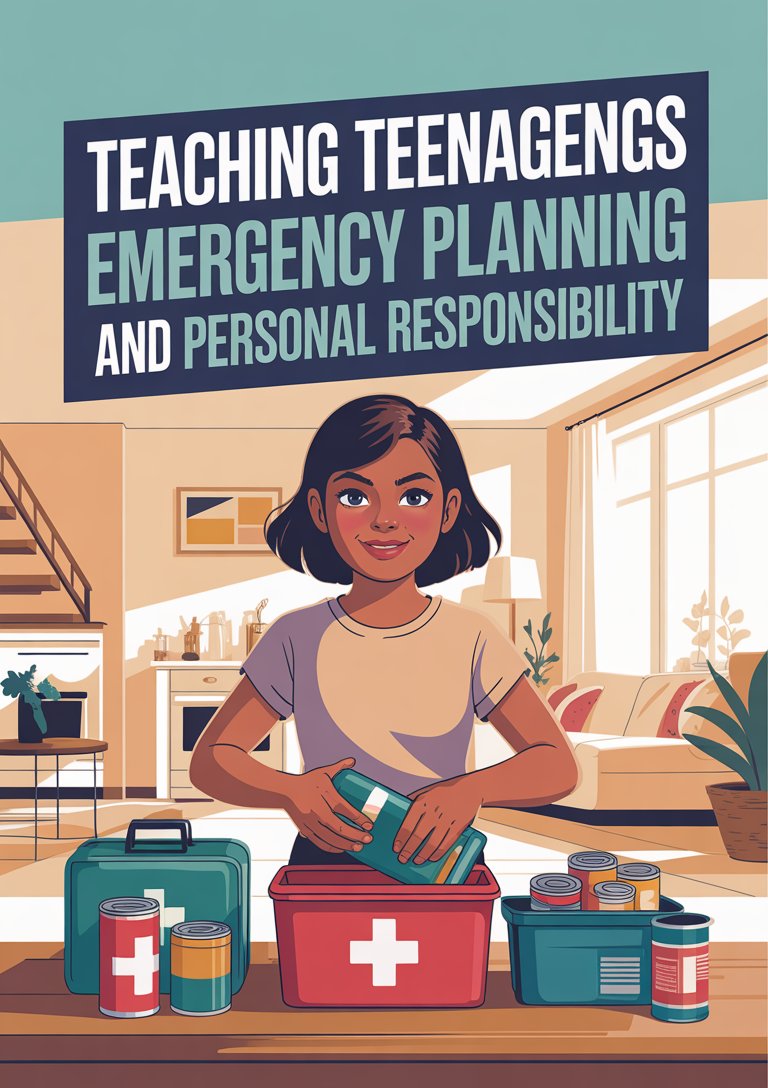
- Teens lead a family debrief on what went well.
Debrief After Drills
- Keep it light: “What surprised us?” and “What can we tweak?”
- Note one quick improvement and assign it as that week’s mini-task.
Refresh Supplies
- Use drills as reminders to swap expired snacks, meds, or batteries.
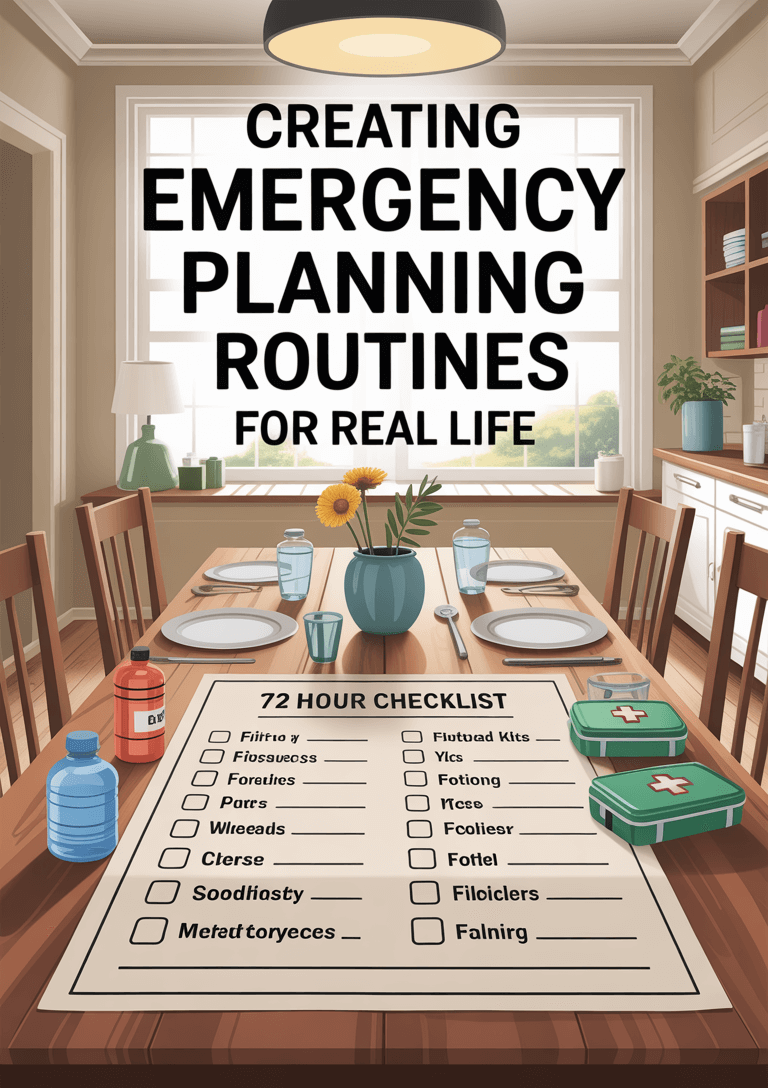
- Keep a running checklist on the fridge or in your planner.
Consistency cements confidence. Even a quarterly mini-drill puts you ahead of most folks. If you need fresh ideas for involving teens or siblings, check our practice emergency plans kids. Better yet, tie drills to seasonal markers—daylight saving time or family birthdays—to keep momentum without extra scheduling stress.
Encourage Family Participation
When everyone owns a piece of the plan, your confidence soars. Let’s make prep a true team effort:
- Host a Planning Huddle
- Pick a casual moment—pizza night or Sunday brunch—to chat “what ifs.”
- Frame it as a fun team challenge, not a lecture.
- Assign Fun Roles
- Snack manager to stock comfort foods.
- Communication lead to test message chains.
- Even little ones can check supplies or sound the “all clear” alarm.
- Turn Tasks Into Games
- Race to pack go-bags with a timer and award the first pick of movie night.
- Create a sticker chart for each successful drill.
- Share Real-Life Stories
- Remind kids of the time you lost power and scrambled for candles.
- Ask for their ideas—when they feel heard, they feel invested.
- Celebrate Every Win
- High-fives, shout-outs at dinner, or a small treat make prep memorable.
If your schedule feels jam-packed, simply brainstorm natural windows—like lunchtime or after school—when you can batch small tasks. A little creativity goes a long way toward turning eye-rolls into high-fives. And once everyone owns a role, they’ll remember their part when it truly matters.
Maintain And Refresh Plan
Life moves fast—kids grow, routines shift, and risks evolve. A plan that sits untouched gathers doubt. Let’s keep yours reliable and relevant:
- Set Annual Review Dates
- Tie a plan check to birthdays or the new year.
- Use calendar alerts so nobody forgets.
- Audit Supplies and Documents
- Rotate water, food, meds, and batteries.
- Update copies of insurance, medical record,s and school forms in your emergency planning documents folder.
- Retest Communication
- Send test messages or check walkie-talkies.
- Confirm out-of-area contacts still work.
- Reflect on Lessons Learned
- After drills or real events, ask “What surprised us?”
- Keep a simple log of tweaks—it becomes a confidence diary.
- Renew Certifications
- Check expiry dates on CPR or first aid.
- Sign up for a refresher course if you can.
By pairing plan upkeep with familiar chores—spring cleaning, back-to-school prep or monthly bill days—you’ll keep confidence high without drama. Regular reviews squash that nagging doubt of “Did I forget something?” and reinforce your family’s shared resilience.
Cabin Chat
- Q: What if we mess up a drill?
A: Mistakes are your best teachers. Note what went sideways, tweak the plan, and try again. Every stumble builds confidence. - Q: How do I include young kids without scaring them?
A: Turn drills into stories or scavenger hunts—find flashlights or practice lining up for an “imaginary rocket.” Fun memories stick. - Q: I’m on a tight budget, where do I start?
A: Focus on basics: water, a flashlight, and first aid. You probably have many items at home already. See our emergency planning and budget tips for thrifty hacks. - Q: How often should we practice?
A: Aim for a quick drill each quarter and a full run-through annually. Tying it to seasons or birthdays helps it stick. - Q: My teen seems uninterested—any ideas?
A: Give them real ownership, like mapping evacuation routes or managing snack rotation. Responsibility sparks motivation. - Q: Can planning really reduce my anxiety?
A: Absolutely. Proactive prep lowers stress hormones and builds mental resilience, so you stay calm when it counts. - Q: What if our situation changes suddenly?
A: Treat change as a cue to revisit your plan. Update roles, supplies, and communication paths to match your new reality. You’ve got this.