Creating Emergency Planning Routines for Real Life
Ever feel like adding one more task to your already overflowing to-do list is just impossible? Trust me, I get it. Carving out time for emergency planning routines, real-life families can actually stick to might seem daunting, but it’s one of those things that pays off in confidence and calm when things get shaky.
In this guide, we’ll walk through straightforward, family-focused steps to build routines that fit your schedule, your budget, and your peace of mind. Let’s dive in together.
Assess Your Family Needs
Before you stock up on supplies or draft contact lists, take a moment to map out what your family truly needs. We’re all different—our homes, routines, and risk factors vary—so a one-size-fits-all plan rarely works.
So here’s the thing… start with a simple home visit. Walk through each room and ask yourself:
- Who’s in the house? Note ages, mobility limitations, medical conditions, pets
- What emergencies could happen? Consider local threats like floods, power outages, winter storms, wildfires
- Where might you meet? Identify safe spots inside and outside your home, and an offsite rendezvous point
- Which documents matter most? Gather IDs, insurance papers, medical records—write down key details
That quick run-through gives you a clear picture of gaps and priorities. Once you have that snapshot, you’re ready to move on. If you’d like a deeper dive into mapping every corner of your plan, check out complete family emergency planning for a comprehensive template.
Gather Essential Supplies
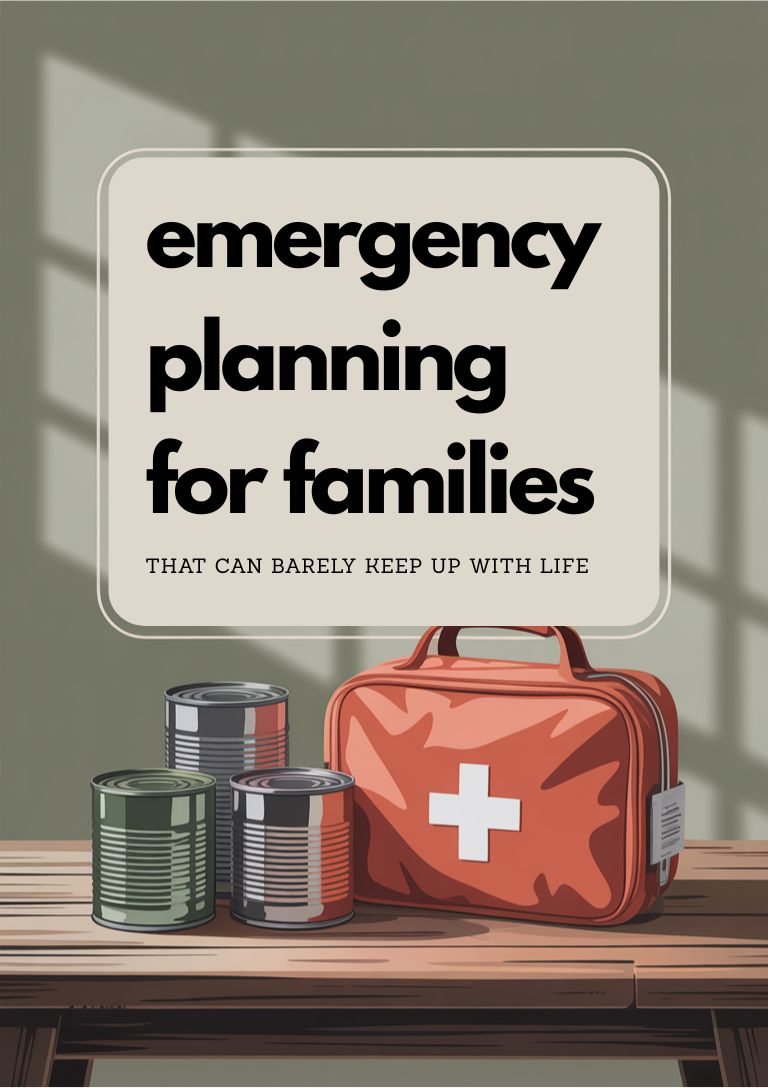
Trust me, assembling a simple emergency kit doesn’t have to break the bank. Your goal is to cover basic needs for 72 hours, and that looks different for each household.
Here’s a thought… break it down into four main categories:
Water and Food
- One gallon of water per person per day
- Nonperishable snacks like granola bars, canned beans, dried fruit
First Aid and Medical
- Bandages, antiseptic wipes, pain relievers
- Prescription meds in clearly labeled bags
Tools and Gear
- Flashlights with extra batteries or crank-powered lanterns
- Multi-tools, whistle, dust masks, duct tape
Comfort and Hygiene
- Baby wipes, hand sanitizer, toothbrushes
- Blankets, ponchos, changes of clothes
That list might look long, but remember—you probably already own many of these items. And if you’re watching your wallet, our tips at emergency planning any budget can help you assemble smart, low-cost kits. For a quick checklist of what to round up from your pantry right now, peek at emergency supplies already own.
Establish Communication Plans
In an emergency, cell service can get spotty. Having a backup plan for staying in touch can be a total game-changer.
I know how it feels… picture the panic if you can’t reach your partner or your kids. Let’s build a safety net:
- Create a Contact List
- List phone numbers, emails, and social media handles for family, neighbors, school offices
- Share a printed copy and a digital copy (like a screenshot saved offline)
- Choose a Meeting Spot
- Pick two places: one near home and one outside the neighborhood (a friend’s house, a library)
- Assign Roles
- Who makes the “all clear” call? Who checks on elderly relatives or pets?
- Practice Fallback Methods
- Agree on text messages or social media posts with code words (like “green light” for safe)
If you want more ideas on signal strategies and fallback options, see our deep dive at emergency communication planning. And when you’re ready to involve the kids in these chats, check out emergency planning conversations kids for age-appropriate tips.
Practice Emergency Drills
We’ve all been there… you flashback to school fire drills where nobody took it seriously. At home, practicing can feel silly—but it’s crucial.
Here’s how to keep drills simple and stress-free:
Announce the Drill
- Give a quick heads-up so no one panics (for younger kids, frame it as a game)
Follow Your Plan
- Everyone exits via the planned route, meets at the designated spot
- Time yourselves and note any obstacles or confusion
Debrief Briefly
- What went well? What tripped you up?
- Adjust your plan or swap roles if needed
Include Special Scenarios
- Nighttime drill with low lights
- Shelter-in-place drill for severe weather
- Practice packing your go bag or grabbing key documents
You don’t need a PhD in safety to make these drills count. Even one drill every three months builds muscle memory. For kid-friendly activities and checklists, see practice emergency plans kids. So grab a stopwatch, set a timer on your phone, and treat it like a quick family challenge—winner gets the best seat for movie night.
Build Budget-Friendly Routines
Emergency planning doesn’t have to be a weekend-long marathon. Small, consistent habits woven into your regular week can keep plans fresh without stress.
Let’s explore this… here are routine-building ideas:
- Rotate Supplies Monthly
- Swap out expired canned goods or batteries
- Drop stale items into your meal plan so nothing goes to waste
- Assign Weekly Tasks
- One child checks flashlights and smoke detectors
- Another updates the contact list on the fridge
- Use Calendar Reminders
- Set a quarterly alert on your phone for drill day
- Block a 15-minute “plan check” session on a Sunday afternoon
- Leverage Errands
- Pick up extra water when you’re at the store
- Ask kids to grab first-aid refills if they notice something’s missing
That might sound minor, but bite-sized tasks add up quickly. And if you prefer weekend blitzes, check out weekend emergency planning tasks for a structured sprint that wraps everything in a couple of hours. It’s amazing how a little consistency keeps you ahead of the curve.
Review And Update Plans
An outdated plan is almost as bad as no plan at all. Life changes—new babies, aging relatives, moving homes—so you’ll want to revisit your routines at least twice a year.
Here’s a simple update checklist:
- Check Supplies
- Expiration dates on food, meds, batteries
- Condition of backpacks, flashlights, shelter gear
- Refresh Contacts
- Have phone numbers changed? Any new neighbors or caregivers to add?
- Reevaluate Risks
- Has your area experienced new hazards—wildfires, floods, power grid issues?
- Update your meeting spots if routes or traffic patterns shifted
- Reassign Roles
- As kids grow older, they can take on more responsibilities
- Switch tasks to keep everyone engaged
Wondering how often to update? Our guide on how often update emergency plans recommends aligning with daylight saving time changes—an easy biannual reminder. And if you notice your plan needs a makeover, swing by emergency plan needs update for tips on refreshing without feeling overwhelmed.
Cabin Chat
How often should I practice drills with young kids?
Aim for a quick drill every three months, then chat about what felt easy or tricky. Keep it playful so it doesn’t feel like a chore.
What if my kids get scared during a drill?
Acknowledge their feelings—“I know fire alarms are loud”—then reinforce that this practice keeps them safe. Offer reassurance and maybe a small reward for bravery.
Can I tailor plans if money is tight?
Absolutely. Start with what you have: fill a backpack with a few snacks, water bottles, and flashlights. Build up gradually using sales or free community resources.
How do I involve toddlers or nonverbal kids?
Use picture cues—stickers on windows for exits, color-coded backpacks—and practice moving together. Keep instructions simple and show, don’t just tell.
Should I coordinate with my child’s school plan?
Yes, syncing home and school routines helps kids understand what comes next. Talk to teachers about meeting spots and practice similar drills at home.
What documents should go in a go bag?
Copies of IDs, insurance cards, a list of medications, and emergency contacts. Keep originals locked at home, but grab duplicates in a waterproof pouch.
How can I stay calm when everything feels urgent?
Take deep breaths, focus on one step at a time, and remind yourself that preparation reduces chaos. Sip water, call a friend for support, and lean on your routines—they’re your safety net.
You’ve got this. Emergency planning routines don’t have to be another stressor—they can become simple, reassuring rhythms in your daily life. Keep tweaking, stay curious, and celebrate each step you check off. After all, every small action you take today brings greater confidence and security tomorrow.