12 Toxic Foods That Cause Emergency Vet Visits
Discover The Hidden Danger
Ever find yourself tempted to share a tasty snack with your furry friend?
Maybe you’ve got those big puppy eyes staring up at you, and it feels nearly impossible to resist.
Truth is, certain foods can be extremely harmful to your pet’s health. That’s why we’re here to explore some of the most toxic foods for pets, highlighting the ones that too often lead to emergency vet visits.
No judgment if you’ve slipped your buddy a bite of hamburger before—we’ve all been there. But let’s shine a light on what’s risky, so you can help keep your companion safe and healthy.
The good news? Once you know what to avoid, it becomes so much simpler to choose safer alternatives. Let’s walk through 12 commonly reported offenders. After that, we’ll share a few tips on how to be extra prepared for any pet-related emergency that might come your way. We’re all in this together, friend, so let’s go!
1. Chocolate, Coffee, And Caffeine
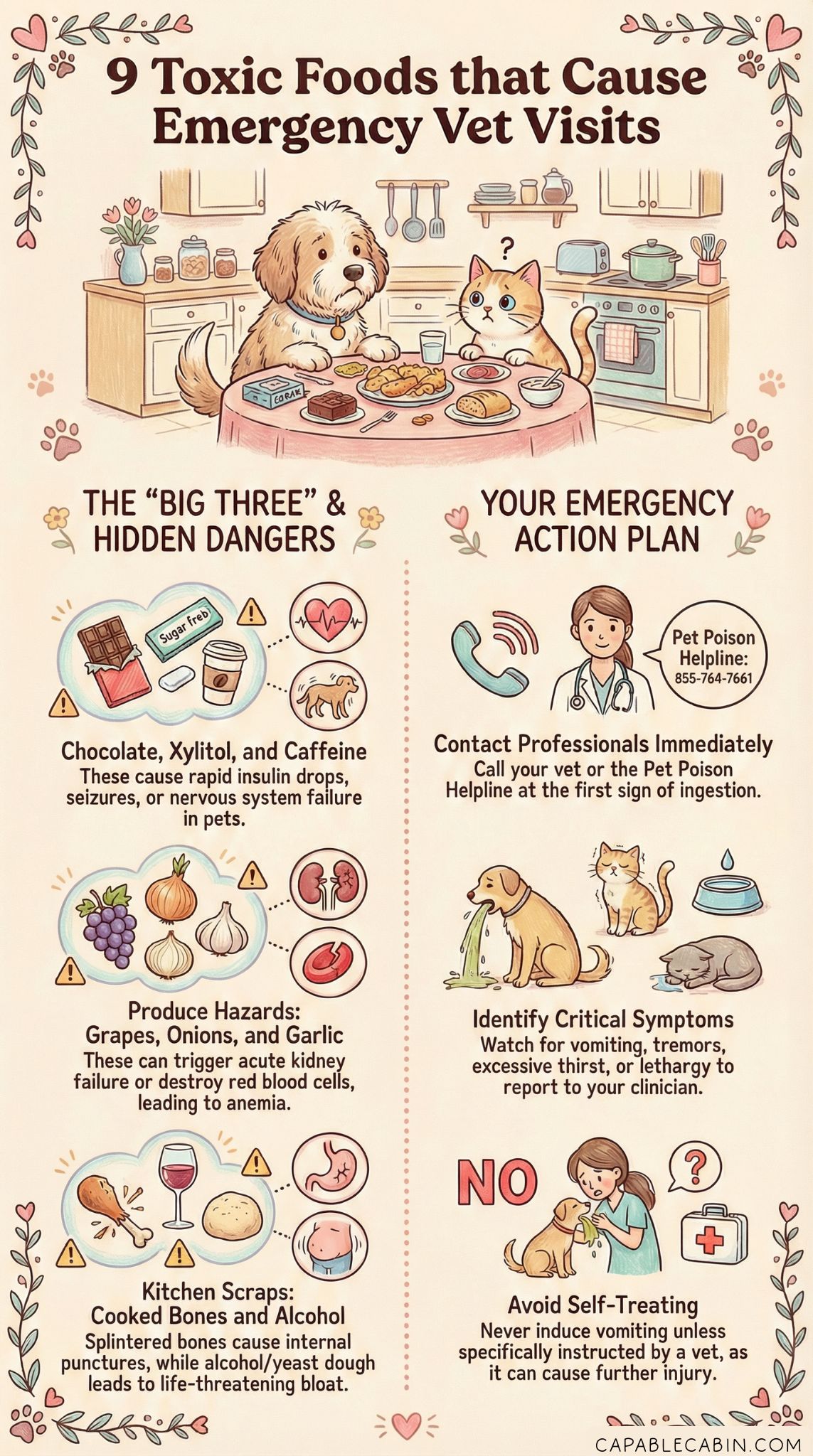
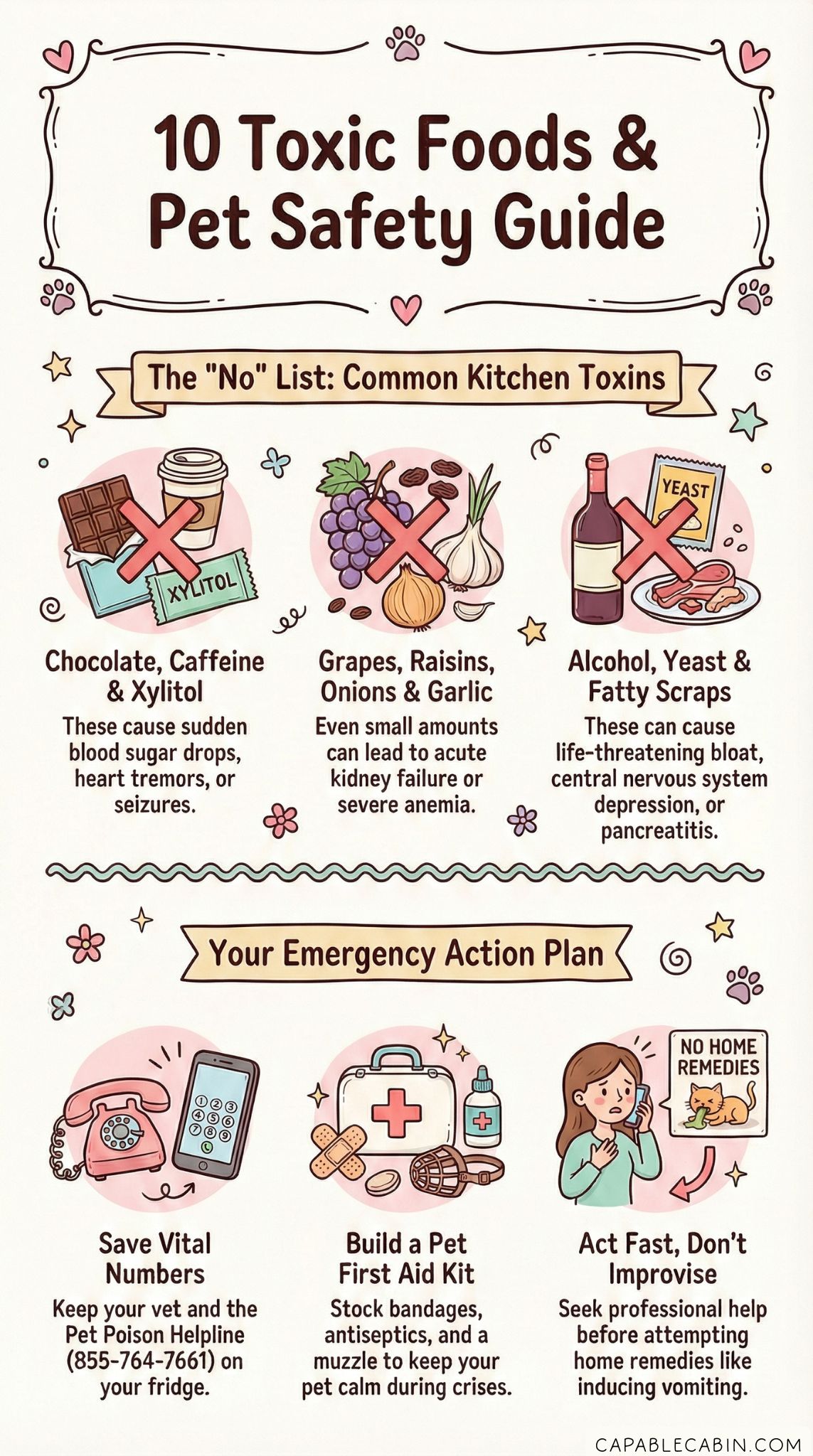
Chocolate is probably the most well-known hazard on this list, and for good reason. Chocolate, along with coffee, contains methylxanthines (caffeine and theobromine) that spell trouble for your four-legged family members. The higher the cacao content (think dark chocolate or cocoa powder), the greater the risk. Even small amounts can lead to vomiting, diarrhea, tremors, increased heart rate, and, in severe cases, seizures and death. Coffee, energy drinks, or anything else with high caffeine levels can cause similar complications.
- Why It’s Harmful: Methylxanthines affect your pet’s nervous system and cardiovascular function in ways they simply aren’t equipped to handle.
- Common Symptoms: Vomiting, panting, restlessness, racing heartbeat, tremors, or seizures.
- What To Do: If you even suspect your pet snagged a piece of dark chocolate or slurped up some spilled coffee, call your veterinarian or an emergency vet clinic. [1]
2. Grapes And Raisins
You might expect fruits to be relatively safe, right? Oddly enough, grapes and raisins can be extremely hazardous for dogs and cats. They carry a toxin that can lead to acute kidney failure—fast. Even a tiny portion can trigger severe reactions in some pets, while others might seem fine until symptoms escalate.
- Why It’s Harmful: Researchers still aren’t 100% certain which compound in grapes and raisins is the culprit, but we do know the outcome can be devastating, including irreversible kidney damage.
- Common Symptoms: Vomiting, diarrhea, excessive thirst or urination, lethargy, and loss of appetite.
- What To Do: Contact your veterinarian immediately if you notice your pet has consumed grapes, raisins, currants, or any related foods. Time is of the essence here. [2]
3. Onions And Garlic
A little bit of onion powder in your stew might not seem harmful to you, but to your pet, onions and garlic—even in small amounts—can be toxic. Whether raw, cooked, powdered, or dehydrated, these pungent ingredients contain compounds that damage your pet’s red blood cells, leading to anemia.
- Why It’s Harmful: Onions and garlic have thiosulfate, which triggers hemolytic anemia. In large enough quantities, this can become fatal.
- Common Symptoms: Weakness, pale gums, and reduced tolerance for exercise. Some pets develop a rapid heart rate or breathing difficulties.
- What To Do: Double-check labels of soups, sauces, or baby foods that might include onion powder. Call your vet if your pet shows any signs of distress. [2]
4. Avocado
Avocados can be a healthy choice for humans, but for pets—especially birds—avocado skin and leaves contain a toxin called persin. Even if you’ve scooped out the green flesh, the high fat content in avocados can contribute to gastrointestinal upset and pancreatitis in dogs.
- Why It’s Harmful: Persin can be dangerous, and the fruit’s high fat content can lead to internal inflammation.
- Common Symptoms: Vomiting, diarrhea, or discomfort after ingestion. In extreme cases, difficulty breathing or fluid buildup around the heart.
- What To Do: Keep that guacamole bowl (and any avocado scraps) away from your pets. If accidental ingestion happens, give your vet a quick call to rule out complications. [2]
5. Alcohol And Yeast Dough
You probably already know not to serve alcohol to your pet—but maybe you’re thinking just a tiny sip of beer can’t hurt. Unfortunately, even small amounts of alcohol can be risky. In addition, unbaked yeast dough can ferment in your pet’s stomach, essentially creating alcohol and dangerous gas buildup. That can lead to bloat or even a twisted stomach, which is life-threatening.
- Why It’s Harmful: Alcohol depresses your pet’s central nervous system, leading to vomiting, diarrhea, coordination issues, or worse. With yeast dough, the body heat triggers further fermentation, producing ethanol and painful gas.
- Common Symptoms: Vomiting, imbalance, lethargy, tremors, and in severe cases, respiratory failure.
- What To Do: If you suspect your pet swallowed yeast dough or lapped up your cocktail, call the vet. Look out for bloating, excessive salivation, or a distended abdomen. [1]
6. Xylitol
Xylitol is a sugar substitute used in gums, candies, peanut butter, and even some dental products. While you might appreciate its low-calorie appeal, xylitol can cause sudden drops in your pet’s blood sugar, leading to seizures or possibly liver failure.
- Why It’s Harmful: Xylitol is absorbed quickly into a dog’s bloodstream, causing a massive insulin release that leads to hypoglycemia. Long-term exposure or high amounts can damage the liver.
- Common Symptoms: Weakness, disorientation, tremors, seizures, and collapse.
- What To Do: Always check labels for xylitol, especially on peanut butter jars, gum packs, or sugar-free candies. If your pet ingests something containing xylitol, get immediate veterinary help. [2]
7. Milk And Dairy
Picture this scenario: you’re savoring a bowl of ice cream, and your dog gives you that longing gaze. You might think, “A quick lick can’t hurt.” But many pets lack the enzyme to break down lactose effectively, so milk, cheese, and other dairy products can result in GI upset.
- Why It’s Harmful: Pets generally have low levels of lactase, the enzyme that processes lactose. Consuming dairy often leads to bloating, gas, or diarrhea.
- Common Symptoms: Loose stools, excessive gas, abdominal discomfort, or vomiting.
- What To Do: If your dog or cat manages to lick up some spilled ice cream, keep an eye out for tummy troubles. Most mild cases pass, but persistent symptoms might require a vet visit.
- Tip: Consider picking up lactose-free treats specially formulated for pets, or safe snack alternatives like carrot sticks.
8. Raw Meat, Eggs, Bones
Raw diets get a lot of buzz. However, raw or undercooked meat and eggs can carry bacteria such as Salmonella or E. coli, which are dangerous not only for pets but also for you if you handle contaminated items. Raw eggs specifically can interfere with vitamin absorption, and uncooked bones (or even cooked ones) may splinter, leading to choking or tragic internal injuries.
- Why It’s Harmful: Bacteria can lead to infections, and bone fragments can lodge in your pet’s esophagus or intestines.
- Common Symptoms: For bacterial infections—vomiting, diarrhea, fever, lethargy. For bone splinters—coughing, gagging, or visible blood in stool.
- What To Do: Cooking meat and eggs thoroughly kills pathogens. If you notice your pet choking or showing signs of an impaction, rush them to the vet. [1]
9. Nuts And Macadamias
Nuts in general tend to be high in fat, which can stress your pet’s digestive system. Macadamia nuts, in particular, pose a special risk and can trigger neurological symptoms in dogs, including tremors and an unsteady gait. While not every nut is equally toxic, it’s best to err on the side of caution.
- Why It’s Harmful: Macadamia nuts contain an unknown toxin that can affect nerve and muscle function in dogs. High fat content in other nuts can also lead to pancreatitis.
- Common Symptoms: Vomiting, muscle shakiness, weakness, or temporary hind-limb paralysis in serious cases.
- What To Do: Contact your veterinarian if you believe your pet has eaten any quantity of macadamia nuts. Watch for trouble walking or an unusually wobbly stance.
10. Sweet Or Salty Foods
It’s easy to drop a potato chip or a sugary cookie on the floor and think your pet just got a fun treat. Unfortunately, sweet and salty foods often come loaded with ingredients like sugar, salt, artificial flavors, or other additives. Too much salt can cause excessive thirst and even sodium ion poisoning, while sugary treats lead to obesity, tooth decay, and in some cases, a risk of diabetes.
- Why It’s Harmful: High salt content can upset your pet’s electrolyte balance, and loads of sugar can spike insulin levels over time.
- Common Symptoms: Diarrhea, restlessness, tremors, increased thirst, or even seizures.
- What To Do: Avoid offering your dog or cat chips, pretzels, candy, or other junk foods. Keep them happy with pet-safe treats. [1]
11. Marijuana And CBD
With cannabis legalization on the rise, more people have edibles or CBD oils around the house. Cannabis, especially edibles mixed with chocolate or other ingredients, can be toxic to pets. Dogs can become extremely ill, and cats aren’t immune either. CBD products formulated for humans may include other components that harm pets.
- Why It’s Harmful: Ingesting marijuana can lower blood pressure, affect coordination, and depress your pet’s central nervous system.
- Common Symptoms: Drowsiness, stumbling, confusion, or even coma in extreme cases.
- What To Do: Store all cannabis products out of reach. If you notice unusual lethargy or a wobbly walk after your pet sneaks something, call your vet or a poison helpline.
12. Cooked Bones And Fatty Foods
A big holiday meal might leave you with leftover bones or scraps of fatty meat, and it’s tempting to pass them along to your canine taste-tester. But cooked bones can shatter into dangerous pieces that may puncture your pet’s stomach or intestines. Fatty foods can lead to pancreatitis, a serious inflammation of the pancreas that triggers vomiting and pain.
- Why It’s Harmful: Splintering bones pose a physical hazard, and high-fat content can overload your pet’s digestive system.
- Common Symptoms: Choking, labored breathing if a bone shard is lodged, or severe vomiting and abdominal pain from pancreatitis.
- What To Do: Toss cooked bones in a sealed trash can, and don’t feed your pet leftover pork trimmings or greasy sauces. Contact your veterinarian if you see any signs of painful digestion.
Plan For Emergencies
So here’s a thought: even if you’re incredibly cautious, accidents happen. Maybe your kitty sneaks onto the counter while you’re not looking and laps up your whipped cream. Or your dog munches on a piece of chocolate lost under the couch. The best way to handle these moments is to be prepared.
- Have A Vet’s Number Ready
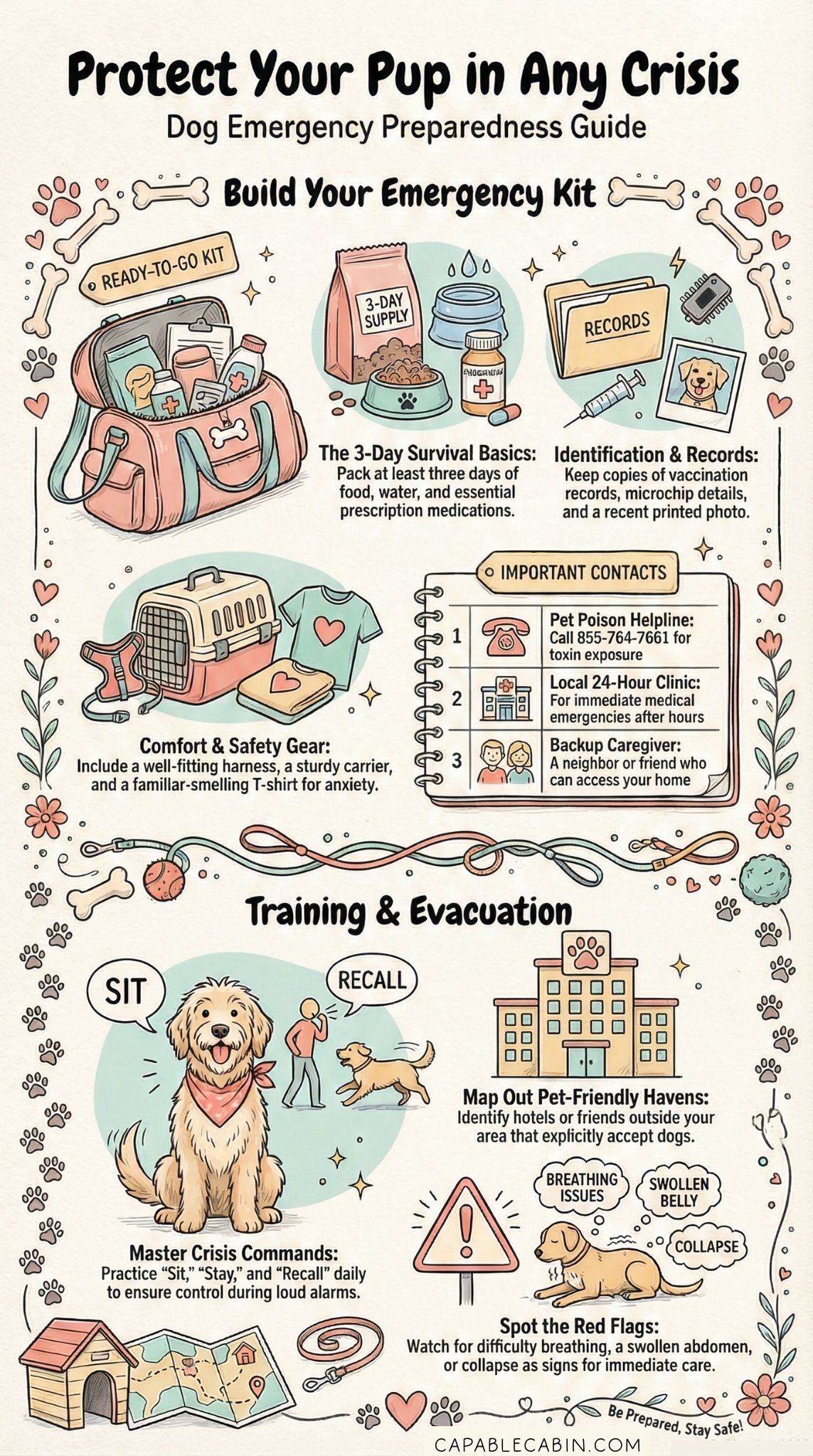
Keep your regular veterinarian’s contact info on your fridge or in your phone, plus the number for the nearest emergency clinic. Jot down the Pet Poison Helpline (855-764-7661) or the ASPCA Animal Poison Control Center (888-426-4435) as well. - Build A Pet Emergency Kit
You never know when you’ll need bandages, antiseptics, or a muzzle to keep your pet calm. If you need a place to start, check out a pet first aid kit list. Stocking these supplies can be a lifesaver, especially if you live in a rural area or find yourself in a crisis. - Practice Quick Response
If you suspect your pet has eaten any of these toxic foods, act fast. In many cases, early intervention such as inducing vomiting under vet supervision, can prevent more serious harm. Never induce vomiting on your own unless your vet specifically instructs you. Doing it incorrectly can lead to even more complications. - Consider Specialized Prep
Whether you’re traveling or living in a region prone to natural disasters, planning ahead makes a difference. Storing safe food alternatives, water, and medical essentials helps you stay calm when the unexpected occurs. For instance, you might explore pet emergency medical preparedness or multi-pet emergency preparedness to cover more complex situations.
Wrap Up: Keep Your Pet Safe
We get it—your pet feels like family, and seeing them in distress can be terrifying. You’re not alone. By staying informed about these 12 toxic foods for pets, you’re taking a major step toward preventing those dreaded emergency vet visits. If you do experience an emergency, remember not to panic. Keep phone numbers within reach, scan your home for possible poisons, and reach out to a professional if concerns arise.
Our pets rely on us to make good decisions for them. With a little planning and a healthy dose of awareness, you can keep your favorite cuddle buddy safe and sound. Because trust me, we’ve all felt that gut-wrenching worry when something seems off. Take comfort in knowing that a few simple precautions go a very long way. So, let’s keep moving forward together, making sure every treat you offer is not only delicious but also safe. You’ve got this!