Multi-Pet Emergency Preparedness: Managing Multiple Animals
Have you ever found yourself looking at your furry (or scaly or feathered) companions and wondering how you’d handle an emergency with multiple animals? Trust me, you’re not alone. Multi-pet emergency preparedness can feel overwhelming. After all, juggling the needs of two, three, or even more pets when disaster strikes is no small matter. But here’s the scoop: with a bit of planning, a dash of empathy, and some well-structured steps, you can keep everyone safe and comforted. We’re in this together, and by the time you finish reading, you’ll have a solid roadmap to navigate emergencies with confidence.
Disasters come in all shapes and sizes—floods, hurricanes, wildfires, tornadoes, you name it [1]. And while you might have a standard plan for yourself, handling several pets requires extra layers of forethought. Different species, ages, and temperaments each come with their own unique challenges. Your sweet senior cat might need a special carrier, while your high-energy dog might require additional calming strategies. Perhaps you even have a bird or a reptile that demands precise housing conditions. Whatever your situation, a personalized, multi-pet emergency preparedness plan helps ensure you’re ready to face these events head-on.
It’s completely normal to feel a bit anxious about putting a plan in place. The great news? You don’t have to tackle it alone. From connecting with local resources to consulting your veterinarian, you’ve got a supportive network waiting to guide you. Let’s explore practical steps, discuss in-the-moment strategies, and discover how you can keep all your pets safe—even when life throws unexpected curveballs.
Embrace Multi-Pet Preparedness
You might be thinking: “Do I really need a detailed plan if I only have a couple of pets?” The short answer is yes. Emergencies rarely come with warning, and facing them unprepared can lead to added stress for you and your animals. The CDC explains that pets left out of evacuation or disaster plans often end up injured or lost. That risk multiplies when you have more than one pet, each with its own needs and behaviors.
Here’s why it matters so much:
- Multiple Personalities and Needs: Every pet has a distinct temperament. Cats may hide when frightened, dogs might bark or grow restless, and small caged animals can become panicky if jostled or startled. Understanding each pet’s response to stress will help you tailor a calmer, safer environment.
- Supplies Quickly Run Out: Many guidelines emphasize having adequate food, water, and medications on hand [1]. But think about how fast you’ll run through those resources if you have several pets. Planning extra supplies ensures nobody goes hungry or without medicine.
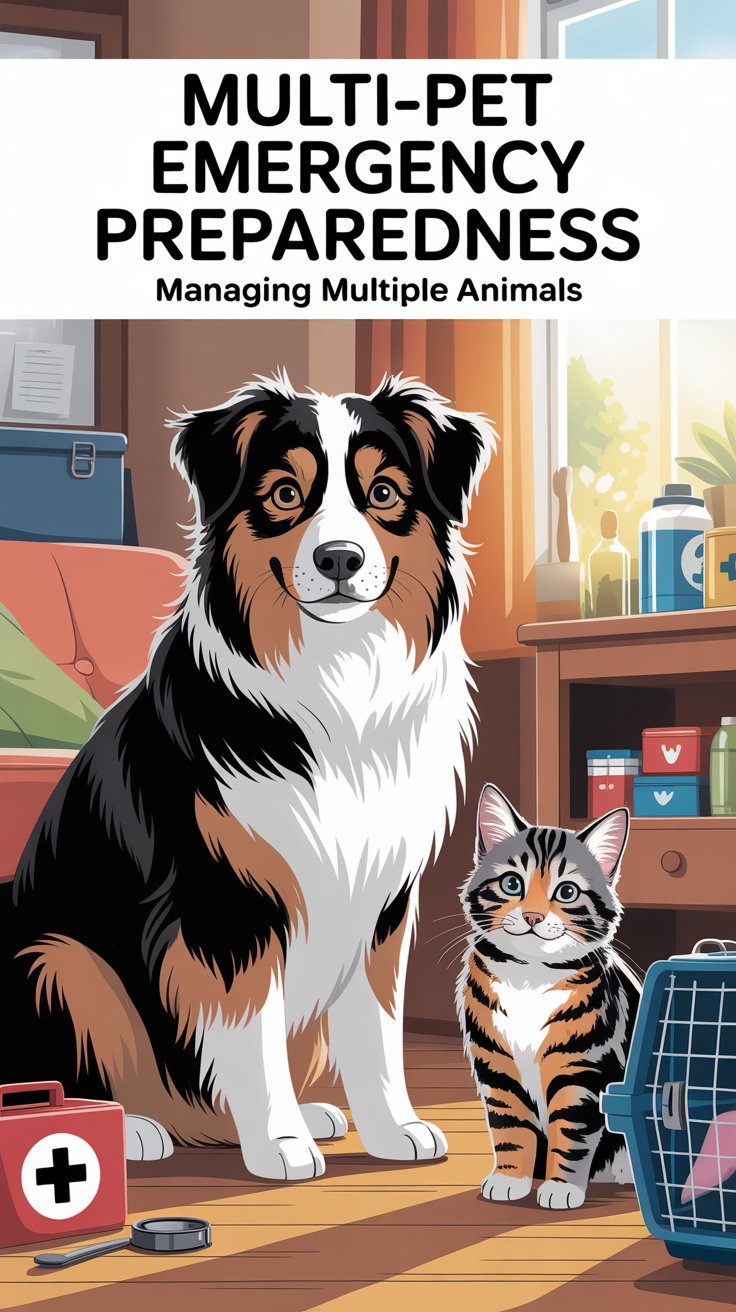
- Logistical Complexity: Grabbing one pet carrier can be easy. Coordinating safe transport for three or four animals takes more forethought. Your dog might need a leash and harness, your cat needs a sturdy crate, and your rabbit might require a specially ventilated container. This will all come together smoothly if you plan.
Starting your preparations early can keep your blood pressure down later. Consider creating a simple chart or spreadsheet that lists each pet’s specific needs. Write down details like vet contact info, feeding schedules, medication types, and any known anxieties (like loud noises or separation issues). Having this information at your fingertips provides a quick-reference overview in times of crisis.
Don’t forget: it’s also wise to consider specialized plans. For instance, if your brood includes older animals who need extra care, check out senior pet emergency preparedness. If you have more unusual companions, you can learn more at exotic pet emergency preparedness. By customizing your plan for your varied family of animals, you help ensure everyone comes through an emergency with minimal distress.
Gather The Right Supplies
Having the right gear on hand can make all the difference between chaos and relative calm. Sure, you might have plenty of pet food in your pantry right now, but can you grab it quickly if you need to evacuate? Is everything properly labeled so your pets get the right food, medicine, and gear?
Essential Emergency Kit Items
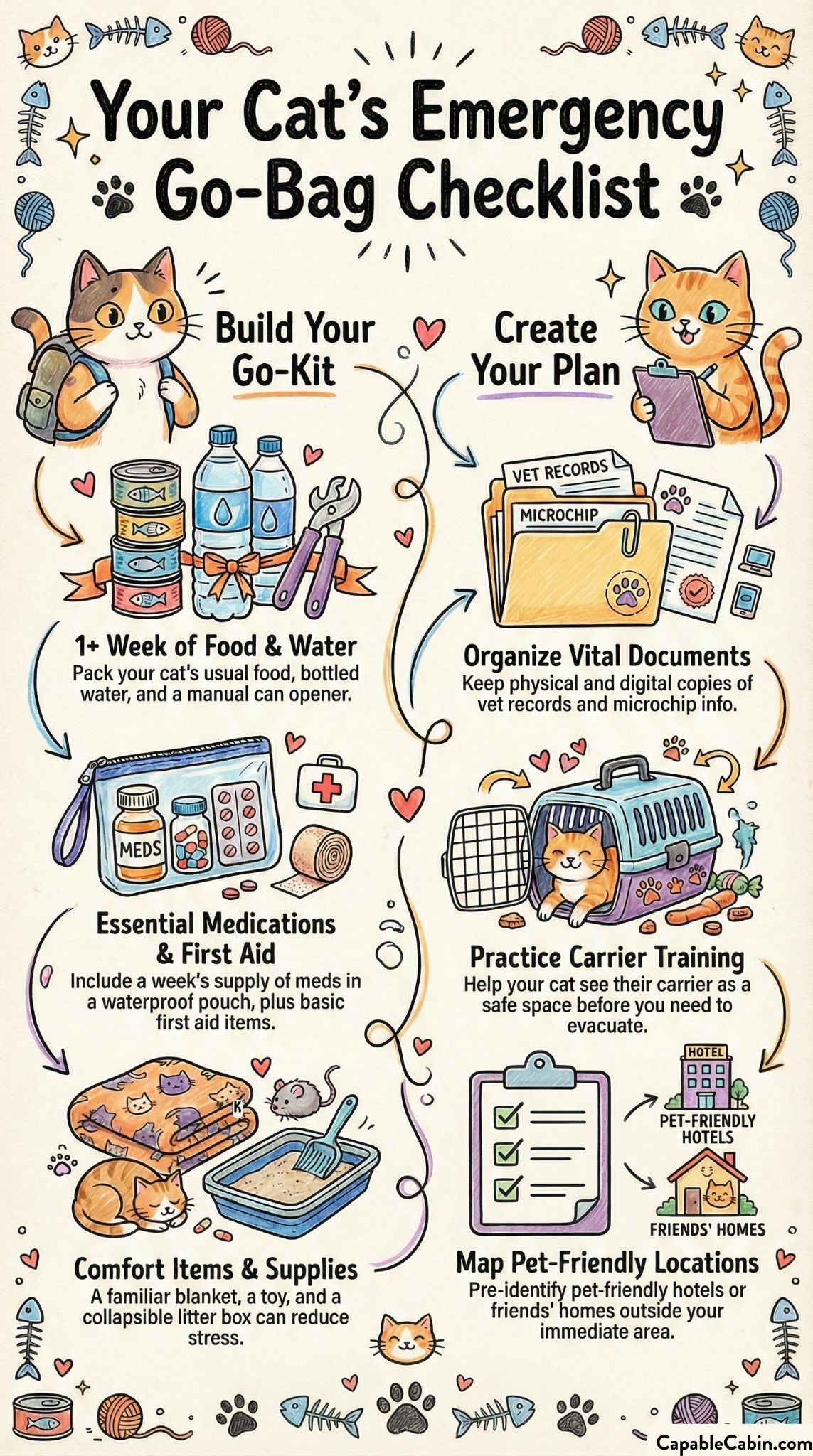
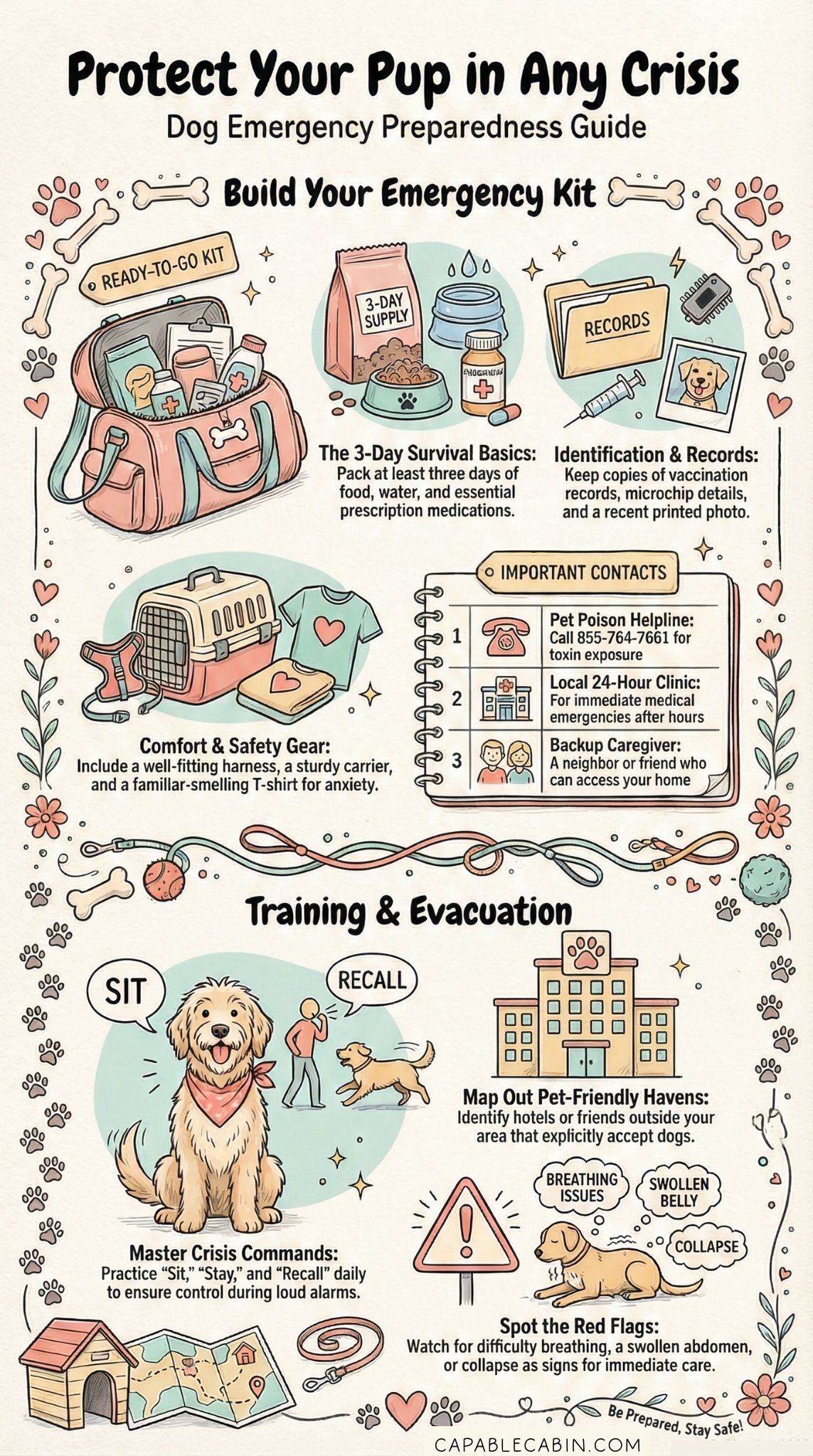
First things first: build a robust emergency kit. The AVMA recommends assembling a pet evacuation kit beforehand, complete with food, medicine, first aid supplies, and important documents. Since you have multiple pets, multiply each of these items to comfortably cover everyone for at least a few days. Keep this kit in a portable container near an exit, so you can grab it if evacuation becomes necessary.
Some core items include:
- Enough bottled water for each pet to last at least 3 days
- Non-perishable food (labeled by pet if diets differ)
- Bowls or collapsible dishes for easy feeding
- Medications and vaccination records
- First aid tools (bandages, gauze, tweezers, any pet-specific treatments)
- Sanitation supplies (pet waste bags, litter, puppy pads)
- Comfort items (blankets, favorite toys)
If you’re unsure where to begin, the CDC advises talking with your vet to confirm the best items for your pets’ breed or species. This is particularly useful if one animal requires specialty nutrition or medication. Including a small “cheat sheet” with dosing instructions can also help you—and anyone assisting you—dispense medications correctly.
For convenience, you might check out ready-made kits, like pet emergency kit petsmart options, or a basic pet first aid kit list if you’re going the DIY route. Just remember to adapt these kits to your household. No preassembled kit is truly one-size-fits-all, especially when you have multiple pets in the mix.
Comfort And Identification
Emergencies can spook pets in ways you might not anticipate. Some may become clingy, others may hide, and still others might try to dart outside. Having creature comforts—like their favorite blanket or plush toy—can ease their nerves. And yes, that little stuffed mouse might seem insignificant to you, but it can be a massive source of comfort to your anxious cat.
Next, ensure each pet has proper identification. Microchips are a great start, but collars with clear tags are also crucial in case technology fails. It’s even wise to keep photos of every animal in your kit—both solo shots and group pictures—to prove ownership or help you identify them if you get separated. The Red Cross recommends using rescue sticker alerts at home too. This way, if disaster strikes when you’re away, first responders know how many pets are inside.
Plan Evacuations Together
Let’s talk about one of the most stressful scenarios: evacuation. You’ve got the warning to leave—maybe a severe storm is on the horizon or a wildfire is getting too close—and you have to do it fast. In that moment, your mind might race. But with a solid plan in place, you’ll have a sequence of steps to follow.
Find Pet-Friendly Shelters
A big complication for multi-pet families is finding a temporary shelter that accepts all your animals. The CDC points out that many disaster centers won’t accept pets. Service animals are typically allowed, but your other furry or feathered friends may be turned away if you arrive without caution.
Start by researching nearby hotels or shelters that allow pets. Check if you’ll need additional deposits or documentation, especially for multiple animals. Make phone numbers and addresses part of your printed emergency info. You can also prepare a list of kennels, animal shelters, or friends’ homes that could temporarily house your pets. Keep in mind that houses with other animals may not be ideal if your crew has difficulty adjusting to strangers, so you might consider your pets’ social comfort in advance.
Want more detailed guidance on leaving your home with pets? Check out pet evacuation planning. It covers key aspects like navigating crowded roads and ensuring you have enough carriers. If you rely on public transportation, find out in advance if animals are allowed on buses or trains during evacuations. Planning for these details keeps you one step ahead when every minute counts.
Transportation Tips
Evacuations can be bumpy—figuratively and literally. If you’re loading multiple cat crates, a dog crate, and maybe a small cage for your rabbit, your car can get cramped quickly. Create a floor plan for how to position carriers safely, ensuring they won’t shift or topple. If possible, practice short “drills” so your pets get used to being in their carriers. This is especially true for cats that rarely leave the house or small animals that get stressed outside of their usual space.
- Secure carriers with seat belts or place them on stable surfaces.
- Keep an accessible area for leashes and harnesses so you can quickly secure pets if you need to step out.
- Bring a comfort item—like their usual bed or a T-shirt that smells like home—to reduce panic.
As soon as you know you may have to evacuate, get everyone indoors so you’re not searching for pets outdoors when it’s time to go [2]. This not only keeps your animals secure but also avoids last-minute scrambling.
Communicate With Veterinary Experts
Emergencies don’t care if it’s a weekday or the middle of the night. You could suddenly find yourself dealing with injuries, respiratory issues, or chronic conditions flaring up. When you have several animals, the likelihood of at least one needing special attention increases.
Ask The Right Questions
Your veterinarian is your top advisor for multi-pet emergency preparedness. Schedule a chat about vaccines, parasite prevention, and how to store medications safely. For instance, the CDC warns about ticks, fleas, and mosquitoes being especially problematic after disasters. If your pets are on flea medication, do you have enough to last through a prolonged evacuation or quarantine? Knowing the answers to these questions helps you maintain your animals’ health even under stress.
It’s also a good time to go over any emergency procedures in case you can’t get to a vet right away. Simple first-aid measures—such as controlling bleeding or stabilizing fractures—can make a real difference before you get professional care. Although emergency treatment at home is never a substitute for full veterinary care, being prepared could save a life [3].
Stay Alert For Medical Emergencies
Keeping an eye on your pets’ well-being is more than just scanning for physical wounds. Stress can trigger hidden health issues in animals. According to IDEXX, effective communication and understanding the signs of distress can help you act quickly. Watch for symptoms like:
- Lethargy
- Trouble breathing
- Loss of appetite
- Unusual aggression or defensiveness
If you suspect something’s off, contact your vet or an emergency clinic. Many clinics have after-hours numbers. Store these in your phone and in your pet’s emergency kit. Sometimes, conditions like heatstroke can erupt under unexpected circumstances—especially if you lose power and can’t keep your home cool [4]. Knowing the early warning signs is your best defense against bigger problems later.
Sheltering In Place Strategies
Not every emergency calls for evacuation. Sometimes it’s safer to stay put, with strong winds, flooding, or debris making travel more dangerous. When sheltering in place, keep your pets close and comfortable. Multiple pets in one household might start to get anxious or territorial, so plan for some sort of separation if need be.
Indoor Safety Tips
The AVMA suggests bringing pets indoors at the first sign of a potential disaster. If possible, pick a safe room—an interior space away from windows and hazards—that can be dedicated to your animals. Stock it with:
- Pet crates and carriers
- Food, water, and litter supplies
- Comfort items like bedding or cozy blankets
- Flashlights or battery-powered lanterns in case of power loss
Don’t overlook ventilation. If you have birds or smaller caged pets, they need adequate air circulation. A battery-operated air pump or small fan can help if the power goes out. Enclose or remove anything that could be a choking hazard, especially if your startled pets start chewing on cords or furniture. During storms or high winds, close curtains or blinds to reduce the fear factor of seeing branches fly by.
Handling Stress And Anxiety
In times of crisis, your energy rubs off on your animals. If they sense your panic, they might become more agitated themselves. Consider practicing calming strategies:
- Speak in a reassuring voice. Simple phrases like “You’re okay” or “We’ve got this” help them feel your presence.
- Use gentle petting or grooming sessions to relax them, if they’re open to touch.
- Play soft music to drown out scary noises from outside.
If you have multiple pets that don’t always get along, think ahead. Will they fight if confined in a small room? You may need separate crates or carriers, plus a rotating schedule for letting each pet out. It’s all about minimizing tension and preventing scuffles when everyone’s nerves are on edge.
Maintain Readiness Year-Round
The best emergency plans aren’t static. They evolve as your pets grow, as your household changes, or as you gain new insights. Regular check-ins and updates keep you from scrambling if a sudden disaster occurs.
Update Supplies Regularly
Many items in your emergency kit—like food, medications, and even bottled water—expire over time. The Red Cross suggests reviewing and refreshing these supplies at least once or twice a year. If you keep track of your inventory on a piece of paper or a phone reminder, rotate out old items and replace them with new ones.
Ask yourself:
- Does my older cat now need a stronger prescription?
- Did my puppy outgrow her harness?
- Have I added a new rescue pet to the family?
Each change could alter the specifics of your plan. Even your phone numbers or vet info might shift—so be sure to keep contact details up to date. If you move from an apartment to a rural setting, your plan might shift drastically—check out rural pet emergency preparedness for guidance tailored to wide-open spaces.
Include Family And Community
Emergency planning doesn’t have to be a solo project. If you share your home with family or roommates, get everyone up to speed on the plan. Assign roles like:
- “Water person,” who ensures a fresh supply of water and bowls.
- “Carrier champion,” who sets up crates and checks door latches.
- “Emergency phone call contact,” who coordinates with relatives or local shelters.
Also, think about your broader community. Could you team up with neighbors who also have multiple pets? Swapping tips and resources might prevent last-minute panicking. Enlisting a pet-sitting friend or neighbor can be invaluable too—especially if a disaster strikes while you’re out of town and someone needs to start preparations on your behalf.
Find A Helping Hand
Even with the best plan, emergencies can put you in a tough spot. Sometimes you need a little extra help—whether from friends, shelters, or community organizations.
Neighbors And Local Resources
Check if your neighborhood has a dedicated emergency contact list. If not, consider creating one in collaboration with other pet owners. According to the AVMA, having an emergency contact list with 24-hour numbers can be crucial. That might include:
- Neighbors who can check on your pets if you’re away
- Local vets, including emergency clinics
- Pet-friendly shelters or hospitals
- Animal control or local rescue organizations
If your neighborhood is prone to specific disasters—like earthquakes, floods, or hurricanes—be sure everyone’s on the same page about potential evacuation routes. Walk these routes together, if possible, so you won’t be fumbling with maps when time is short. In quake-prone regions, for instance, you can learn more about earthquake pet preparedness on strategies to reduce hazards inside your home.
Checklists And Tools For Support
Putting your plan in writing can soothe anxieties because you know you’re prepared. Create a concise checklist that covers:
- Immediate responses (close windows, lock pet doors, gather everyone into a safe room)
- Supply reviews (food, water, medication, sanitation items)
- Medical actions (checking for wounds, applying first aid)
- Evacuation logistics (carrier setup, route planning, addresses of pet-friendly places)
- Post-disaster steps (check for injuries, reassure your pets, evaluate home damage)
If you have kids, you can even simplify a version for them. An easy visual chart showing “To-Do” steps for each pet can empower children to help out. For an in-depth look at how your children can be part of your emergency strategy, explore kids pet emergency preparedness. This fosters a sense of responsibility and teamwork, reminding everyone that you’re all on the same side.
Final Thoughts: You’ve Got This!
Planning for multiple pets during emergencies may seem daunting at first, but once you break it down into manageable steps, it becomes far more achievable. You’re not just preparing for the worst; you’re building confidence in your ability to protect the ones who depend on you most. That sense of relief when you realize you have everything organized—food, carriers, vet contacts, an evacuation route—just can’t be overstated.
When life gets chaotic, it’s easy to freeze or feel that sense of “I’ll deal with this later.” But trust me, your future self will thank you for taking these proactive steps. And guess what—your pets will be calmer, too, when they sense your preparedness and calm energy. Whether you’re facing a breaking storm, a sudden wildfire, or rolling blackouts, you’ll be able to say, “We’ve got this covered.”
We’re all in this together, and you’re doing a fantastic job simply by reading these words and thinking about how best to care for your animals. Remember, a well-stocked kit, a clear plan, and a heartfelt commitment to your pets’ well-being go a long way. So congratulate yourself on taking these crucial steps. Keep updating your plan, keep communicating with your vet, and never underestimate the power of a little preparation. Because when all is said and done, your multi-pet emergency preparedness will turn chaos into calm—and keep your entire pet family safe, sound, and by your side.
References
- (Ready.gov)
- (AVMA)
- (CDC)
- (heatwave pet safety)