Senior Pet Emergency Preparedness: Special Needs Special Care
When it comes to caring for older pets, your bond often feels deeper than ever. You know every little quirk and have weathered plenty of ups and downs together. But as your faithful companion ages, emergencies can feel extra daunting. That’s where senior pet emergency preparedness steps in. By thinking ahead, gathering supplies, and learning key warning signs, you’re taking real steps to keep your older pet safe no matter what life throws your way. This guide is here to walk beside you, like a close friend who understands how challenging (and rewarding) it can be to care for senior animals. Together, we’ll tackle the big questions, walk through the essentials, and leave you feeling a bit more confident about protecting your pet’s golden years.
Understand Senior Pet Challenges
Let’s start by acknowledging the unique challenges senior pets face. When we talk about “senior,” we’re generally referring to pets over the age of seven or eight, though this can vary by breed and size. With aging, your pet’s body processes slow down and certain health risks become more likely. For instance, older dogs and cats experience changes in mobility, organ function, and cognition. It’s completely normal to notice them snoozing more, having a tougher time climbing stairs, or moving stiffly when they get up. This shift can be a little heartbreaking and frustrating, but trust me, you’re not alone.
Changes in Body and Mind
A senior pet’s metabolism, senses, and even mental sharpness may decline over time. For example, many older dogs face arthritis, where joint wear and tear leads to pain and reduced mobility. In fact, arthritis is among the most common chronic issues in senior pets, often showing up as difficulty standing or a sudden reluctance to jump [1]. Meanwhile, some senior cats develop kidney problems that affect their appetite and energy levels. Cognitive decline can pop up too, making your furry pal seem disoriented or less responsive to your usual cues.
Slower Recovery
Because of these changes, senior animals tend to heal more slowly after injuries. That small limp that your younger cat would have bounced back from in a few days might linger in your senior cat. Or your older pup might need extra rest after vigorous exercise. All these shifts mean that in an emergency situation, time is more precious than ever. The sooner you can respond, the better chance your senior friend has of recovering well.
Spot the Subtle Signals
Senior pets can sometimes hide pain or distress. Keep an eye out for small changes in routine. Are they drinking more water than normal? Seeming more anxious or breathing heavily? Coughing in the mornings? Small behavioral shifts can sometimes be the first clue that something big is brewing, so take note and let your veterinarian know if you spot anything out of the ordinary.
Create Your Emergency Kit
Having a pet emergency kit is a smart move for all animals, but for senior pets it’s extra important. After all, older cats and dogs may need specific medications or supplements, and you don’t want to be scrambling to pack them in the midst of a crisis. Think of your emergency kit as a carefully stocked safety net that can buy you precious time if you have to leave home quickly or get stuck without easy access to a vet.
Essential Items for Seniors
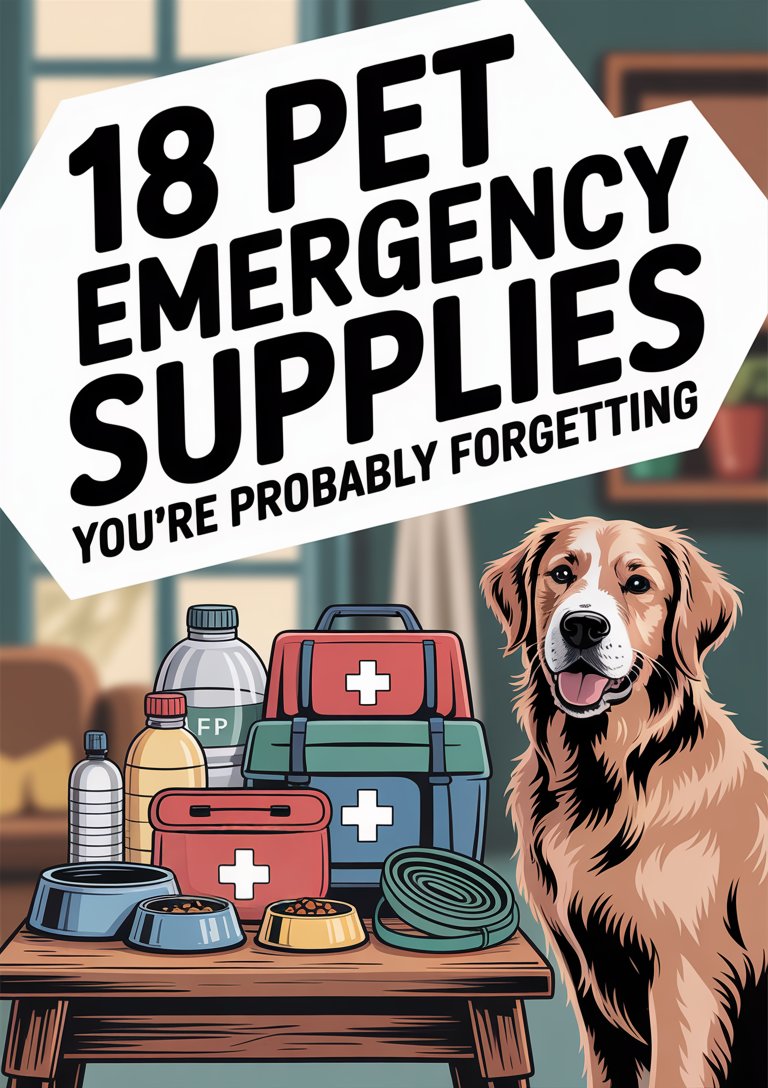
When assembling your kit, make sure you have:
- Basic First Aid Supplies
- Gauze, bandages, tape, antiseptic wipes, and disposable gloves
- Tweezers or forceps to remove splinters or small foreign objects
- Medications and Supplements
- A small supply of prescription meds plus any vitamins or joint supplements
- Written instructions about dosage so you can share them easily with others
- Medical Records and Vaccination Proof
- Keep copies in a sealed plastic bag. If your pet has chronic conditions, include that info too.
- Contact Information
- Your vet’s name, the closest emergency clinic, and relevant poison control hotlines
- Comfort Items
- A familiar blanket or soft toy can go a long way in providing emotional security
- Extra Leash or Harness
- In case you need to temporarily secure or walk your pet
- Basket Muzzle (Optional)
- Some emergencies make even the gentlest senior pet fearful. A comfortable muzzle can protect everyone involved without restricting breathing.
- Towels and Blankets
- Helpful for warmth, carrying your pet, or providing a soft place to rest
For a comprehensive list, you can also check out a pet first aid kit list that covers the essentials. If you need a more budget-friendly approach for your supplies, consider browsing budget pet emergency preparedness to help stretch your funds without compromising your pet’s safety.
Keep It Together
Once you gather these supplies, put them in a sturdy, waterproof container. Label it clearly with something like “Pet Emergency Kit” so you, or anyone helping you, can grab it at a moment’s notice. Remember to record your phone number on the container if you’ll be handing it off to someone else, such as a rescue worker or friend. Doing these small things now can be a lifesaver later if you need a quick exit.
Remember to Rotate
From meds to food, many items can expire. Try setting a reminder on your calendar to do a quick inventory every few months. Check your supplies, replace anything that’s past its prime, and verify that your senior pet’s medication list is up to date. If your veterinarian changes doses or suggests a different supplement, make sure your kit reflects that. You never want to discover at the last minute that your vital meds or food are no longer safe to use.
Draft A Family Action Plan
Emergencies come in many forms, from severe weather to home fires. And while we can’t know which emergency might strike, we can at least outline a plan so we’re not caught off-guard. In a crunch, you don’t want to waste precious moments deciding who grabs your dog’s harness or searching frantically for your cat’s meds.
Roles and Responsibilities
If you share your home with family or roommates, sit down together and decide:
- Who’s in charge of grabbing the emergency kit?
- Who will gather up the pet if you need to evacuate quickly?
- Where will you meet if you get separated?
Having clear roles reduces panic and confusion when time is ticking. This is especially true if you’re caring for a senior pet with special needs, like daily insulin or routine pain meds. In that case, you’ll want to delegate those responsibilities to someone reliable and detail-oriented. Sometimes it helps to jot these designations down in a quick note or chart, posted somewhere everyone can see, like the fridge.
Coordinate With Neighbors or Friends
It’s a good idea to set up a backup plan with a neighbor, friend, or relative if you’re not home when an emergency strikes. This step is particularly important if your senior pet has restricted mobility. Can someone pick them up and transport them safely if you’re stuck at work or out of town? Are they comfortable administering medication if needed? You can also arrange a buddy system for multi pet emergency preparedness, especially if you have several cats, dogs, or a mix of species under one roof.
Evacuation Tips
In an evacuation scenario, a senior pet might be more vulnerable than a younger one. They might have trouble keeping up if you’re on foot, or get anxious in crowded situations, causing confusion or fear-based aggression. That’s where pet evacuation planning tips can be invaluable. You’ll learn ways to practice loading your pet into a carrier in advance, identify pet-friendly shelters, and keep your senior buddy calm during the hustle and bustle of an unexpected move.
Recognize Warning Signs
Just like humans, senior pets can experience sudden health emergencies that need immediate care. One minute your old friend seems fine, and the next they’re panting heavily, stumbling, or refusing to move. It’s scary stuff, so let’s talk about some common signs that tell you it’s time to act quickly.
Difficulty Breathing or Collapse
Difficulty breathing is always a red flag in any pet, but in senior animals it’s urgent because older lungs and hearts may already be working overtime. Watch out for rapid panting, gasping, or inability to catch a breath. Similarly, stumbling, sudden collapse, or trouble standing might indicate major internal issues like heart disease [2]. If you see this, get to a vet or emergency clinic ASAP.
Seizures
Seizures can freak out the calmest pet parent. In older animals, they might point to underlying problems such as kidney or liver disease, or even a brain tumor [2]. If your senior dog or cat has a seizure, keep them safe by removing nearby objects and avoiding touching their mouth. Though it’s terrifying to watch, the episode typically lasts a couple of minutes. Contact your vet as soon as it’s over, especially if seizures happen more than once or last longer than a few minutes.
Vomiting, Diarrhea, or Weight Loss
GI troubles happen occasionally, but when your senior pet is vomiting repeatedly or having diarrhea, dehydration can sneak up fast. Unexplained weight loss can also signal anything from dental issues and kidney disease to cancer. According to Apple Country Animal Hospital, these symptoms shouldn’t be ignored, as they can indicate immediate or emergency care is needed. Even if it turns out to be a minor infection, it’s better to err on the side of caution with older pets.
Pain or Behavioral Changes
Is your sweet senior suddenly grumpy? Are they hiding under the bed instead of hopping into your lap? Sometimes, pain shows up as uncharacteristic aggression or withdrawal. If you see unusual snapping, whining, or visible discomfort, trust your gut and call your veterinarian. Senior pets can develop arthritic flare-ups, dental pain, or unseen internal problems that need prompt attention.
For more clues, see our in-depth signs of pet medical emergency.
Plan For Common Disasters
Mother Nature can be unpredictable. Hurricanes, tornadoes, wildfires, and floods can all bring unique risks to both you and your senior pet. The older your pet is, the more safety measures you’ll want to have in place. This might mean extra water, specialized bedding, or a well-thought-out route to a safe location. Let’s run through some big scenarios.
Floods and Hurricanes
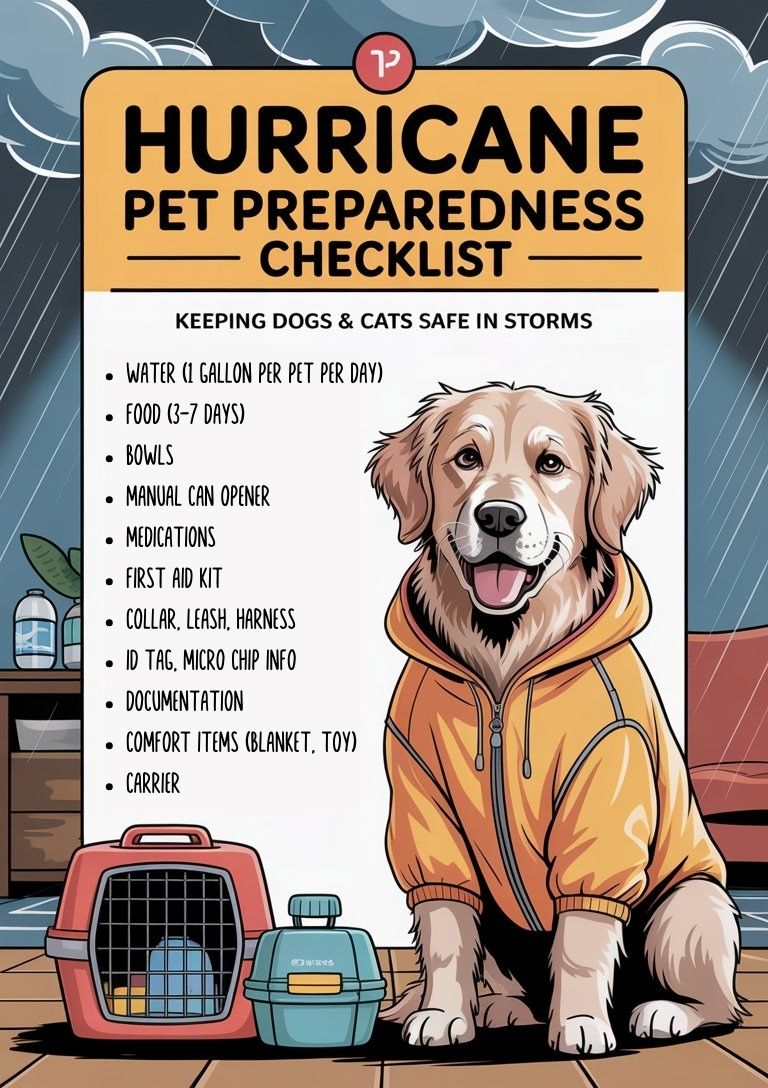
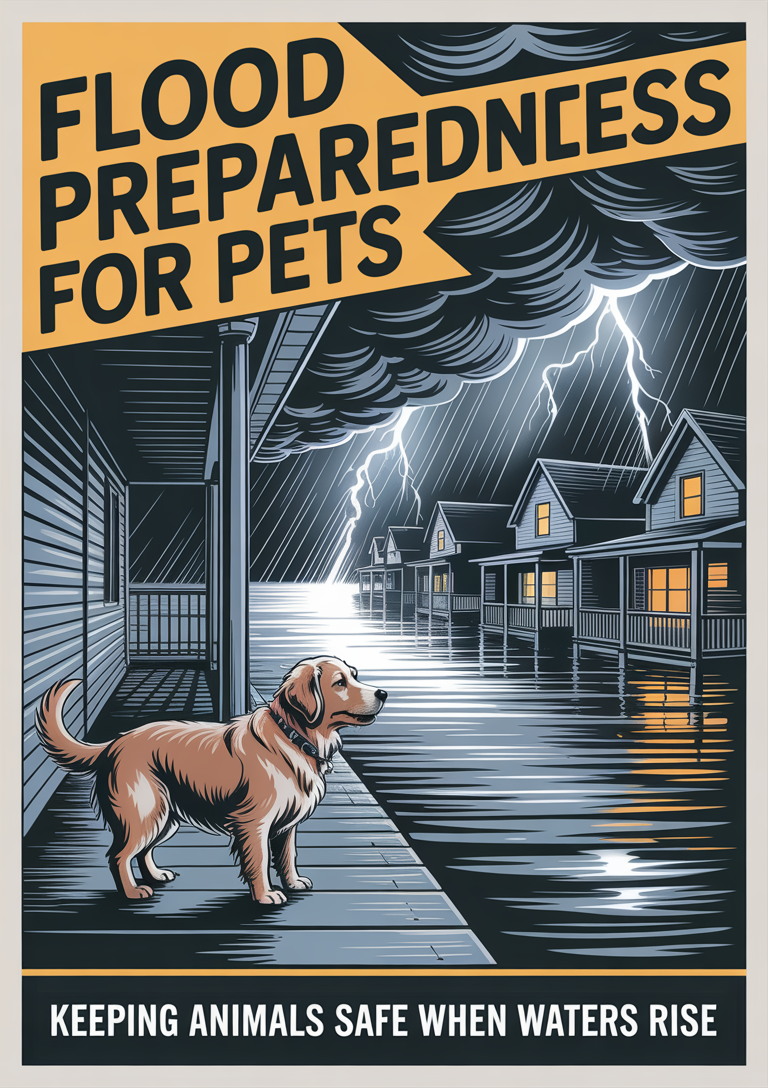
Floodwater isn’t just about getting wet; it’s often full of bacteria, chemicals, or debris that can harm your pet. Low-lying older animals, like smaller senior dogs, risk being completely submerged if waters rise quickly. Always have a plan for where you’ll go if evacuation is likely. Identify higher ground or shelters that allow pets. For more specialized tips, check out flood preparedness pets and hurricane pet preparedness.
Tornadoes
If you live in a tornado-prone area, you probably already know that time is of the essence when sirens go off. For a senior pet who moves slower or gets frightened by storms, plan ahead. Keep a sturdy crate in your basement or interior room where you’ll take shelter. Pad the crate with comfy blankets and double-check that your senior dog or cat can easily get inside without coaxing. You might also want to stash your emergency kit in that same safe spot so you’re not scrambling for meds or documents. If tornadoes are a consistent risk, you can learn more at tornado pet preparedness.
Wildfires
Wildfires can happen quickly, with evacuation orders popping up at a moment’s notice. Smoke inhalation is a huge concern, especially for older pets with compromised lungs or heart conditions. Keep carriers by the door and know multiple potential evacuation routes. If you’re in an especially wildfire-prone region, you might even practice “fire drills” with your pet, calmly loading them into a crate and heading to the car. While it may sound like overkill, practice can be lifesaving. If you want more targeted advice, see wildfire pet evacuation.
Winter Storms
Snowstorms, ice storms, and plummeting temperatures can be overwhelming for a senior pet, especially one with arthritis or other joint issues. Slippery sidewalks might lead to falls, and older pets can struggle to maintain body heat. Stock extra food, water, and cozy bedding if you live in a cold climate. Plan for potential power outages too, perhaps by setting aside a battery-powered heater or warm blankets. For more specifics, winter storm pet preparedness might come in handy.
If you want a broader overview of different emergency scenarios, disaster specific pet preparedness can fill in more details, step by step.
Protect Against Common Hazards
Even outside of big disasters, smaller emergencies can pop up all the time, especially for older pets. From heatstroke to accidental poisonings, there’s a lot to keep an eye on. But don’t worry, taking a proactive approach is easier than you might think.
Heatstroke
Senior animals, particularly those who are overweight or have respiratory issues, are far more vulnerable to heatstroke. Their cooling mechanisms just aren’t as efficient as when they were younger [3]. If you’re outdoors on a hot day, be sure there’s plenty of shade and cool water available, and keep exercise short and sweet. Observe signs like excessive panting, drooling, or lethargy. In extreme heat, consider staying indoors or only going out during cooler times of the day. You can also check out pet heatstroke frostbite first aid to learn possible treatments and prep.
Toxins in the Home
Older pets can get curious or confused, occasionally nibbling on houseplants, medication, or cleaning supplies [3]. A pet-safe home means keeping dangerous substances off the floor and locking them away in cabinets when possible. For a closer look at typical hazards, visit toxic foods for pets. Also, watch out for random items your dog might swallow, like small toys or rocks.
Automobile and Outdoor Risks
Outdoor hazards like car accidents remain a significant threat for pets of all ages: a sudden dash into the street can turn tragic quickly. But older pets might be slower to react or less able to dodge vehicles. Always use a leash during walks, and if you’ll be traveling, ensure your pet is properly restrained in the car. If you’re planning a trip, you might want to explore travel emergency preparedness pets or check out holiday travel pets preparedness for special considerations.
Support Emotional Well-Being
We often focus on senior pet emergency preparedness in purely physical terms—water, food, medication—but emotional care counts too. Older animals can get stressed more easily in new or chaotic environments. They might also have a harder time coping with noise, large crowds, or disruptions to routine.
Comfort Measures
In an emergency, comfort items are gold. A well-worn blanket that smells like home, a favorite plush toy, or a calming pheromone spray can all help soothe your companion. If your pet is especially prone to anxiety, your vet might recommend mild anti-anxiety meds. Slipping those into your emergency kit (with a prescription label) ensures you won’t run out at a critical moment.
Keeping Routines
We can’t always stick to normal schedules in a crisis, but try to provide meals and potty breaks around the same time they’re used to. Routines ground older pets by offering familiarity. It’s not always possible in a big disaster, but even small acts like offering a treat at the usual time can reassure them that things are under control.
Post-Disaster Behavior
After a stressful event, your older dog or cat might act differently. They could become more timid, clingy, or startled by small sounds [4]. Stay patient and give them time to adjust. Check in with your vet if you notice any prolonged change in behavior. A bit of gentle reassurance, some quiet time, and watchful observation can help them recover emotionally.
Stay Prepared And Connected
You’ve gathered your supplies, set up evacuation routes, and learned how to spot urgent warning signs—that’s a fantastic start. But senior pet emergency preparedness is an ongoing process. It’s helpful to keep learning, keep your kit updated, and stay connected to resources that can give you peace of mind.
Keep in Touch With Your Vet
Regular checkups are more critical than ever when your pet is in their later years. Your vet can help detect early symptoms of kidney issues, heart disease, or other ailments before they turn into full-blown crises. They can also advise on adjusting your pet’s diet, exercise, or medication according to the season or specific health conditions.
Register Microchips and Tags
If your companion isn’t already microchipped, strongly consider it. In a chaotic event, like a flood or tornado, collars can slip off, leaving your pet without ID. Permanent identification, paired with a collar tag featuring an updated phone number, is a safeguard no pet parent should skip [5].
Learn First Aid Basics
Understanding how to handle cuts, splint an injured leg, or provide CPR could be critical in keeping your senior pet stable until you reach professional help. The American Red Cross even offers a pet-specific first aid course [6]. A little knowledge goes a long way toward comfort and confidence.
Explore Specialized Preparedness
If your living situation is unique—maybe you’re in a high-rise apartment, or you manage a small farm—consider specialized tips like pet emergency prep apartments or rural pet emergency preparedness. Adapting general guidelines to your specific environment ensures your plan is realistic.
Review and Practice
The best emergency plan in the world won’t help if you forget it during a crisis. Walk through your plan at least once or twice a year. Replay the steps with family or your roommate:
- Who grabs the kit?
- Who crates the pet?
- Where do you meet?
Keep it casual, but thorough. If you realize you no longer have your neighbor’s phone number or your kit’s snacks are expired, you’ll be glad you caught it in practice, not in a true emergency. If you need tips to keep your readiness fresh, have a look at maintain pet emergency preparedness.
Extra Tips for Specific Health Concerns
Senior pets often have ongoing health conditions that require special attention. Let’s highlight a few quick strategies that might help you prepare for emergencies if your pet has one of these common ailments:
Arthritis and Joint Problems
- Use ramps or non-slip mats at home to prevent accidents during stressful moments.
- Keep any joint supplements in your kit.
- When evacuating, be patient with your pet if they can’t move as quickly. A soft dog bed or supportive crate can reduce joint pain during transport.
Heart Disease
- If your vet has prescribed specific heart meds, keep a week’s supply in your kit and rotate them monthly to ensure freshness.
- Minimize exertion during tense, fast-paced events. Encourage rest and find cooler spaces to ease your pet’s breathing.
Kidney Disease
- Stock extra water and any special diet your vet recommends, since hydration is critical.
- Keep a copy of recent bloodwork results in your kit in case you need a new vet on short notice.
Obesity
- Maintain a healthy routine as best as possible before, during, and after emergencies. Dogs who are overweight have higher risks of heatstroke and breathing issues.
- If you feed free-choice, consider measured meals so food supplies last appropriately in a crisis.
Cognitive Decline
- Repetitive practice of crate-loading or traveling can help an easily confused senior pet.
- Keep an extra calm, stable environment. Try to limit loud noises or chaotic behavior that might exacerbate confusion or separation anxiety.
Final Encouragement: You’ve Got This
Protecting your senior pet in an emergency might feel daunting, but remember, this process is all about small and steady steps. You’ve learned the unique challenges aging pets face, set up a robust emergency kit, and walked through critical warning signs that tell you when something’s not right. Whether it’s planning for floods, earthquakes, or everyday hazards like toxic foods, you’ve built a safety net for your best friend in their golden years.
Don’t be afraid to lean on your community. Friends, neighbors, vets, and fellow pet owners can all offer wisdom or practical help, whether that’s checking in on your furry buddy while you’re away or passing along a tip that saved their own pet in a crisis. If you’re ever unsure about something, call your veterinarian. It’s always better to make an extra call and find out everything is okay than to miss a real emergency by waiting.
Finally, let’s give ourselves permission to celebrate the peace of mind you’re creating. Every small step, like labeling your emergency kit or updating your contact info, nudges you closer to feeling truly prepared. And with that preparation comes a deep sense of relief—not just for you, but for your cherished companion too. Emergencies aren’t easy for any pet, and especially not for seniors, but your thoughtful planning helps ensure they’ll have the care, comfort, and security they deserve.
Keep going, you’re doing great. You and your senior pal are a team, and no matter what challenges come your way, you’re tackling them together. With each addition to your plan, you’re showing that your pet’s well-being matters—because it does, more than words can say. Here’s to many safe, happy days ahead for you and your gray-muzzled buddy, ready for anything life might throw your way!