Holiday Travel Pet Preparedness Road Trips Flights and Emergencies
Understand Holiday Travel Pets Preparedness
If “holiday travel pets preparedness” has been on your mind lately, rest assured you’re not alone. Every year, countless pet parents pack up the car or hop on a plane, hoping to give their four-legged companions a joyful holiday experience. But let’s be honest, traveling with pets can stir up anxiety for both you and your furry friends. We’ve all envisioned scenarios where a beloved dog whines nonstop in the back seat, or a nervous cat hides under your luggage at the airport. Trust me, I get it. We’re in this together, and the good news is that you can streamline your holiday travel and keep your pet safe with practical steps.
It all begins with preparation. We’re talking identification tags, first aid kits, mindful scheduling, and a deeper look at what your specific pet needs. By the end of this guide, you’ll have a clearer plan for road trips, flights, and emergency situations that can pop up along the way. So let’s dive right in. Because, honestly, a well-prepared trip is the difference between a frazzled journey and a relaxing, memory-filled adventure with your best furry friend.
Start With Pet Identification
Before you buckle your pet into the back seat or board a plane, it all starts with ensuring they can be identified quickly if they ever get separated from you. Nothing dampens holiday cheer like the gut-wrenching fear of a missing pet.
Microchipping And ID Tags
A microchip offers peace of mind, letting shelters or veterinary clinics scan your pet’s unique ID so that, in a happy outcome, they’re reunited with you. According to the ASPCA, a microchip is one of the best ways to ensure a lost pet finds their way home [1]. You’ll also want a sturdy collar with an up-to-date ID tag, displaying your name and phone number. Some folks even add a secondary contact number, such as that of a neighbor or close friend, just in case your phone battery dies or you’re out of reach.
Temporary Travel Tags
If you’re traveling away from home, consider a temporary travel tag. It’s basically the same concept as a normal ID tag, except it includes your cell phone number and the phone number of your destination. This way, if your pet goes exploring without you, a finder can reach you no matter where you roam. The ASPCA recommends updating these travel details, especially for extended stays or multi-stop journeys [1].
Prepare A Pet Travel Kit
Just like you’d never take a road trip without snacks, toiletries, or a cozy sweatshirt, let’s give your pet the same thoughtful treatment. Picture a dedicated travel bag containing everything your furry friend needs to thrive on the road or in the air.
Create A Basic Packing List
It’s all about ensuring comfort and continuity. For starters, pack:
- Enough pet food for the entire trip (plus a bit extra in case of delays)
- Water or a portable water container
- Collapsible food and water bowls
- Waste bags or litter supplies
- Any medications your pet needs, stored in labeled containers
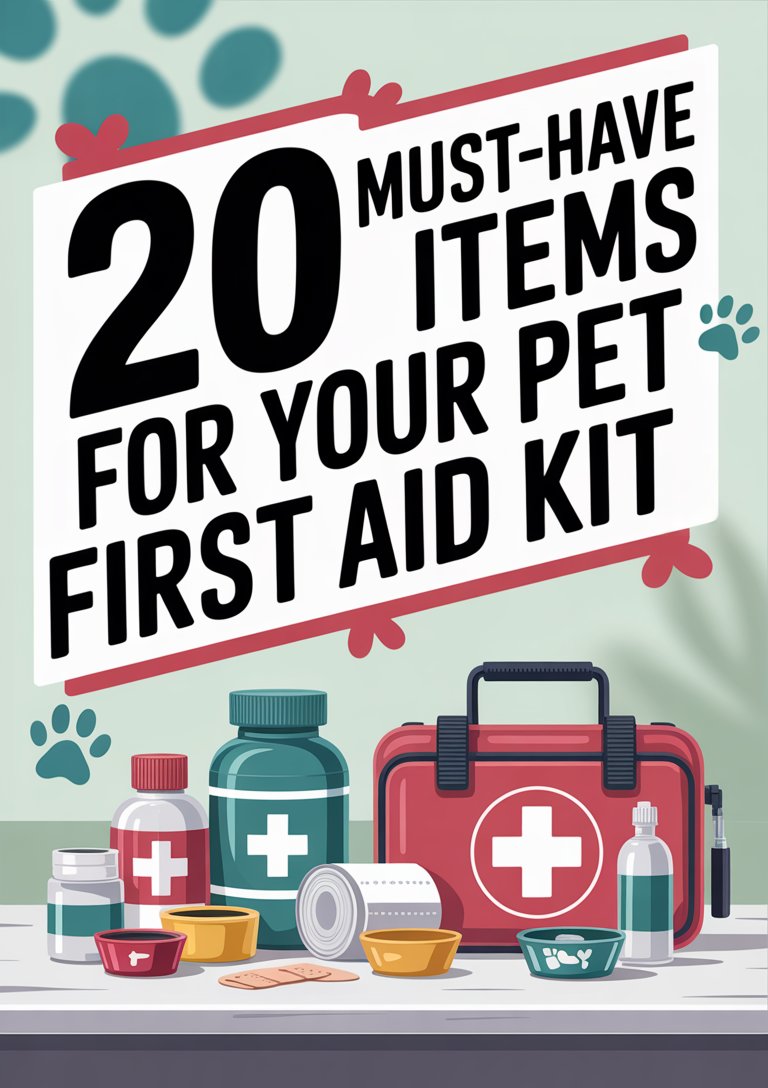
- A small first aid kit with basics like bandages, antiseptic wipes, and tweezers
You can find helpful guidelines in resources from High Desert Veterinary about the essentials to pack. If you’re looking for more advanced ideas, you can also check our pet first aid kit list.
Pet Comfort Items
Pets often feel more secure when surrounded by familiar scents or possessions. A favorite blanket, toy, or even a piece of clothing with your scent can ease anxiety along the journey. Some folks also swear by pheromone sprays or calming collars if their pet tends to be nervous in new environments. And if you’re traveling with an exotic friend, you might want to check out exotic pet emergency preparedness for extra tips.
Additional Supplies For Emergencies
No one wants to imagine a holiday gone awry, but let’s be prepared. Add these to your kit:
- A copy of your pet’s medical records and vaccination certificates
- Contact info for your veterinarian and a local vet near your destination
- A list of emergency contacts, including pet-friendly hotels en route
- A few items for light cleaning, like pet-safe wipes or paper towels
Keeping these on hand helps you tackle minor mishaps without panicking. For more help if a critical issue arises, see pet emergency medical preparedness.
Plan A Pet-Friendly Road Trip
Ready to head out on the open road? You’re certainly not alone: 5 out of 6 pet owners bring their dog along on holiday road trips, according to Zoetis Petcare [2]. That’s a bunch of families hitting the highways with a furry passenger or two in tow! With a bit of planning, you can keep those tails wagging.
Car Safety Basics
You might already know the temptation to let your pet roam free in the back seat. But a sudden turn or abrupt stop can be dangerous. Various crash-tested harnesses or secured crates exist to keep your pet protected. Cars can be distracting for anxious or excited pets, so do a few practice runs (just around the block at first) if your pet’s not used to extended drives [3].
- Secure your dog with a harness or crate.
- For cats, a well-ventilated carrier is essential.
- Aim to place carriers or crimps in the back seat for safer positioning.
Schedule Frequent Pit Stops
Let’s be honest, your pet won’t appreciate sitting in one spot for hours on end any more than you would. Stopping every two to three hours for stretches, water breaks, and bathroom opportunities is key. For motion-sick dogs, consider stopping more often and feeding them a few hours before the trip to limit accidents [4]. You’d be surprised how even a brief walk around a rest area can reinvigorate everyone involved, giving you that little energy boost to keep going comfortably.
Pet-Friendly Lodging
If you’re traveling overnight, planning your accommodations is huge. Pet-friendly hotels or inns can fill up fast during holiday seasons, so book ahead. Services like BringFido let you filter by pet-friendly spots, and some even provide special dog beds or treats. If you’re traveling with multiple pets, glance at multi pet emergency preparedness for more tips. And remember that some hotels charge additional pet fees, so double-check the fine print.
Navigate Air Travel With Pets
In some cases, you have no choice but to fly. While air travel can be stressful enough for humans, it can be extra challenging for our pets. Yet many families do it every day out of necessity. Let’s talk about how to reduce the hassle and keep your pet safe from takeoff to touchdown.
Know Airline Policies
Airlines have varying rules and fees concerning pet travel. Small cats or dogs often qualify to ride in the cabin (under the seat in front of you) in a soft-sided carrier, while larger breeds must typically go in cargo. Remember, some brachycephalic (short-nosed) breeds, like Pugs or French Bulldogs, should never fly in cargo because of increased breathing and heatstroke risks [2]. Call the airline in advance, because space for pets on flights is limited.
Health Certificates And Prep
Most airlines require a recent health certificate from a qualified veterinarian. And if you’re traveling internationally, contact a USDA-accredited vet early in your planning [5]. You’ll likely need proof of vaccinations, so double-check with your vet about what’s required. They can also advise you on anti-nausea or anti-anxiety meds if your pet gets uneasy flying. However, keep in mind that sedatives are generally discouraged because they can interfere with your pet’s ability to regulate body temperature [3].
Day-Of Travel Tips
On the day of the flight, limit your pet’s food and water intake to prevent bathroom accidents in their carrier. If you’re frequently traveling by air, investing in an airline-approved crate might be wise. Don’t forget to label the carrier with your name, cell number, and destination address. Accidents happen, but labeling can help airport staff reunite you with your pet quickly if there’s any confusion during layovers or transfers.
Handle Other Travel Options
Planes and cars might be the main route for holiday travel, but some folks prefer trains or plan to combine multiple modes of transport. Each scenario brings unique considerations, so let’s chat about how you and your pet can adapt if you fall outside the usual driving/flying mold.
Traveling By Train
Not all trains are pet-friendly, and some have specific breed or size restrictions. If you’ve booked a scenic train ride, check the company’s guidelines [6]. Make sure you leash or crate your dog, and give them a chance to stretch at longer stops. A bit of socialization training ahead of time can also help, so your pup doesn’t panic in a cramped train environment.
Rideshares And Taxis
Depending on where you live, rideshare companies may enable you to request pet-friendly rides. However, not every driver is going to be thrilled about your Great Dane hopping in the back seat. Always confirm with the driver first or check the company’s policy. Keep your pet restrained or in a carrier for the sake of everyone’s comfort and safety.
Public Transportation
Some larger cities allow small pets in carriers on subways or local buses. But the experience can be jarring with the rush of crowds and sudden stops. If you’re not used to taking your pet on public transit, build up gradually with short, off-peak trips. The same practice-run approach that works for car rides applies here. The calm exposure helps your pet handle new sounds and crowds without stress.
Tackle Pet Anxiety And Stress
We’re all in the same boat when it comes to wanting a peaceful journey, but anxiety in pets can pop up out of nowhere. Nearly half of dog owners say their pup experiences motion sickness or anxiety during travel [2]. The last thing you want is a trembling, whimpering friend in the back seat or airplane cabin. Fortunately, there are small yet mighty steps you can take.
Practice Runs And Desensitization
A week or two before the big trip, take mini practice runs. Start with 5- to 10-minute blocks, rewarding calm behavior with treats and praise. Over time, bump it up to half an hour, then an hour. Desensitizing your pet to the sounds and sensations of travel helps them relax when the real journey begins. For bigger concerns, a certified trainer can introduce customized desensitization exercises [2].
Vet Support And Medication
If your pet’s anxiety is severe, don’t just self-medicate with leftover pills. Talk to your veterinarian about safe options, dosage, and timing. Some vet-recommended anxiety relief tools are prescription meds, pheromone sprays, or snug-fitting anxiety wraps. Each option has its own pros and cons, so discuss thoroughly with your vet.
Comfort Through Familiarity
Keep your environment as familiar as possible. If your dog has a favorite bed, bring it. For cats, a carrier lined with a blanket from home can make a huge difference. And if you can, stick to a consistent feeding or potty schedule during the trip. Little routines can ground a nervous pet, reminding them, “Hey, I might be in a new place, but it still feels a bit like home.”
Build Your Emergency Plan
Even the best-laid holiday travel plans can hit unexpected speed bumps (like road closures or sudden airline changes). Your pet might get sick, or the weather might turn nasty. Developing a realistic emergency plan ensures you’re not stuck scrambling in unknown territory.
Check Local Veterinarian Options
Before leaving, research vets or 24-hour emergency clinics near your destination. Store their phone numbers in your phone and jot them on a notecard. If you’re worried about potential disasters in your travel region, you can consult disaster specific pet preparedness to prepare for common local hazards (like hurricanes, tornadoes, or winter storms).
Pack Pet-Specific Emergency Supplies
We already touched on a basic first aid kit, but a fully fleshed-out kit might include:
- Gauze rolls and adhesive tape
- Antiseptic solution or wipes
- Tweezers and blunt-tipped scissors
- Disposable gloves
- Any prescribed medicines your pet needs
- A soft muzzle (in case of injury and panic)
If you want to keep it budget-friendly, you can even explore diy pet emergency supplies. Keep your kit in a waterproof container so that you’re ready for anything. And be sure to rotate or replace expired supplies regularly.
Consider Travel Insurance
Depending on the length or complexity of your trip, you might look into pet travel insurance. This extra layer of security can reimburse you for emergency vet visits or canceled flights. While it’s an additional expense, it’s worth exploring if your pet has known health conditions or if you anticipate risky travel conditions.
Stay Calm In Unexpected Situations
Emergencies during travel could range from minor bumps in the road (like a flat tire) to major crises (like natural disasters or a flight cancelation). In these moments, your calm approach can soothe your pet’s nerves, as they often mirror your energy. Here are a few scenarios to keep on your radar.
When Road Trips Go Awry
You’re halfway to your destination, and now the car won’t start. Maybe it’s snowing, and you’re stuck in your vehicle for a few hours. This is where extra food, blankets, and water come in handy for both you and your pet. Keep your spirits up with a reassuring tone, gentle petting, or a favorite toy, and remember your emergency contacts. If you haven’t already, store a roadside assistance number in your phone. A local tow truck might not be as prepared for a pet-laden vehicle as an established service.
Flight Diverted Or Delayed
Air travel disruptions happen more often than we expect, especially around the holidays. If your flight is canceled, ask the airline for pet-friendly hotel suggestions. Some carriers coordinate lodging when massive delays arise. Grab a quiet corner away from airport crowds to give your pet a break from stimuli. Offer water and, if possible, a short walk outside if you’re allowed to exit security temporarily. Make sure your phone is charged, or keep a power bank on hand for updates.
Major Emergencies
In rare but serious events like hurricanes, earthquakes, or wildfires, keep your pet on a secure leash or in a crate if you must evacuate suddenly. Familiarize yourself with local evacuation routes and shelters that accept pets. If you’re traveling in an area prone to wildfires, you might benefit from checking out wildfire pet evacuation. Similarly, if you’re headed somewhere with potential seismic activity, earthquake pet preparedness can offer specialized guidance.
Keep The Journey Positive
Let’s not forget the simplest yet most impactful approach—adding small bursts of fun and appreciation! A sprinkle of positivity keeps you and your pet feeling comfortable and enthusiastic, making the travel part of the holiday as enjoyable as the final destination.
Celebrate Small Wins
Did your dog stay calm during the first two hours of driving? Perfect! Offer a tasty treat or an extra belly rub. Did your cat happily nap in her crate on a train ride? That’s huge. When you reward good behavior, you reinforce it, and your pet starts associating traveling with something other than stress.
Build A Joyful Routine
It helps to maintain basic routines even on the go. Feed your pet around the same times they’d eat at home, and squeeze in playtime when possible. If you’re in a pet-friendly hotel, maybe take a short evening walk just like you would after dinner at home. Even if your schedule is a bit skewed, sprinkling in recognizable habits can soothe your pet’s nerves, especially in new environments.
Lean On Your Support System
Don’t be shy about reaching out to friends, neighbors, or online communities for travel tips. If you have older pets with extra needs, senior pet emergency preparedness might be helpful. We all start somewhere, and there’s no shame in asking questions about how others handle anxious dogs, shy cats, or complicated flight logistics. After all, we’re all in this together.
Additional Tips To Keep In Mind
Below are a few extra pointers to tie everything together. Look at them as your personal cheat sheet for a smoother journey:
- Keep Vaccines Updated: Nothing can derail holiday pet travel like discovering your pet lacks a required vaccination. A simple pre-trip vet visit can save major headaches.
- Mind The Meal Timing: Feed your pet a light meal a few hours before departure to reduce motion sickness and bathroom accidents.
- Check Seasonal Hazards: Travel conditions can change drastically in winter storms, heatwaves, or flooding seasons. If you anticipate winter roads, for instance, check out winter storm pet preparedness.
- Bring Extra Supplies: Unexpected delays can happen. Having extra food, water, and medication ensures you won’t scramble if you’re stuck away from a pet store.
- Organize Paperwork: Keep printed and digital copies of your pet’s medical records. Airlines or border controls might ask for proof of vaccinations, so it’s good to have everything at your fingertips.
- Budget Wisely: Factor in extra costs, such as pet fees at hotels or flights. A little planning helps you avoid budget surprises. If you need tips for frugal planning, see budget pet emergency preparedness.
- Check International Regulations: If your holiday travels take you overseas, familiarize yourself with the destination’s pet import rules. Some countries have quarantines, while others have breed restrictions. The USDA’s site [5] is a solid starting point.
Wrap-Up: Enjoy A Safe, Happy Holiday
Holiday travel with pets can be a genuinely rewarding experience when you weave in a little planning, a dash of empathy, and a flexible mindset. Yes, hiccups might arise, but you have the tools to handle them with grace. From making sure your pet is microchipped to packing an extra bag of pet supplies, every small action goes a long way toward ensuring security and comfort.
We all want our holiday memories to be filled with warmth and excitement, not frantic hunts for a missing pet collar or a midnight scramble for a 24-hour vet. By prioritizing your pet’s well-being, you’re already setting yourself up for a smoother trip. And don’t forget: you’re not alone in this journey. Loads of other pet parents will be out there at rest stops and airport terminals, cheering you on in spirit. After all, there’s something pretty special about sharing holiday joy with the furry family members who love us unconditionally.
So go ahead, finalize that itinerary. Double-check your packing list, and keep these guidelines close. With some good prep and a positive outlook, you and your pet can set off on an adventure filled with bright lights, cozy car rides, restful nights, and plenty of wags or purrs. Embrace it all—because you’ve got this. Safe travels and happy holidays!