22 DIY Pet Emergency Supplies You Can Make at Home
Ever wonder if you really need all that fancy store-bought gear to keep your pet safe during an emergency? Trust me, we’ve all questioned whether there’s a more budget-friendly way to stay prepared.
That’s the beauty of creating DIY pet emergency supplies in the comfort of your own home. By repurposing everyday items and adding a splash of creativity, you can keep costs down while still ensuring your furry family members have what they need in a crisis.
Below, you’ll find a curated list of do-it-yourself ideas that can help you build a rock-solid kit. Before we jump in, let’s walk through why homemade supplies can be such a game-changer and how they fit into your overall pet preparedness plan.
Discover Why DIY Matters
When disaster strikes, you want to be able to spring into action without rummaging through a messy closet or panicking about what you might have forgotten. DIY supplies let you:
- Customize your kit to match your pet’s needs (like specific medications or comfort items).
- Save money by using household materials instead of expensive store-bought gear.
- Feel more confident because you’ve personally tested the items.
- Avoid the wait of shipping or sold-out aisles in an emergency scramble.
Having your own homemade collection also helps you rotate supplies regularly. Many sources, including the American Red Cross, advise refreshing things like food, water, and medication every six months to keep them effective and safe [1]. With a DIY approach, it’s easier to make small updates as you go, instead of discarding large, costly items all at once.
Plus, you’ll gain a deeper sense of “we’re in this together” with your pet when you craft these items yourself. Just imagine the peace of mind that comes with knowing you’ve got the basics covered, from feeding bowls to simple first aid. Speaking of which, let’s dig into the fun part—trying out your own DIY pet emergency supplies.
Try These 22 DIY Supplies
Below are 22 practical project ideas to help you build a comprehensive pet emergency stash. Each item is designed to address a specific need, from medical care to comforting anxious pets during turbulent times. By the end, you’ll have everything you need to protect your furry sidekick.
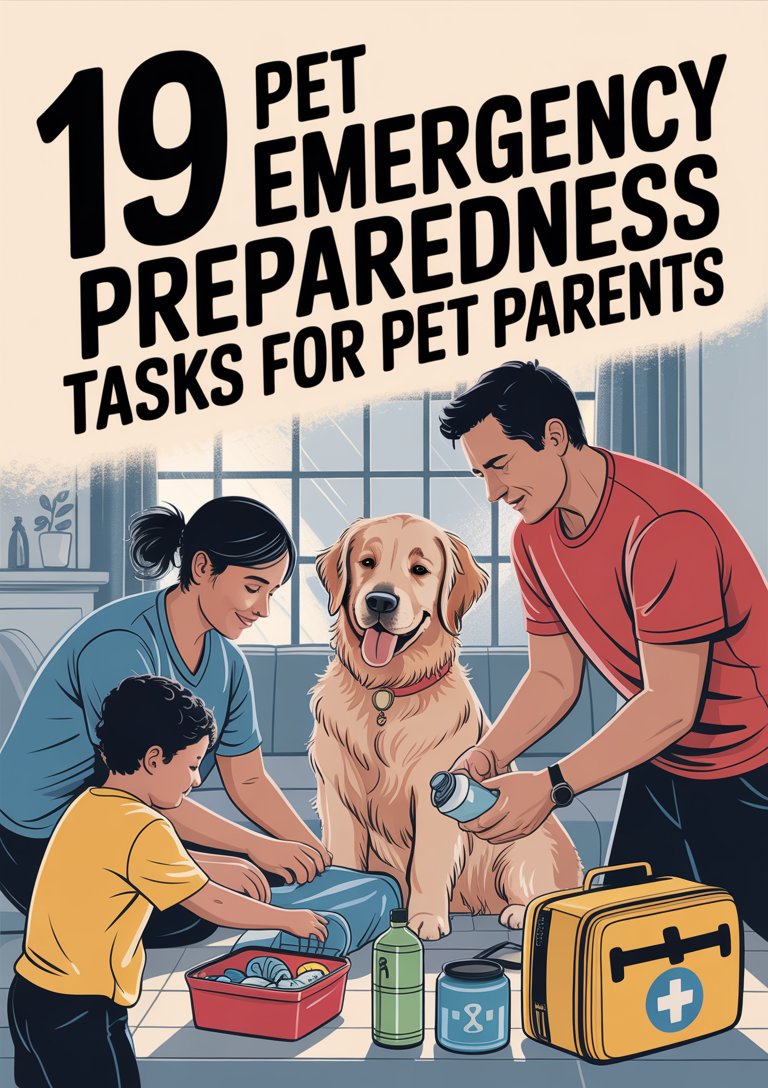
1. Craft A Homemade Pet First Aid Kit
Creating a first aid kit from scratch is easier than you may think. Grab a sturdy, waterproof box—an old lunchbox or a small tool case will do the trick. Include essential items like:
- Gauze rolls and non-stick pads
- Pet-safe antiseptic wipes or saline solution
- Tweezers and blunt-edge scissors
- Cotton swabs or pads
Label everything clearly, and don’t forget to tuck in a small manual on basic pet first aid. Organizations like AAHA suggest reviewing your supplies every six months and replacing anything that’s expired [2]. If you’re looking to expand on the medical side even more, check out Pet Emergency Medical Preparedness for tips on storing health records and medications.
2. Turn A Reusable Container Into A Water Bowl
Knowing pets can’t survive long without fresh water, you want to ensure you have an easy-to-carry bowl. Instead of buying collapsible travel bowls, repurpose a large plastic margarine tub or other sealable container. Clean it thoroughly, then let it dry. Store it alongside bottled water in your kit. Whenever you need it, pop the lid off, fill it, and voilà—you have a leak-proof water bowl your pet can use on the go.
3. Assemble A Basic Food Dispenser
It often helps to keep extra kibble or pet-friendly canned food in your emergency stash. If you’re tight on space, grab a small plastic tub (think those slim cereal containers) to serve as a DIY food dispenser. Label it with your pet’s name and the date you packed it. Add feeding instructions, especially if you’re leaving your kit accessible to friends or neighbors who may step in if you’re away. According to the APHA, storing at least three days of food is crucial, plus water to match, for each pet [3].
4. Repurpose An Old T-shirt as A Comfort Blanket
Pets thrive on familiarity. In an emergency, a cozy reminder of home can really soothe stressed animals. Take an old T-shirt from a family member and repurpose it into a snug blanket or wrap. Simply cut the shirt open into a rectangle and trim any long ribbons of fabric that could get tangled. Fold it neatly in your kit. The familiar scent can help calm your pet in chaotic environments, as recommended by many pet care experts [4].
5. Make A Slip Lead From Rope Or Webbing
A slip lead is a versatile tool that can help in emergencies—especially if you lose a collar or your usual leash is damaged. To create one, tie a basic overhand loop on one end of a strong rope or nylon webbing, leaving a large enough loop to slide over your pet’s head. These leads can come in handy if you’re trying to corral a frightened dog or need an extra layer of control. Slip leads are often recommended for quick rescues [5].
6. Use A Lightweight Crate Liner
If you have a crate as part of your evacuation plan, consider lining it with a homemade quilt or layering old towels. Sew or stitch them so they fit snugly at the bottom. This helps provide cushioning and warmth, and you can easily wash or switch them out if they get dirty. It’s a small comfort in a high-stress situation.
7. Build A DIY Pet ID Tag
Even if your pet is microchipped, a clear ID tag helps rescuers make a fast connection between you and your fur buddy. Grab a piece of durable plastic or laminate an index card. Write your contact info, pet’s name, and any urgent health notes (like food allergies or medicine requirements). Punch a hole in one end and attach it to your pet’s collar with a keyring. For a quick labeling solution, you can even use waterproof tape on the collar itself.
8. Create A Cardboard Cat Hideaway
If you have a cat, a cardboard box can become a mini safe room. Cover it with plastic wrap or painter’s tarp to reinforce it and keep it somewhat water-resistant. Place a small blanket or T-shirt inside for comfort. Cats love having a dark, enclosed space to hide, and this can help them feel more at ease if you’re sheltering in place. For extra security, cut air holes in different sides of the box. This hideaway can be folded or collapsed when it’s not in use.
9. Put Together A DIY Litter Solution
No one wants to scramble looking for kitty litter in the chaos of an emergency. Stock up on a small bag of your cat’s usual litter and stash it with a disposable pan (like an aluminum roasting dish). If you prefer to keep things more eco-friendly, line a shallow plastic storage bin with newspapers. Remember, as APHA recommends, you might need these supplies during evacuation if you’re stuck in a hotel or emergency shelter that doesn’t supply litter boxes [3].
10. Fashion A DIY Pet Muzzle
In stressful situations, even the sweetest pups can lash out. A simple muzzle made from a strip of soft fabric can help keep everyone safe if your dog is in pain or panic. Form a loop around the nose (not too tight), then cross the ends under the jaw and tie them behind the ears. It’s a temporary fix—be sure to remove it if your pet has breathing problems or if you’ve calmed them down.
11. Design A Multi-Pocket Organizer
Staying organized can lower your stress in an emergency. Take an old shoe organizer or sew a simple multi-pocket hanging panel out of sturdy cloth. Label each pocket for items like “Medications,” “Treats,” “Gauze,” or “Documents.” Hang or roll it up and keep it near your pet’s crate or with your emergency kit. This approach is especially helpful if you’re juggling multiple pets, as you can label pockets by name. For more tips on having supplies for all types of furry friends, check out Multi-Pet Emergency Preparedness.
12. Make A Travel-Ready Document Pouch
A zipper-sealed plastic bag or small binder can become a watertight folder for vital documents. Include vaccination records, microchip information, medication lists, and your vet’s contact details. According to the CDC, having these details handy can save critical time if you end up in a crowded shelter where proof of vaccination might be required [6].
13. Sew A Simple Pet Sling
For smaller pets or senior animals with mobility challenges, a sling can help you transport them without straining your arms. Cut a large piece of sturdy fabric (like denim or canvas), fold it lengthwise, and sew the edges to form a wraparound bag. Make sure there’s plenty of airflow and a stable handle or strap you can place over your shoulder. This DIY sling can be a lifesaver if you need to move quickly during an evacuation, yet keep your pet snug and close.
14. Convert An Old Bag Into A Go-Kit
You probably have an old backpack, duffel bag, or messenger bag lying around. Turn it into your dedicated pet emergency go-bag by loading it with the key items you’ll need on the road:
- First aid essentials
- Collapsible bowls
- Sealed emergency food
- Extra leash or harness
- Waste bags
Regularly rotate medications and food every few months for freshness. Having all of this in one place means you can grab it at a moment’s notice—particularly helpful if you’re ordered to evacuate in a hurry.
15. Whip Up A Reusable Treat Pouch
A little bribery never hurts when coaxing a nervous pet. For quick treat access, transform fabric scraps into a small drawstring pouch. Place a waterproof lining inside to keep oil or crumbs from seeping through. Clip the pouch to your belt loop or store it in your emergency go-bag. Remember to refill it with high-value treats your pet loves to keep them focused on you, not on the surrounding chaos.
16. DIY Paw Balm
Harsh surfaces or temperature swings can crack your pet’s paw pads. Make a soothing balm by melting together:
- 2 tablespoons of beeswax
- 2 tablespoons of coconut oil
- 1 tablespoon of shea butter
Once melted, stir until it’s well combined, then let it cool in a small tin or jar. Apply a thin layer to your pet’s paws in cold or hot weather. While not strictly an emergency item, it can keep your pet comfortable if you’re traveling or walking on rough terrain.
17. Repurpose Pill Boxes For Medications
If your pet requires daily meds, gather your pill containers in one place. Label them with your pet’s name (so there’s no confusion among family members) and note dosage instructions. Even if you only have leftover containers, you can clean them and repurpose them for your emergency kit. The CDC suggests that you also keep a paper or digital note with dosage schedules and your vet’s phone number [6]. This ensures anyone who looks after your pet in your absence can easily follow up.
18. Transform A Plastic Tote Into A Pet Bath Station
Sometimes emergencies aren’t just hurricanes or wildfires. It might be a minor flood or a messy incident that leaves your pet dirty. Keep a plastic tote and mild shampoo (vetted by your veterinarian) in your kit. Drill or poke small holes in the sides of the tote for draining. This station helps you clean your pet quickly while containing the mess in one place—especially handy if you’re stuck in a shelter or friend’s home without a dedicated washing area.
19. Make A Calming Kit With DIY Toys
Pets get stressed during crises, so having fun and soothing toys on hand can be a major relief. Braid strips of old T-shirts into tug toys for dogs or tie felt strips to a wooden dowel for a homemade cat teaser. You can also stash catnip pouches in your cat’s hideaway. These simple DIY distractions help keep your pets’ minds engaged and reduce anxious pacing.
20. Assemble A Quick-Grab Evacuation Combo
If you know you live in an area prone to frequent weather events (like hurricanes or wildfires), it’s wise to keep a smaller version of your main kit in the car. Fill a durable plastic bin with:
- Three days’ worth of pet food and water
- A collapsible bowl
- Basic first aid items
- Comfort blanket or shirt
The APHA advises this measure if you might have to evacuate on short notice [3]. You won’t regret the peace of mind from having an off-site stash ready.
21. Use A Refillable Water Jug
You can never have enough water. Grab an empty, heavy-duty water jug (1–2 gallons) to keep in your emergency kit or vehicle. Carefully rinse it, allow it to dry completely, then fill it with fresh, clean drinking water. Just be sure to rotate the water about every two months. According to 24PetWatch, keeping your pet hydrated is crucial during travel, especially in hot conditions [5]. You’ll thank yourself if you’re ever stuck in a long line of cars evacuating.
22. Pack A Fold-Up Seat Cover
Whether you’re evacuating or just heading to the vet, a seat cover can protect your car interior from muddy paws or spills. Use a waterproof shower curtain or vinyl tablecloth and fold it into a seat shape. You can cut small slits for seatbelts or crates. This not only keeps your car cleaner, but it also creates a more sanitary environment if your pet is anxious and has an accident.
Keep Your Supplies Fresh
You’ve done the work to gather these DIY pet emergency supplies—awesome job! But here’s the key: don’t let them sit forgotten in a closet indefinitely. Make it a habit to:
- Check Expiration Dates:
- Food, medicine, and even treats can expire. Mark your calendar to swap them out every six months.
- The American Red Cross suggests rotating stock before each new season [1].
- Refresh Water:
- If you’re storing large jugs of water, flush and refill them regularly. Experts like 24PetWatch recommend doing this about every two months [5].
- Label your water containers with the date you filled them.
- Revisit Documentation:
- Veterinary contact info, vaccination records, and medication lists can change. Update these whenever your pet’s prescriptions or health status shift.
- If you frequently travel with your pet, check out Travel Emergency Preparedness Pets for tips on staying current with travel documents.
- Inspect Equipment:
- Look over your slip leads, harnesses, or crate liners for wear and tear.
- Fix or replace anything that seems damaged to keep your pet safe.
When all these items are kept fresh, you’re positioned to face emergencies without scrambling. It doesn’t matter if it’s a quick scare like a small household flood or something bigger that forces you to evacuate. Your preparedness helps protect your fur family from unnecessary stress or health risks.
Wrap Up And Encourage
We know emergencies can feel overwhelming. But by taking charge and making these simple DIY pet emergency supplies, you’re setting yourself and your beloved companion up for a safer, more comfortable experience if the unexpected happens. You’ve handpicked each item with care, tailoring them to your pet’s unique quirks and needs. That personal touch goes a long way in helping your furry friend stay calm—and helping you feel more confident.
Remember, you’re not alone in this. We’re all learning how to keep our pets protected during storms, power outages, or even everyday bumps in the road. Keep leaning on your community and trusted resources, such as your veterinarian or local officials, when you have questions. And if you ever slip up—maybe you forget to rotate your canned food or you realize you’re short on bandages—don’t be too hard on yourself. The fact that you have a plan at all means you’re already a step ahead.
Take a moment to celebrate putting together these cost-effective, homemade essentials. An emergency may never strike, and you might simply rotate your supplies out a few times a year without needing them at all. But if the day comes that you do need that extra water jug or T-shirt blanket, you’ll be so glad you prepared. You and your pet deserve that peace of mind.
After all, having a well-stocked kit is about more than survival—it’s about caring for our best friends with kindness and readiness. So keep your gear updated, lean into your creativity, and give your pet a reassuring pat. You’ve got this, and your furry companion knows they can trust you to keep them safe no matter what comes your way.
References
- (American Red Cross)
- (AAHA)
- (APHA)
- (Purina)
- (24PetWatch)
- (CDC)