10 Signs Your Pet Needs Emergency Medical Care Right Now
Sometimes it’s easy to shrug off your pet’s odd behavior as just a quirky moment, but there are certain signs of a pet medical emergency you never want to overlook. If your furry companion is showing any strange symptoms, it’s natural to feel a bit worried or unsure of what to do next. Let’s walk through this together. We’ll explore the top 10 red flags that call for immediate veterinary attention so you can act quickly and confidently if your pet needs help. Remember, you’re not alone in this—many of us have stood in that same spot, wondering whether a late-night dash to the vet is really necessary.
They rely on subtle (and sometimes not-so-subtle) signs to show they’re in distress. A lethargic walk across the room or a sudden refusal to eat might seem small at a glance, but these small clues often tell a larger story. Whenever in doubt, it’s wise to call your veterinarian or an emergency clinic for quick guidance. Also, consider the fact that emergency care can be more expensive than regular daytime appointments, so being prepared helps you and your wallet in the long run. Having a plan in place—and understanding the most common warning signs—can make a huge difference for your pet’s health and your peace of mind.
We’ll talk through each sign in detail, covering everything from difficulty breathing to sudden bleeding. Feel free to take notes or bookmark this page for future reference. If you have multiple pets at home, you might also want to explore resources like multi-pet emergency preparedness to ensure you’re ready, no matter how many furry friends share your space. Ready to dig in? Let’s look at the 10 signs that your pet may need emergency medical care right now.
Difficulty Breathing Or Rapid Panting
Breathing struggles can be a glaring signal that something isn’t right. Maybe you notice your cat crouched, gasping for air, or your dog panting heavily as though they just sprinted a marathon, despite resting quietly on the living room floor. According to the American Veterinary Medical Association (AVMA), difficulty breathing, persistent coughing, or rapid panting often point to serious respiratory distress [1].
One of the biggest complications with breathing issues is that they can deteriorate rapidly. Respiratory problems might stem from an allergic reaction, a heart condition, or even an airway blockage like a lodged toy or piece of food. You may see quick, shallow breaths, frothing at the mouth, or unusual sounds like high-pitched wheezes. If your pet seems unable to get comfortable—pacing, whining, or straining for air—this is your cue to act fast.
In any of these cases, stay calm, but don’t delay. Reach out to a veterinary clinic immediately. If your pet is unconscious or unable to breathe at all, this is a life-threatening emergency. While you’re on the way to the vet, make sure they can breathe freely—avoid placing anything around their neck that could add extra pressure. Yes, it’s scary, but remember, you’re taking a proactive step that could save your pet’s life.
Excessive Bleeding Or Open Wounds
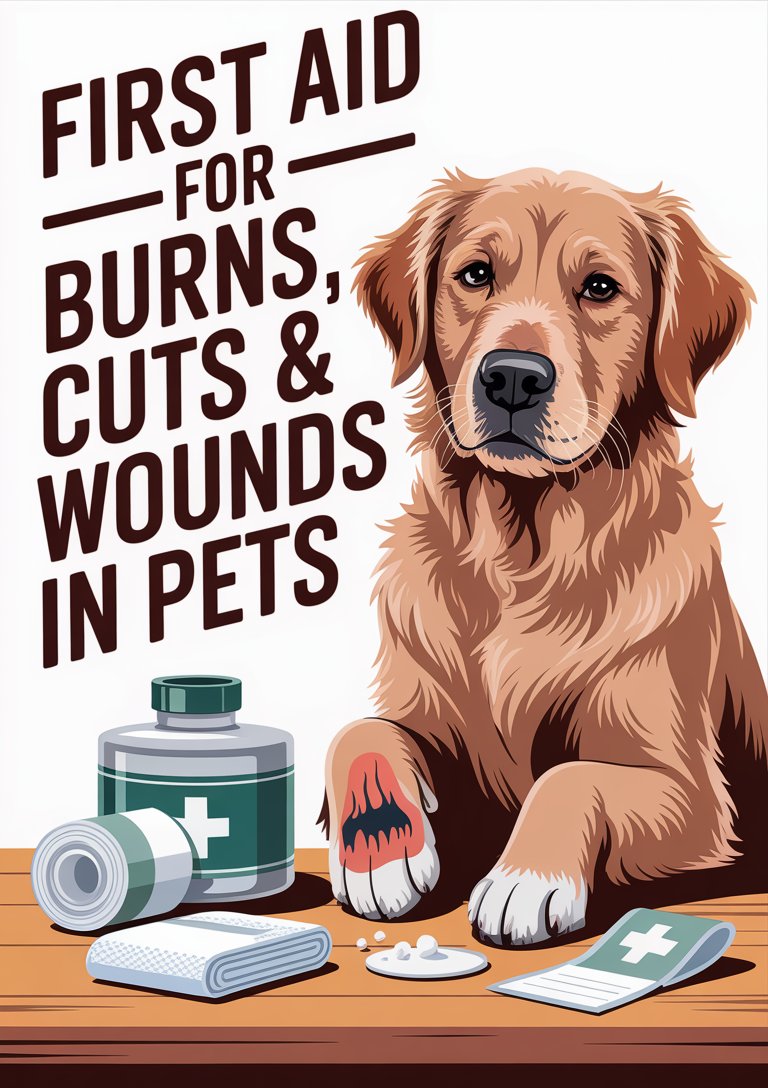
A little scratch or a minor bump happens from time to time—pets are curious creatures who love to explore. However, if you’re seeing bleeding that doesn’t slow or stop within a few minutes, you might be dealing with a more serious wound. A small cut can become infected if not cleaned properly, but a major open gash or puncture that’s pumping blood calls for immediate care.
When your pet is bleeding profusely, the first thing to do is apply gentle pressure with a clean cloth or gauze. If you notice that the blood is soaking through quickly, add another layer without removing the first pad—this can help form clots. Keep an eye on the color of the blood. Bright red spurts can indicate arterial bleeding, which is especially life-threatening. If they’re not stable, or if your pet starts showing signs of shock like pale gums or extreme weakness, get to an emergency vet as fast as you can.
Trauma and bleeding might also be accompanied by internal injuries. The outside cut is visible, but you won’t easily see damage to internal organs. Heavy or persistent bleeding could signal a deeper problem, so stay cautious. When you reach the vet clinic, they may examine your pet for potential fractures, organ damage, or other complications that aren’t evident to the naked eye. After all, addressing a wound promptly can mean the difference between a simple treatment and a more severe crisis down the road.
Repeated Vomiting Or Diarrhea Episodes
We’ve all seen upset tummies in our pets—perhaps they ate something unfamiliar or got into the trash. However, repeated vomiting or diarrhea that persists beyond a single episode can spell trouble. Pets quickly lose fluids when their gastrointestinal system is in overdrive, and severe dehydration can set in before you know it. According to BluePearl Veterinary Partners, ongoing vomiting or diarrhea can even lead to life-threatening complications if not treated right away [2].
One or two instances of vomit may not be alarming, especially if your pet bounces back, resumes drinking water, and seems energetic. Yet, if the vomiting repeats for more than 24 hours, or if there’s blood in the vomit or stool, that’s a major red flag. Sometimes, the culprit might be a foreign object lodged in their digestive tract—maybe a toy squeaker or a sock. Other times, a toxin or underlying disease is to blame.
Monitoring your pet’s behavior is key. Are they still interested in food? Are they able to keep water down? Are they lethargic and refusing to move off their bed? These details can help your vet narrow down the cause. If you’re unsure whether to head to the clinic, it’s always safer to call and ask. Dehydration can spiral fast, so don’t let repeated vomiting or diarrhea linger, thinking it’ll pass. A quick assessment might spare you a more harrowing emergency later.
Bloated Abdomen Or Unproductive Retching
You know that tight, hard belly look sometimes described as “bloated”? In dogs, especially, this can be a life-threatening condition called Gastric Dilatation and Volvulus (GDV). Think of it as a twisted stomach that traps gas and puts pressure on vital organs. If your dog is trying to vomit but only brings up foam or nothing at all, or if you notice their abdomen is visibly distended, call your vet immediately. The AVMA warns that unproductive retching, or a dog looking like they’re going to throw up but nothing comes out, demands urgent veterinary care [1].
A bloated abdomen can also affect cats, though it’s more common in large-breed dogs with deep chests like Great Danes or German Shepherds. You might see your dog pacing anxiously, drooling excessively, or acting restless. They might look at their abdomen frequently or whine in pain. This is an unbelievably painful situation that can reduce blood flow to the heart, damage organs, and even rupture the stomach if not treated quickly.
If you suspect bloat, do not wait and see if it resolves on its own. GDV is something that can become fatal within hours, so call your vet right away and explain the symptoms. In many cases, your pet will need immediate surgery to correct the twist. While prevention tips like feeding smaller, frequent meals or avoiding vigorous exercise after eating are helpful in the long run, once signs appear, time truly is of the essence.
Seizures And Sudden Collapse
Few things are more frightening than watching your beloved cat or dog collapse or go into a seizure. You might see their body shake uncontrollably, their eyes roll back, or their limbs stiffen. Some pets even lose control of their bladder or bowels. According to PetMD, seizures can point to issues like epilepsy, toxic ingestion, or underlying illnesses [3].
Seizures often come in clusters, meaning your pet could have multiple episodes in a short period. Between seizures, they might act disoriented, bump into furniture, or appear not to recognize you. If your pet is having more than one seizure within 24 hours or a single seizure that lasts more than a couple of minutes, it’s definitely time for emergency intervention. In some cases, prolonged seizures (also known as status epilepticus) can result in permanent brain damage.
While it’s happening, try to clear the area of furniture or objects that might harm them. Avoid placing your hands in their mouth—contrary to popular myths, they won’t swallow their tongue, and you risk being bitten unintentionally. Once the seizure subsides, your pet might be dazed and exhausted. Contact your veterinarian immediately for advice about whether to bring them in. If your dog or cat completely collapses and can’t stand again, treat it as an emergency. Stay calm, but move quickly, because sudden collapse can signal heart problems, overheating, or other severe conditions requiring urgent help.
Poison Ingestion Or Exposure
Our pets are curious explorers, constantly sniffing and tasting whatever they find. Unfortunately, household substances like chocolate, certain cleaning agents, and even sugar-free gum can be highly toxic. According to the American Kennel Club (AKC), poisoning in dogs is an emergency that demands immediate veterinary attention [4]. Cats can also face life-threatening issues from ingesting common toxins like lilies, certain essential oils, or human medication.
Symptoms of poisoning vary but might include sudden vomiting, drooling, tremors, or even seizures. If you suspect your pet ate something toxic, try to identify the substance—take note of the packaging or the exact plant they chewed on. Time is crucial, and your veterinarian may use tools like activated charcoal or induce vomiting to remove the poison from your pet’s system. If your usual clinic is closed, find the nearest emergency vet or call a pet poison hotline.
Prevention is your best friend here, so keep dangerous items well out of reach. That includes human medications—just because an over-the-counter drug works for us doesn’t mean it’s pet-safe at the same dose. If you prefer a more budget-friendly approach to pet-proofing, consider storing chemicals on high shelves, and double-check your yard for hazardous plants or mushrooms. We’re all trying to keep our four-legged pals safe, and a little extra planning goes a long way.
Weakness, Staggering, Or Tremors
Maybe you’ve noticed your pup stumbling around at home or your cat swaying side to side like they’ve lost their bearings. Sudden changes in coordination—especially trembling or tremors—can indicate neurological problems, low blood sugar, or another underlying condition that needs urgent help. Pets often mask their symptoms for as long as they can, so by the time you notice staggering, something more serious may be at play.
In some cases, it’s as straightforward as a pulled muscle or a sprain, particularly in older pets with joint issues. But if the wobbliness is accompanied by shaking, vomiting, confusion, or a rapid heart rate, it’s time to think emergency. If your pet seems unable to stand without crumpling to the floor, that’s a lightning-flash signal to call a vet right away. Veterinary specialists might perform a physical exam or run blood tests to pinpoint the cause. They may also check for signs of dehydration or nerve impairment, especially if other symptoms like drooling or dilated pupils are present.
One hidden cause of weakness could be exposure to harmful substances or moldy food. According to Knutsford Vets Surgery, mycotoxins found in moldy food can lead to tremors, seizures, and appetite loss, so it’s wise to scan your home for mold-prone areas [5]. Don’t feel guilty—these things happen, and not everyone inspects every nook and cranny 24/7. What matters most is staying observant and getting help when you suspect something’s off.
Pale Gums Or Abnormal Gum Color
Healthy gums in dogs and cats vary in shade, usually a nice pink that’s similar to the inside of your own mouth. But if you lift your pet’s lip and see gums that are pale, white, or even blue or gray, you could be witnessing a serious circulatory or respiratory problem. Pale gums can mean anemia, shock, or internal bleeding, while bluish gums often indicate oxygen deprivation.
If you notice pale or unusual gum colors, check for other signals like rapid breathing, a racing heartbeat, or that dreaded glassy-eyed look. Your pet might also be shivering or refusing to move. This scenario isn’t something to brush off as mere dehydration—pale gums could point to a full-blown crisis. A quick “capillary refill test” can be telling: gently press your finger on the gum and see how long it takes for the pink color to return. More than a couple of seconds, and you should call a vet.
At the clinic, staff might run bloodwork or imaging tests to see if there’s internal bleeding or organ failure at work. Don’t be surprised if they ask questions about any previous injuries or medications, either. Sometimes, hidden issues like a ruptured spleen or slow-bleeding tumor can be discovered this way. Early intervention could offer a much better prognosis, so trust your gut—if your pet’s gums look off, that’s a genuine reason to pick up the phone and get professional advice.
Persistent Coughing Or Choking Risks
A quick cough here or there might seem innocent, but persistent coughing can point to heart disease, lung issues, infections, or something stuck in your pet’s throat. It might start gently, almost like a hairball hack, but if it continues for more than a couple of days—or if it’s forceful and frequent—there’s likely an underlying problem. ReadiVet notes that consistent coughing, especially if combined with unproductive retching, is classified as an emergency sign, requiring a vet’s assessment right away [6].
For choking, you might see your dog paw at their mouth or your cat gagging with no success. They could drool excessively or foam at the mouth in their attempt to clear the obstruction. If your pet can’t breathe, their gums may turn blue, and they’ll struggle to remain conscious. In some dire cases, you may need to perform a pet-appropriate Heimlich maneuver. Always exercise caution—your pet could be panicked, flailing, or biting out of fear.
If your pet’s cough is mild but constant, make an appointment with your vet. Chronic coughs can sometimes be the result of kennel cough, allergies, or even heartworm disease. Early detection means a better chance of successful treatment. If the next cough sounds especially rattly, your pet’s chest seems to be heaving, or they appear to be choking, don’t hesitate. Head to the emergency clinic or call your vet to see if you can come in immediately. Timing matters here— waiting a day or two could turn a minor cough into something far more severe.
Severe Trauma Or Injury Concerns
Accidents happen—maybe your dog darts into the street, or your cat takes a nasty fall off a high shelf. Whenever significant trauma is involved, you’ll want professional care. Even if there’s no obvious fracture, internal injuries could be lurking, so consider it an emergency if your pet can’t stand, is limping severely, or if there’s visible bone or bruising. As the Animal Clinic of Council Bluffs reminds us, situations that involve major trauma, difficulty breathing, or an apparent risk of organ damage require immediate emergency veterinary care [7].
If your pet has had a close call with a car, don’t assume they’re fine just because they get up on their paws. Adrenaline can mask injuries. Check them carefully for swelling, painful areas, or blood on their coat. Gently place them on a flat surface if you need to transport them, and avoid twisting their body or manipulating any injured limbs. Keeping them as still as possible can prevent further damage en route to the vet.
It’s easy to feel frightened or guilty—maybe you turned your head for just one second, and suddenly your pup found a way onto the neighbor’s property. But the important thing is to address the injury quickly. A trained veterinarian will likely perform diagnostic imaging (like X-rays) to see what’s going on internally. This is often the difference between a full recovery and a slow, painful healing process at home. If you find yourself wondering why your pet seems out of it or avoiding their usual activities after a mishap, that’s a sign it’s time to go in for a check.
Take Steps To Prepare
You’ve just learned what to watch out for when it comes to emergency warning signs. But knowing is only half the battle—being prepared means you’re ready to respond quickly, even if you’re caught off guard in the middle of the night. Here are a few ways you can strengthen your emergency plan:
Identify Your Nearest ER Vet
- It’s important to map out how you’ll get there. Have contact info for your regular vet and a 24-hour emergency hospital. That way, if your cat suddenly starts staggering at 2 a.m., you know exactly which number to call and where to go.
Keep A First Aid Kit On Hand
- Stock it with essentials like gauze, bandage tape, antiseptic wipes, and tweezers. Our pet first aid kit list breaks down the bare necessities. You’ll thank yourself later for having supplies within arm’s reach while waiting for professional care.
Learn Basic Pet First Aid
- Simple techniques like checking for capillary refill, performing chest compressions, or using the Heimlich maneuver can buy you precious time. The Red Cross even offers options for online animal first aid courses that help you gain confidence and skills.
Practice Preventive Measures
- Many emergencies stem from preventable situations. Secure your home so your pet can’t access toxic foods or cleaning chemicals. According to Knutsford Vets Surgery, everyday items like chocolate, onions, and macadamia nuts rank high on the toxic list [5]. It’s worth double (or triple) checking your kitchen and cabinets for dangerous items.
Plan For Disasters And Evacuations
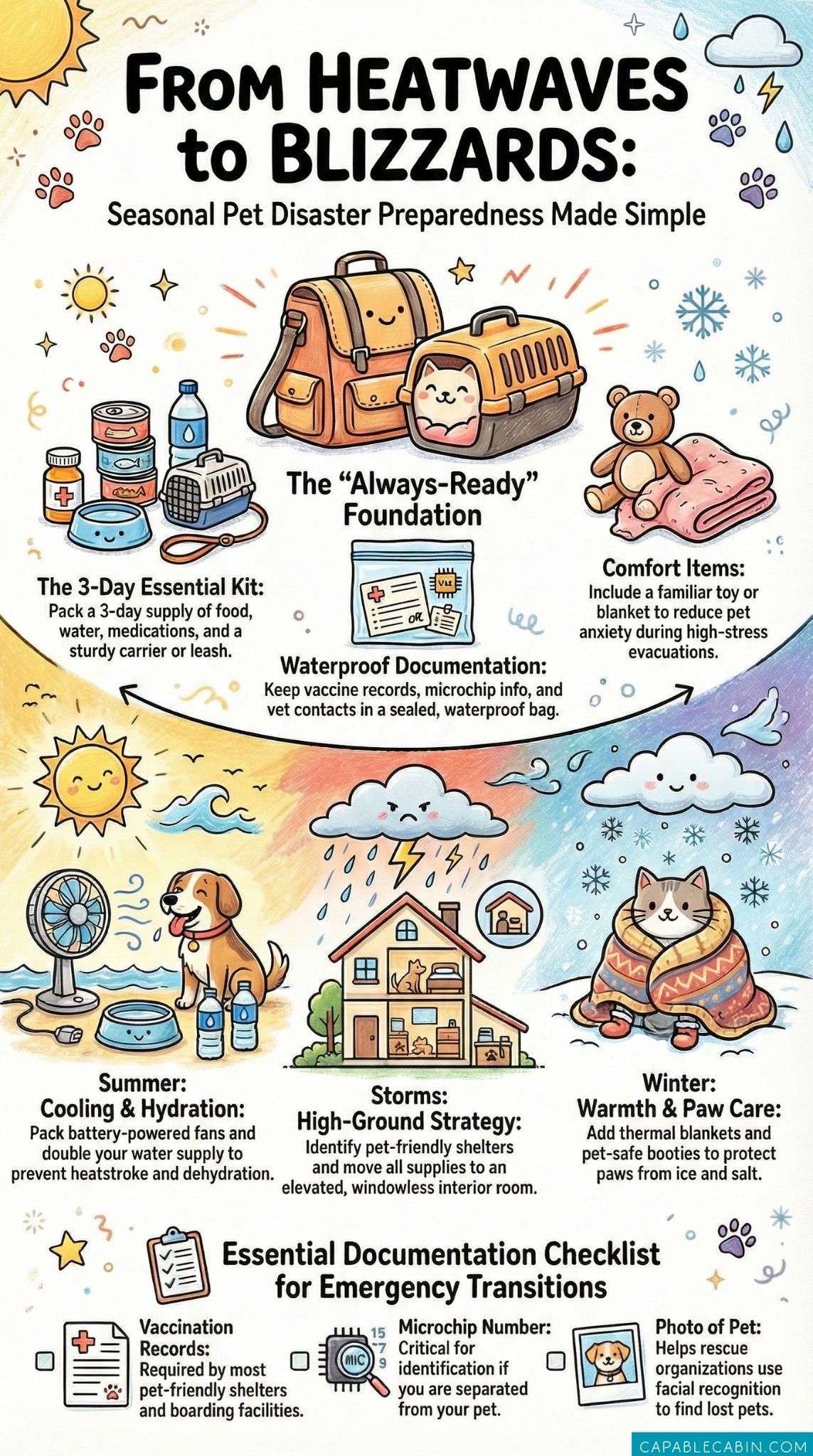
- Natural disasters can strike without much warning. Keep emergency supplies for your pet, and if you live in an apartment or a rural location, you may benefit from specialized guides like our pet emergency prep apartments or rural pet emergency preparedness. You’ll sleep easier knowing you’ve got a backup plan in place.
By covering these bases, you equip yourself to handle everything from a minor scrape to a life-threatening crisis. The calmer and more prepared you feel, the clearer your judgment will be when the unexpected happens. Pets depend on us to notice their struggles and advocate for their well-being, so a little forethought can truly go a long way.
Above all, remember that you’re not alone. Professionals are ready to help at your local vet or emergency clinic, and fellow pet owners often have valuable insights to share from their own experiences. The next time you spot something that feels off—rapid breathing, an unresponsive cat, or repetitive vomiting—pause for a moment, trust your instincts, and reach out for veterinary help. It’s always easier to make a call or stop by your vet than to wonder later if you waited too long.
When all is said and done, our pets rely on us to keep them safe. By recognizing these 10 major warning signals and setting up a plan, you can provide the supportive, loving care they deserve every single day. You’ve got this—and we’re right here, cheering you on as you continue making proactive choices to protect your cherished four-legged friend. Stay alert, stay prepared, and give those furry buddies an extra hug tonight. They’d do the same for you if they could.