Hurricane Pet Preparedness Checklist Keeping Dogs and Cats Safe in Storms
Understand Hurricane Pet Preparedness
Hurricane pet preparedness is all about getting your beloved dogs, cats, and other companions ready before storm season hits. We’ve all experienced that gnawing worry: “What if I’m forced to leave my home and don’t have a clear plan for my pets?” Trust me, you’re not alone in this concern. Following practical tips now can help you avoid last-minute chaos and keep your furry family members safe.
Hurricanes can cause flooding, intense winds, and power outages that place pets at risk of injury or separation from you. Local officials often emphasize that if it’s not safe for you, it isn’t safe for your pets either. According to Ready.gov, having a well-thought-out strategy (like building emergency kits and planning evacuation routes) can make a huge difference if you need to relocate quickly.
Below, you’ll find a friendly guide that covers everything from assembling the right supplies to keeping your pets calm. We’re in this together, so let’s break it down step by step.
Why Early Preparation Matters
- Shelters and hotels might not always allow regular pets (service animals generally have legal protections).
- Erratic weather patterns mean you might have only hours—or even minutes—to respond.
- Pets experience storm anxiety and need a comforting plan as much as you do.
By planning ahead, you’ll protect your pets and reduce your stress so you can focus on your family’s overall safety.
Build A Pet Emergency Kit
When you’re gearing up for any big storm, creating a pet emergency kit is a must. Think of this kit like a lifeline for your furry friend. If you suddenly have to evacuate, you’ll want everything packed and ready to go.
Two Versions Of Your Kit
It’s recommended to have two versions of your kit:
- Large Kit For Sheltering In Place: Keep enough supplies for at least a few days, including canned or dry food, water, and important medications your pet might need. Store these in sturdy containers so items remain safe and dry.
- Lightweight Kit For Evacuation: This portable option ensures you can move quickly. According to Ready.gov, you’ll want a smaller stock of food and water, plus collapsible bowls and some basic first-aid items.
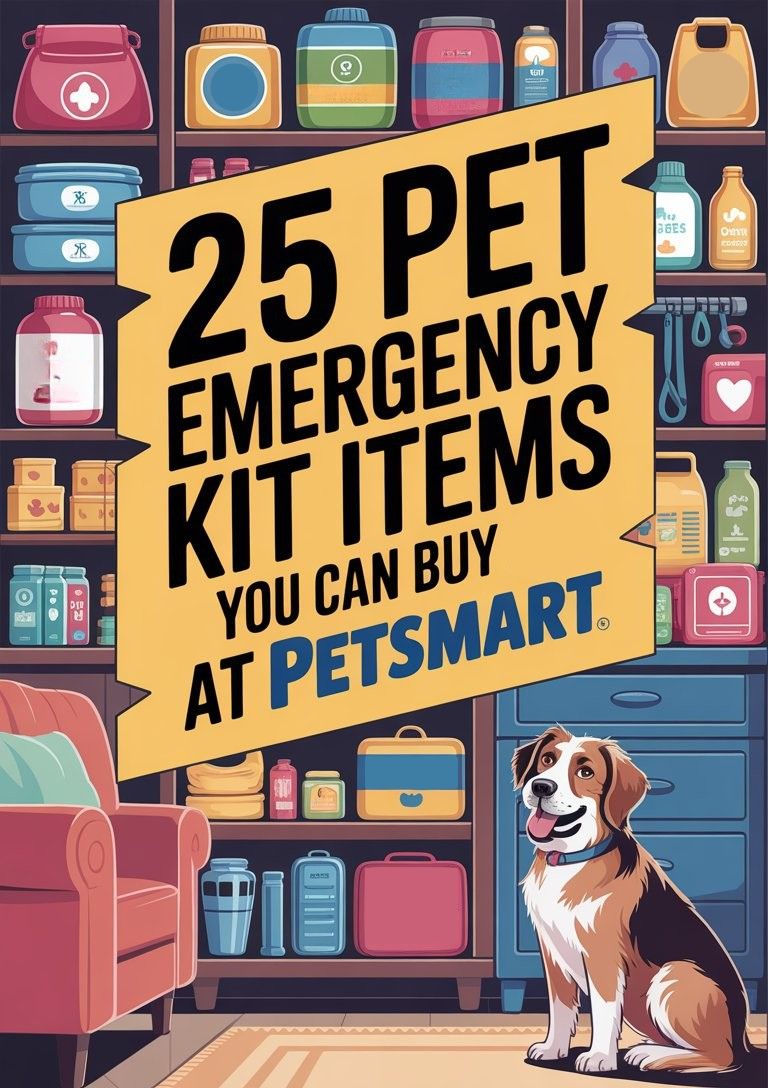
Gathering Essential Supplies
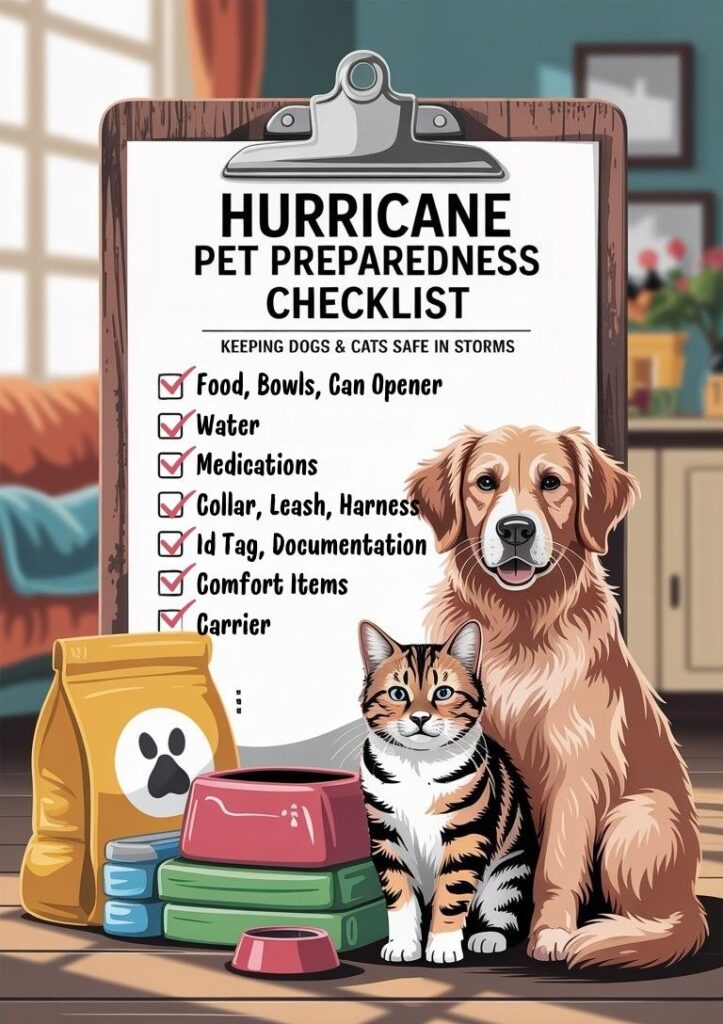
Here’s a quick checklist to get you started:
- Food And Water: Enough for at least 3-7 days (depending on the size of your pet). Rotate supplies regularly so they stay fresh.
- Medications and Medical Records: Keep them in a waterproof bag. A handy reference can be found in our pet emergency medical preparedness article.
- Comfort Items: Familiar blanket or toy to help calm your pet. You can explore additional suggestions in pet emergency comfort items.
- Extra Leash, Collar, and Carrier: Carriers should be the right size to allow your pet to stand up and turn around.
- Sanitation: Waste bags, paper towels, and even puppy pads if needed.
- Identification: Make sure your pet wears an ID tag. Include microchip information if you have it.
Handy First-Aid Tips
If you’re stashing first-aid supplies, consider bandages, disinfectant, tweezers, and any items recommended by your vet. For more tailored guidance, see our pet first aid kit list. Keep these resources close—you never know when a small cut or an unexpected stomach upset might occur.
Prepare For Potential Evacuations
Sometimes, local officials will call for an evacuation if a hurricane intensifies. When that happens, it’s crucial to exit early and take your pets along with you. Leaving them behind is risky not only for them but also for first responders who may have to attempt a rescue later. Here’s how you can be ready.
Find Pet-Friendly Shelters Or Accommodations
- Pet-Friendly Shelters: Some communities have dedicated animal-friendly shelters, while others do not. Check with local emergency management agencies or your vet for the nearest pet-friendly options.
- Hotels And Motels: Call ahead to see which ones accept pets, particularly if you’re planning to drive a longer distance to avoid the hurricane’s path. FDA also encourages having a list of pet-friendly hotels just in case.
If you want more detailed insights on leaving home with pets, including logistical tips, see our pet evacuation planning article—it walks you through the challenges and solutions step by step.
Carriers And Crates
Training your pets to be comfortable in a carrier before disaster strikes can reduce stress and potential injury. Set aside a little time each day to familiarize them with being in a crate. Try leaving the carrier open in a common area, toss in a treat, and praise them for investigating. According to Urgent Paws Vet Clinic, practicing short evacuations—like walking to your car with your pet in their crate—can help you both feel prepared when it’s truly urgent.
Travel Essentials
Your lightweight kit should include:
- Travel-friendly bowls.
- A small stash of food (preferably in meal-sized bags).
- Bottled water.
- Medications in a waterproof container.
- A copy of medical records and vaccination history.
A tip: keep these items by the door or in your trunk for a quick grab-and-go.
Address Health And Stress
Hurricanes don’t just rattle humans. Pets can pick up on sudden changes in barometric pressure, shifts in routine, and your own anxiety levels.
Recognize Storm Anxiety
Dogs and cats often show stress through behaviors like trembling, drooling, excessive whining, or hiding in dark corners. According to Birch Island Veterinary Clinic, you might see:
- Pacing or restlessness
- Barking or yowling excessively
- Refusal to eat or drink
- Attempting to escape or hide
Keeping an eye on these signs helps you intervene early with comforting measures.
Manage Anxiety With Calming Strategies
- Safe, Familiar Space: Designate a quiet room or a favorite crate where your pet can retreat.
- Use Calming Aids: Pheromone diffusers, anxiety wraps, or thunder shirts can work wonders.
- Play Soothing Sounds: Gentle music or even white noise can reduce the shock of loud winds and thunder.
- Consult Your Vet: If your pet’s anxiety is severe, talk to a veterinarian about potential supplements or prescription meds. Check out veterinarian pet emergency tips for more professional guidance.
Keep Medical Records Handy
Should you need to board your pet or visit a clinic, up-to-date vaccination records and vet contact information are vital. Keep digital copies on your phone or a USB drive in case printed versions get wet or lost. Backups can save you time (and headache) during high-stress moments.
Account For Special Circumstances
Your approach to hurricane pet preparedness might change if you have unique living situations, senior dogs or cats, or exotic animals. Adjusting your plan now will save you from frantic last-minute scrambles.
Senior Or Medically Fragile Pets
Aging pets often need extra care, which might include daily medication for conditions like arthritis or heart disease. Plan ahead by stocking an extended supply of meds. You can learn more in our senior pet emergency preparedness guide, which outlines specialized needs for older animals.
Multiple Pets
Got a multi-pet household? That is wonderful, but it can be a handful during an emergency. Ensure you have enough carriers, leashes, and harnesses for each animal. For practical tips on corralling multiple furry buddies, check out multi-pet emergency preparedness.
Large And Exotic Animals
Horses, goats, and pigs require a different method of transport and sheltering. According to Ready.gov, owners of large livestock should plan loading procedures well in advance. That might mean working with a farm or a friend with an appropriate trailer. If you have smaller exotics like reptiles or birds, set up specialized carriers that maintain temperature and humidity requirements. Our exotic pet emergency preparedness resource offers additional ideas.
Secure Everything At Home
Sometimes, you’ll shelter in place rather than hit the road. Even then, it’s essential to have your space ready for high winds, possible flooding, and power outages.
Fortify Windows And Doors
- Storm Shutters: Install them if you’re in a high-risk area. Flying debris can easily break windows.
- Secure Loose Items: Bring in patio furniture, potted plants, or yard decorations that could become projectiles in high winds.
Place your pet in a safe area with limited windows during the storm. If conditions worsen or windows break, having them already contained in a secure room or crate reduces the risk of injury.
Create A Pet-Safe Room
Designate a room inside your home where everyone can stay, ideally away from large windows. Keep your fully stocked pet emergency kit there. According to SPCA Tampa Bay, a small plastic pool lined with sod can serve as an indoor bathroom for your dog if it’s dangerous to go outside.
Plan For Power Outages
- Lighting: Battery-operated lanterns or flashlights help you navigate your home in the dark.
- Ventilation and Cooling: Hurricanes often arrive with hot, humid conditions. If your AC goes out, try using battery-powered fans or cold packs wrapped in towels to comfort your pet.
- Food Storage: If you use wet food that needs refrigeration, consider single-serve packets or freeze-dried alternatives for at least part of your supply.
Stay Safe After Storms
Often, the real test begins after the hurricane. Flooded roads, debris, and downed power lines can all pose hidden dangers to you and your pets.
Inspect Your Home First
Check for:
- Broken Glass or Sharp Objects: Clear away anything that could cut paws.
- Water Damage or Mold: Stagnant water can breed bacteria, so dispose of soaked carpet or furnishings.
- Loose Wiring or Exposed Appliances: Pets love to sniff around, so make sure they can’t get into hazardous areas.
If the power remains out or your neighborhood is severely damaged, keep your pets under close supervision. According to CDC, pets can behave unpredictably after disasters—some may become anxious, defensive, or try to roam.
Monitor Your Pet’s Behavior
Signs like refusal to eat, hiding for long periods, or uncharacteristic aggression may indicate lingering stress from the storm. If these issues persist, check in with your vet or consult resources like common pet emergencies to rule out underlying medical troubles.
Restock Supplies
Used up some of your stash while riding out the storm? Don’t forget to replenish:
- Food, water, and medications
- Paper towels, waste bags, litter
- Any comfort items that were soiled or damaged
Keep everything in a safe storage area, and consider rotating items periodically so they don’t expire. You can check rotating pet emergency supplies for helpful routines on keeping items fresh.
Maintain Confidence In Your Plan
Well, friend, you’ve got all these steps in place, and that’s something to celebrate. Even so, it’s perfectly normal to feel a little uneasy wondering if you’ve truly covered all the bases. Here are some final pointers to boost your confidence:
Practice With Your Pet
Perform a mini-drill: gather your “evacuation kit,” load your pets into their carriers, and drive around the block as if you’re checking into a pet-friendly hotel. This quick trial run can reveal what still needs fine-tuning. Maybe the carrier is too small now, or you realize you forgot an extra leash.
Communicate Your Plan
Share your plan with neighbors or family so they know what to do if you’re separated. If you live in an apartment, consider reviewing pet emergency prep apartments for building-specific considerations. A “buddy system” is reassuring for everyone involved—your neighbor might be able to feed your cat if you’re delayed returning home.
Keep Up With Official Updates
Stay informed by tuning in to local weather stations or official social media channels. Websites like Red Cross and SPCA Tampa Bay often post additional tips. If there’s a hurricane watch or warning, start prepping immediately, even if the skies look calm.
Renew And Refresh
- Schedule a yearly check of your pet’s emergency kit—look at expiration dates on food and meds.
- Keep your pet’s microchip information current.
- Adjust for any changes in your household, like new pets or new medical conditions.
If you’d like a broader checklist that goes beyond hurricanes, consider checking out our family pet emergency plan for an all-hazards approach.
Having a solid hurricane pet preparedness plan can genuinely reduce the anxiety we all feel whenever storm season rolls around. By focusing on building an emergency kit, mapping evacuation routes, and keeping your pets calm, you’re setting yourself and your furry friends up for the best possible outcome. Remember, we’re in this together, and every small step of preparation can bring you greater peace of mind.
Trust yourself, and give your pets an extra cuddle—they’ll appreciate the sense of security that comes from knowing you’ve got their back, no matter how turbulent the weather may be. Keep going, stay informed, and pat yourself on the back for taking these meaningful steps. You’ve got this.