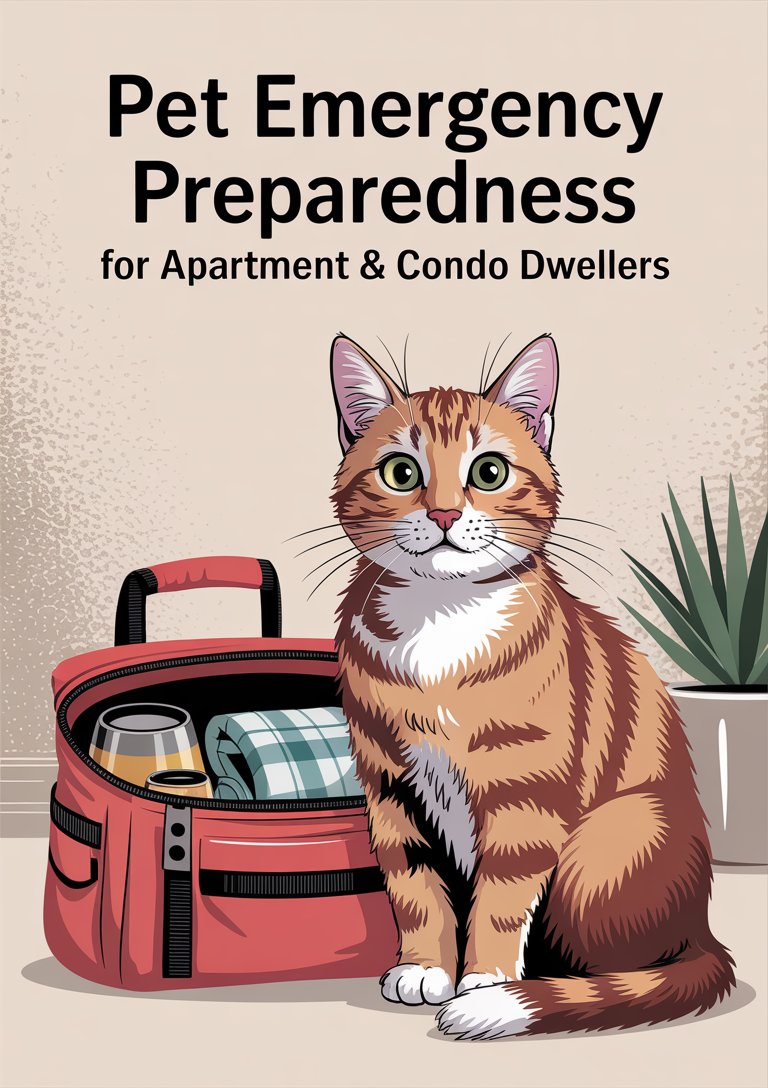
Pet Evacuation Planning: Getting Your Animals to Safety Fast
Imagine this scenario: a sudden storm warning appears on your phone, and local officials urge everyone to leave the area for safety. You glance around your home, looking at your beloved furry (or feathered, or scaly) companions, wondering how on earth you’ll move everyone out quickly and securely. That’s where pet evacuation planning matters. By having a clear plan and the right tools in place, you can protect your pets and keep a sense of peace during chaotic moments. We’re going to explore how you can craft a well-organized, compassionate plan to get your animals to safety—without the panic.
Because here’s something we often forget: emergencies don’t give us a head’s up. Hurricanes, wildfires, floods, and other disasters can catch us off guard, and leaving pets behind simply isn’t an option. Doing so can lead to tragic outcomes, from lost animals to injuries or worse [1]. You and your pets deserve better. So let’s walk through each step together. We’ve got this.
Understand Pet Evacuation Planning
Pet evacuation planning is a proactive approach to rounding up your animals, gathering essential supplies, and leaving promptly when local officials say it’s time to go. Think of it as a safety net for the unexpected. You likely already know that your pets rely on you for food, water, and cuddles—now you’ll provide them the security of a well-thought-out emergency exit strategy too.
Why It Matters
When you’re told to evacuate, it means your pets should evacuate with you. According to Ready.gov, leaving pets behind is risky: they can become trapped, injured, or exposed to life-threatening conditions. Even if you think you’ll only be gone a short time, disasters can escalate quickly, blocking roads or damaging your home. Plus, once you’ve left, rescue workers may not allow you back in to retrieve your animals.
Where to Start
- Identify your biggest threat. Hurricanes? Wildfires? Floods? Understanding common regional emergencies will shape your plan.
- Gather basic details. Which pets live in your home, and how many? Do they have any health conditions? Are they microchipped and vaccinated?
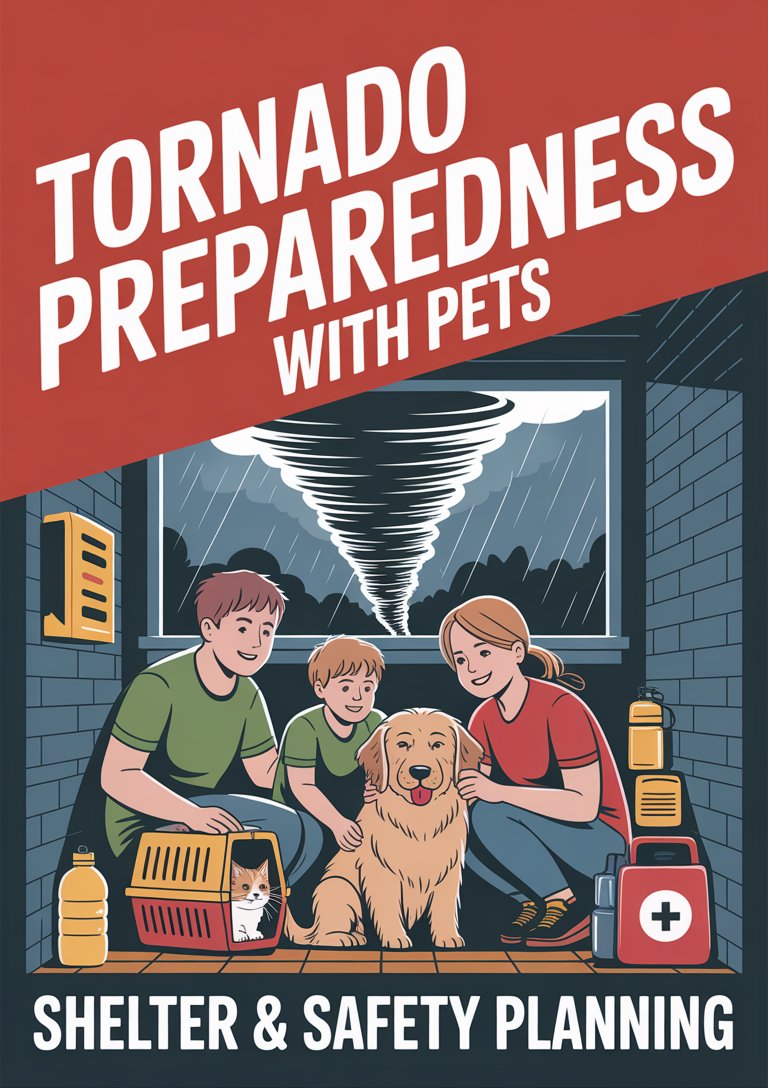
- Plan for multiple scenarios. Think about partial evacuations (like a local shelter-in-place order) and full-scale evacuations (like official mandates to leave town).
At the heart of every great plan is empathy—knowing how your pets react under stress and preparing accordingly. If you have a curious cat who hates carriers, for instance, factor in extra time to calmly coax her into one. If you have a dog with medical needs, you’ll want easy access to medications. Each detail helps you protect your pets like the true family members they are.
Prepare Essential Kits
Having carefully stocked pet emergency kits is a game-changer. In fact, Ready.gov suggests creating two kits: one larger kit for sheltering at home and one lightweight version for evacuations. Think of these kits as your go-to stash of “must-haves,” especially when the clock is ticking on a sudden evacuation.
What to Include
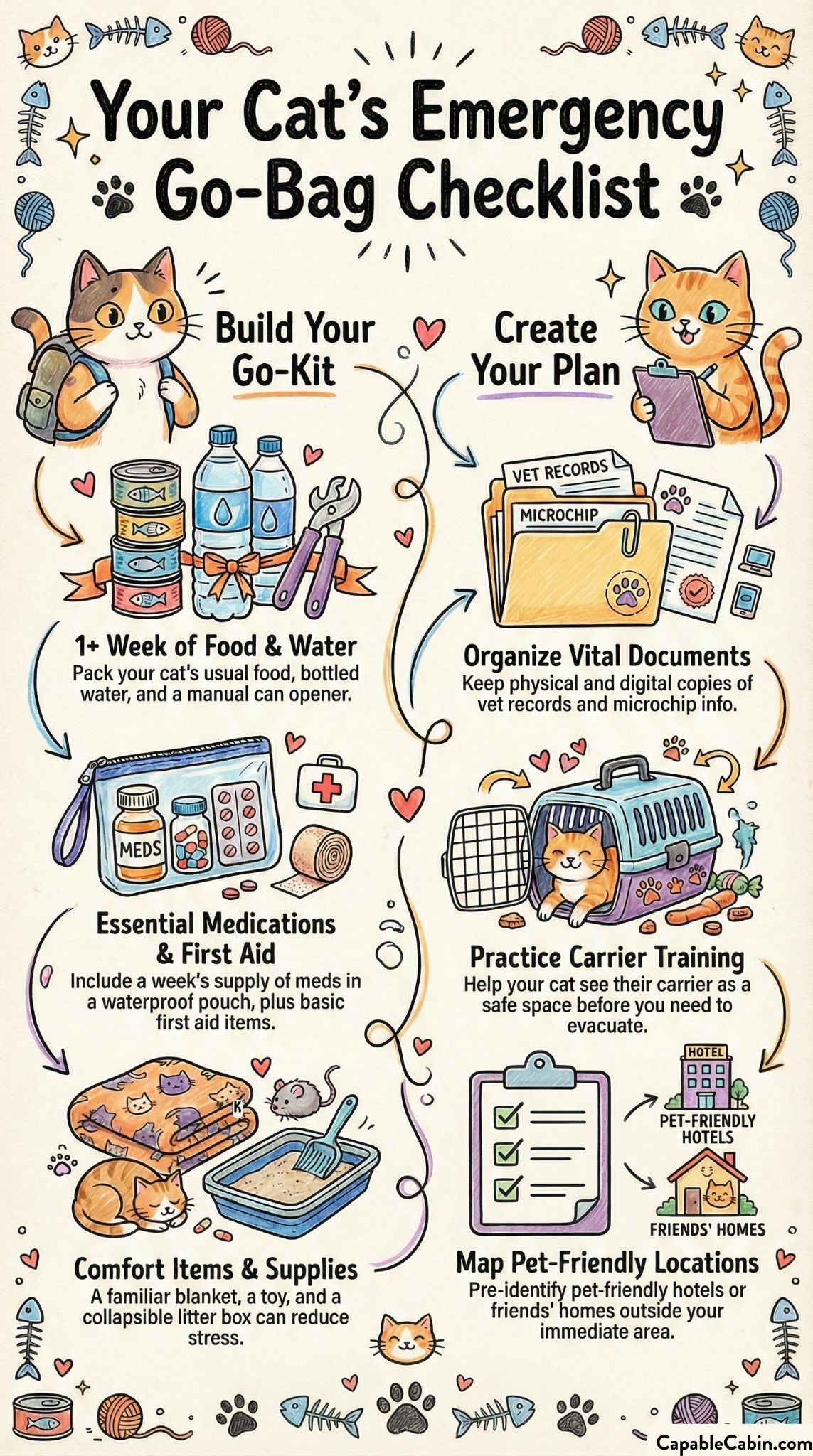
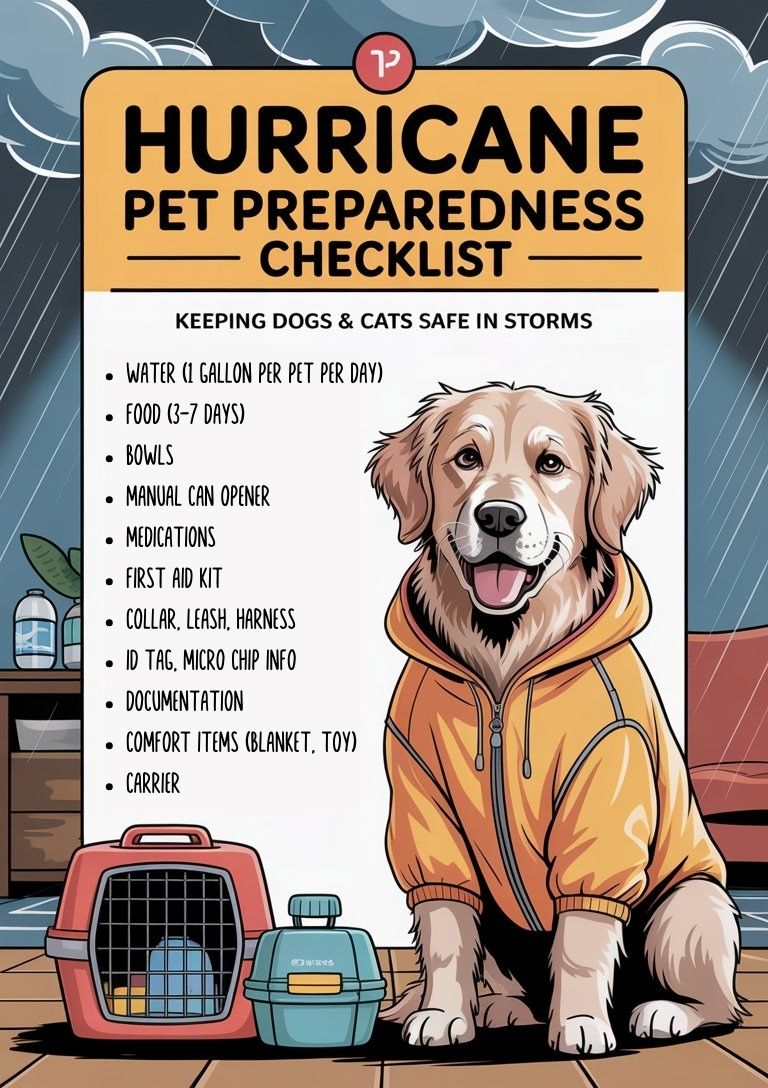
A standard pet emergency kit usually contains:
- Food and water: Aim for at least three days’ worth, though a week is even safer.
- Medications and medical records: Keep everything in a waterproof bag. If your vet’s number changes, make sure you update that info too.
- First aid supplies: Bandages, gauze, tweezers, and any pet-specific items recommended by your vet.
- Comfort objects: A favorite toy, blanket, or item that smells like home can soothe anxious animals.
- Leashes, harnesses, and carriers: You’ll need these to transport your pets securely.
- Sanitation: Waste bags, litter box supplies, and paper towels.
- Up-to-date documents: Proof of vaccines and microchip registration can speed up the process if you need to board your pet or stay in a pet-friendly shelter.
- Contact info: Local shelters, vets, and a few pet-friendly hotels along your evacuation route.
Take time to review the contents of your kits regularly. Double-check that food and medications are still fresh, and that your contact list remains up to date. Store items in sturdy, waterproof containers near an exit so you can grab them on the run.
Pro Tips
- Rotate or replace perishable supplies every few months.
- Label everything. When you’re under stress, it’s easy to grab the wrong container.
- Keep a smaller “go bag” in your vehicle. If you’re away from home when an emergency hits, you’ll have a basic kit.
If you’d like tailored ideas for comforting items to include based on your pet’s personality, take a look at pet emergency comfort items. Adding a cozy blanket or a well-loved chew toy might keep your furry friend calmer during an unfamiliar situation.
Create A Clear Evacuation Plan
Once you have your kits, the next step is figuring out exactly how you’ll evacuate. During a real emergency, time will fly by faster than you think, so having a detailed plan is crucial.
Map Your Route
Identify more than one evacuation route. Roads can get clogged or closed, forcing you to switch plans on the fly. Keep a printed map in case your phone’s GPS fails. If you live in an earthquake zone, a low-lying flood area, or near wildfire-prone forests, outline the safest roads and note any pet-friendly accommodations along them. Websites from local tourism boards or emergency management offices can be a goldmine here.
Plan for Shelters and Lodging
Not all shelters or hotels allow pets, so scouting out pet-friendly locations ahead of time will make your life a million times easier. Some cities set up emergency pet shelters adjacent to human shelters. Your county’s emergency management office might have information. Otherwise, look into nearby hotels known for welcoming animals. Keep a list of those phone numbers, just in case you need to make a last-minute reservation.
Assign Roles if Needed
If you have family, friends, or roommates, decide who’s responsible for each pet. That way, nobody wastes time wondering who grabbed the cat or whether someone has secured the bird’s cage. If you’re alone, reach out to neighbors or relatives and see if they can help coordinate transport. Sometimes just having a friend double-check your home or collect stray supplies can save precious minutes.
The Buddy System
You’d be surprised how many people evacuate without alerting their loved ones. Keep a small circle—neighbors, siblings, good friends—in the loop about your evacuation plans. Arrange signals or messages to confirm each other’s safety and confirm your pets are with you. It truly takes a village to handle an emergency, and that’s okay.
Help Pets Adjust To Travel
Evacuations often mean cramming your anxious dog or cat into a car, possibly for hours on end. It’s worth preparing your pets in advance so they remain calmer, safer, and happier during the journey.
Carriers and Crates
- Let pets explore carriers at home. Place treats or toys inside, giving them a positive association.
- Gradually extend the time your pet stays in the crate. You might start with five minutes while you’re right there, and slowly increase the duration.
- Practice short drives. Even just a spin around the block can calm nerves over time.
According to Ready.gov, having pets comfortable with their carriers reduces massive stress during an actual evacuation. Think how rattled you’d feel if someone plopped you in a tiny box for the first time and started driving. A little practice goes a long way.
Loading Up Your Vehicle
Keep carriers and leashes handy near your main exit, or even in your car if space allows. If you have a spare leash or harness, pop that into your trunk. Some pets thrive when they can see out windows, but others do better in a dark, cozy crate. Figure out what soothes your pet in routine travel before an emergency hits.
Short Breaks and Pit Stops
If your trip extends for many hours, schedule short breaks for bathroom trips, fresh air, or drinking water. Keep in mind that your pets might be on high alert, so always use a leash. Lower the stress factor by offering a quick reassuring pat and a treat—just enough to restore a sense of normalcy.
If you expect you’ll be traveling long distances or frequently—maybe you love road-tripping—consider reading up on travel emergency preparedness pets. Prepping for everyday adventures can help you navigate real emergencies with confidence.
Address Unique Animal Needs
Not every household has just cats and dogs. Horses, goats, birds, reptiles—each species demands specialized care. If you own large animals like horses or livestock, you’ll likely need a trailer plus extra time to load them up safely. It’s wise to create a separate plan that covers the logistics of big hauls.
Large Animals
The most important tip is starting early. If a hurricane is forecast, don’t wait until the last moment to move your horses or goats. Traffic jams, fallen trees, or heavy winds can complicate everything. Set up a place outside the disaster zone willing to house large animals: maybe a friend’s ranch or a boarding facility. The same basic principle applies—gather feed, medical records, halters, and all the rest in a dedicated kit. Have your trailer hitched and ready if you anticipate an official evacuation.
Birds
Birds can be sensitive to temperature fluctuations and drafts, so keep them in sturdy cages with a cover that allows ventilation. If you plan to stay at a friend’s house, check that their environment is bird-safe. You might bring a portable perch or small travel cage for them to rest in outside their normal habitat.
Reptiles
Reptiles often need stable temperature ranges, specialized lighting, and humidity control. Try to bring along a small enclosure with a heat source and a thermometer. If that’s not possible, coordinate with a reptile-savvy friend or a facility that can temporarily house your animal, especially if the power might be out for days.
Exotic Pets
For creatures like ferrets, sugar gliders, or exotics that require a specific diet or environment, mapping out your plan in advance is key. You don’t want to scramble for specialized feed while roads are impassable or stores are closed. If this sounds like your scenario, check out resources like exotic pet emergency preparedness for extra tips.
Practice And Stay Informed
Even the best-laid plans can fall apart if you’re not keeping tabs on changes in weather, news announcements, or the condition of your surroundings. Plus, pets need occasional “drills” to make sure they’re ready to go at a moment’s notice.
Simple Mock Drills
Pick a weekend afternoon to run a test. Alert your family or neighbors, gather your kits, and practice loading your pets into the car. Time yourself to see how long it takes. If you stumble over details—like not having enough carriers, or forgetting how to secure your bird’s cage—this is the perfect chance to smooth out those wrinkles. Use treats and a bright, encouraging tone to help your pets see the drill as a positive experience.
Stay Updated
Sign up for local emergency alerts on your phone, radio, or TV. In some regions, you can subscribe to text updates from local authorities. Ready.gov recommends paying attention to weather conditions and possible evacuation orders so you’re not caught off guard. Keep an eye on social media updates from local government agencies that provide real-time instructions.
Seasonal Adjustments
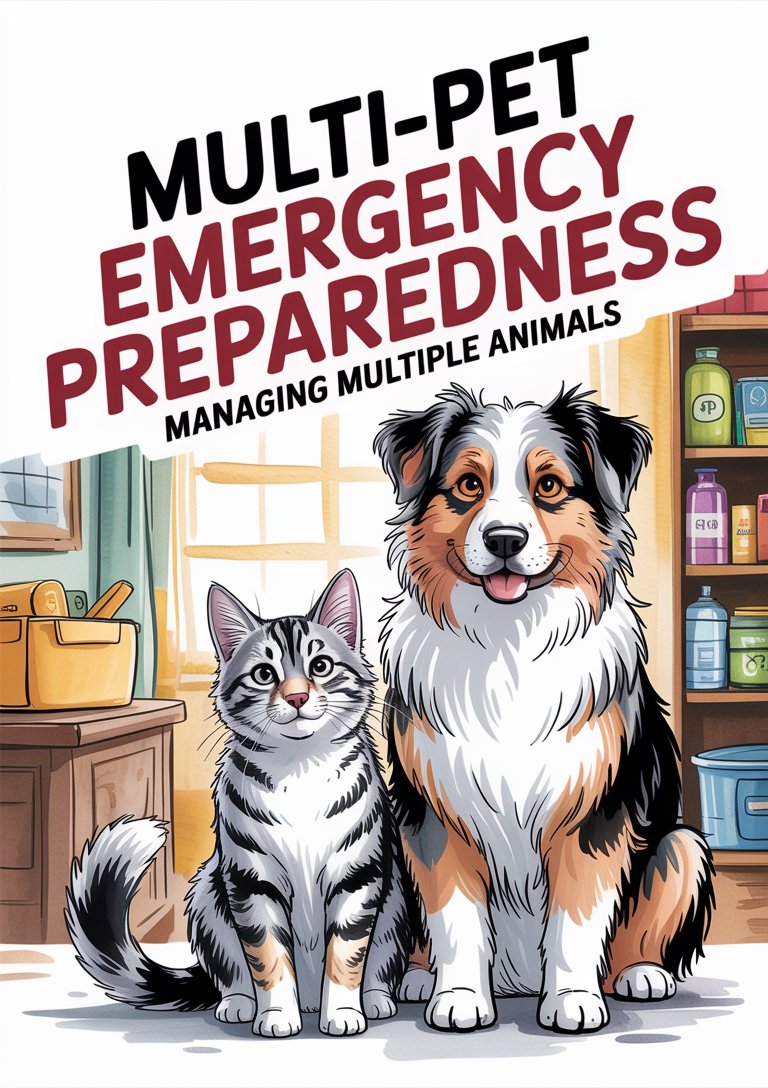
You might have to tweak your plan based on the season. For instance, if you’re prone to hurricanes in late summer, check that your kits are brimming with fresh food and supplies before storm season hits. Winter storms call for heavy blankets and extra water in case pipes freeze over. If you have multiple pets, multi pet emergency preparedness can offer pointers for balancing different species—or just a big pack of rowdy canines—when emergencies strike.
Engage With Your Community
Evacuations and broader disaster responses often succeed when communities stick together. Your neighbors, your friends, and your local shelter might become your lifeline if you’re forced to leave in a hurry.
Share Knowledge
Don’t keep your pet evacuation planning tips to yourself. Talk openly about your plan with neighbors, local vets, or community groups. You might be the spark that encourages someone else to start packing a pet kit. That mutual understanding can also foster a sense of teamwork—if a neighbor has no car and multiple pets, you might coordinate to ride together.
Volunteer or Support
Check if your local shelter or rescue group needs volunteers to help with emergency pet housing. Sometimes, communities scramble for space or resources to handle an influx of animals during disasters. Even a small donation of time or supplies can ease the stress on local organizations. And if you have the funds to spare, you could donate pet food or first aid materials to these groups, ensuring more animals get the care they need.
County-Level Planning
Ever wonder how community plans get made? Many counties have official emergency management teams or committees that work with the state. Because of the Pets Evacuation and Transportation Standards Act of 2006, states must incorporate pets in their emergency strategies if they want certain federal funding [2]. If you’re passionate about this topic, join local meetings or contact officials to ensure your area has strong, pet-inclusive evacuation guidelines. It can make a huge difference during an actual crisis.
Manage Post-Disaster Challenges
You’ve gotten your pets to safety. Now what? Disasters don’t magically end once you leave the danger zone. After the initial chaos, you might face extended power outages, limited access to clean water, or displacement from your home for weeks.
Returning Home Safely
Even if authorities say you can go back, your neighborhood might look very different. Make sure it’s safe to bring your pets inside the house:
- Check for structural damage, exposed wires, or sharp debris.
- Monitor for toxins or hazardous materials, especially if flooding or fires occurred.
- Keep your pets on a leash or in carriers until you’ve scouted your home for dangers.
Watch Out for Behavior Changes
Pets who just experienced a crisis can become more defensive or anxious than usual. They might act aggressively out of fear or confusion [3]. Offer extra patience and positive reinforcement. If your pet’s anxiety worsens, contact a vet or an animal behavior specialist for guidance.
Guard Against Health Risks
Disasters can lead to unsanitary conditions. Stagnant water might contain harmful bacteria. Loose garbage or debris can draw pests and disease-carrying rodents. Similarly, stressed or stray animals might bite or scratch, raising the possibility of spreading diseases [2]. Stay proactive: keep your pets’ vaccines current, provide clean drinking water, and use caution when interacting with unfamiliar animals.
Replace or Replenish Supplies
Remember those kits you relied on? Now’s the time to restock them. If the emergency lasted a while, you likely used up food, water, or medical items. This is also a good time to reconsider what worked and what didn’t. Maybe you realized you need more leashes, or perhaps your cat chewed through the old carrier. Take notes, then refresh your plan to be even more effective the next time around.
Wrap Up And Next Steps
At first glance, full-scale pet evacuation planning can seem overwhelming. There’s a lot to consider and so many details to juggle. But the payoff—knowing you can keep your pets safe—is absolutely worth it. They depend on us for food, shelter, and yes, for that big decision of when to leave and where to go during a crisis. By having a plan, you’re not just preventing heartbreak, you’re showing the kind of love and responsibility your pets deserve.
Think of the steps we’ve gone over:
- Understand pet evacuation planning fundamentals.
- Build complete emergency kits.
- Make a clear exit plan for any situation.
- Get your animals used to travel.
- Address the unique needs of different species.
- Practice often and keep your information current.
- Lean on your community and pitch in when you can.
- Navigate post-disaster life with care.
Repeat these steps whenever you sense a new season or different risk approaching. Each time, you’ll feel more comfortable and confident. And remember, you’re never alone in this process. Friends, neighbors, local emergency teams—we’re all in the same boat, just trying to minimize the stress and maximize safety.
By preparing for the worst, you’re offering your pets the best chance to come out of an emergency happy, healthy, and by your side. Stay safe, and know that your careful planning can make all the difference when seconds matter. Keep your kits ready, your routes mapped out, and your pets’ tails wagging, even on the toughest days. After all, that’s what families—and good friends—are for.
References
- (Ready.gov)
- (PMC)
- (American Red Cross)