Understanding Pet Behavior During Emergencies & Disasters
When disaster strikes, your pet doesn’t understand what’s happening—they just know something’s wrong. That familiar bark becomes frantic whimpering. Your usually calm cat suddenly won’t come out from under the bed. And you’re left wondering how to help them when you’re barely keeping it together yourself.
Pet behavior emergencies are more common than you might think. Whether it’s a hurricane bearing down on your town or an earthquake that sends your dog into a panic, understanding how disasters affect our furry family members can mean the difference between calm and chaos.
The good news? You can learn to recognize the warning signs, prepare ahead of time, and help your pet navigate these scary moments with confidence. Let’s break down what you need to know about pet anxiety in disasters and how to turn panic into preparedness.
Why Pets Panic During Disasters
Animals have incredible senses—they often detect changes in atmospheric pressure, hear frequencies we can’t, and pick up on our stress before we even realize we’re anxious. When emergencies hit, this heightened awareness can trigger intense fear responses.
Common triggers that spark pet psychology emergencies:
- Sudden loud noises (sirens, thunder, breaking glass)
- Changes in air pressure before storms
- Unfamiliar smells (smoke, flooding)
- Your own anxiety and rushed movements
- Disruption to their normal routine
Think of it this way: if you were suddenly dropped into an alien world where nothing made sense and everyone around you was panicking, you’d be terrified too. That’s exactly what disasters feel like to our pets.
Recognizing the Warning Signs
Pet anxiety in disasters doesn’t always look like obvious fear. Sometimes the signs are subtle, and catching them early can prevent a full-blown animal behavior crisis.
Physical signs of distress:
- Excessive panting or drooling
- Trembling or shaking
- Pacing or restlessness
- Loss of bladder or bowel control
- Refusal to eat or drink
Behavioral changes to watch for:
- Hiding in unusual places
- Following you everywhere (clinginess)
- Aggressive behavior toward family members
- Excessive vocalization (barking, meowing, whining)
- Destructive behavior (scratching, chewing)
Red flag symptoms requiring immediate attention:
- Difficulty breathing or labored panting
- Continuous vomiting or diarrhea
- Collapse or inability to stand
- Seizures or uncontrolled shaking
- Signs of injury or trauma
Remember: some pets shut down completely when overwhelmed. A quiet, withdrawn pet might be just as distressed as one that’s visibly panicking.
Disaster-Specific Behavior Patterns
Different emergencies trigger different responses in pets. Understanding these patterns helps you anticipate and prepare for your pet’s specific needs.
Storms and Hurricanes
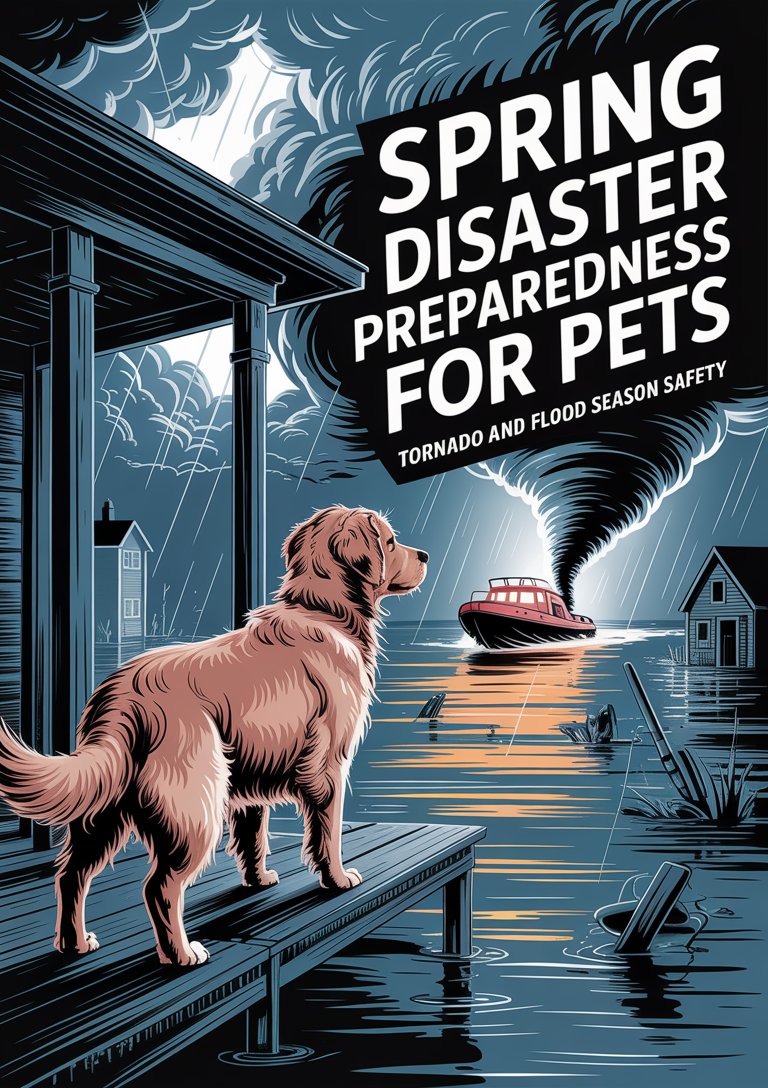
Pets often sense storms hours before they arrive. You might notice increased anxiety as barometric pressure drops. Dogs may pace, whine, or try to hide in bathrooms or closets (small, enclosed spaces feel safer). Cats might disappear entirely or become unusually vocal.
Preparation tip: Create a “storm sanctuary”—a quiet, interior room stocked with comfort items where your pet can ride out severe weather.
Earthquakes
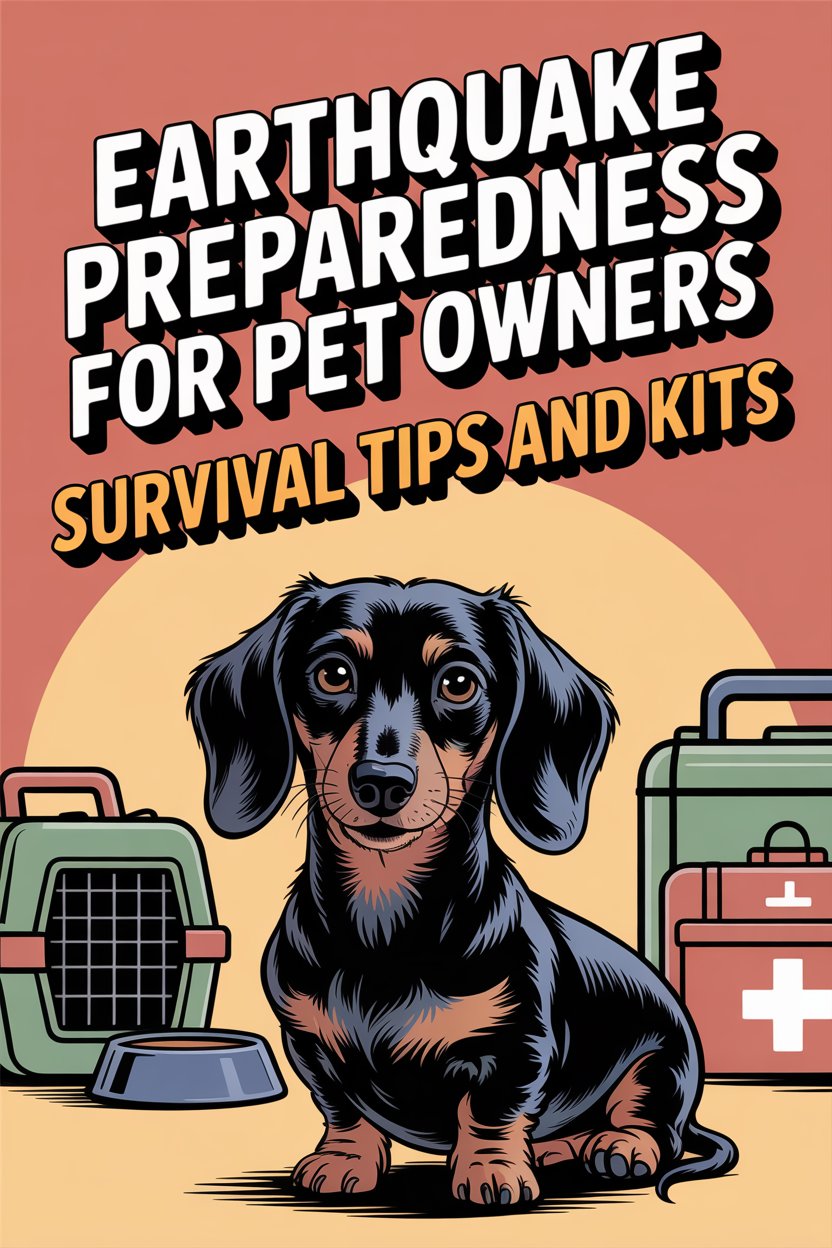
The sudden, unpredictable nature of earthquakes can trigger intense panic. Pets may bolt immediately after shaking stops, desperate to escape what they perceive as an unstable environment.
Preparation tip: Practice earthquake drills with your pet, teaching them to come to you immediately when you call.
Wildfires
Smoke and ash create breathing difficulties, while the smell of fire triggers deep-seated survival instincts. Pets may refuse to eat, hide, or show signs of respiratory distress.
Preparation tip: Keep air filters running and have a go-bag ready with your pet’s essentials for quick evacuation.
Floods
Rising water and evacuation chaos create confusion and fear. Pets may panic if they’re separated from their usual environment or forced into unfamiliar transportation.
Preparation tip: Get your pet comfortable with carriers and car travel before you need it in an emergency.
Creating Your Pet’s Emergency Behavior Plan
The best way to handle pet behavior emergencies is to prevent them from escalating in the first place. This means preparation, practice, and having the right tools ready.
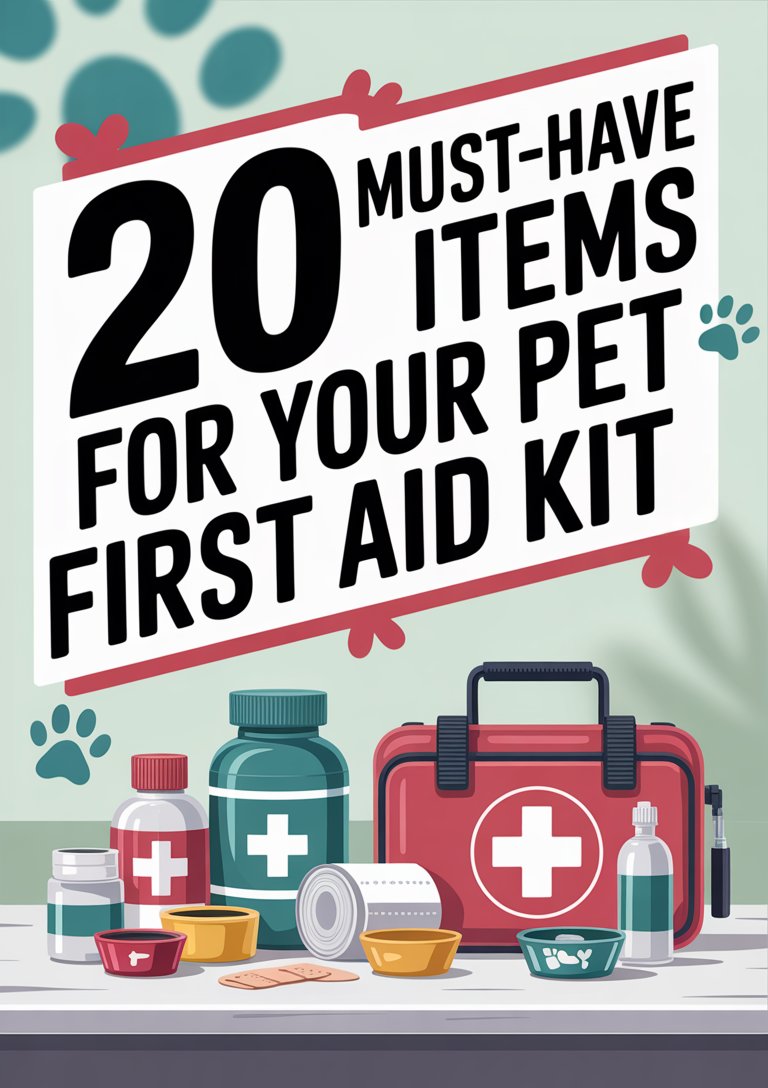
Build a Behavior Emergency Kit
Beyond food and water, pack items that address your pet’s emotional needs:
- Favorite toys or comfort items
- Blankets that smell like home
- Calming aids (pheromone sprays, anxiety wraps)
- Current photos for identification
- Medications for anxiety, if prescribed by your vet
For a complete supply list, check out [pet supplies disaster types] to see what specific items work best for different emergency scenarios.
Establish Safe Spaces
Every pet needs a designated safe spot in your home—somewhere they can retreat when stress levels spike. This might be:
- A crate with comfortable bedding
- A quiet closet or bathroom
- Under a sturdy desk or table
- A specific room away from windows
For detailed guidance on setting up these areas, see [pet emergency shelter setup] for room-by-room planning tips.
Practice Calming Commands
Teaching your pet basic commands can be a lifesaver during emergencies:
- “Place” or “Go to your spot” – sends them to their safe space
- “Stay” – keeps them calm while you assess the situation
- “Come” – gets them to you quickly in evacuation scenarios
- “Settle” – helps them calm down when agitated
For step-by-step training techniques, visit [calming anxious pets emergency] for professional methods that really work.
Managing Crisis Moments
When disaster strikes and your pet is in full panic mode, your response can make or break the situation.
Stay calm yourself
Your pet feeds off your energy. If you’re frantic, they’ll be frantic. Take deep breaths, speak in low, soothing tones, and move deliberately rather than frantically.
Don’t force interactions
A panicked pet might bite or scratch, even if they’ve never shown aggression before. Give them space while staying nearby to provide comfort.
Use distraction techniques
Sometimes redirecting their attention works better than trying to comfort directly:
- Offer high-value treats
- Pull out their favorite toy
- Start a familiar routine (like brushing)
- Play calming music if possible
Know when to seek help
Some situations require professional intervention:
- If your pet injures themselves while panicking
- If aggressive behavior poses a danger
- If they show signs of physical distress (difficulty breathing, seizures)
- If they won’t eat or drink for more than 24 hours
Building Community Support
You don’t have to handle pet behavior emergencies alone. Building relationships with other pet owners and professionals creates a safety net for crisis situations.
Create your support network:
- Connect with neighbors who also have pets
- Join local pet owner groups or online communities
- Establish relationships with multiple veterinarians
- Research pet-friendly evacuation shelters in advance
For tips on building these connections, check out [pet owner networking emergency] to learn how other pet parents are creating mutual aid systems.
Post-Disaster Recovery
Once the immediate danger passes, don’t assume everything’s back to normal. Pets can experience lasting effects from traumatic events, including:
- Increased anxiety around specific triggers
- Changes in appetite or sleep patterns
- New fears or phobias
- Regression in training or behavior
Supporting your pet’s recovery:
- Maintain consistent routines
- Be patient with temporary setbacks
- Consider professional behavioral help if issues persist
- Schedule a post-emergency vet checkup to rule out physical problems
If you’re dealing with ongoing issues, [rescue pet emergency resilience] offers strategies specifically designed for pets who’ve experienced trauma.
Special Considerations for Life Changes
Major life transitions can make pets more vulnerable to behavior emergencies. Moving homes, new family members, or changes in your schedule can all increase stress levels.
For guidance on preparing pets during times of change, see [pet emergency prep life transitions] for strategies that work during both everyday upheavals and disaster scenarios.
Documentation and Legal Preparedness
In the chaos of an emergency, having proper documentation can prevent additional stress for both you and your pet:
- Keep vaccination records in waterproof storage
- Maintain current photos of your pet
- Ensure microchip information is up to date
- Have proof of ownership readily available
For comprehensive planning, visit pet emergency documentation and pet emergency legal insurance to make sure you’re covered from every angle.
The Bottom Line
Pet behavior emergencies are scary, but they’re manageable when you’re prepared. The key is understanding that your pet’s panic response is normal, natural, and temporary. With the right preparation, training, and support systems, you can help them navigate even the scariest situations.
Start small: pick one area to focus on this week, whether that’s creating a safe space, practicing a calming command, or connecting with neighbors. Every step you take now makes the next emergency a little less overwhelming for both of you.
Remember, you know your pet better than anyone. Trust your instincts, prepare what you can, and don’t hesitate to ask for help when you need it. Your pet is counting on you—and you’re more capable than you think.
Need more comprehensive emergency planning? Check out our complete guide on building emergency kits and evacuation strategies for pets of all types.