Pet Emergency Preparedness: Documentation & Records
Embrace Pet Emergency Documentation
Ever feel like life is already busy enough without adding another checklist to the mix? Trust me, I get it. We have groceries to buy, work deadlines to meet, and an endless pile of laundry that, somehow, always needs washing. But here’s the thing: having solid pet emergency documentation can be a total game-changer when unexpected events arise. We’re talking about records, contact info, proof of vaccinations, and microchip details—all those “official” things you never really think about until you need them right away.
Let’s say a severe storm is forecast, or local officials issue an evacuation order. You want to scoop up your furry friend and head for safety, but then it dawns on you: Where are the vaccination certificates? Is your pet’s ID tag up to date? What about medical records? In a stressful situation, the last thing you need is a frantic search for papers in random drawers. By organizing all your pet emergency documentation in advance, you’ll feel more in control, less panicked, and ready to roll—no heroics required. So let’s explore how to keep your pet’s essential records at the ready, all while staying calm and confident in any emergency.
Understand Why Documentation Matters
Helping You and Your Pet During a Crisis
It’s easy to file away the idea of documents as “boring paperwork” that can wait for another day. But from hurricanes to wildfires—or even individual family emergencies—situations can escalate fast. In those moments, every minute counts. If you already have your pet’s official documents lumped together in a kit or digital folder, you can grab them on the way out the door. That means you can quickly show vaccination records at a shelter, or share medical notes with a temporary boarding facility if you can’t return home right away. According to sources like Ready.gov and the CDC, having immediate access to these details drastically reduces hassles and risk for both you and your pet.
Critical for Evacuation and Sheltering
Sometimes we’re asked to evacuate our homes. If local officials announce that it’s time to head out, that also means it’s time for your pet to follow along [1]. Whether you stay with friends, at a pet-friendly hotel, or in a community shelter, you’ll often need to show up-to-date proof of vaccinations and disease history. And if your pet takes prescription medications, you’ll want dosage info readily available. The more organized you are, the smoother it is to keep your pet safe, comfortable, and welcome wherever you end up.
Gather Essential Pet Records
Let’s talk about the nuts and bolts of “pet emergency documentation.” It’s not just one piece of paper—it’s a mini survival kit of information your pet might need all in one place. Think of it like packing your carry-on bag before a flight, except the flight is an unexpected emergency scenario.
Veterinary Records and Medical History
This includes any recent procedures, vaccine information, surgeries, or ongoing treatments. Keep photocopies or digital scans of records for:
- Rabies vaccination
- Other core vaccinations
- Prescription details (including dosage and refill instructions)
- Medical conditions and any relevant test results
If you need professional assistance after quickly relocating, veterinarians can make better decisions for your pet if they have a clear overview of its health history. According to the CDC, having that info on hand can significantly speed up care in an emergency.
Identification Details
Your pet’s ID info is huge for reuniting if you ever get separated. Make sure:
- Microchip details (including the chip number and registration info)
- A photo of your pet from different angles
- Updated ID tags with your current contact
- Any licensing or registration documents, depending on local laws
For an extra layer of preparedness, confirm that the microchip company has your up-to-date contact information. It’s an overlooked step, but it can save precious time when every minute matters.
Insurance and Legal Documents
If you carry pet insurance, keep your policy details front and center. That way, you’ll know exactly who to call and what’s covered if you need to seek urgent veterinary care. Also, if you’ve created any legal or guardianship documents for your pet—such as instructions for who should care for them if something happens to you—be sure to include copies in your documentation. And if you’re considering wider legal or insurance coverage, you might find tips in pet emergency legal insurance that can bolster your planning.
Create a Grab-and-Go Kit
Physical Versus Digital
We’re fans of digital storage—scans and cloud-based backups are an amazing resource. They give you the flexibility to pull up your dog’s medical record on your phone while you’re standing in line at a temporary shelter. But it’s still wise to keep physical copies in a sealed, waterproof folder in case you lose internet or your devices run out of battery.
Most experts recommend building two kits [1]:
- A bigger kit with more extensive records for sheltering in place
- A lightweight version for quick evacuation
Either way, be sure to check those kits every so often—maybe mark a calendar reminder—to confirm medications and food are still fresh and any new vet papers or ID updates are added.
Updating Your Kit Regularly
Documents, like everything else, get stale. Pets update their vaccine status, receive new medications, or go through surgeries that need fresh documentation. Try to review your pet’s file every six months—or whenever there’s a major change in their health or home life. This ensures you won’t be caught with outdated info. You can also keep track of essential life changes in your pet’s world by checking out pet emergency prep life transitions for pointers on adjusting your kit as circumstances evolve.
Organize With Ready-Made Templates
We’re all about saving time and cutting down confusion, so using a template can make the process easier. Websites like Dalmatian DIY offer printable and digital forms where you can plug in your pet’s details—from breed and weight to feeding guidelines. Once it’s filled, you can tuck it into your folder or upload a scanned copy to your phone. If you love customizing your files, these templates are flexible. You can add color, reorganize sections, or switch up fonts to distinguish between multiple pets.
Key Documentation Checklist
Below is a quick-reference table you could use as a jumping-off point for your final set of records.
| Record Type | Tips for Success | Why It Helps |
|---|---|---|
| Vaccination Certificates | Make copies or scans | Proof for shelters, boarding, or new vets |
| Medical History | Include recent charts or labs | Speeds up care in unfamiliar clinics |
| Insurance Details | Note claim forms & policy #s | Efficient follow-up on coverage and claims |
| ID and Microchip Info | Keep tag #, microchip code | Immediate help for reuniting if separated |
| Recent Photos | Capture various angles | Aids in identification & lost-pet notices |
| Contact Lists | Vet, local shelters, friends | Speeds up urgent connections and support |
Once this table is tailored for your pet’s specific situation, add it to your kit. This might feel a little “over the top,” but having these details at your fingertips during a crisis can feel like a lifesaver.
Evacuation and Sheltering Plans
Where to Go and What to Bring
Having the right documents is step one, but having a clear plan is step two. If you need to leave home for a few days, research locations ahead of time—even if you think you’ll never use them. The CDC notes that pets are sometimes not allowed in certain shelters unless they’re certified service animals. That means you may have to find a pet-friendly hotel or crash with friends. Be sure to bring your pets with you, because leaving them behind can have devastating consequences. Shelters might fill up fast, and it can be almost impossible for rescue workers to track your pet among hundreds of evacuated animals.
If you’re worried about your pet’s stress level during an evacuation, you might consider preparing them by letting them spend time in their carrier beforehand. Even short sessions can help them get used to confined spaces, which can drastically reduce anxiety when the day comes. For more tips on keeping your furry friend calm, check out calming anxious pets emergency.
Special Considerations for Larger Animals
Horses, goats, pigs—if you’re in that boat, you already know they require extra planning. Large animals need specialized trailers, feed, and space to roam if you evacuate. According to Ready.gov, you’ll want to make these arrangements long before an emergency. If you haven’t already, have a backup location identified—perhaps a friend’s farm or a fairground in a safe zone. Make sure all large animal documentation is current, including health certificates that might be required during transport. This is where thorough “pet emergency documentation” for bigger critters could mean the difference between a smooth evacuation and chaos.
Storing and Accessing Your Documents
Physical Storage Methods
Let’s face it: documents are easy to lose in the daily shuffle. Think about designating a single, visible spot for your pet’s emergency folder. A small plastic tote or waterproof zip pouch can protect from moisture or accidental spills, especially if you’re grabbing items in a hurry. Label it clearly (for example, “Fluffy’s Emergency Docs”). That way, anyone in your household can find it if you’re not around.
Digital Backups and Online Tools
It’s also wise to have digital backups of everything. Scan or photograph each page, then store them in cloud-based apps like Google Drive or Dropbox. You could even email copies to yourself under a specific label so they’re easy to retrieve. Some of us prefer using apps specifically designed for pet owners—there are plenty out there that can keep tabs on vaccinations, reminders, and microchip info. Even if you switch phones, you can usually recover your data from the cloud. That said, remember that digital doesn’t replace physical copies; it supplements them.
Staying Prepared for Different Disasters
Assessing Local Risks
Not all emergencies look the same. In some areas, hurricanes are the biggest threat. In others, wildfires or earthquakes are more likely. If you’re uncertain about your region’s hazards, you can use a hazard analysis approach, much like the Best Friends template suggests. Identify the top disasters in your community and note the specific steps you can take to guard against them. For instance, if flooding is common, store your documents on a high shelf, or consider elevating your entire emergency station.
Preparing With Pet-Specific Supplies
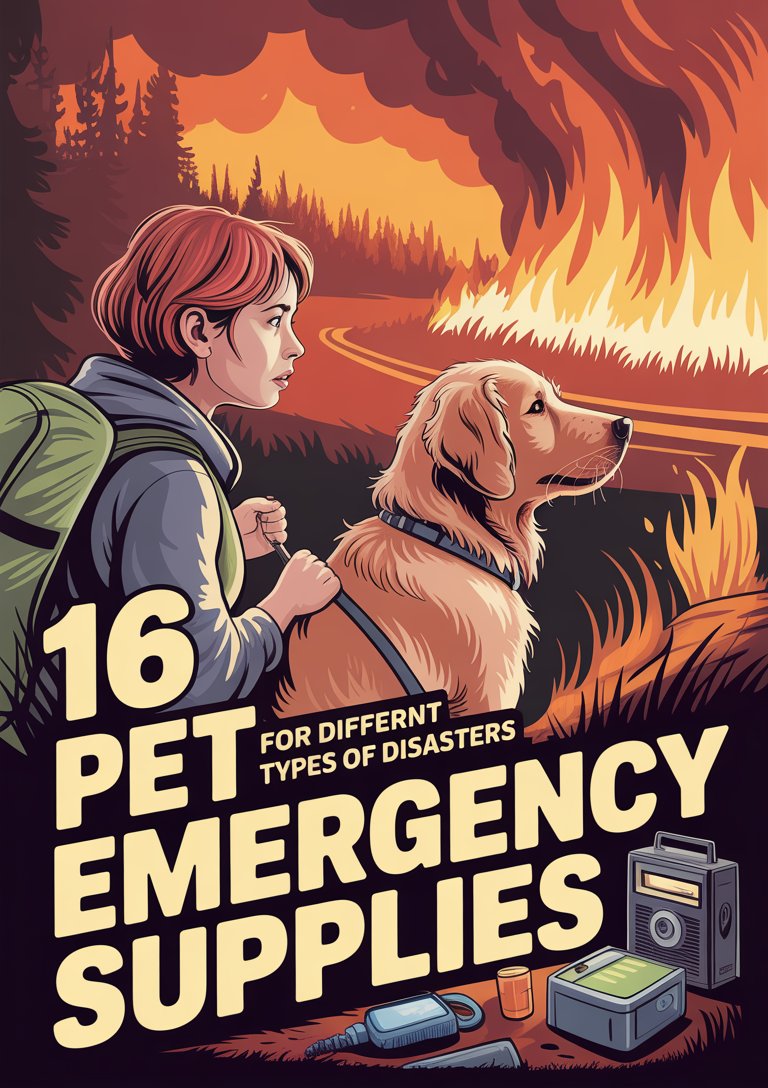
Of course, records aren’t the only crucial items. You’ll also need things like food, water, and a sturdy leash or crate if you’re asked to evacuate. For quick reference, head to pet supplies disaster types—it explores various hazards and the right supplies to match. Pair those supplies with the correct “paperwork” so you’re never caught off guard.
Encourage Networking and Support
Lean On Your Pet Community
Getting organized can feel overwhelming, especially if you have multiple animals. Fortunately, you don’t have to do it alone. Networking with other pet owners—neighbors, friends, colleagues—can create a mini-support system for emergencies. Offer to store backup copies of each other’s documents, or make a pact to check in during storms. If you’re expanding your pet circle, or simply want a group to exchange best practices, you might find extra resources in pet owner networking emergency. Strength in numbers, right?
Volunteer, Foster, or Partner
Another fantastic way to share the workload is by partnering with local shelters or rescue groups. They might host events where community members gather to build their emergency kits or exchange tips. They’re also a great source of up-to-date checklists or guidelines specific to your area. By pitching in and fostering or volunteering, you’re deepening local support systems. That translates to a safer environment for your pets if a large-scale crisis strikes.
Plan for Rescue and Recovery
Reunification Efforts
Even with the best plans, disasters can be messy. Pets sometimes get separated from their households. When rescue teams save stranded animals, the first thing they look for is ID—microchip scans, tag information, maybe even a scannable code linking to your records. So if you’ve taken that step of updating microchip info, plus you have a physical or digital file with everything from photos to vaccine records, you’ll be far more likely to find your pet again quickly [2].
Supporting Your Pet’s Emotional Well-Being
After an emergency, life can be hectic. Your dog might be scared of the new environment, or your cat might refuse to eat due to stress. Having a consistent routine again is key. Keep to the same feeding and walking schedule, bring along a familiar blanket, or even set up a small corner that reminds your pet of home. If severe anxiety crops up, chat with your vet about potential short-term remedies or behavior strategies. For next-level behavior tips in crisis scenarios, you could also explore pet behavior emergencies or rescue pet emergency resilience to find deeper insights on coping in tough situations.
Explore Shelter Setup Options
Setting Up a Safe Space at Home
Some emergencies require sheltering in place rather than evacuation. That’s when your carefully assembled documents and kits shine. Allocate a small corner or room where your pet can feel secure, ideally away from windows if storms are common in your area. Make sure to have a stash of essentials—food, water, medication, and your pet’s documentation. For more detailed guidance on preparing a cozy yet functional setup, swing by pet emergency shelter setup.
Knowing When to Stay or Go
Monitoring local news and emergency alerts is crucial. You don’t want to wait until a flood is knocking at your door before deciding whether to leave. Many times, officials will give enough notice that you can calmly grab your kit, gather your pets, and get to a safe zone. If uncertainties arise, weigh factors like how easily you can move large animals, the severity of the weather, and the advice of local animal rescue groups. Over time, you’ll hone that gut sense of “We need to leave now” versus “It’s safer to ride this out at home.”
Keep Documents Fresh and Evolving
Regular Check-ins
It’s easy to stash your documentation away and lose track of it once the emergency has passed. But to keep everything relevant, pencil in a reminder every year—or better yet, every six months—to refresh your pet’s “file.” Did you switch vets? Update your microchip registration? Change your phone number? Have you started fostering an additional pet that also needs coverage? Keep each file current to save yourself headaches later.
Adapting to Life Changes
Sometimes, big life events pop up—moving to a new state, welcoming a new family member, or transitioning your work schedule. Those transitions can change your emergency plans too. Maybe your new neighborhood is more prone to flooding, or maybe you’re living closer to relatives who can help. Each life shift is a chance to reevaluate your kit, your documents, and your overall approach. For instance, if you’re living in a new home with different hazards, you’ll want to adapt your plan or your chosen safe space accordingly.
Tips for Large Facilities and Organizations
Workplace Preparedness for Pet-Focused Teams
If you work or volunteer at an animal shelter or rescue, you might take your personal level of preparedness even further. As Best Friends mentions, staff and volunteers can only assist effectively if they themselves are prepared at home. Encourage your colleagues to set up personal kits, so everyone’s free to respond when an emergency impacts the facility. That unity can help keep foster animals, adopted pets, and on-site animals safe.
Planning for Long-Term Displacement
For large-scale disasters, you may end up temporarily caring for pets that have been displaced from their families. Having an internal continuity plan—like the COOP (Continuity of Operations Plan)—can detail how to keep essential business rolling, even if your physical facility is damaged or you’re operating on a skeleton crew. With good documentation practices, you’ll be able to intake animals quickly, log their medical needs, and reunite them with their owners or place them in safe foster homes.
Real-Life Scenarios and Lessons
The Anxiety of Last-Minute Scrambling
Picture this: a fast-moving wildfire approaches your neighborhood. You have a few hours to evacuate, but your cat is hiding under the bed because it senses something’s wrong. While you coax them out, you remember you haven’t seen your vet records in months. Are they in a closet, a drawer, or left in the car from your last appointment? You’re running in circles, adrenaline pumping. By the time you leave, you’ve forgotten half of what you need, and the stress is off the charts. Sound nerve-wracking? With a little preparation, you can replace that chaos with calm. Having your cat’s carrier ready, plus a labeled folder or even a digital file with the info, helps you zip out the door with confidence.
Simple Actions Create Big Results
If that scenario is a bit too real, here’s good news: it doesn’t take endless hours to build an emergency documentation plan. You just need to set aside time—maybe one weekend afternoon—to gather regularly used papers, print your attachments, and either scan them or place them in a protective folder. Then, set a reminder to review everything again in six months. These steps, while small, offer enormous peace of mind. We can’t remove every source of stress in life, but we can tackle the ones that are within our control.
Frequently Asked Questions (FAQ)
How Often Should I Update My Pet’s “Emergency File”?
Generally, update at least once or twice a year, or whenever a major change occurs—like a new vet, different microchip registration, new medications, or a major relocation.
Can I Rely Solely on Digital Records?
Digital backups are fantastic (easier to share, less clutter), but never rely on them alone. Batteries die, the internet can go down, and phones can get misplaced. Always keep a physical copy in a waterproof folder for emergencies.
Do I Really Need Two Kits?
Experts like Ready.gov suggest having two. A larger one if you’re staying home for a few days, and a smaller, lighter kit for quick evacuations. Think of it as “plan A” and “plan B,” ensuring you’re covered in all scenarios.
Where Should I Store My Pet’s Documents?
Choose a spot that multiple people in your home can reach—maybe near your main door or in a designated emergency closet. For digital, use a secure cloud service so you can retrieve files from any device.
What If My Pet Has Anxiety Issues?
Help your pet get comfortable with carriers and different environments in advance. Familiar blankets, toys, or a piece of your clothing can also soothe them in unsettled situations. For more specific tips, calming anxious pets emergency is a handy resource.
Celebrate Your Preparedness Wins
Real talk: we all love crossing something off the to-do list—especially those tasks that loom large but feel intangible, like emergency prep. Once you’ve got your pet emergency documentation sorted, take a moment to acknowledge that win. This is no small feat. You’re actively reducing your stress for future scenarios and safeguarding a beloved family member. That’s huge.
As you refine your system—storing documents in a labeled folder, backing them up digitally, and reviewing regularly—take comfort in knowing you’re paving the way for a smoother, more confident response if and when trouble looms. You’ve already minimized the frantic energy of rummaging for records. You’ve shaved off minutes that might be vital in a crisis. And you’ve given your pet the security of knowing their person is ready for whatever the world throws their way.
So let’s keep that momentum rolling. If the next step on your checklist is securing shelter options, you might explore a pet emergency shelter setup. Or if you’re thinking about building a stronger network with local pet owners, check out pet owner networking emergency. Wherever you go from here, remember that just like any strong routine or habit, staying prepared is an ongoing process. Keep those records updated, hold onto that sense of calm, and know we’re all in this together, cheering you on every step of the way. You and your pet absolutely deserve that peace of mind.