Building Emergency Resilience in Rescue & Shelter Pets
When emergencies strike—be it a sudden flood, hurricane, or even a large-scale fire—your rescue pet’s safety can feel more fragile than ever. That’s why rescue pet emergency resilience matters so much. It’s about preparing your furry, four-legged family member for the challenges and uncertainties that come with disasters. We’re talking real-life preparedness strategies so that you and your pet can navigate evacuees, shelters, and surprise detours with far less worry. After all, your pet’s life is deeply intertwined with your own, and keeping them safe is more than just an afterthought—it’s part of being a loving, responsible caregiver.
One thing’s for sure: you’re not alone in wanting a clear, budget-friendly plan. Many of us have stared at our beloved pets, wondering how we would handle a crisis if it landed on our doorstep tomorrow. These fears are universal, and they can get especially tricky if you have a rescue pet that already endured a stressful past. I get it, and I’ve been right there with you, writing and rewriting checklists in my head. Let’s take a calming breath together. We’ll explore how to build a strong safety net so you’re both better prepared for whatever comes your way.
Below, you’ll find straightforward tips and strategies sprinkled with a sense of togetherness. Think of us as two friends chatting over coffee, sharing stories about that time we almost forgot the pet carrier in a rush. By the end of this post, you’ll have a solid roadmap that leaves no (pet) tail behind. You’ll even find ideas on how to connect with local rescue organizations, manage pet stress, and make sure all your paperwork is in order. Trust me, we’ve got this.
Understand Rescue Pet Emergency Resilience
Building resilience starts with one simple belief: your rescue pet depends on you to be their protector. That’s a big responsibility, but also an empowering one. According to the Centers for Disease Control and Prevention [1], leaving pets out of your disaster plan can endanger not just your furry companion, but also rescue workers who might attempt to save them later. Even natural events that seem smaller—like a localized flood or power outage—can disrupt your life in ways that impact your pet’s health, safety, and behavior.
Why Early Preparation Matters
Emergencies don’t always announce themselves with a big warning sign. Before you know it, local authorities may issue a last-minute evacuation order, or your neighborhood might lose power for days. If you’ve got your pet’s kit, ID, and carriers all set, you can save precious time when minutes genuinely matter. The Ready.gov site emphasizes having two emergency kits: one for sheltering in place and one that’s easy to grab-and-go. Even something as simple as a microchip check can be a lifesaver if you get separated from your furry buddy.
Common Roadblocks For Rescue Pets
Rescue pets often come with unique histories. From anxieties about crates to fear of strangers, these issues can intensify in crisis situations. If your pet is prone to stress, it’s worth focusing on small techniques to ease transitions—like gradually introducing them to a carrier or placing familiar blankets in travel crates. Consistency is key, so practicing for short periods can help them adapt. In worst-case scenarios, a fearful pet might try to hide or run off during an emergency, which is why calm training and a strong bond are cornerstones of resilience.
Plan Your Pet Evacuation Strategy
Think of an evacuation plan the way you’d approach a household fire drill—something you practice occasionally, so you’re not left guessing in the moment. If you’re forced to leave your home, you need to know exactly how and where you’ll bring your pet.
Identify Pet-Friendly Shelters
Many municipal evacuation centers don’t accept pets. That’s a huge issue when you’re on the road with your dog, cat, or even your pair of rescue guinea pigs. So pinpoint places ahead of time. This can include:
- Local shelters that do take pets (but double-check capacity limits)
- Pet-friendly hotels or motels along potential evacuation routes
- Friends or relatives living in safer zones who can accommodate animals
Keep a list of their addresses, phone numbers, and any specific ID or vaccination requirements they might have. This precaution helps you avoid last-minute scrambling while your heart’s already racing.
Build A Go-Bag For Quick Departures
Your emergency kit should be easy to carry yet thorough enough to handle at least a few days’ worth of supplies for your pet. While we’ll dive deeper into supplies soon, keep a smaller, condensed version specifically for evacuation scenarios. This might include:
- Three days of food and water.
- A lightweight carrier or collapsible crate.
- A small blanket or towel for comfort.
- Essential medications (with instructions).
- Disposable litter boxes or poop bags.
Think of it like you’re packing for a spontaneous overnight trip—only with more focus on medical needs and safe transport.
Gather Essential Pet Supplies
I can’t stress enough the value of having the right gear, food, and medicine ready to go. Whether you’re sheltering in place or heading to a motel several towns away, your pet will still need comfort items, nourishment, and any regular meds they take. According to Ready.gov, rotating or reviewing your kit every six months is a wise move, since food and meds can expire.
Basic Kit Items
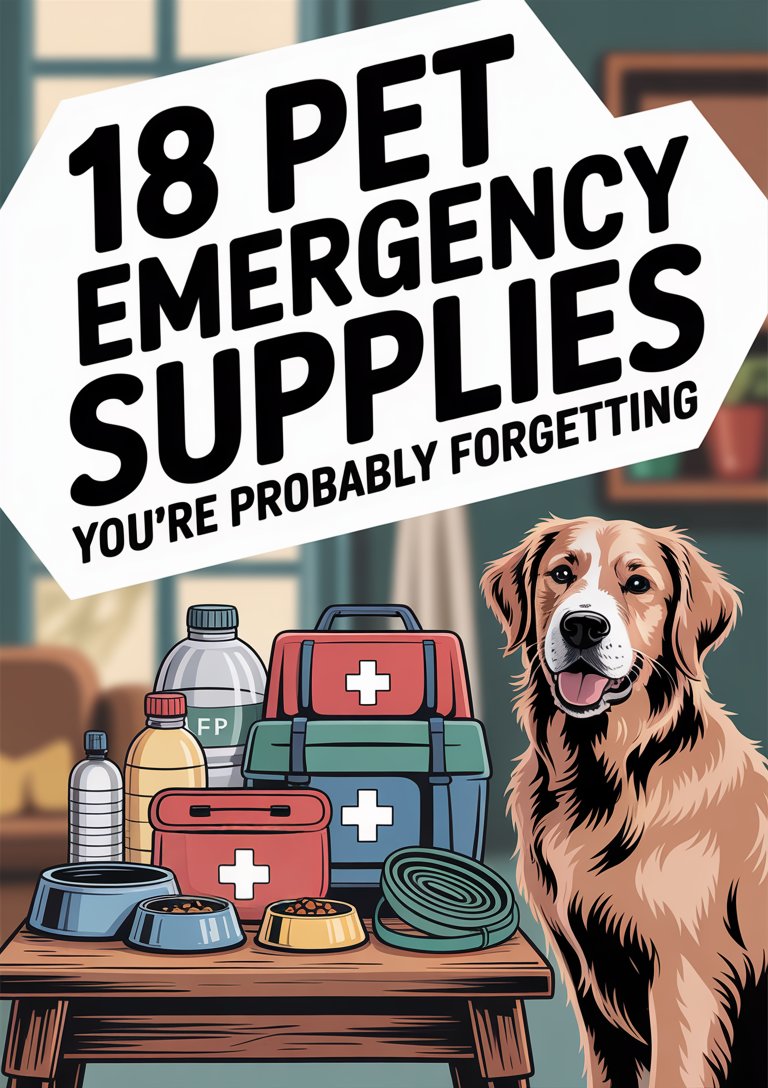
Below is a quick table to keep everything organized:
| Item | Purpose |
|---|---|
| Food (3–7 days) | Ensure pet stays nourished if you can’t access stores |
| Water (3–7 days) | Keep water in sealed bottles or containers for sanitation and hydration |
| Medications/Vitamins | Maintain dosage routine, especially crucial if your pet has chronic conditions |
| Bowls + Collapsible Bowls | Convenient for feeding on the go, helpful if you’re in a cramped shelter |
| ID Tags/Microchip Info | A quick way to confirm ownership if you get separated |
| Pet Carrier/Crate | Offers a safe spot and containment if necessary |
| Leash/Harness | Limits panic-driven escapes during high-stress moments |
| Pet Bedding/Towels | Provides comfort and helps maintain a semblance of normal routine |
| Waste Bags/Litter Supplies | Keeps your environment clean, even in temporary locations |
| Basic First Aid Kit | Handles minor injuries, recommended by the Red Cross |
Add Creature Comforts
Don’t forget smaller details that say “Hey, everything’s going to be alright.” Familiar toys or a piece of clothing with your scent can go a long way toward soothing a stressed pet. If your cat loves a certain scratching post, see if you can pack a smaller version. For dogs, maybe a favorite plush toy or chew item is enough to keep them grounded during something as unsettling as a relocation.
Create A Communication Network
Ever notice how, in an emergency, you immediately run to tell the people closest to you, to ensure they’re safe? The same sense of community can help your pet, too.
Buddy System With Friends
Let’s say a wildfire flares up while you’re at work. Can someone else step in to grab your pet if you’re stuck away from home? Arrange a plan with a trusted friend or neighbor who has easy access to your house. Share a key or code so they can retrieve your pet if you get cut off by road closures. This is often overlooked but can be a saving grace when time is short.
- You might coordinate a backup caretaker:
- Someone who’s typically home during the day
- Comfortable handling your pet and knowledgeable about any special needs
This approach pairs nicely with pet owner networking emergency, where you can establish local alliances. You’ll appreciate that sense of camaraderie when the clock is ticking.
Partner With Local Animal Support
It’s worth exploring partnerships with local shelters or rescue organizations before the disaster hits. According to the First Responders Foundation, these groups can sometimes help coordinate pet-friendly resources or even assist in rescues if you can’t reach your pet in time. This is also a great time to see who offers special emergency boarding.
Organize Legal And Medical Records
Yes, this part can feel about as thrilling as doing your taxes. But it’s crucial, and in a crisis, properly organized records can spare you a lot of heartache.
Keep Paperwork Accessible
Picture fumbling with thick binders in the middle of an evacuation. Not fun. It’s best to keep your pet’s medical history, vaccination paperwork, and perhaps a photo of your pet stored in a watertight folder or zip bag. Make physical copies and then take digital pictures or scans. That way, if you lose one, you’ve still got the other. You might also consider storing them online—but keep at least one physical copy with you.
If you need a detailed approach to tracking medical information, you can explore our pet emergency documentation resource. It’s easy to forget small details like the last date of a rabies shot or the name of your vet’s practice. Keeping everything documented ensures you’ll never scramble for important facts in the middle of a crisis.
Consider Legal Arrangements
We rarely want to think about worst-case scenarios, but it’s wise to have a plan for who will take responsibility for your pet if something happens to you. Some folks put this right into their will or a legal agreement with a trusted friend. If you’re unsure how to approach it, pet emergency legal insurance might offer some insight into ensuring your rescue companion always has someone in their corner.
Calm Your Pet During Emergencies
High-stress situations can unravel even the best-trained animals. Rescue pets, especially, might revert to fight-or-flight behaviors if triggered by loud noises, sirens, or disruptive changes in surroundings. Your job is to be the reassuring presence they need, even when you’re also feeling rattled. Remember, we’re in this together.
Techniques To Ease Anxiety
- Familiar Scents: Bring along their favorite blanket or toy. This small comfort can ground them in an otherwise foreign setting.
- Stay Composed: You’re their role model. If you stay calm, there’s a better chance they’ll follow suit. Use a steady voice and gentle movements.
- Positive Reinforcement: Offer treats when they exhibit calm behavior. This helps form a more positive association with the chaos around them.
For more insight into handling stress and helping your pet cope with panic, check out calming anxious pets emergency. It’s especially helpful for those surprise triggers that can make your pet quiver or lash out unexpectedly.
Addressing Emergencies In Behavior
After a massive storm or a big shake from an earthquake, pets can show unusual signs of aggression or a shutdown response. The Red Cross points out that post-disaster changes in temperament are common. If you notice any lingering issues after a crisis, brushing up on pet behavior emergencies can help you navigate them with kindness and patience.
Prepare For Various Disaster Types
No two disasters look exactly alike. A flood requires a different set of steps than, say, an earthquake or hurricane. Knowing the typical risks in your area is a big part of resilience. The ASPCA also reminds us that if it’s not safe for humans, it’s not safe for pets either. That means forging an evacuation plan that includes everyone, from your kids to your furry best friend.
Floods And Hurricanes
Floodwater can pose serious risks: disease, contaminated water, and the possibility of your pet getting trapped. If authorities recommend evacuating, do it promptly. Bring your pet with you—don’t leave them at home on the assumption the water won’t get too high. It’s just not worth the gamble. Case in point: events like Hurricane Katrina showed how often people refused to evacuate without their pets, and rescue agencies ended up overwhelmed trying to save abandoned animals.
Tornadoes And Storm Surges
Battening down for high winds? Make sure your pet has a secure crate or enclosed space if you must shelter in place. Keep them indoors, away from windows and objects that can become projectiles. If you have to move to a basement or interior room, bring your pet with you. Sometimes, dogs and cats will sense the barometric pressure changes and act skittish. That’s where a comforting routine—a toy, your soothing voice—can keep them from panic.
Earthquakes
Earthquakes can strike without warning. You usually have only seconds to react. Make sure carriers and leashes are in an accessible spot. If the big one hits, focus on your personal safety first (drop, cover, and hold on), then ensure your pet isn’t at risk from debris. Keep them away from heavy furniture that could topple. And once the shaking stops, check your home for damage or leaks before letting your pet roam freely.
To dive deeper into gear that’s specific to each scenario—like life vests for flood-prone zones or sturdy footwear for rocky evacuation paths—head to pet supplies disaster types. Sometimes, those small specialized items can make a huge difference.
Stay Informed And Adapt
Preparedness is not a one-time project—it’s an ongoing habit. By continuously updating your emergency plan, you stay adaptable to life transitions, from moving to a new region to adopting additional rescue pets. The NCBI points out that community resilience gets stronger when people actively plan for their animals, which in turn reduces the number of pets left behind.
Local Alerts And Community Resources
Sign up for local emergency alerts on your phone. Many counties and towns have text-based systems that let you know when a disaster is unfolding. Mapping out alternative routes is also wise: if the main highway is blocked, do you know another way out? If you’re part of neighborhood groups, keep an eye on group chats or message boards for any last-minute changes.
Practice Real-World Drills
You might feel a little silly practicing “evacuations” with your dog or cat, but trust me, it can save time and stress later. Even simple steps—like loading your pet into the car and driving a safe loop around the block—can familiarize them with the process. These mini-drills let you test out your kits, carriers, and checklists. If something’s too heavy, or the carrier door jams, you’d rather find that out on a calm Saturday afternoon than in the face of an actual crisis.
Life Transitions And Evolving Plans
Your circumstances might change over the years. Maybe you adopt more pets, or your older animal develops special medical needs. Review your plan and kit contents whenever big life changes happen (marriage, new job location, or family additions). You can also look into pet emergency prep life transitions if you want guidance on adapting your strategy. Rolling with life changes keeps you agile and reassured that you’ll always be ready to protect those who matter most.
Keep Up The Momentum
Now that you’ve got a framework for building emergency resilience, don’t let it gather dust. It’s natural for the initial excitement of preparedness to fade, but staying consistent ensures that, if and when something big happens, you’ll be so much better off.
Maintain A Seasonal Check
If you live somewhere with four seasons—summer storms, winter blizzards—set a reminder to update your pet kit each season. Check expiration dates on food, discard any out-of-date meds, and swap out items like water if it’s been a while. This might take 10 to 15 minutes max, but it’ll keep your kit in tip-top shape.
Celebrate Small Wins
Maybe you successfully taught your cat to accept a carrier, or you went through a weekend drill without a hitch. Celebrate those milestones. By highlighting these little triumphs—“Yes, we did it!”—you reinforce positive behavior for both yourself and your pet. It’s like giving yourself a gold star for adulting responsibly. You’ll carry that confidence forward as you continue refining your plan.
Keep Learning, Keep Sharing
One of the best parts about building pet emergency resilience is that your story can inspire others. If you’ve got a knack for social media, post a reminder photo of your pet kit or share a link to pet emergency shelter setup with friends who might need it. People often overlook these steps until it’s too late, so your nudge might be the reason another family gets prepared. After all, we’re all in the same boat, trying to keep our furry family members safe.
Bonus: Quick Reference Checklist
You and I both know how handy it is to have a quick bullet-list cheat sheet. Here’s one you can screenshot, print, or tape to your fridge:
Secure ID
- Up-to-date tag on collar
- Microchip info verified
Create Emergency Kits (Two Versions)
- One larger for sheltering in place
- One lightweight kit for quick evacuation
Plan Evacuation Routes
- Pet-friendly shelters, hotels, or out-of-town friends
- Backup caretaker in case you’re not home
Keep Important Documents Handy
- Medical records, vaccination history, vet contact
- ID photo of your pet
Practice Drills
- Get your pet used to carriers or crates
- Try loading them in the car quickly
Calm Anxious Pets
- Carry a familiar blanket or toy
- Offer treats for calm behavior
Monitor Behavior Post-Disaster
- Watch for defensive or aggressive shifts
- Seek help if behaviors persist
Just seven steps, each one crucial in its own way. This blueprint can keep you grounded when everything else seems to be spiraling out of control.
Final Encouragement
When it comes to rescue pet emergency resilience, the most important thing is that you’ve started. Even if you don’t have every single item on your kit list yet, or you feel a bit wobbly about your “official plan,” give yourself credit for caring enough to read this far. Our pets rely on our thoughtful preparation to keep them safe in moments where anxiety runs high. By following these guidelines—honing your plan, updating your supplies, and leaning on supportive networks—you’re already taking a leap forward in safeguarding life’s faithful companions.
You’ve got everything you need to tackle this. And if you ever feel stuck, remember there’s a whole community cheering you on. Reach out to local shelters or rescue groups, link up with friends who also have pets, and share the workload. Together, we can turn potential disasters into something more manageable, ensuring your pet is never left behind. At the end of the day, preparedness is an act of love—a promise that you’ll do whatever it takes to keep your rescue pet safe and secure, no matter what surprises life launches your way. You’re not alone on this journey, and you’ve totally got this.
References
- (CDC)