Pet Emergency Preparedness During Life Transitions
If you’ve ever found yourself juggling a new job, a major move, or a significant shift in your household, you know how overwhelming these changes can feel. Now toss pets into the mix, and it’s easy to see why pet emergency prep life transitions matter so much. After all, your furry (or feathered, or scaly) companions rely on you to keep them safe and comfortable—even when life is throwing new challenges your way. Let’s explore practical ways to make sure your pets stay protected, no matter what’s on your horizon.
Embrace Pet Emergency Prep
Life transitions can be exciting. You might be welcoming a family member home, taking a work opportunity in a new city, or changing your daily routine. Yet, these shifts often come with an underlying worry: “Will my pets handle the disruption okay?” The answer is yes, they can, especially if you build an emergency preparedness plan that fits your family’s needs. We’re all in this together, and it helps to start with a big-picture perspective.
Why Life Transitions Call for Planning
Big changes have a way of creating chaos. Old schedules fall apart, new schedules take time to form, and in the middle of it all are your pets—wondering what happened to their usual feeding and play routines. That’s why getting ahead of the curve is so important. Emergency planning isn’t just about hurricanes or earthquakes (though it definitely covers those too). It’s also about the smaller emergencies that can pop up during a hectic season. When you’re in the midst of moving boxes or adjusting to a new job, the last thing you want is a missing vaccination record or an ill-prepared pet care kit.
Start With a Resilient Mindset
Before we dive into the “how,” let’s talk about mindset. There’s comfort in knowing you’re not alone. Many families are in the same boat, taking on new jobs, expanding households, or relocating to unfamiliar places. By framing pet preparedness as a collective effort, you can approach each step with less anxiety and more confidence. You’ll be ready to adapt, no matter what curveballs life throws.
Build a Pet Emergency Kit
The best way to hedge against unexpected situations is to have a go-to kit filled with necessities. According to Ready.gov, you should maintain two kits: one for sheltering in place and a lightweight version in case you need to evacuate. Think of these kits as your pets’ emergency backpacks. You wouldn’t head off on a trip without packing, right? Your pets deserve the same level of preparation.
Essentials for Any Kit
Put yourself in your pet’s shoes (adorable mental picture, right?) and ask: “What would I need if we couldn’t get to our usual supplies?” Consider packing:
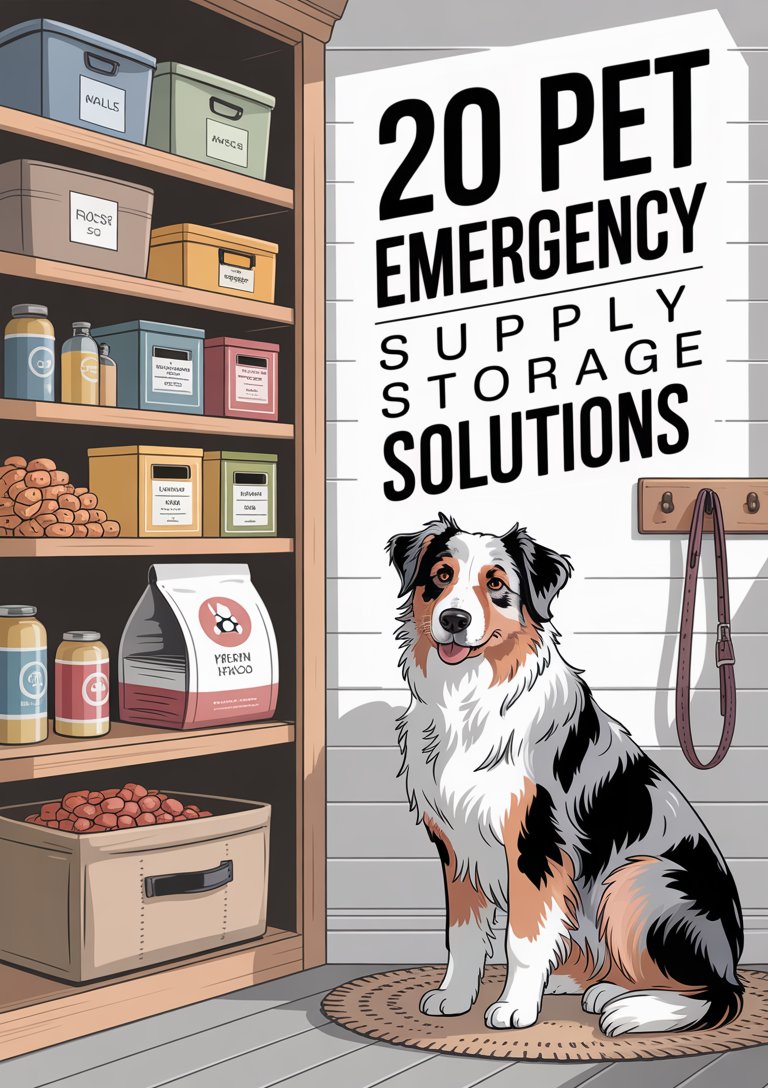
- At least a three-day supply of food in airtight containers
- Fresh water in portable jugs or bottles
- Medications your pet regularly takes (plus dosage instructions)
- Basic first-aid materials (bandages, tweezers, gauze)
- A collar or harness with up-to-date ID tags
- A leash and muzzle for safe restraint, suggested by Lakeside Animal Hospital
- A collapsible water bowl
- Pet waste bags or litter supplies
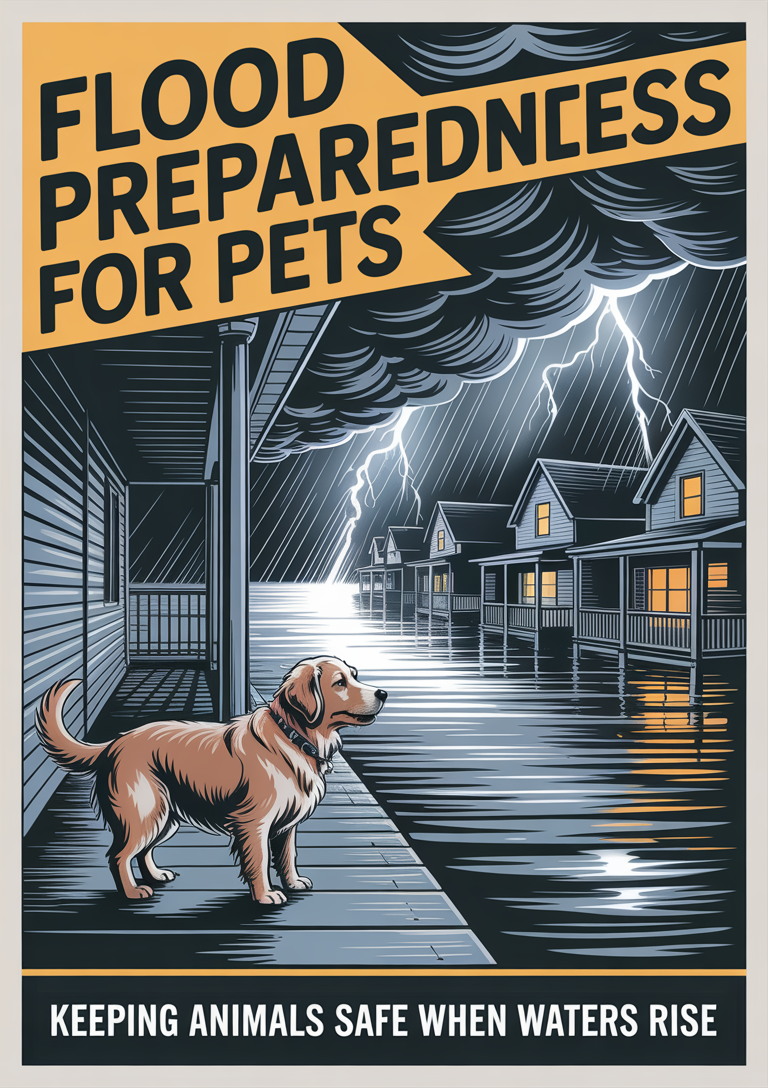
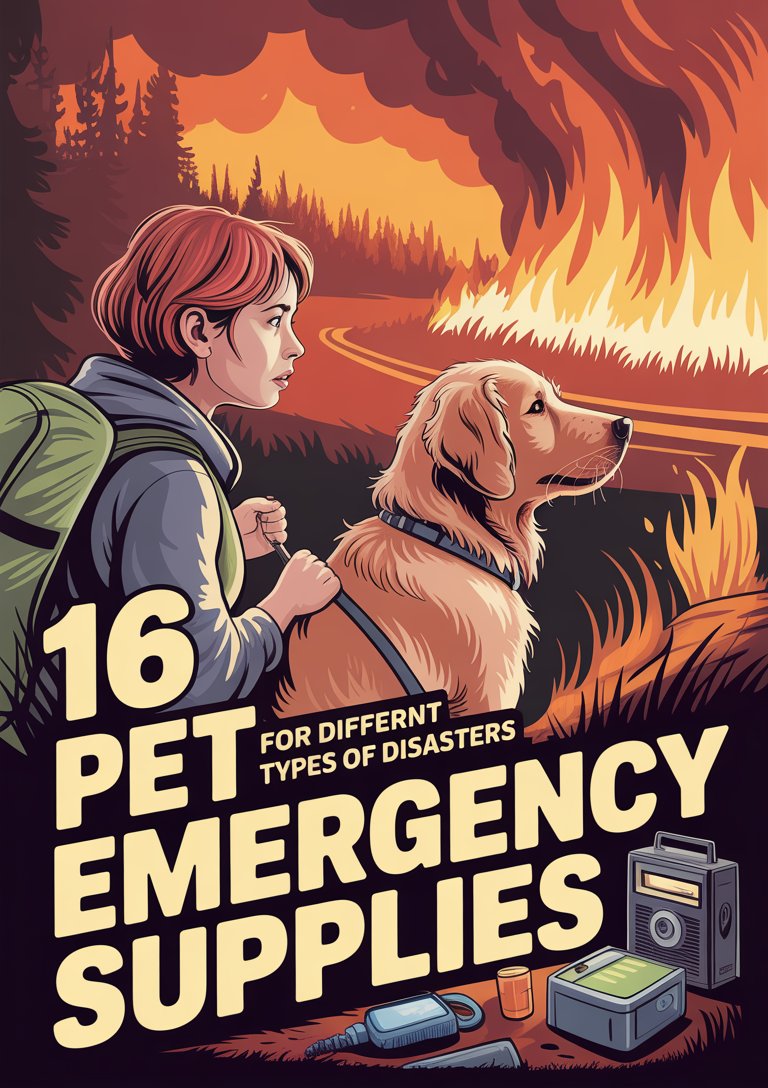
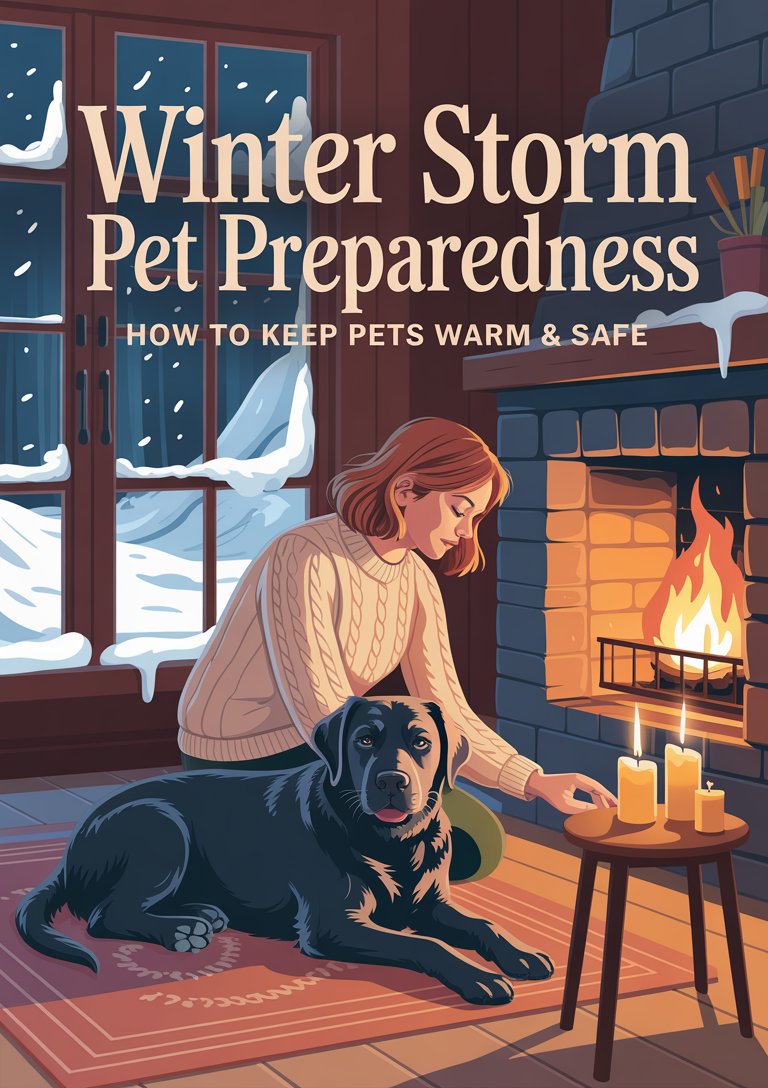
If you need guidance on selecting specific items, check out pet supplies disaster types, which highlights gear for varying situations like floods, winter storms, or power outages. Another tip is to regularly review the expiration dates on food and meds to keep everything fresh.
Important Paperwork
When life transitions get busy, it’s easy to forget about documentation. But having your pet’s records—vaccines, medical history, even a recent photo—can be a lifesaver in an emergency. You’ll also want to store contact information for your vet, local emergency clinics, and an animal poison control center. Some families choose to keep digital copies on a cloud service, while others prefer physical printouts safely tucked away in a folder. Either way, think about creating or updating your pet emergency documentation so you can grab it and go.
Plan for Possible Evacuations
Sometimes the unexpected means you have to leave home in a hurry. Severe weather, wildfires, and even sudden household emergencies like gas leaks can force you to relocate. According to Tier 1 Vet, planning ahead can significantly reduce stress if evacuation becomes necessary.
Carriers and Comfort
To reduce your pet’s anxiety during evacuations, help them get comfortable with carriers. This tip from Ready.gov is simple but powerful. Practice short “carrier sessions” at home—place treats inside, let your pet explore, and gradually extend the time they spend inside. When evacuation day comes, the carrier won’t feel like a frightening cage but rather a familiar safe spot.
Know Where to Go
Not all emergency shelters accommodate animals. That’s why the CDC recommends identifying pet-friendly shelter locations ahead of time. Keep a small list of nearby hotels, friends’ homes, or relatives who welcome pets. You could even create a buddy system with a neighbor or family member—if one of you can’t bring pets along, the other might step in temporarily. Make sure to practice or at least discuss these scenarios, so everyone understands the plan.
Safeguard Pet Health Records
In times of turbulence, having access to proper health records can mean the difference between quick medical attention and frustrating delays. Knowing your pet’s vaccination schedule, allergies, and medication history is especially urgent when you’re in an unfamiliar area—like a new town or a temporary shelter.
Microchipping and Identification
Microchipping is a straightforward, relatively affordable procedure that can be done at most veterinary clinics. It drastically increases the odds of reuniting with a lost pet should they slip away during a hectic move or an emergency. According to the CDC, it’s vital to keep microchip information updated with the manufacturer. Collars and ID tags are non-negotiable too, so you can rely on multiple identification methods.
Additional Security Steps
- Store your pet’s medical records in multiple forms (paper and digital).
- Include their recent prescription info in your first-aid or travel kit.
- Jot down current veterinarian and emergency clinic contact numbers if you’re moving to a new location.
- Maintain pet emergency legal insurance details as needed, so you’re ready to handle unexpected vet bills or legal complexities.
Stay Alert for Disasters
It’s not just about packing supplies, but also staying informed of local conditions amid life changes. If you’ve just moved to a new region, you might be unfamiliar with typical weather patterns or local hazards (hurricanes, wildfires, etc.). Keep an eye on local alerts, radio broadcasts, or official social media pages.
Monitor Weather and Community Alerts
Set up notifications on your phone with community warning systems or apps. Tornado sirens, hurricane warnings, or wildfire updates can arrive when you least expect them, and you won’t want to scramble at the last minute. As Ready.gov points out, staying informed is a critical piece of overall preparedness.
Backup Plans for Power Outages
Sudden power failures can pose unique threats to your pets, especially those sensitive to temperature or reliant on special environmental conditions (for example, fish tanks or reptiles). Generators, battery-powered fans, and thermal wraps are just a few items you might need to consider. Make it a habit to brainstorm how you’d keep your animals safe if the power went out for a prolonged period.
Handle Common Pet Crises
Emergencies aren’t limited to natural disasters. Your pet could choke on a toy, experience seizures, or have trouble breathing at any time. According to Cornerstone Veterinary Services, severe bleeding or respiratory distress should prompt immediate veterinary attention. Knowing the basics can help you react calmly in those nerve-racking moments.
Quick Glance Table: Common Pet Emergencies
| Symptom | Possible Cause | Next Step |
|---|---|---|
| Choking or Gasps | Foreign object lodged | Attempt safe removal, then vet care |
| Severe Bleeding | Deep cut or internal trauma | Apply pressure, seek vet if bleeding happens for >5 min |
| Difficulty Breathing | Respiratory infection or allergy | Vet diagnosis (potential oxygen support) |
| Blood in Vomit/Excrement | Internal injury | Immediate vet check for unseen damage |
| Seizures or Staggering | Brain-related issue | Keep pet safe and visit vet pronto |
| Cannot Urinate/Defecate | Obstruction or infection | Vet intervention if lasting more than a few hours |
If you want to dig deeper into behavioral red flags, take a look at pet behavior emergencies. Staying calm is key. Sometimes you can handle minor situations at home, but for major symptoms—especially if they persist beyond a few minutes—never hesitate to call a vet.
First-Aid Do’s and Don’ts
- Do keep a muzzle handy in case your pet is agitated or in pain.
- Do use a tick removal tool if you spot pests, as suggested by Lakeside Animal Hospital.
- Don’t try to medicate your pet with human medicines unless a vet says it’s safe.
- Don’t ignore subtle signs of pain. Animals often hide discomfort very well.
If you’re unsure whether something is an emergency, err on the side of caution. It’s better to make a quick phone call to your vet or an animal hospital than to wait too long.
Prepare Larger Animals Too
Dogs and cats aren’t the only ones needing a plan. Horses, goats, pigs, and other large animals require their own preparations. As Ready.gov emphasizes, these bigger animals often need specialized transportation, feeding regimens, and shelter considerations.
Large-Animal Logistics
- Evacuation Transportation: Do you have a horse trailer or easy access to one? Make sure it’s in good condition and that your horses or goats have practiced loading into it before an actual emergency.
- Feeding and Storage: Stock up on hay, grains, or other feed so you won’t scramble during a crisis. Keep a waterproof bin with extra supplies.
- Vaccination Records: Large animals often have more extensive medical histories. Keep these papers in a secure, easily reachable place alongside your smaller pets’ documents.
Location-Specific Factors
If you’re moving from the suburbs to a rural area or vice versa, research local threats—such as wildfires, flooding, or tornado frequency. This knowledge will help you tailor your plan for your larger animals. Keep an eye out for community resources or volunteer teams that assist with farm-animal rescues.
Practice and Stay Flexible
A brilliant plan is only helpful if you know how to use it. That’s where regular practice enters the picture. The CDC suggests rehearsing everything from carrier loading to quick evacuation drills. You don’t have to run a full-scale home-based fire drill each weekend, but an occasional practice session can help you and your pets stay calm under pressure.
Family Drills
If your household includes children, spouse, or roommates, run through a quick scenario at least twice a year. Decide who grabs which pets, who handles supplies, and where you’ll meet outside. This is especially crucial during life transitions—imagine you’ve just added a new baby to your family. Routines are already topsy-turvy, so adding a streamlined plan for your pets can prevent confusion.
Adapting for Changing Circumstances
Are you moving to an apartment from a spacious house? That might mean adjusting how you store your emergency kits. Or perhaps your once-little puppy is now a 90-pound dog with new mobility challenges. Revisiting your plan ensures it’s still relevant. If you adopt a new pet during a transition, give them time to settle in before you practice important parts of your plan, like loading into a carrier or traveling by car. Or, if you have a rescue pet, consider strategies from rescue pet emergency resilience to help you navigate any trauma they might be carrying from previous experiences.
Keep Pets Calm During Moves
Moves are among the most common life transitions, frequently coming with new schedules and weird smells in a fresh home. So how can you keep your pets from feeling anxious during the upheaval?
Setting Up a Calm Oasis
Offer your pets a cozy corner—a crate or a small room—away from movers and boxes. This is your “home base” where they can retreat and feel safe. Place familiar bedding, toys, and maybe a piece of your clothing there so they have comforting scents nearby. If you’re traveling a far distance, be sure to explore calming anxious pets emergency strategies in case your pets are prone to travel stress or fear of new environments.
Gradual Acclimation
Once you arrive at your new place, conduct a gentle tour. Keep your pet on a leash or in a carrier while you explore key areas—where the litter box will go, where their food bowl will be, and which rooms they can freely roam. This helps build excitement and familiarity rather than overwhelming them with too much new space at once.
Lean on Your Network
If things get hectic mid-move, it can be a relief to have someone else look after your pets. Set up a plan with your trusted circle: friends, family members, or a pet-sitter who can lend you a hand. You might even coordinate with local groups or use pet owner networking emergency strategies to find reliable short-term care. Giving yourself breathing room ensures everyone stays safe during a potentially stressful time.
Encourage a Support System
Remember, you don’t have to do any of this alone. Pets are beloved family members, and we all want to see them thrive no matter the circumstances. Whether you reach out to online forums, local community groups, or your personal circle of friends, you can swap tips and experiences that might save you precious time in a crisis.
Sharing Resources and Tips
One of the best ways to learn is by hearing others’ experiences. If a neighbor trusted a particular vet clinic during an emergency, ask for details. If a coworker swears by a certain brand of collapsible water bowls, check it out. Sharing also means you’re building a community that can step in to help if you face an evacuation or a pet health scare. You might even consider group exercises—like a neighborhood evacuation drill—so everyone’s on the same page and fewer people (and pets) are left behind.
Community-Based Prep
Local shelters or veterinary offices sometimes host workshops on pet first-aid or emergency planning. Consider attending one, especially if you’re settling into a new town. You’ll pick up valuable tips and meet fellow pet owners who might become your go-to support system in urgent situations. In some areas, local volunteer teams sign up to assist with large-animal evacuations or specialized rescue. Learning about these resources ahead of time can be immensely helpful if you own horses, goats, or other farm animals.
Create Consistency in Your Daily Routine
It might sound odd to talk about routine in an article about emergencies, but structure is your ally. Pets thrive on consistency, and when life transitions begin to swirl around you, their daily routine can be a comforting anchor.
Feeding and Exercise
No matter how busy you get, do your best to feed your pets at the same time each day. Keep up with daily walks or play sessions. If you have to change your schedule, gradually introduce the new times so your pets adapt without confusion. Consistency keeps everyone calmer, which is crucial when you’re simultaneously juggling new responsibilities.
Reassurance and Positive Reinforcement
It’s easy to become frazzled when you’re moving houses or adjusting to a wild new work schedule. But your pets pick up on your stress. They might become more anxious or exhibit behavior issues if they sense you’re on edge. Offer gentle praise or treats whenever they show calm behavior despite new environments or routines. This positive reinforcement signals that it’s all going to be okay.
Be Mindful of Legal and Insurance Details
When you’re dealing with relocation or sudden changes, paperwork can feel like a chore. Still, it matters. Pet-related legalities—like updated licensing and emergency insurance—can protect you from surprise expenses or logistical nightmares.
Insurance Check
If your new job takes you across state lines, confirm whether your existing pet insurance remains valid. The coverage can vary by region, and you’ll want to know how to handle claims if your pet has an emergency outside your original coverage area. That’s where pet emergency legal insurance can come in handy. Make sure to read the fine print so you’re not caught off guard in a tough moment.
Updated Licenses
Cities and counties often require pet registration to prove vaccination status. If you move, check your new locale’s rules so you don’t run into fines or complications if you ever need local animal services. Also, pay attention to any breed restrictions if you’re moving to a building or neighborhood with specific guidelines.
Consider Shelter Options at Home
In some life transitions, you might need to ride out a storm or a major power outage at home. That’s where setting up an in-house emergency station for your pets comes in. According to Tier 1 Vet, having an easily accessible safe room or corner can reduce panic during sudden crises.
Home Base Setup
- Sturdy Crate or Pet Bed: A comfortable spot where your pet can hide away from the noise.
- Filtered Water and Food: Keep at least a few days’ worth on hand.
- Communication Tools: A battery-powered radio or a charged phone to stay updated on the situation.
- Familiar Scents: Bedding or toys that remind your pet of normal times.
For more tips, check out pet emergency shelter setup. Even if it’s as simple as dedicating a closet or bathroom, your pet will appreciate having a secure nook while you wait out a storm.
Focus on Emotional Well-Being
Between the hustle of packing boxes, adjusting to a new daily schedule, and dealing with the unpredictability of emergencies, it’s easy to overlook how our furry friends feel about all this. If you show them a calm, reassuring presence, they’ll cope more easily. Conversely, if you’re frazzled, they might pick up on that stress.
Stress Signals in Pets
Watch out for pacing, whining, hiding, or refusing food. These could all be signs your pet is struggling with the change. Give them extra attention—a gentle pat, a soft word—to help them feel secure.
Techniques to Calm Anxious Pets
- Slow, measured breathing as you pet them, enabling them to sense your steady energy.
- Gentle background music to distract from unfamiliar noises.
- Products like calming sprays or pheromone diffusers.
- Behavioral guidance from a trainer or vet if needed.
Check out calming anxious pets emergency if you need more specialized strategies, especially for pets with a history of anxiety or rescue pets that have been through trauma.
Encourage Ongoing Preparedness
Let’s face it, life rarely slows down. But the good news is, with every transition you face, you’ll get a little better at preparing. Over time, “pet emergency prep life transitions” start to become second nature. You’ll find yourself effortlessly including pet items in your relocation checklists, automatically scheduling vet visits before a baby arrives, and remembering to pack those beloved chew toys when you head out on a long trip.
Keep Reviewing and Updating
Schedule a quick annual review of your kits, documents, and plans:
- Check food and water expiration dates.
- Make sure your contact list is still accurate (any new emergency clinics in your area?).
- Confirm microchip info is updated (especially if you move).
- Revisit your first-aid kit for missing or outdated items.
These small check-ins prevent big problems down the road, especially when the next life transition inevitably comes knocking.
Moving Forward With Confidence
We know that life can throw curveballs—sometimes wonderful ones, sometimes not-so-wonderful ones. But with a solid emergency plan in your back pocket, you won’t have to panic when you’re faced with unexpected changes. Your pets will sense your calm, and in turn, they’ll feel safer too.
Take pride in the steps you’re taking. After all, you’re not only preparing for possible storms or blackouts, you’re creating a consistent, supportive environment for everyone in your home. That continuity helps your beloved fur-babies, feathered friends, or scaly companions adapt to whatever lies ahead.
Remember, it’s all about building a routine that weaves seamlessly into your life. Update your pet kits regularly, stay up to date on medical records, and keep that carrier within reach. Even if “normal” life feels like a juggling act, consistent prep keeps the entire family—pets included—feeling secure. And should the unexpected strike, you’ll be ready. You’ve got this. We’re in it together, step by step, ensuring our pets feel as cherished and protected as any other member of the family.