16 Pet Emergency Supplies for Different Types of Disasters
Thinking about pet supplies for different disaster types can feel intimidating at first. After all, we never know when the next storm, wildfire, or flood might strike. But let’s be real, none of us wants to scramble around at the last minute, searching for a bag of pet food and an old leash in the back of a closet. We’ve all been there—life gets busy, and prepping for emergencies takes a back seat until, suddenly, it can’t anymore. The comfort here is that by gathering a few key items in advance, you can save yourself and your furry loved ones heaps of stress down the road.
So here’s our plan: let’s walk side by side through which supplies to have on hand and why they matter. Whether you’re bracing for hurricane season, living in an area prone to wildfires, or just wanting to feel more confident about the unknowns that come with pet parenting, having consistent, well-equipped kits can be a real lifesaver. According to the experts at Ready.gov, preparing for potential disasters is one of the kindest things we can do for our pets. And trust me, once you have these essentials ready, you’ll breathe a lot easier the next time extreme weather is on the horizon.
Now, you might be thinking, “Wait, do I really need to stock up for my fish? What about my horses?” The answer is yes. Big or small, playful or skittish—your animals rely on you to keep them safe when unexpected trouble hits. With a clear plan and the right supplies, you’ll be poised to handle anything from a quick evacuation (tornado sirens, anyone?) to hunkering down at home for a few days (hello, snowstorms). And we’ll do it all in a way that won’t break the bank or leave you with clutter you don’t actually need.
Ready to build a solid stash of essentials? Let’s get started.
Assemble 16 Essential Pet Supplies
Below, you’ll find 16 core items that round out a well-prepared pet emergency kit. Feel free to adapt this list to your unique situation—because, let’s face it, no two families (or fur families) are exactly alike. But if you’re unsure where to start, these basics should cover most common disaster scenarios.
1. Non-Perishable Pet Food
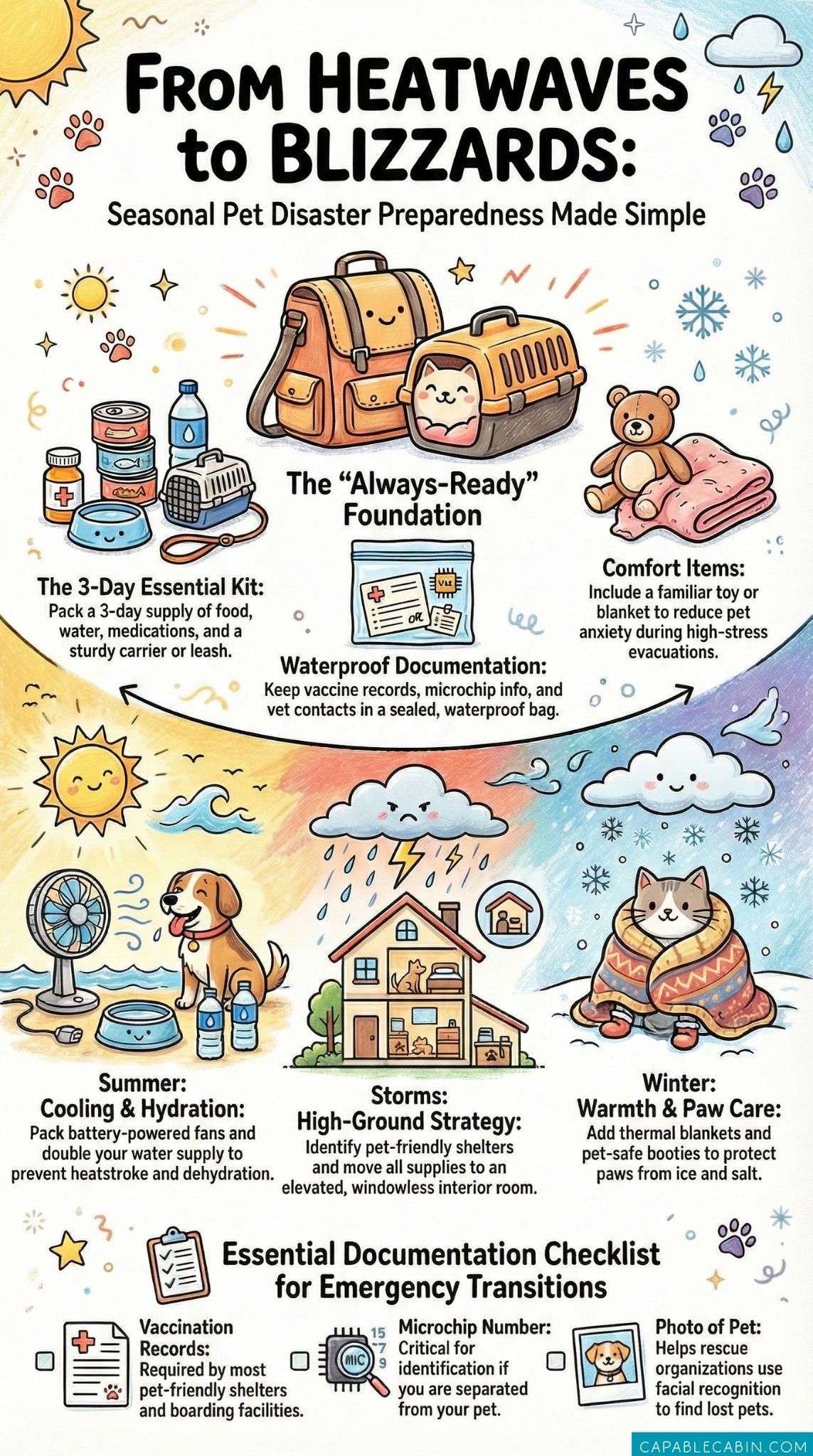
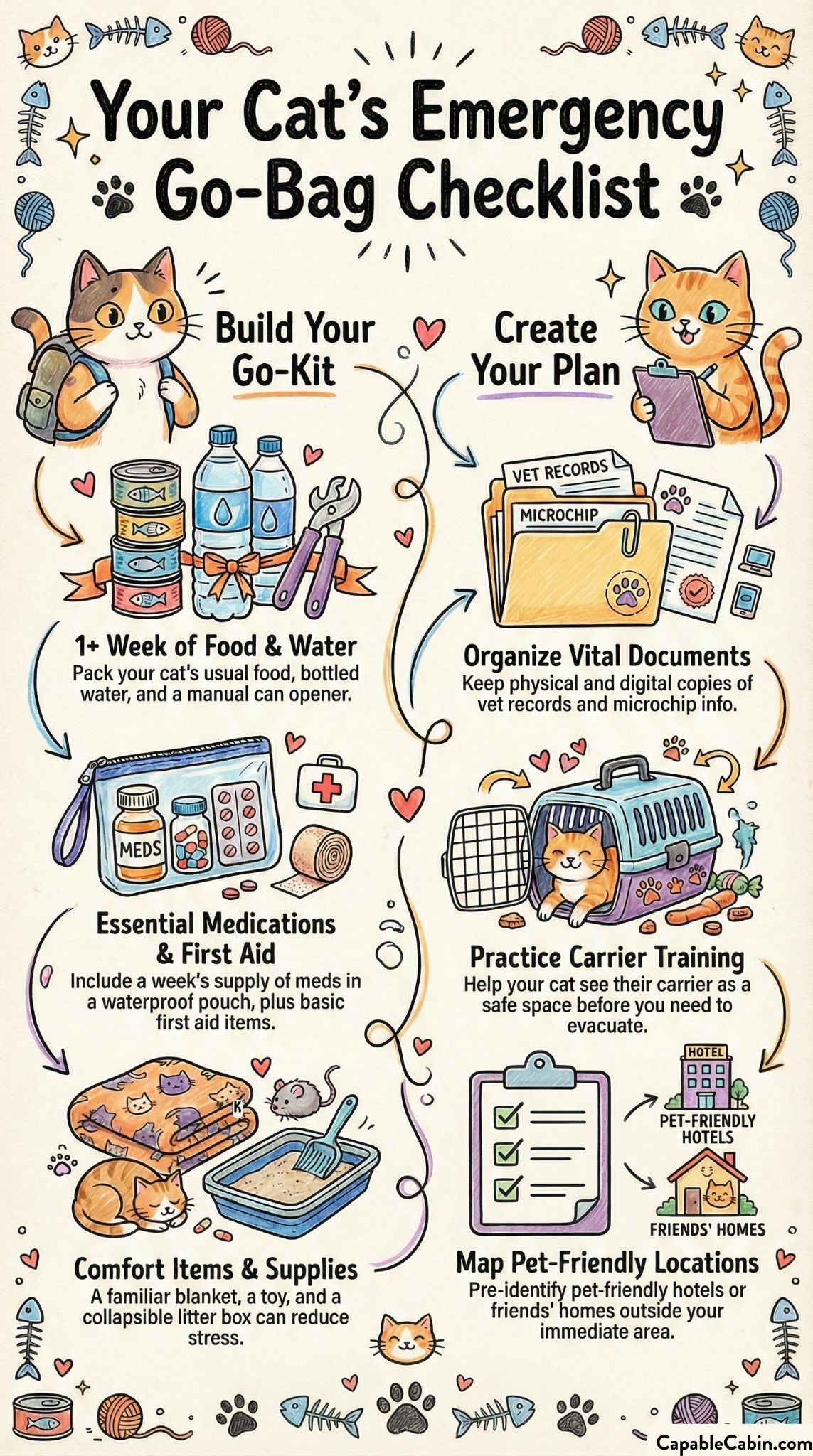
It’s amazing how quickly pet food can run out if you’re stuck at home without power or if you need to evacuate on short notice. The CDC suggests stocking at least three days’ worth of food in airtight, waterproof containers. If you have multiple pets, ensure you factor in each animal’s daily portions. Focus on foods that won’t spoil easily—canned or vacuum-sealed dry food are top picks. You might also look for single-serve pouches if storage space is tight.
If you feed a specialized diet (for instance, prescription food), make sure you have that in the kit as well. Nothing throws off a nervous pet like suddenly switching to a different brand or formula. Consider rotating out older stock every few months to keep everything fresh. The last thing you want is to open your emergency kit in a real crisis and find stale kibble nobody wants to eat. Plan ahead, and your pet’s taste buds (and tummy) will thank you.
2. Potable Water for Pets
Just like us, your pets need clean drinking water during emergencies. In fact, dehydration can hit animals even faster if they’re under stress. Aim for at least three days of water stored in sturdy, leak-proof jugs or bottles—about the same recommendation you’ll see for human emergency supplies. Keep in mind any extra thirst from panting, anxiety, or larger body size. If you have a horse or goat, the volume needed jumps significantly. We’re talking multiple gallons a day, so plan accordingly.
Whether you’re sheltering in place or evacuating, having water on hand prevents you from relying on uncertain availability elsewhere. If you can, store separate containers for each pet to simplify rationing. The water you stow away should be replaced every six months, since it can stale over time. Think of it like rotating your pantry goods—fresh is always best when it comes to hydration.
3. Medications and First Aid
If your pet has a medical condition, you know how critical it is to keep track of prescriptions. Emergencies don’t pause for refills, so stash at least a week’s worth (some experts say two weeks) of necessary meds in a waterproof container. Label them with instructions, dosage, and expiration dates. Double-check that you refresh these medications regularly so they don’t expire while sitting in your kit.
Along with specific meds, a pet-friendly first aid kit is a must. According to the Coulee Humane Society, bandages, gauze, tweezers, and a pet first aid booklet should be part of your supplies. You might also include a muzzle or soft wrap to protect yourself in case a dog or cat is in pain and acts defensively. We’re all in this together, and a well-stocked first aid kit can really make a difference if your pet gets injured when help is delayed.
4. Identification and Contact Details
You’ve probably heard about microchipping your pets—and yes, it’s a fantastic idea. The CDC highlights that up-to-date microchip registration significantly increases the likelihood you’ll be reunited with your pet if you get separated during a disaster. But there’s more to identification than just a microchip. Keep collar tags current with at least your phone number, and consider a backup tag too if your address has changed or if you travel frequently.
Printed pet emergency documentation can be a lifesaver if you have to prove ownership or share medical details in a hectic environment. You can store copies of vaccination records, adoption papers, chronic condition notes, and even a current photo in a waterproof folder or on a flash drive. That way, if local shelters require proof of your pet’s rabies shot, you’re covered. The more prepared you are, the quicker you can move forward if you get separated.
5. Collars, Leashes, and Harnesses
We all assume we’ll remember to grab a leash when heading out the door, but in an actual emergency, emotions run high and time is short. Having an extra leash or harness in your kit is a simple step that can provide peace of mind. Plus, if you have a cat who rarely wears a collar, ensuring one is included can reduce frantic cat-chasing moments in an evacuation.
Carriers are equally important, especially for small animals. The American Red Cross recommends making sure your pets are comfortable entering and exiting the carrier before a crisis arises. This is so crucial. The last thing you need is a cat panicking and refusing to go into the carrier when seconds count. Practice with treats, positive reinforcement, or short trips around the house. It might take time, but it’s worth it.
6. Pet Bedding or Blankets
If you’ve ever watched a pet curl up on a familiar bed, you know how comforting that soft space can be. During disasters, having a piece of home for your animal can calm nerves and provide a small sense of normalcy. You don’t have to pack a huge dog bed if you’re tight on space, either—a folded blanket or towel can do the trick. The point is to provide something that smells like home.
This bit of comfort can be especially helpful for anxious pets. It might reduce whining, barking, or destructive behavior. If you can, store bedding materials in a sealed bag to keep them dry and odor-free. Should you end up in a pet-friendly shelter, that reassuring piece of comfort can make a massive difference to your animal’s emotional well-being. And as we know, calmer pets are easier to handle in crisis situations.
7. Waste Management Supplies
Yes, it’s not the most glamorous part of emergency prep, but it’s vital. Whether your pet uses a litter box, puppy pads, or you rely on poop bags, you want to avoid adding unnecessary mess to an already stressful situation. So, stock up on whatever waste solution works for your household. If you’re caring for a cat, bring disposable or portable litter trays. Some folks use aluminum roasting pans lined with litter to save space.
For dogs, have a roll or two of pickup bags in your kit. If you’re forced to stay in close quarters like a shelter, it’s not just about manners—preventing accidents is about public health and your own ease. The Coulee Humane Society emphasizes the importance of having these items ready so you can keep the environment clean, safe, and stress-free for everyone involved.
8. Comforting Toys and Chews
We’ve all seen how a favorite squeaky toy or a chew stick can distract or soothe a stressed-out pet. When crisis strikes, your pets can sense the tension around them. Giving them something to focus on—like a puzzle toy or a chew bone—can help reduce anxiety. If your pet is a fan of certain toys, try rotating a copy of their favorite in and out of the emergency kit, so it still smells familiar.
Toys also keep your pet from fixating on stress triggers, such as loud noises or cramped quarters. If your dog loves to shred plush toys, consider something more durable that can last through multiple days of uncertain conditions. Let’s not forget smaller critters either—rabbits, rodents, and birds can all benefit from a comforting object or chew toy to keep boredom and anxiety in check.
9. Portable Crates and Carriers
Even if you’re not super keen on boxing your pet up, carriers or crates can be an absolute must in some evacuation scenarios. According to Ready.gov, many shelters and hotels only permit animals in containment for safety and cleanliness reasons. Having one quickly accessible is a big help when you’re already juggling tension and time constraints.
Crates also protect your pet from dangerous debris if you’re in a situation where you might encounter shattered glass, fallen branches, or worse. Think of them as a safe haven that physically contains your pet, preventing escapes in chaotic environments. If you have large animals like horses, goats, or pigs, you’ll want to plan specialized crates or, at the very least, a secure and reliable transport method well in advance.
10. Paperwork and Important Info
Keep printed or digital copies of your pet’s health records, proof of vaccinations, and license or registration details. This goes beyond just identification; if your pet has any special needs or allergies, make sure it’s clearly noted. For instance, if your pup can’t handle certain types of flea medication, you don’t want them accidentally treated with it in a busy shelter environment. The American Red Cross reminds us that having clear documentation ensures swift medical care if needed.
Consider storing a backup of this info on a small USB drive in your kit, ideally password-protected if it has personal info. Having digital copies can be helpful if you end up in a location where printing might be possible. The more thoroughly you prepare, the fewer frantic phone calls you’ll have to make on the spot.
11. Extra Clothing or Protective Gear
This might sound optional, but in flooding or cold-weather disasters, a sweater, booties, or even a pet raincoat can keep your furry friend dry and prevent hypothermia. Some dogs (and even a few cats) adjust fairly well to wearing protective clothing once they get used to it. Boots can protect paw pads from hot pavement, salt, chemicals, or sharp debris. Let’s face it, if your dog is in a strange new environment with potential hazards on the ground, you don’t want them stepping on something dangerous.
For bigger animals, consider having appropriate coverings or halters that can keep them comfortable if you have to travel. If goats or horses are exposed to extreme weather, a well-fitted blanket can make a real difference. Just make sure your gear is sized correctly so it doesn’t hinder movement or circulation. With the right prep, you can keep your animals protected no matter the conditions.
12. Stress Relief and Calming Aids
Emergencies are tough on our pets. Some cuddle up and hide, while others pace, whimper, or act out in unexpected ways. That’s where calming aids come in. You might stash natural solutions like pheromone sprays or lavender-scented collars if your vet approves. If your dog or cat needs prescription anti-anxiety medication, talk to your vet about keeping an extra dose in your emergency stash. Regularly check the expiration dates.
For more tips on handling anxious behavior during emergencies, you can explore resources like calming anxious pets emergency. Ultimately, a calmer pet is less likely to bolt, snap, or experience health complications from high stress. Think of it this way: you’re not just packing items; you’re offering emotional support at a time when your furry friend needs you most.
13. Grooming Essentials
In scenarios where you can’t get to your normal helper or store, having basic grooming tools is surprisingly helpful. A brush, some pet-safe wipes, or dry shampoo can keep your pet relatively clean if water is scarce. This is especially true if you’re stuck in close quarters—no one wants to be trapped with a smelly pet for days on end!
If your pet is used to a certain routine (like weekly brushing to prevent mats), continuing that routine as best you can can feel reassuring to them. Even short grooming sessions can help lower anxiety, acting as a bonding moment in tense times. Just be sure your kit features grooming supplies suited for your pet’s breed. If your dog is prone to shedding, for instance, keep a brush that can handle excess fur without a lot of fuss.
14. Flashlights and Batteries
It’s easy to forget that you might need to check on or walk your pet in the dark. Make sure you have a small flashlight or headlamp in your kit, along with extra batteries. This allows you to navigate safely after a storm knocks out power, or if you’re traveling by night. You’ll be glad you have a reliable light source to check on your animals, whether it’s to find the litter box in a dark shelter or to scope out a safe potty space in unfamiliar surroundings.
While a phone flashlight can be handy, phone batteries drain quickly when you’re also using them for communication and updates. A dedicated flashlight ensures you won’t leave yourself in the dark if your phone dies. It also helps you examine your pet for minor injuries if you suspect they’ve stepped on debris or encountered anything harmful.
15. Multi-Pet Evacuation Plans
If you have more than one pet—maybe a dog, a cat, a parrot, and a gerbil—they each come with unique needs. Be sure your emergency kit proves you’ve considered them all. For instance, a parrot may require a secure, well-ventilated travel carrier covered with a thin blanket to reduce stress. A gerbil may need bedding that’s less likely to spill. Horses, goats, and pigs need tailored solutions like trailers or large-animal carriers, plus a plan for where they’ll go if you must go off-site.
Ready.gov notes that if local officials say to evacuate, you should include your pets in that evacuation. Leaving them behind can be dangerous—not only for them but also for first responders who might try to rescue frightened or injured animals. Coordination, whether through friends, family, or pet owner networking emergency, can save time and reduce panic when the clock is ticking.
16. A Designated Safe Space
Sometimes you can’t evacuate. In certain disasters, such as sudden tornado warnings or earthquake aftershocks, you might have to shelter in place. Having a designated safe spot in your home (like a basement, interior room, or sturdy closet) is a huge advantage. Make sure you can quickly bring your pet gear there, from water to bedding. Keep it stocked with essentials, or store the kit close by so you can grab it fast.
For more structured shelter solutions, especially if you anticipate power outages or structural damage, you could explore pet emergency shelter setup. It may include tips like securing crates to walls, keeping a radio for updates about the crisis, or setting up battery-operated fans if the weather’s hot. This proactive approach can make your family, furry members included, feel safer and more at ease in a scary situation.
Wrap Up And Next Steps
Nobody wants to imagine a future where a hurricane wipes out power for days or a wildfire threatens your neighborhood. But preparing your pet supplies can be one of the most compassionate acts you do for your companions. It’s not about fearmongering—it’s about ensuring that, if push comes to shove, you’re equipped with what matters most: food, water, safety, and comfort for your furry, feathered, or hooved loved ones.
Let’s remember that disasters come in many shapes, whether a swift-moving tornado or a slow-rising flood. By curating a kit with these 16 essentials, you’re covering a wide range of pet supplies for different disaster types. It’s a simple yet mighty step that can keep tails wagging (or whiskers twitching) even when life throws you a curveball. If you’re feeling overwhelmed, start with the basics—food, water, and a sturdy carrier—and build from there. You’ll soon realize that each step takes only a bit of time, and the payoff is priceless.
A great next move would be to revisit your kit at least twice a year. Refresh expired food, rotate water, and make sure your contact information is up to date. If you adopt a new pet or your current pets develop new health conditions, adjust your kit accordingly. It’s also wise to walk through your evacuation plan regularly, especially with family members or friends who might help you out. The ASPCA’s rescue sticker alert (through the American Red Cross) is another small action that can make a big difference if you’re ever not home when a crisis strikes.
Finally, remember you’re not alone in this. Resources from the American Red Cross, Ready.gov, and the CDC can guide you along the way, and your local shelter or vet is usually full of experience and advice. If you ever feel unsure about your pet’s behavior in a crisis, check out pet behavior emergencies for strategies to keep everyone calm and safe. The real magic is in recognizing that a little effort now gives you a whole lot of relief later. You’ve got this—just take it one supply at a time, and soon enough, you’ll have a well-