5 Places to Keep Your Emergency Fund That Aren’t Savings Accounts
Ever feel like you’re on a roller-coaster ride when it comes to deciding where to keep your emergency fund? You’ve probably heard a million recommendations that point you straight to a regular savings account. While that’s a solid choice, it’s not the only stop on the map. Sometimes, you want a place that offers a bit more earning potential or flexibility. Other times, you just like having multiple back-up plans, especially if you’re thinking about a bigger emergency fund amount. Let’s explore a few alternatives so you can figure out which approach feels right for you, your family, and your future goals.
Before we jump in, I want you to feel like we’re just two friends chatting over coffee about finances. No fancy jargon that’ll make your head spin. Together, we’ll look at several options beyond the typical savings account. You’ll also find a brief guide about the potential upsides, possible drawbacks, and any heads-up worth noting. By the end, you’ll have a clearer sense of how to position your emergency resources so they’re both accessible and protected. We’re in this together, so let’s dive in!
Use Money Market Accounts
Why You Might Consider It
A money market account can feel like a happy medium between a standard savings account and short-term investments. Often, you’ll earn a slightly higher interest rate than you would in a typical savings—though this can fluctuate with market changes. Many money market accounts also offer you check-writing abilities or a debit card, which can be great if you need to access your money in a pinch.
- Potential for higher returns than a basic savings
- Usually FDIC-insured (up to federal limits)
- Check-writing or debit card access
If you’re curious about how this compares to a normal savings account, you can take a peek at emergency fund vs savings to see the differences in features and flexibility. Sometimes, just that little bump in interest could be enough to give your fund an extra nudge.
Potential Drawbacks
While a money market account offers more daily-access perks, it might come with higher minimum balance requirements. If your balance dips below a certain point, you can get hit with fees. You’ll also still face typical federal regulations on monthly withdrawals—usually around six per month.
- Possible higher minimum balance fees
- Limited monthly transactions
- Interest rates may not always stay competitive
Ultimately, money market accounts can be a neat option if you like the security of a bank-based solution with a bit more potential growth. However, it’s good to weigh whether those minimum balance requirements could cause stress down the road, especially if you’re just starting to build up your fund.
Open a Certificate of Deposit
Why You Might Consider It
If you want to keep your emergency fund locked safely away (and you don’t mind keeping it somewhat out of reach), a Certificate of Deposit (CD) might be your match. Think of a CD like a locked treasure chest. You put your money in, forget about it for a set term (often ranging from a few months to a few years), and watch it earn a higher interest rate than many regular savings accounts. Plus, CDs are typically offered by banks with FDIC insurance, so your principal amount is safe up to certain limits.
- Guaranteed return on your principal
- Can yield higher interest than savings or money market accounts
- FDIC-insured (up to federal limits)
Potential Drawbacks
The locked-in nature of CDs can be a blessing and a curse. If a true emergency pops up halfway through your CD term, withdrawing funds early means penalties—sometimes you lose several months’ worth of interest or pay an early-withdrawal fee.
- Funds aren’t very liquid
- Early withdrawal penalties can be steep
- Fixed term means you can’t capitalize on rising interest rates
A CD might be ideal if you’re confident you won’t need to touch your emergency funds right away. It’s a way to save for emergencies that aren’t as time-sensitive, such as a planned medical procedure or a home fix that isn’t super urgent.
Consider a Roth IRA
Why You Might Consider It
You might be thinking, “Wait a second, a retirement account for emergencies?” It sounds a bit unusual, but there’s a twist. A Roth IRA lets you contribute post-tax money, and you can withdraw your contributions (not earnings) whenever you want without a penalty (up to certain limits and guidelines). So, in a pinch, you gain access to your primary contributions, leaving the earnings to keep growing for your future self.
- Contributions can be withdrawn tax-free
- Potential for higher long-term gains
- Doubles as a retirement vehicle
Potential Drawbacks
The catch is that you don’t want to raid your retirement piggy bank for every little bump in the road. Once you dip into that money, you lose out on compounding earnings for your later years. Timing matters too—some aspects of Roth IRA withdrawals still have rules around age and how long the account’s been funded.
- You risk derailing retirement goals
- Early or excessive withdrawals conflict with the spirit of the account
- Some income eligibility limits apply
For those of you who like having your emergency fund grow in the background but also want a safety valve, a Roth IRA can be a thoughtful choice. You’ll just need discipline, so you’re not tapping it for short-term wants rather than real emergencies.
Check Out Credit Union Shares
Why You Might Consider It
Belonging to a credit union rather than a large commercial bank can offer you a more community-centric vibe and, often, better interest rates or lower fees. Credit unions call their basic savings options “share accounts.” The approach is pretty similar to a savings account, but you’re essentially a member-owner of the credit union. Some folks love the personalized service and local atmosphere.
- Often lower fees and competitive rates
- More personalized, member-focused environment
- Federally insured by the NCUA (similar to FDIC insurance)
Credit unions can also provide unique tools to help you manage your emergency fund. If you plan to layer your fund across multiple places, you could stash part of it at a credit union and keep a portion in a money market account at your primary bank. Having more than one location might give you peace of mind in case you face an unexpected event.
Potential Drawbacks
Credit unions sometimes have membership requirements, like living in a certain region or working within a particular industry. Plus, while their digital services are improving, smaller credit unions may not have as robust an online or mobile banking platform as big banks. If you’re someone who loves everything in one app, you might find that less convenient.
- Membership rules can limit your options
- Online banking may be less sophisticated
- ATM networks might be smaller
If none of that’s a dealbreaker for you, credit unions can be a friendly avenue to safeguard your emergency funds. You get a sense of community, potentially better interest rates, and the security of federal insurance for your money.
Keep Cash at Home
Why You Might Consider It
Keeping actual physical money stashed in your home might sound like something from the olden days, but there’s a reason it still pops up in discussions about financial preparedness. Sometimes, short-term emergencies like a system outage or an extreme weather event can temporarily cut you off from your digital funds. In those rare moments, having a small portion of cash on hand can help you buy groceries or gas without scrambling.
- Immediate access when electronic systems fail
- No waiting on bank hours or ATM networks
- Allows for quick local purchases during emergencies
It’s natural to worry about the risk of theft or damage, so if you opt for this route, check out our tips in emergency cash at home to keep it as safe as possible. After all, you want peace of mind, not sleepless nights.
Potential Drawbacks
Managing cash on-site does come with a higher risk factor. Fire, water damage, theft, or simply misplacement can wipe out your funds. Insurance doesn’t always cover the full amount of lost cash, so you have to be sure you’re storing it securely. Also, this money won’t earn interest, so over time, inflation can chip away at its value.
- No interest or growth
- Security risks if not stored properly
- Temptation to raid the stash for non-emergencies
If you’re determined to keep some physical bills at home, consider limiting it to a set amount. Then place the rest of your emergency fund in safer, interest-bearing accounts. That way, you’re not putting all your eggs in one basket.
Quick Comparison Table
Here’s a high-level summary of these five options:
| Option | Potential Pros | Potential Cons |
|---|---|---|
| Money Market Accounts | – Higher rates than basic savings | – Higher minimum balance requirements |
| Certificates of Deposit (CDs) | – Guaranteed return, FDIC-insured | – Early withdrawal penalties |
| Roth IRA | – Tax-free withdrawal of contributions | – Risk losing retirement growth potential |
| Credit Union Shares | – Often lower fees and competitive rates | – Membership restrictions, smaller ATM networks |
| Cash at Home | – Immediate access in certain crises | – No interest, higher theft or damage risk |
This table can help you see the big picture. It’s all about balancing liquidity, risk, and growth. None of these is a one-size-fits-all solution, but each can serve a specific need in your financial plan.
Deciding Which Option Suits You Best
Let’s be real: everyone’s emergency fund looks different. You might feel more secure with multiple stashes: a portion in a money market account for semi-quick access, a chunk in a CD for longer-term peace of mind, and a small envelope of cash at home for power outages or urgent runs to the store. If that feels like too many moving parts, no worries—your style is all about what makes sense for you.
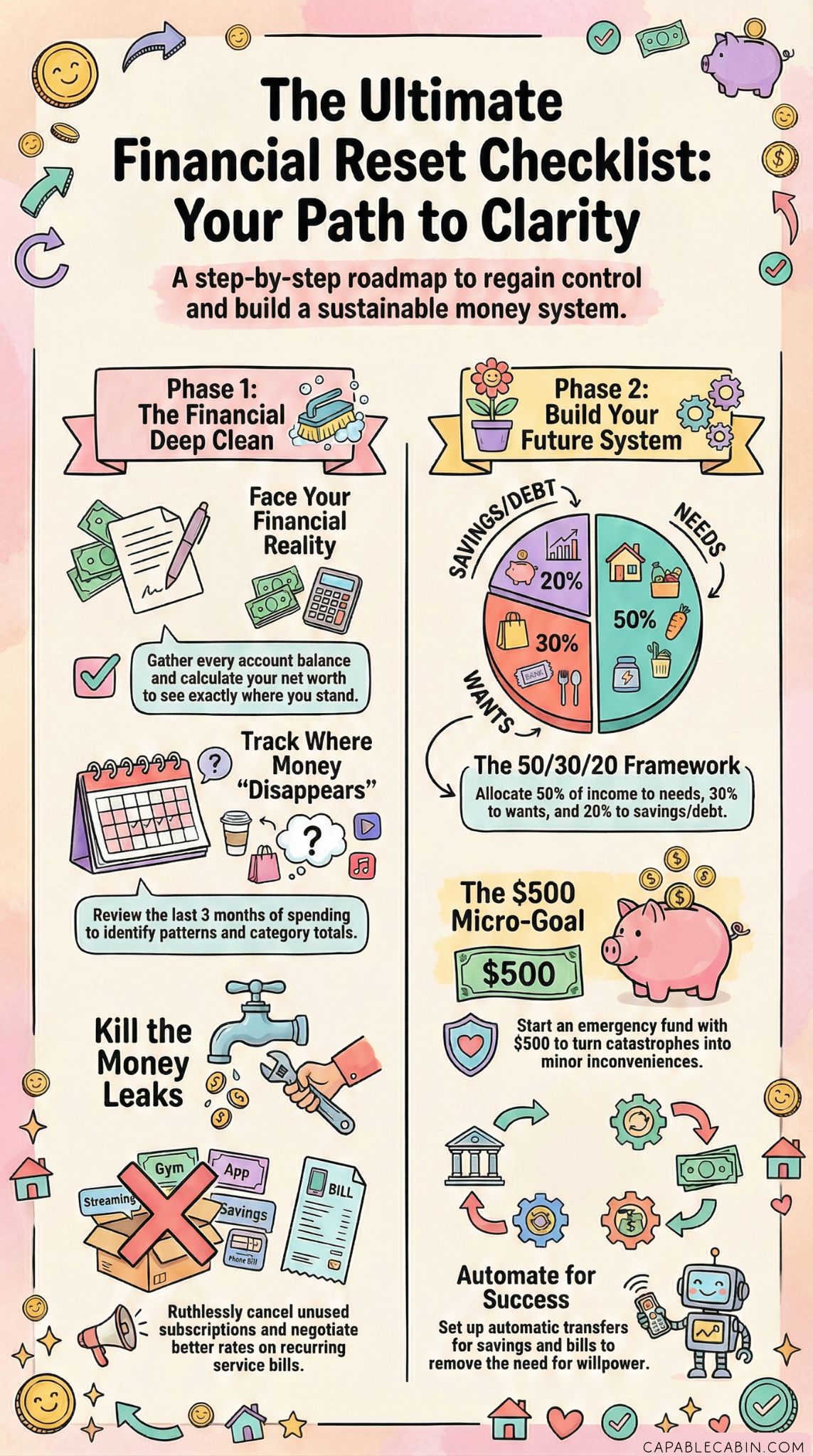
We all know building an emergency fund in the first place can be a challenge, especially when life zigs and zags. If you’re looking for a simple step-by-step to get started, our start emergency fund resource might be your best friend right now. It’ll guide you through the basics so you can begin saving without feeling overwhelmed.
Liquidity vs. Growth
One of the central questions is how easily you want to grab this money if you need it. Money market accounts and credit union shares let you access cash pretty quickly. CDs require more commitment, while a Roth IRA might offer partial flexibility but with a few strings attached. As for cash at home, you’ve got instant access, but you won’t earn a dime in interest.
Understanding Your Risk Tolerance
If the thought of losing any portion of your emergency fund sends shivers down your spine, you may want an FDIC- or NCUA-insured option like a money market or share account. If you prefer a “set it and forget it” strategy with a slightly higher yield, CDs could shine. But if you’re comfortable weaving your emergency planning into your retirement strategy, then the Roth IRA path is worth a look.
Balancing Everyday Needs
Think about the nature of your potential emergencies. Are you concerned about needing funds for urgent home repairs? Are you looking at possible unemployment or a medical expense? Each scenario might require different levels of immediacy. For example, if you’re worried about job loss, you’ll likely want a chunk of your money liquid. If your main concern is, say, a big-ticket home repair that can be scheduled, a CD that matures in a few months could be just fine.
Tips to Protect Your Fund in Any Location
No matter the option you choose, here are a few universal tips to help you feel even more prepared:
Automate Your Contributions
Set up a monthly transfer to whichever account you choose, so you don’t have to rely on willpower alone.Name Your Accounts
Some banks or credit unions let you create a nickname (like “Rainy Day Fund” or “Family Safety Net”). This simple trick can keep your emergency fund top-of-mind and remind you it’s for true emergencies only.Review Interest Rates
If you’re using a money market or CD, check periodically to ensure you’re still getting a competitive rate. If rates change significantly, it might be time to move or renegotiate.Consider a Backup for Family Members
If you share finances with a partner or loved ones, make sure they know how and where to access the emergency fund. A simple addition could be a financial preparedness checklist or a financial emergency binder that outlines key details in case you’re unavailable.Stay On Top of Fees
Watch out for monthly maintenance fees, early withdrawal fees, or membership fees. These can eat into your savings over time.Refresh Cash Stashes
If you decide to keep cash at home, consider rotating older bills out for crisp ones every so often, and store it in a secure, fire-resistant container.
Taking these steps not only protects your emergency money but also keeps you from making the kind of mistakes that can hinder your progress. If you’re curious about common pitfalls, you can check out emergency fund mistakes for a cautionary tale or two.
Maintaining Momentum and Peace of Mind
You might build your emergency fund steadily for months, only to face a sudden expense that requires you to dip right into it. That’s normal. In fact, that’s exactly why you created this cushion in the first place. But once you use it, remember to refill it—just like restocking your pantry after a big family gathering. Replenishing is part of the cycle. If you want a structured approach to saving again, try a year-long or emergency fund challenge to rebuild your balance without feeling overwhelmed.
Think of your emergency fund as a living entity rather than a static pile of cash. It moves, evolves, and sometimes decreases when life throws curveballs. That’s okay. The real magic is in having a plan for “where to keep emergency fund” resources so you can shore them up when needed.
Bringing It All Together
Our finances are deeply tied to our sense of security. Building and maintaining an emergency fund, whether it’s in a money market, a CD, a Roth IRA, a credit union share account, stuffed in your sock drawer, or a combination of these, is a powerful step. Each choice has its perks, but it also has trade-offs you’ll want to consider carefully. If you like maximizing earning potential and can handle a little less liquidity, CDs or a Roth IRA could be your ticket. If you prize convenience and immediate access, think about a money market account or a credit union share. And yes, a small amount of cash at home might bring extra peace of mind in case of everyday hiccups.
No matter what you decide, the important thing is that you’ve taken action toward safeguarding your future. You’ve already gone from “I should do that” to “Here’s my plan.” That’s huge. And guess what? You’re not alone in the process. We’re all figuring out how to juggle short-term emergencies and long-term goals. A well-thought-out approach for where to keep your emergency fund can let you breathe easier, knowing you’re prepared for the unexpected.
So here’s your friendly nudge: pick one or two of these five places that resonate with you. Open that account, research the details, or stash that small amount of cash somewhere safe. Just keep moving forward. If you have to tweak the plan later, no worries—life changes, and so can your strategy. The bottom line is that you’re taking steps to protect yourself and your family. Give yourself a pat on the back, and stay motivated. You’ve got this!