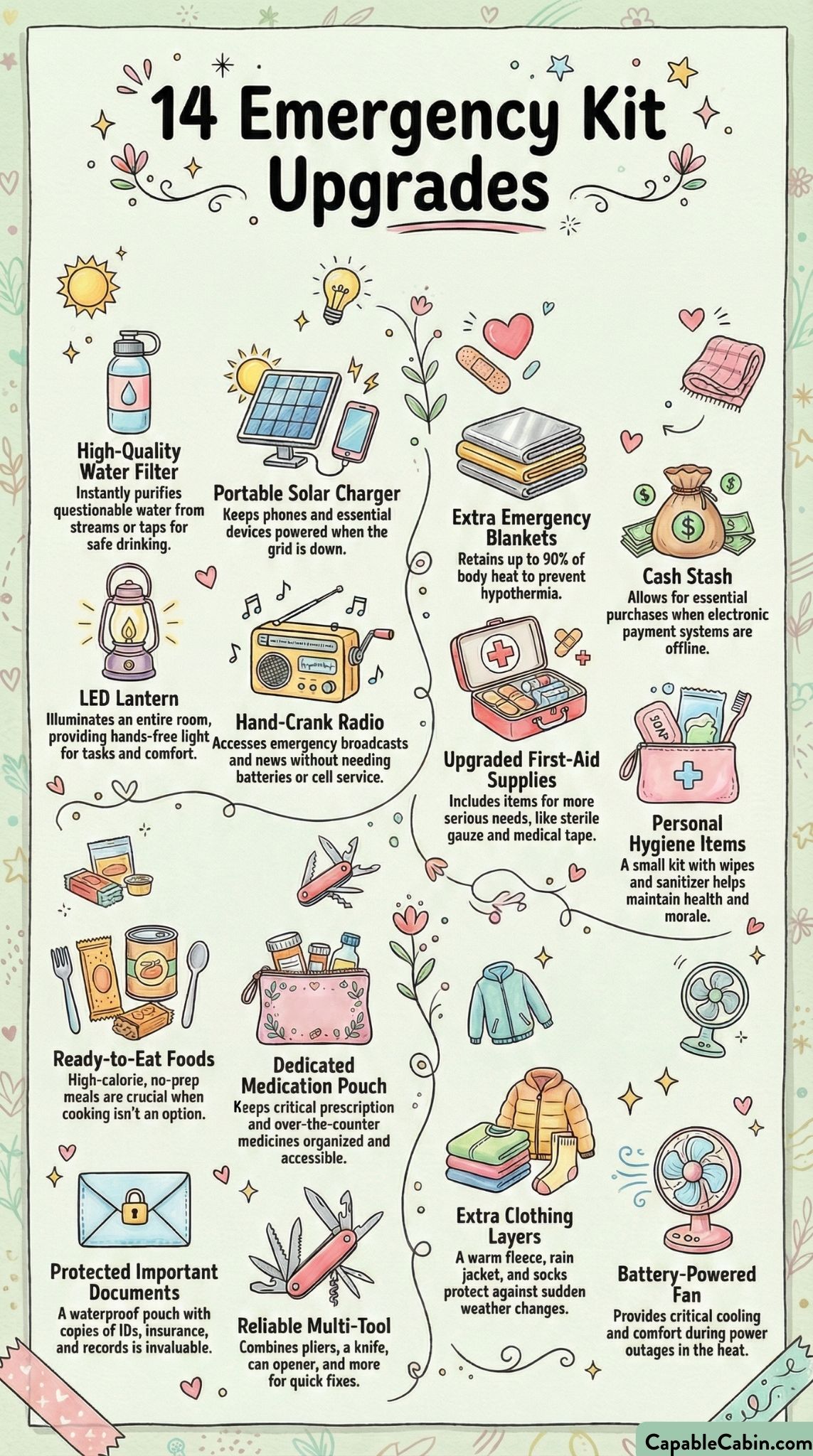
How to Build Emergency Preparedness Habits That Last
If you’ve ever found yourself thinking, “I really want to be prepared for emergencies, but life is so busy,” trust me, you’re in good company. We’ve all had moments where that untouched supply kit stares us down every time we open the closet, and we assure ourselves, “I’ll get to it next weekend.” The truth is, making your emergency preparedness habits last isn’t about checking one giant task off your to-do list. It’s about weaving thoughtful, simple practices into your life so that readiness becomes second nature—even if you have a million other things going on.
Below, you’ll find ideas for building a comprehensive plan that fits your lifestyle and family needs, whether you’re juggling kids’ schedules, caring for older relatives, or simply dealing with day-to-day hustle. Let’s walk this journey together, one manageable step at a time.
Embrace the Mindset Shift
Emergency preparedness isn’t just about stockpiling items. It’s a life skill that includes problem-solving, learning from your surroundings, and reminding yourself why these habits matter in the first place. We’re talking about protecting the people you love—your kids, your partner, your extended family, even your adorable pets.
- Recognize Your Motivation
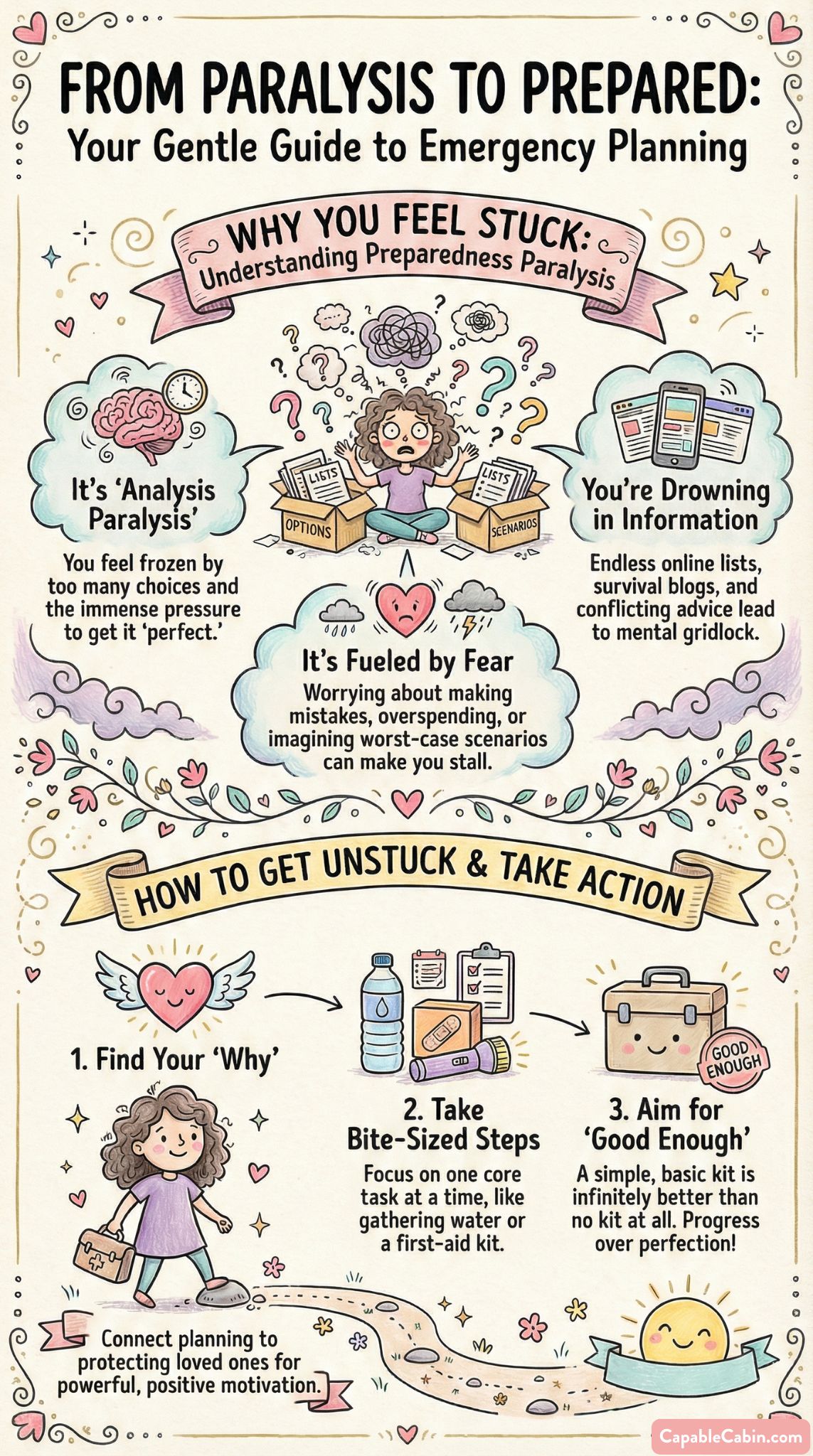
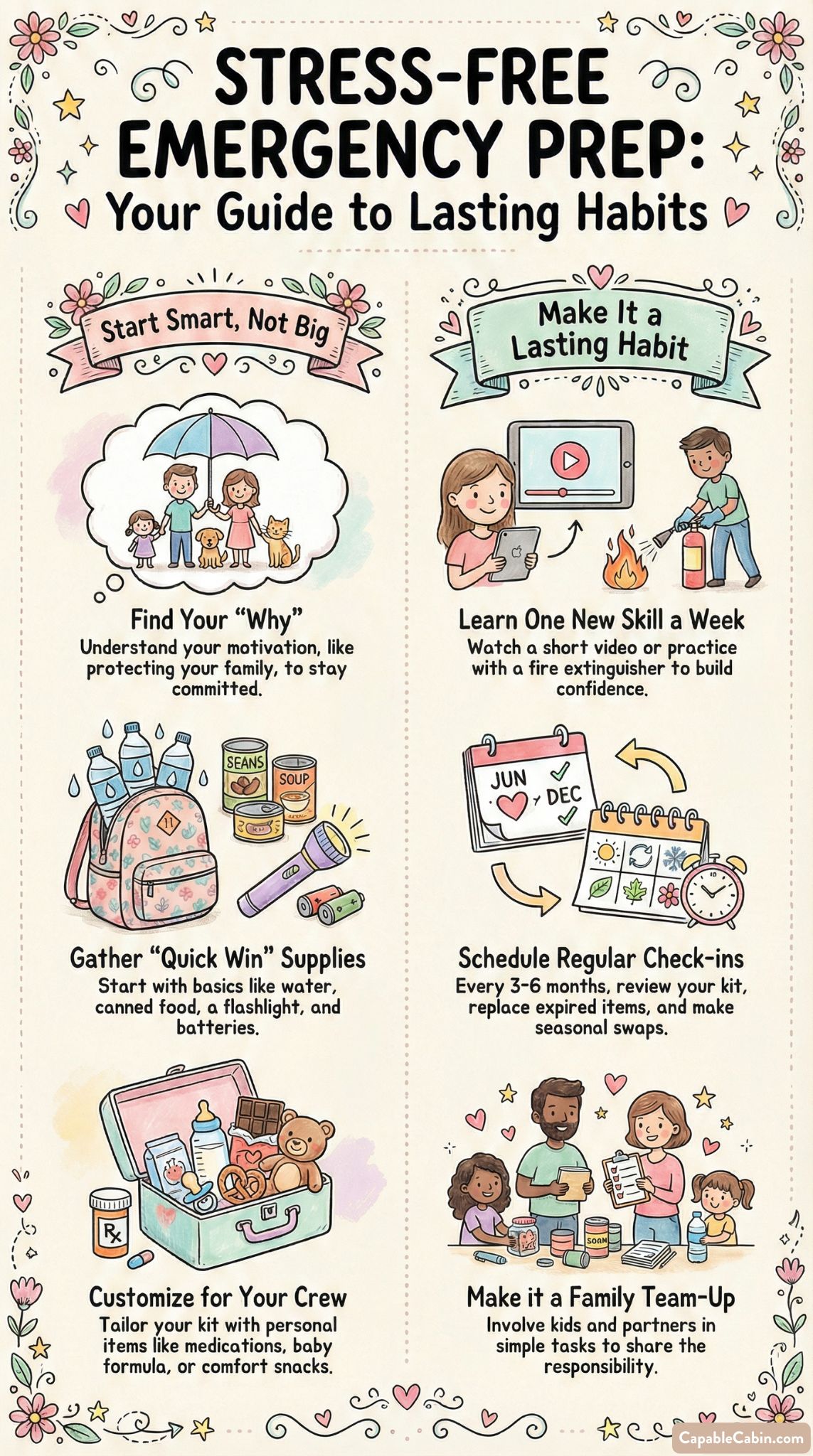
Take a moment to think about why you care about preparedness in the first place. Maybe you live in an area prone to hurricanes, or you want your elderly parent to stay safe during winter storms. Understanding your deeper motivation makes it easier to follow through. - Ease Into Readiness
Shifting your mindset requires smaller, everyday tweaks. Instead of viewing emergency preparation as an overwhelming chore, think of it as a natural extension of caring for your family. Set the intention that building these skills is something you want to do, rather than have to do. - Choose Readiness Values
Are you focusing on safety, saving money, or easing your worries about the future? By identifying these values, you give each step of your plan real purpose. This sense of clarity can help you stay committed when things get busy.
Embracing the mindset shift creates a foundation that can keep you anchored. Once you grasp the bigger “why,” each item you gather and each plan you make transforms from a vague intention into a powerful statement about caring for your loved ones.
Begin With Basic Supplies
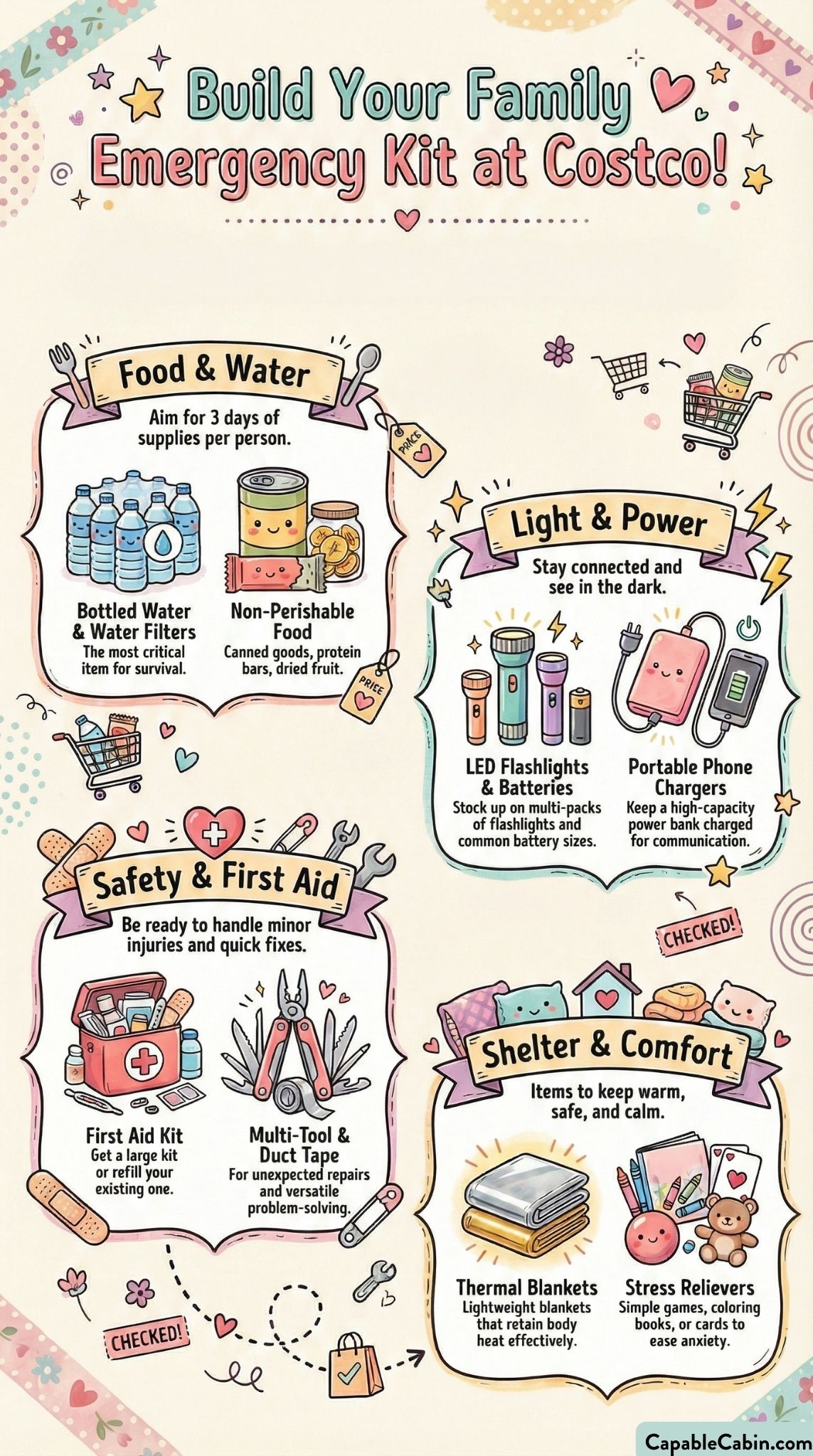
Let’s be honest, when life is already jam-packed, you need quick wins. So, consider starting with the absolute essentials. By gathering a few key supplies, you’ll feel an immediate sense of accomplishment that propels you to keep going.
- Start Small
A couple of water bottles, some canned food, a flashlight, and extra batteries—these are easy “first steps” that won’t break the bank or occupy too much room. If you’re looking for a deeper dive, you can check out a 72 hour emergency kit complete guide to help you begin. - Customize for Everyday Life
Think about what your family specifically needs. Allergy medications, baby formula, or even a particular snack that comforts your kids during stressful times—these details matter. By tailoring your kit to your real life, you’re more likely to keep it updated. - Prioritize Your Environment
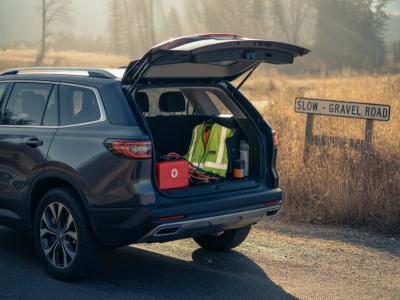
If you commute a lot, a vehicle emergency kit family approach might be a great place to start. For those working remotely or in offices, exploring a workplace emergency kit guide can offer peace of mind.
Begin with the simplest pieces so you don’t feel overwhelmed. Even a tiny success—like stowing a few extra water bottles in your home—sends a message to yourself: “I can do this.”
Build Confidence Through Learning
One of the biggest reasons we ignore preparedness tasks is that we’re simply unsure what to do. Building lasting habits means boosting your knowledge base, so we can all feel more confident tackling unexpected events.
- Learn One Skill a Week
Maybe this week you watch a short video about water purification options. Next week, you practice using a fire extinguisher (actually pull the pin, aim, and squeeze). By taking small, manageable learning steps, you’ll gradually develop the skillset you need. - Involve Others in Brainstorming
If you have neighbors or friends who are also parents, share ideas together. Collective knowledge inspires innovative solutions. For instance, you might share tips about emergency water storage purification or compare notes on first aid essentials so everyone benefits. - Practice “Just in Time” Skills
Hands-on experience cements a habit far better than reading alone. Try rotating your emergency water supply a couple of times a year. The more you practice, the more second nature these actions become.
Knowledge fuels confidence, and confidence helps you stick with habits for the long run. When you know exactly how to set up your gear or handle a minor injury, you’re far less likely to procrastinate about important readiness steps.
Organize to Fit Your Lifestyle
Let’s face it, emergency kits can turn into the dreaded “junk pile” in a closet if we’re not careful. Organization doesn’t have to be perfect, but it does have to make sense for your day-to-day life, so you can locate items fast if you need them.
- Pick Accessible Storage
If you have limited space—maybe you live in an apartment or condo—try consolidating items efficiently in a single bin. There are pointers on small space emergency preparedness that might spark some clever storage ideas. - Label and Sort
Group items by category, such as first aid, sanitation, and food. A simple labeling system makes it easier to see what you have and what might be missing. - Pre-Pack Bags or Bins
If you plan on preparing a “go bag,” keep those items in a designated backpack. For a quick refresher on recommended supplies, consider referencing go bag essentials family. The idea is to make everything grab-and-go, so you’re not rummaging last minute.
Feeling organized is incredibly motivational. It sends a signal that you’re not just buying stuff—you’re crafting a plan that you and your family can rely on.
Set Up Consistent Check-Ins
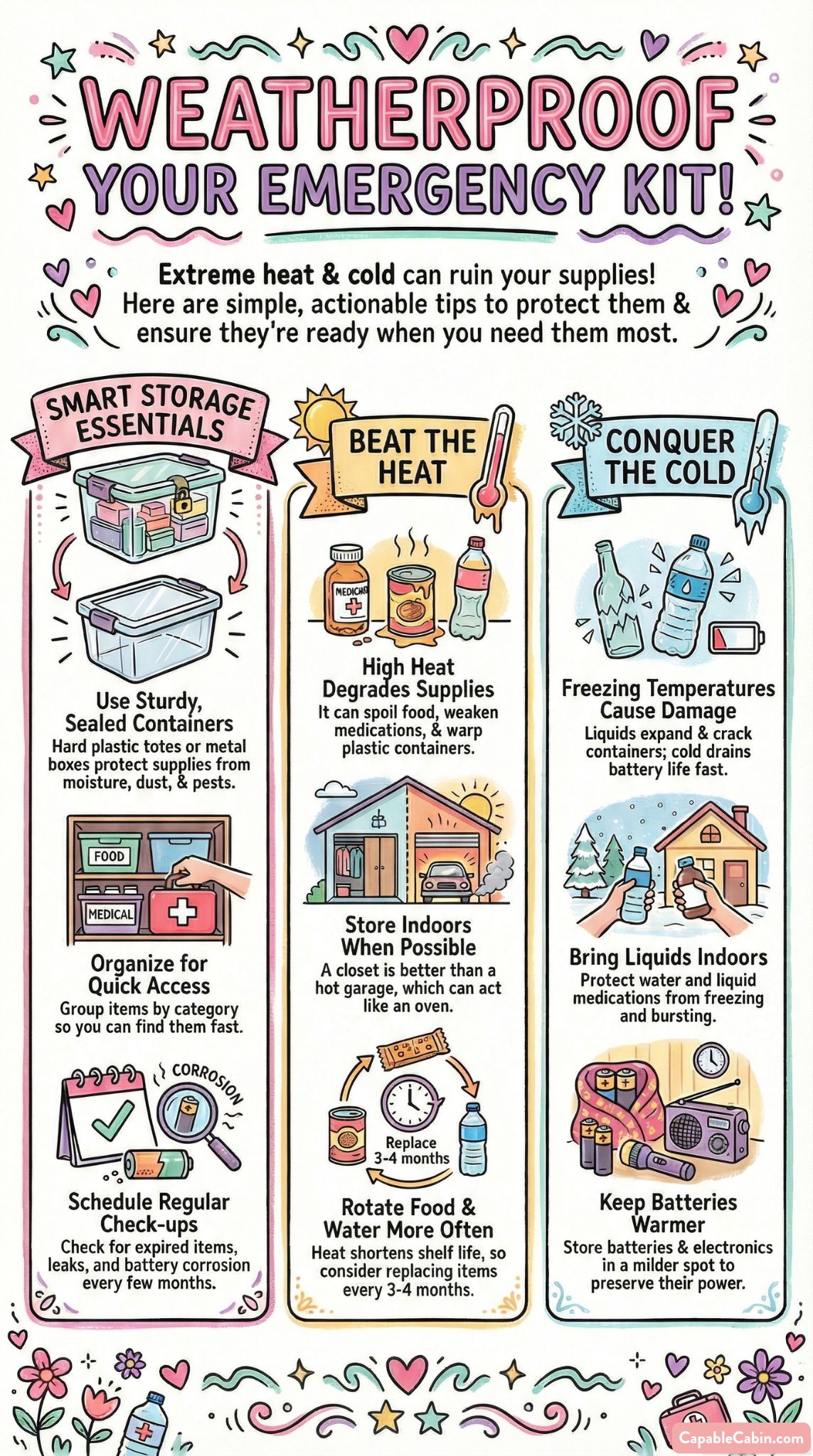
Emergency preparedness isn’t a “one and done” deal. Conditions change, items expire, and your family’s needs evolve. To keep your habits strong, pencil in regular check-ins. This means actually scheduling them—on your calendar, your phone’s reminder app, or even a sticky note on the fridge.
- Quarterly or Biannual Reviews
Every three to six months, review your kit. Replace expired food. Update the children’s clothing sizes if you keep spare outfits. Make sure medication is still within its use-by date. - Seasonal Adjustments
Depending on your climate, seasons might demand a switch-up in supplies. For winter, add hand warmers and heavier blankets. For warmer months, consider summer emergency kit items like extra water, sunscreen, and insect repellent. - Involve the Whole Family
Encouraging your kids to help check expiration dates or your partner to test the flashlight can turn these check-ins into less of a chore and more of a family activity. Consistency truly grows when everyone pitches in.
Staying on top of your kit’s condition, and your plan’s relevance, reduces guesswork and anxiety down the road. You’ll gain the confidence of knowing everything is up to date—so if something happens, you’re ready.
Keep It Affordable
Sometimes, the biggest barrier to building lasting preparedness habits is the fear that everything is too costly. It’s tempting to think you need the latest high-tech gear or a fully stocked underground bunker. The reality is, you can take many budget-friendly steps.
- Prioritize Essentials
Focus your spending on core items: water, nonperishable food, first aid supplies. If cost is a concern, check out the budget emergency preparedness kit for ideas on making a functional kit without overspending. - Repurpose and Reuse
You might already have many items in your home that fit into a preparedness plan. Extra blankets or old backpacks can become part of a kit. It’s fine to repurpose sturdy containers you already own for storing supplies. - Watch for Sales and Coupons
Keep an eye out for discounts on batteries, canned goods, or medical supplies. By stocking up gradually—one sale at a time—you spread out the cost. Over a year, you can accumulate a thorough kit without any big financial strain.
Creating lasting habits is absolutely doable on a tight budget. It’s all about using what you already have, shopping creatively, and focusing on necessities rather than pricey gadgets.
Get the Whole Family Involved
You’d be amazed how kiddos can rally around the idea of helping the family be safe. Involving everyone makes preparedness feel like a unified effort, not just “Mom’s project” or an afterthought waiting for a free weekend that might never come.
- Share Simple Responsibilities
Let your child be in charge of checking the flashlight batteries once a month. Maybe your partner is the go-to person for emergency food storage kit organization. Splitting tasks can lighten your load and make the process fun. - Role-Play Different Scenarios
Kids often learn best when they get to act things out. Pretend the power has gone out and practice what each person would do. Does someone locate the lantern while another checks on younger siblings? Have older children help decide the best place to keep power outage emergency supplies. - Keep the Mood Light
Instead of turning drills into tense, dreaded affairs, make them short and somewhat playful. Think of it like a family game to see who can grab the first aid kit fastest. Positive experiences keep everyone engaged.
When everyone feels ownership, that sense of accountability naturally leads to stronger, long-lasting habits. Emergency prep becomes something you do together rather than a solitary burden.
Stay Flexible as Life Changes
It’s normal for routines and living situations to evolve. Maybe you move to a different neighborhood, or your kids outgrow certain items. Sometimes your life transitions—like switching jobs or adding a new family member—demand a quick pivot in your preparedness plan too.
- Adjust for New Circumstances
If you’re caring for an older family member, you might need dedicated medical supplies or extra medication. If you have a newborn, check out tips in emergency kit new parents. When your teenagers start driving, think about separate kits for their cars. - Rotate Frequent Flyers
Certain items, like batteries or prescription meds, are used frequently and have limited shelf lives. Make it a habit to regularly swap them out. You’ll maintain a sense of readiness without scrambling at the last minute. - Expand or Downsize as Needed
If you move from a small apartment to a larger house, you might have room for a bigger home emergency supply. Conversely, if you’re downsizing, you can trim extras to maintain just the necessities. The point is, let your kit adapt to your reality.
Staying flexible ensures your plan moves with you, not against you. The cyclical nature of personal growth and family changes becomes just another chapter in your readiness journey.
Sustain Momentum for the Long Haul
Habits that genuinely stick around are those that blend with your daily life. Overthinking or obsessing about “doing it perfectly” can backfire, leading to burnout. Instead, think of each preparation step as part of your family’s routine—like grocery shopping or laundry.
- Schedule Habit Reminders
Add quick tasks to your normal routine. Maybe when you bring in the groceries, you also check your supply shelf. Keep these reminders casual but consistent, so you don’t go months on end without revisiting your plan. - Celebrate Little Victories
Each time you remember to update your kit or top off your emergency water supply, give yourself a mental high-five. Small wins pile up to create major progress over time. - Lean on Community
It’s easier to stay motivated when you know you’re not alone. Whether it’s talking with friends, attending a local preparedness workshop, or joining social media groups, surrounding yourself with like-minded folks makes a big difference. You can share resources, ask questions, and even trade items if you have extras.
As you commit to these daily or weekly habits, readiness becomes second nature. Over time, you’ll barely notice you’re doing it, and that’s the sweet spot for any lasting routine.
Cabin Chat
Below are some common questions people ask about building a solid emergency preparedness plan. Let’s talk through them one by one, as if we’re two friends chatting by the fireplace.
- I’m the only one in my family who cares about this. Any tips?
First, recognize that not everyone might see the urgency the way you do. Try sharing personal stories or headlines about local emergencies to spark an interest. You might also ask them to help with small tasks—like checking flashlights—so they feel included without feeling overwhelmed. - How often should I restock food and water supplies?
Generally, check every six months or so. Look at expiration dates and rotate items that are close to expiring into your regular meal plan. Keep a simple list to track what needs replacing, which helps you stay consistent. - What if my budget is extremely tight?
You can still do plenty without spending a fortune. Reuse plastic containers for water storage. Watch for grocery store sales on canned goods. Check out a budget emergency preparedness kit for more ideas on breaking down costs into manageable chunks. - Do I really need separate kits for work, home, and my vehicle?
It’s not mandatory, but it’s a good idea to have minimal supplies in each place you frequent. If you’re away from home when an emergency hits, you’ll be grateful for having at least a small kit at hand. - How do I keep track of it all without going nuts?
Find a system that works for you. It could be an app on your phone, a chart on your fridge, or digital reminders that pop up once a season. The simpler the better. Start small, see what fits your style, and you can always refine your system later. - What about special items for small children?
Babies and toddlers might need a stash of diapers, formula, or their favorite comfort toy. Older children might want familiar snacks or entertainment in case of a power outage. Tailoring items to your kids’ ages and personalities can ease their anxiety too. - I’m worried about forgetting important first aid steps. Any advice?
A basic first aid course or even a quick refresher online can help. You might also label or tab pages in a small guidebook. That way, you have the instructions handy if your memory blanks under stress.
The biggest takeaway? No matter your budget, schedule, or family size, you can absolutely build—and keep—solid emergency preparedness habits. Start with what you can do, invite your loved ones along, and keep checking in on your progress. Bit by bit, you’ll create a reliable network of supplies, skills, and mindsets that helps you feel protected and empowered.
Let’s keep moving forward, friend. One small action at a time, you’ll find yourself more prepared than you ever thought possible. You’ve got this.