Earthquake Preparedness for Pet Owners Survival Tips and Kits
Ever worry about earthquake pet preparedness and wonder how you’ll keep your beloved companion safe if the ground starts shaking? You’re not alone.
We all want to ensure our pets are protected, calm, and well cared for when an earthquake hits.
The truth is, a little planning now can spare you and your furry friends a whirlwind of stress later.
Let’s walk through everything you need to know, step by step, so that you can feel empowered—and so can your pet.
Understand Earthquake Risks
Earthquakes can appear without warning, and while you can’t stop them, you can reduce the chaos they bring. By focusing on proper pet readiness, you’ll avoid last-minute scrambles or frightening scenarios if tremors strike. According to Ready.gov, having a clear plan for your pets is crucial for keeping them safe.
Why Pets Need a Tailored Plan
Animals sense the world differently, and that includes earthquakes. Some pets might sense tremors ahead of time—a phenomenon often referred to as the “Seismic Escape Response” [1]. Their instincts might drive them to hide, pace, or become unusually agitated. This can be helpful as an early heads-up, but it can also complicate things if they bolt outside or wedge themselves under furniture during the quake.
The best defense is a proactive approach. When you’re familiar with how earthquakes work in your region, it becomes easier to plan for your pet’s unique needs. Maybe you live in an area with smaller, frequent quakes and mild aftershocks, or perhaps you’re on high earthquake alert for “The Big One.” Either way, once you understand the local risk, you can refine your strategy for keeping your companion calm and safe.
Common Earthquake Hazards for Pets
- Falling Debris: Bookshelves, loose wall art, and other items can injure a startled pet.
- Escaping or Hiding: Fearful animals might break loose outside or find a hiding spot that’s tough to access.
- Stress and Anxiety: Tremors and aftershocks provoke anxiety, potentially leading to destructive behavior or aggression.
- Exposure to Dangerous Substances: Earthquake damage can release chemicals, gas leaks, or floodwaters into your home.
Think about your home layout and figure out where your cat, dog, bird, or other pet would be safest. The more you plan these details in advance, the calmer you’ll both feel if shakes do occur.
Secure Pet Identification
If there’s one piece of advice you take away, let it be this: keep your pet’s ID updated and make sure it’s truly foolproof. In the chaos of an earthquake, pets may run off or become separated from you. Microchipping is widely viewed as one of the best ways to boost your odds of reuniting if your pet gets lost [2].
Collar Tags and Microchips
- Collar and Tags: At minimum, basic info should include pet’s name and your phone number. Some owners add an address or email.
- Microchip: If your pet slips its collar, a microchip is your backup. Register it with your current contact information. Without registration, the microchip won’t help a shelter or vet track you down.
- Medical ID: If your pet takes essential medications or has a medical condition, consider adding that to a tag or microchip registration notes. This ensures that anyone who finds your pet knows they need special care.
Why This Matters
Pets that escape during a quake have a higher chance of being reunited with you when they can be readily identified. According to PetMD, owners who microchip and keep the information current significantly improve their chances of bringing a lost pet home quickly. It’s a simple preventative step, but it makes all the difference if disaster strikes.
Build Two Emergency Kits
When it comes to earthquake pet preparedness, one emergency kit often isn’t enough. Experts, including Ready.gov, recommend assembling two kits: one for sheltering-in-place at home and one lightweight option in case you must evacuate.
Shelter-in-Place Kit
This kit can be larger and hold items you might need if you stay inside your home or ride out the aftermath until emergency services arrive.
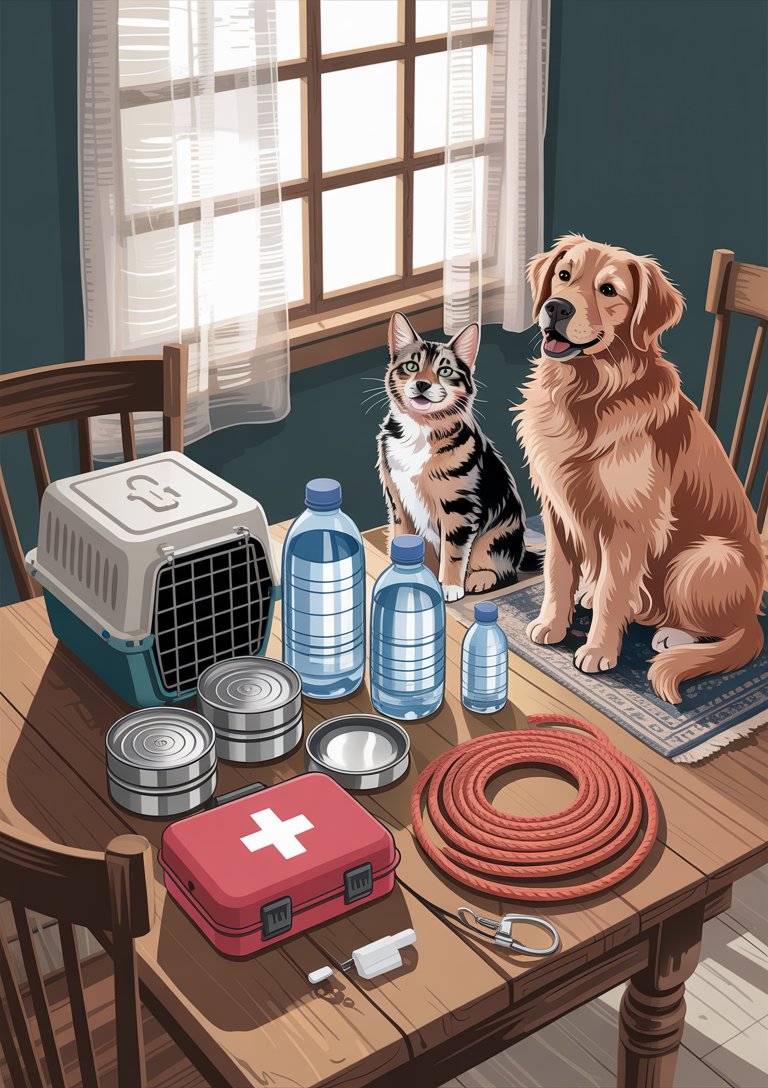
- Food and Water: Prepare at least seven days’ worth of pet food and keep plenty of bottled water.
- Medications: Aim for a 30-day supply if possible. Keep them in a watertight container.
- Comfort Items: Blankets, toys, or a favorite pillow can keep your pet’s stress down.
- Sanitation Supplies: Puppy pads, waste bags, litter, or disposable cardboard trays for cats.
Lightweight Evacuation Kit
The “go-bag” version of your pet’s emergency gear should be easy to carry at a moment’s notice:
- Collapsible Bowls for food and water.
- A Small Supply of Food: Enough for a few days, plus some treats.
- Medicine Essentials like a smaller stash of pills or first aid items.
- Paperwork Copies: Vaccination records, vet contact info, microchip numbers.
- Leash or Carrier: Sturdy enough to handle a panicked pet.
Below is a quick-reference table summarizing what you’ll want in each type of kit:
| Item | Purpose | Remember to Check |
|---|---|---|
| Non-Perishable Pet Food | Provides reliable meals | Replace before expiration |
| Bottled Water | Ensures clean hydration | Rotate stock every 6-12 months |
| Medications (30 days) | Sustains necessary treatments | Check use-by dates regularly |
| Vaccine & Vet Records | Verifies health status and ID | Keep updated if your info changes |
| Collapsible Food/Water Bowls | Makes feeding simpler on the go | Test them for leaks or damage |
| Leash/Carrier | Safeguards pet during evacuation | Practice and ensure proper fit |
| Comfort Items (Blanket, Toy) | Reduces stress and anxiety | Keep them washed or odor-free |
| Waste Bags/Litter | Manages sanitation needs | Store in a waterproof container |
Regularly review and refresh these supplies, especially food and medications, because stale items won’t help you or your pet in an actual emergency.
Prepare Your First Aid Essentials
When the ground shakes, falling objects and broken glass can injure pets. The good news is that including a pet first aid kit in your overall plan helps address minor wounds until you can reach a vet. According to The Vets, essential first aid supplies include absorbent gauze pads, alcohol wipes, and antibiotic ointment. You want to be able to handle small injuries or scrapes quickly so they don’t worsen.
What to Include
- Basic Wound Care: Sterile gauze, bandaging material, non-stick pads.
- Cleansing Supplies: Alcohol wipes or antiseptic solution for post-quake scrapes.
- Medications: Pain relief (only if prescribed by your vet), antibiotic ointment.
- Tools: Tweezers, blunt scissors, digital thermometer.
For a comprehensive breakdown of supplies, you can also visit our pet first aid kit list. Every item matters when your usual vet may not be immediately accessible. This is especially true if local roads are blocked or communication is down.
Keep Vet Contacts Handy
After a major earthquake, your standard clinic could be closed or overrun with demand. Research the nearest 24-hour emergency vet or animal hospital ahead of time. Jot down or store their address and phone number in your phone, plus in hard-copy form in your emergency kits. If your pet shows signs of serious injury—like heavy bleeding, difficulty breathing, or severe distress—seeking urgent veterinary care is the next step. Having that information ready eases your mind and speeds up the rescue process.
Plan Your Evacuation Strategy
Even if you typically plan to shelter in place, quakes can sometimes cause gas leaks, structural damage, or fires that force you to evacuate quickly. According to Ready.gov, pets should evacuate with you whenever local officials recommend leaving your home. This helps avoid the tragic scenario of animals being left behind in an unsafe environment.
Pet-Friendly Destinations
Not all emergency shelters allow animals, so it’s key to know your options:
- Pet-Friendly Shelters/Hotels: Contact them ahead of time, note their policies, and save them in your phone.
- Friends or Family: Ask around to see if someone can temporarily house your pet.
- Boarding Facilities: Vet clinics or kennels may offer short-term refuge, but have a backup in case they also lose power or suffer damage.
Transport Tips
- Carriers and Crates: Acclimate your pet by letting them explore the carrier weeks or months in advance. Reward them with treats so they feel secure inside.
- Leashes and Harnesses: For dogs, a sturdy leash plus a chest harness reduces the risk of slipping free. Cats often do best in a carrier, but a harness can help if you need to remove them from the enclosure briefly.
- Pack a Travel Bag: This is where your lightweight evacuation kit comes in. Keep it near your front door or in your car.
If you live in a multi-pet household, check out our quick tips in multi-pet emergency preparedness to make sure everyone has the right gear. A well-organized evacuation plan not only speeds up your departure, it keeps your pets calmer in the process.
Practice Pet Safety Drills
You might feel a little silly rehearsing for an earthquake alongside your dog or cat. But trust me, actual practice reduces panic on the day it matters most. According to the Los Angeles Times, placing your pet in a carrier during drills—at least once every few months—helps them become more comfortable with the experience.
Simple Home Drills
- Identify Safe Spots: Practice moving yourself and your pets to secure areas in your home away from windows and tall furniture.
- Carrier Time: Gently place your cat or small dog in their carrier for a few minutes. Offer treats or praise, then release them.
- Leash Drills: For dogs, attach a leash and walk them outside to a designated evacuation point.
- Practice Calm Breathing: Pets feed off your energy. If you’re calm, they’re more likely to stay composed.
Teamwork Counts
If you have family members or housemates, coordinate who takes which pet in an earthquake scenario. Creating a family pet emergency plan ensures no animal is forgotten in the rush. Each person can be responsible for grabbing a specific pet plus any needed items. This kind of teamwork helps keep an already stressful situation from spiraling into confusion.
Support Pets After The Quake
Earthquakes don’t just end after the initial tremor. Aftershocks can continue for days or even weeks. And sometimes, the emotional toll on pets can last even longer. Animals might display anxiety, clinginess, or uncharacteristic aggression. Being prepared for these post-quake responses is a big part of earthquake pet preparedness.
Reassure and Observe
- Stay Calm: Pets sense your emotions. Slow, steady breathing and positive tones can soothe them.
- Offer Familiar Comfort Items: Pull out their favorite toy or a cozy blanket to remind them of normalcy.
- Watch for Injuries: Check for cuts, limping, or signs of pain. If anything looks severe, contact your vet or an emergency clinic right away.
Potential Triggers Post-Quake
- Aftershocks: The unexpected rumble can reignite fear.
- Strange Smells or Sounds: Gas leaks, collapsed structures, or rescue equipment can disorient animals.
- Disrupted Routines: You might be staying in a temporary shelter or have limited access to your usual home comforts.
Remember, your own well-being is also part of helping your pet cope. If you’re feeling frazzled, take a few moments to gather yourself so you can guide your furry friend back to calm ground.
Maintain Your Preparedness
Being ready for an earthquake isn’t a one-and-done task. You should update your kits and plans at least once or twice a year. Over time, you might adopt new pets, move homes, or discover new local hazards. Staying flexible and current helps keep your strategy solid.
Rotate and Refresh Supplies
According to Ready.gov, pet food and medications can expire, so make sure you rotate out your stash as needed. Check everything in your kit—especially water containers—and swap out older items. If you have leftover or expired medicine, safely dispose of it following your vet’s guidance.
For more practical tips on keeping your emergency stash in good shape, visit rotating pet emergency supplies to ensure nothing goes to waste. Fresh, usable supplies can make all the difference if a quake happens unexpectedly.
Revisit Training and Drills
Pets can forget skills just like humans. A few short sessions can remind them:
- Carrier Familiarity: Keep it in plain sight. Let them sniff around it from time to time, not just when you’re heading to the vet.
- Leash Manners: If your dog is a puller, practice calm walking. This will help during a rushed evacuation.
- Obedience Commands: Basic commands like “come,” “stay,” and “wait” are incredibly useful in emergencies.
Build Community Support
Look into local pet groups or neighbor networks. Knowing who in your neighborhood also has pets can help in an earthquake scenario. You might coordinate a check-in system or exchange pet-sitting favors if someone’s away when a quake hits. Community ties mean more eyes looking out for each other—even your four-legged family members.
Frequently Overlooked Tips
Sometimes the little things can slip under the radar. Here are a few extras to keep on your list:
- Pet Anxiety Aids: Consider veterinarian-approved calming aids (pheromone sprays or anxiety jackets) if you know your pet is especially skittish.
- Keep Vaccinations Current: Disasters can create unhygienic conditions. Staying up to date on shots helps your pet fend off illness [2].
- Budget Considerations: If money is tight, homemade solutions can work well, such as using labeled plastic containers for storing supplies. For more wallet-friendly strategies, check out budget pet emergency preparedness.
- Large Animal Adjustments: If you have horses, goats, or other livestock, you’ll need separate plans, which might include specialized trailers or extra hay storage.
Pulling It All Together
At the end of the day, earthquake pet preparedness is about more than just checking boxes: it’s about safeguarding a cherished member of your family. You don’t have to do it perfectly, and you definitely don’t have to do it alone. By focusing on the basics—up-to-date identification, organized emergency kits, calm practice drills, and a well-communicated evacuation plan—you and your pets can face an earthquake with greater confidence.
If you’re ever unsure about a certain step, don’t hesitate to reach out to a trusted veterinarian or reputable reference like Ready.gov or Found Animals. We’re all in the same boat here, and every little effort boosts your family’s overall resilience.
Keep refreshing your plan, practice that carrier test a couple of times a year, and rotate your pet’s supplies whenever they’re close to expiring. It may not sound glamorous, but these small steps add up to big peace of mind when the ground starts to move. You’ve got this, and your pet is going to be so much safer for it.
When the next tremor comes along, you won’t have to scramble. Instead, you’ll say, “We’ve prepared for this, and we’re ready.” And that kind of calm is the best gift you can give both yourself and the companion who depends on you. Stay safe and remember, a little planning now means a world of relief later.