15 Pet Emergencies Every Owner Should Know
Ever feel that little surge of panic when something seems off with your pet? Believe me, you’re not alone. We’ve all been there, scanning through every possible symptom on our phone at 3 a.m., trying not to imagine the worst. That’s why understanding common pet emergencies can be a genuine lifesaver. When you recognize the signs early and know what steps to take, you’re already giving your furry friend a better chance at a swift recovery. Think of this as our supportive chat—just two friends, trading notes on how to be as prepared as possible for those unexpected moments.
And here’s the comforting part: you don’t have to tackle this alone. We’re going to walk through 15 pet emergencies every owner should know, from choking and bleeding to poisoning and even heatstroke. By the end of this, you’ll have a clearer idea of what to watch for, how to respond, and how to keep calm when everything suddenly feels chaotic. There’s no judgment here, only empathy and a friendly pat on the back because, let’s face it, we’re all doing our best to protect the creatures we love.
Feel free to take notes or bookmark this page so you can revisit it whenever you need a refresher. If you’ve ever found yourself thinking, “I wish I had an easy-to-read list of potential pet catastrophes,” then rest assured, we’ve got you covered. Consider this your guide to staying one step ahead of emergencies. Let’s dive in and shed some light on those critical warning signs.
Discover 15 Pet Emergencies
Below are 15 situations that call for urgent attention. We’ll cover what they look like, why they matter, and a few friendly suggestions on how to handle them if you ever come face-to-face with these scenarios.
1. Choking or Difficulty Breathing
When a pet struggles to breathe or makes choking sounds, it’s no trivial matter. You might notice your pet pawing at their mouth, coughing, or wheezing. Sometimes, a foreign object like a small toy or bone fragment can be lodged in the throat. Other times, swelling in the airway or an allergic reaction can trigger breathing problems.
- Symptoms: Rapid shallow breathing, gasping, or visible distress.
- Why it’s urgent: Lack of oxygen can escalate quickly and lead to serious complications or even death if not addressed.
- What to do: If you suspect choking, approach calmly—your pet is likely panicking. Check the mouth (gently and safely) for any visible obstruction. If you can’t remove it easily, get professional help immediately. Victims of severe breathing issues often need supplemental oxygen at the vet.
According to BluePearl Veterinary Partners, breathing difficulties like rapid breathing, coughing up blood, or bluish gums indicate a critical emergency that requires immediate veterinary attention. The key is to keep calm, reassure your pet, and reach out to an emergency clinic as soon as you can.
2. Severe Bleeding or Open Wounds
Sometimes, an overenthusiastic jump on a sharp fence or a sudden scuffle with another animal can leave your pet with a nasty cut. Bleeding may be external (like a gash on the leg) or internal (e.g., bleeding from the nose, gums, or other orifices).
- Symptoms: Blood that doesn’t clot, puddling on the floor, or soaking through bandages quickly.
- Why it’s urgent: Severe or uncontrolled bleeding can quickly lead to shock and cause organ failure if left untreated.
- What to do: Apply gentle pressure with a clean cloth or gauze to slow the bleeding. Keep your pet as still as possible, because movement can increase blood flow. If the bleeding doesn’t improve within a few minutes, it’s time for the vet. Even moderate bleeding could signify a deeper wound or internal trauma that needs professional care.
Prompt action here is critical. According to LA Animal Specialty Emergency & Rehabilitation, severe bleeding ranks among the top emergencies. Remember, a calm pet is easier to help, so keep your voice soft and soothing.
3. Eye Injuries
Eye injuries can happen when your dog charges through dense bushes or your cat misjudges a high leap and collides with a corner. Signs of trouble might include redness, swelling, discharge, or your pet pawing at the eye.
- Symptoms: Excessive tearing, cloudy or dull appearance of the eye, squinting, or rubbing the face on the ground.
- Why it’s urgent: Eye damage can escalate quickly. Delaying treatment risks permanent vision loss or even the loss of the eye entirely if the injury is severe.
- What to do: Try to keep your pet from scratching or rubbing the injured eye. If there’s debris (like grass seeds) visible on the surface, you can gently rinse with sterile saline, but do not pry the eyelid open if it’s swollen shut. Seek veterinary attention ASAP. Eye problems are best treated early.
It’s normal for pets to resist having their eyes touched, so approach with caution. If your furry friend is too distressed, avoid forcing any rinses and head straight to a professional.
4. Severe or Repeated Vomiting
Pets vomit now and then, and sometimes it’s just a harmless upset tummy. But repeated or severe vomiting, especially when tinged with blood or accompanied by lethargy, is a red flag. This could suggest something like a lodged foreign object or a more serious condition such as pancreatitis.
- Symptoms: Frequent retching, inability to keep liquids down, blood in the vomit, or a pet who simply won’t move or eat.
- Why it’s urgent: Chronic vomiting can quickly lead to dehydration and electrolyte imbalances, making it tough for your pet’s body to function.
- What to do: If you see repeated vomiting or suspect your pet swallowed something dangerous, call your vet. Keep water available, but don’t force your pet to drink immediately after vomiting—it might induce another episode.
BluePearl Veterinary Partners highlights that vomiting can be life-threatening if there’s blood or a foreign object involved, or if your pet acts especially weak. A short wait might be okay for a single, mild case. Multiple episodes in a row, though, means a vet trip is in order.
5. Severe Diarrhea or Dehydration
We all understand that an occasional upset belly can happen to our pets. But, when diarrhea is severe, happens repeatedly, or contains blood, it’s time to sit up and pay attention. Dehydration comes on fast, especially in smaller animals.
- Symptoms: Loose, watery stool, often multiple times in a short span. Signs of dehydration might include a dry mouth, sunken eyes, or lethargy.
- Why it’s urgent: Prolonged diarrhea leads to loss of fluids and key nutrients your pet needs to stay healthy. With dehydration, everything from blood pressure to organ function can be compromised.
- What to do: Stop feeding your pet rich or table foods. Keep a steady supply of fresh water around. If the diarrhea continues for more than a few hours or is accompanied by repeated vomiting, your vet can help determine the cause and possibly administer IV fluids.
Again, BluePearl Veterinary Partners highlights that severe diarrhea can be an emergency if accompanied by blood, vomiting, or other distress. Don’t wait until your pet is too weak. Early intervention prevents bigger issues down the road.
6. Urinary Blockage or Inability to Urinate
If you notice your pet straining but not actually releasing urine, or worse, crying out in pain when trying to go, that could indicate a serious blockage. These often occur in male cats but can affect any animal if underlying conditions like urinary stones or infections are present.
- Symptoms: Frequent squatting with minimal urine production, blood in the urine, or whimpering while attempting to urinate. You might see your pet licking the genital area excessively.
- Why it’s urgent: A urinary blockage can damage kidney function and, in extreme cases, cause bladder rupture. Waiting too long can be life-threatening.
- What to do: Look for signs of discomfort. If your pet seems restless or distressed after failed attempts to urinate, call your vet immediately. Your furry friend may need emergency surgery or a catheter to clear the obstruction.
According to BluePearl Veterinary Partners, a blocked urinary tract is a critical condition. Time is of the essence here, so it’s wise not to delay even if the symptoms seem mild at first.
7. Seizures
Seizures can vary from mild twitching or drooling to full-blown convulsions where your pet collapses and loses control of bodily functions. They might last mere seconds or continue for several minutes.
- Symptoms: Uncontrollable shaking, stiffening, loss of consciousness, drooling, or repeated blinking. Your pet may appear disoriented following the episode.
- Why it’s urgent: Frequent or extended seizures without full recovery between them can indicate a larger neurological problem. In some cases, seizures can trigger dangerous body temperature spikes and oxygen deprivation.
- What to do: Clear the area around your pet so they don’t harm themselves on furniture or sharp edges. Don’t try to restrain them. Observe how long the seizure lasts—then call your vet. If the seizure goes on for longer than a few minutes, it’s time for immediate medical attention.
Look for clusters of seizures happening one after another, or seizures paired with difficulty breathing. BluePearl Veterinary Partners stresses that these scenarios warrant an emergency visit. Even if your pet recovers quickly, a vet can help figure out the trigger.
8. Gastric Dilatation and Volvulus (Bloat)
Large, deep-chested dogs (Great Danes, Weimaraners, Boxers) are especially prone to bloat, a condition where the stomach suddenly fills with gas and may twist on itself. This twisting, called volvulus, traps gas and blood flow, creating a dangerously rapid health spiral.
- Symptoms: A swollen, hard belly, retching without producing vomit, distress, and pacing. Some dogs look like they’re trying to vomit but can’t.
- Why it’s urgent: Blood circulation to the stomach and other organs can be cut off. Left untreated, GDV can lead to death within hours.
- What to do: If your dog shows any signs of a distended abdomen or relentless retching, seek emergency care right away. Surgery is often needed to untwist the stomach and secure it to prevent a recurrence.
Experts at BluePearl Veterinary Partners confirm bloat is a critical emergency requiring prompt surgery. Make sure to feed your pet smaller, more frequent meals if they’re at higher risk, and avoid intense exercise immediately after a big meal.
9. Poisoning and Toxic Ingestion
From chocolate and grapes to household cleaners and prescription meds, pets can ingest all sorts of hazards. According to certain studies, thousands of pets end up in emergency rooms each year due to accidental poisoning. Curious cats and dogs might nibble on anything within paw’s reach.
- Symptoms: Drooling, vomiting, diarrhea, agitation, tremors, or even collapse. Some toxins cause changes in heart rate or breathing patterns.
- Why it’s urgent: Certain substances or foods can be violently toxic. Delaying treatment might mean irreversible organ damage.
- What to do: Contact your vet immediately if you suspect poisoning. If your pet ate something you have the container for, bring it along so the vet knows exactly what they’re dealing with. You may also call a poison control hotline for guidance on first-aid steps.
Remember to regularly pet-proof your home. If you’re unsure which foods are off-limits, check out toxic foods for pets to see a list of common culprits. Vigilance truly pays off here.
10. Trauma-Related Injuries
Trauma can range from car accidents to falling off a high ledge. On the surface, your pet might appear relatively okay, but internal injuries can linger undetected. Adrenaline often masks pain, so early signs of shock or internal bleeding might be subtle.
- Symptoms: Limping, swelling, difficulty standing, whimpering, or obvious fractures. Your pet might act disoriented, faint, or overly quiet.
- Why it’s urgent: Internal bleeding, fractures, or organ damage can progress quickly if left unchecked. Time can mean the difference between a successful recovery and severe complications.
- What to do: Move your pet as gently as possible onto a firm surface if you suspect broken bones. Keep them warm and get straight to a vet. Even if the injury appears minor, a professional exam is essential.
According to BluePearl Veterinary Partners, trauma tops the list of reasons pets end up in emergency rooms. It’s better to be safe than sorry. Prompt evaluation prevents small problems from turning into major issues.
11. Heatstroke
The sun’s out, and your dog wants to lounge in the yard all day. But when temperatures soar, it’s a recipe for heatstroke. Flat-faced breeds like pugs and boxers are more susceptible, but any pet can get overheated if they’re left in a scorching environment without shade or water.
- Symptoms: Excessive panting, drooling, bright red gums, staggering, and collapse. Body temperature can shoot above normal, leading to organ dysfunction.
- Why it’s urgent: Heatstroke escalates dangerously fast, possibly resulting in seizures or cardiac arrest.
- What to do: Move your pet to a cool or shaded area. Wet them down with lukewarm water (not ice-cold) and direct a fan on them if possible. Offer small sips of water but don’t let them gulp too fast. A vet check is crucial, even if your pet seems to recover, because complications can pop up hours later.
BluePearl Veterinary Partners notes that heatstroke can be lethal if ignored. Prevention is best: never leave pets in hot cars, and always provide water and shade. For more tips on dealing with temperature extremes, you might peek at heatwave pet safety.
12. Foreign Object Obstruction
We’ve all caught our dogs chomping on socks or random bits of plastic at one time or another. Sometimes these objects pass naturally, but other times they lodge in the throat, stomach, or intestines, causing blockages.
- Symptoms: Persistent gagging, loss of appetite, vomiting, or straining during bowel movements. In some cases, your pet may drool excessively or pace in discomfort.
- Why it’s urgent: An unchecked obstruction can lead to tears in the intestinal tract, severe pain, and life-threatening infections.
- What to do: If you suspect your pet has swallowed a foreign object, watch for signs of distress. Consult your vet. X-rays or an ultrasound can confirm the obstruction. Surgical or endoscopic removal might be needed.
The team at BluePearl Veterinary Partners mentions a range of items removing from pets’ stomachs, from toys to household items. Try to keep small objects off the floor and consider using “pet-safe zones” at home.
13. Allergic Reactions
Allergies aren’t just for people. Pets can react badly to insect stings, certain foods, or environmental triggers like pollen. While some reactions are mild (itchiness or sneezing), others can be life-threatening, involving swelling of the face, throat, or airway.
- Symptoms: Hives or raised bumps, swelling around the muzzle or eyes, excessive scratching, labored breathing, or vomiting.
- Why it’s urgent: Severe allergic reactions can close off airways. Watch especially for facial swelling and respiratory distress.
- What to do: Call your vet at the first sign of a serious reaction. They might recommend an over-the-counter antihistamine in some mild instances, but always consult a professional before medicating your pet.
Allergic reactions can come on fast. Even if your pet has never shown signs of allergy before, it’s still possible to develop a sudden response. Keep a close eye on your furry friend whenever they’re introduced to something new, whether it’s a treat or a new environment.
14. Collapse or Unresponsiveness
If your pet suddenly collapses or loses consciousness, it’s a frightening sight. Various factors can cause this, from low blood sugar (common in very young or diabetic pets) to heart issues and neurological conditions.
- Symptoms: A sudden drop to the ground, inability to stand, little or no response to your voice, or abnormal breathing patterns.
- Why it’s urgent: Collapsing can be a sign of heart failure, shock, or severe metabolic problems. Immediate medical intervention could save your pet’s life.
- What to do: Check if your pet is breathing and note how quickly. Attempt to keep them warm (unless you suspect heat exhaustion) and rush to an emergency clinic. If your pet stops breathing altogether, ask your vet about safe at-home CPR guidelines until you can get professional help.
Knowing basic first aid is a huge help for emergencies like these. Consider downloading or printing out a pet CPR guide and storing it in an easy-to-find location. Of course, a call to your vet or a 24-hour emergency clinic should be near the top of your list.
15. Possible Infectious Disease or Unknown Severe Illness
Last but not least are the mystery illnesses. Your pet might behave strangely, refuse to eat, or develop a sudden fever. They could have been exposed to wildlife or stray animals, increasing the risk of contagious diseases. In some cases, you’ll spot a runny nose, cough, or clouded eyes.
- Symptoms: Persistent lethargy, high fever, unusual discharges, coughing, or sneezing fits. You might see behavioral changes like hiding, aggression, or confusion.
- Why it’s urgent: Many infectious diseases (including certain viruses or bacterial infections) can worsen rapidly, spreading through the bloodstream or affecting vital organs.
- What to do: If your pet shows concerning symptoms longer than a day or two—or if they seem to deteriorate quickly—reach out to your vet. They might run tests like bloodwork or X-rays to pinpoint the cause.
Keeping up-to-date on vaccines and avoiding contact with stray animals can help reduce infection risks. When traveling or moving to a new environment, do a quick check of local pet disease concerns at Ready.gov.
Prepare for the Unexpected
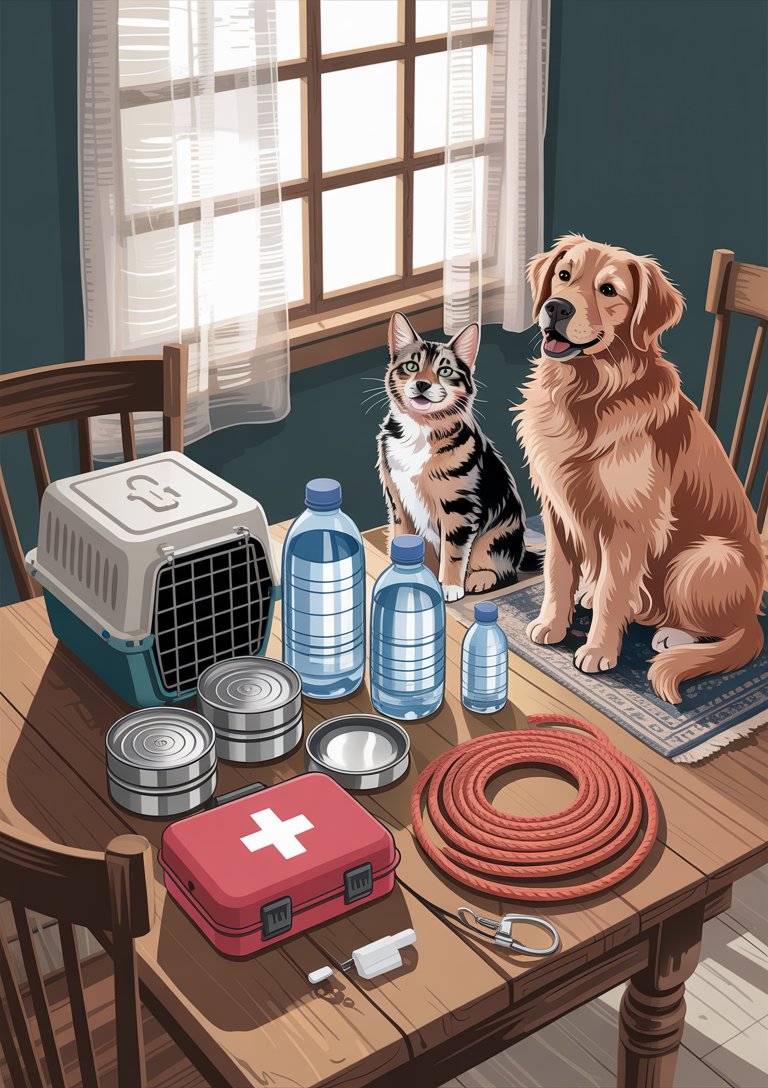
Emergencies are a part of life, but planning for them can make all the difference. One of the best ways to handle these scenarios is to assemble a solid preparedness plan. Gather essentials like food, water, medications, and important records in a pet emergency kit so you’re not scrambling at the last minute. If you’re not sure what to include, you can check out our pet first aid kit list for a handy reference.
Some people aim to create two kits: a home-based kit and a lightweight evacuation kit. That idea lines up with advice from Ready.gov and the CDC, which emphasize having supplies on hand for both sheltering in place and last-minute evacuations. If you anticipate possible evacuations (like during storms or wildfires), you might also find pet evacuation planning helpful.
It might feel a bit over-the-top to keep carriers near the front door or to run “practice evacuations” with your pets, but trust me, those small preparations spare you a ton of stress if disaster strikes. We’re talking about peace of mind. It’s not just about major disasters either—something as simple as a sudden household emergency can leave you pressed for time, and that’s when an organized kit and a clear plan pay off.
Keep Your Vet in the Loop
You might have a fantastic family vet who knows your pet’s quirks and past medical issues. If so, that connection is gold. Keep their phone number in a visible spot (or saved in your phone). Sometimes, in the moment, you don’t have time to hunt down contact info. It’s also wise to know the location and phone number of the nearest 24-hour emergency clinic. Minutes can matter.
Plus, even if you feel you’ve managed an emergency at home—like stopping a minor bleed or comforting your pet after they coughed up some odd object—your vet might catch lurking complications. Many injuries or poisonings have hidden dangers that pop up later.
Don’t hesitate to ask questions. If you’re worried about a symptom that might seem minor (like a mild limp or one-time vomit), a quick phone call could verify whether it’s something to monitor or something to treat ASAP. And if your pet absolutely despises the vet’s office, see if you can acclimate them to shorter rides and visits. Reducing a pet’s stress can lower your anxiety too.
Proactive Measures to Reduce Emergencies
No one can prevent all accidents, but we can lower the odds. Here are some quick tips:
- Regular Checkups: Routine exams catch potential issues early, from heart murmurs to early-onset dental trouble.
- Vaccinations: Protect your pet from preventable diseases, especially if you travel or visit parks with lots of animals.
- Microchipping: Ensures you can be reunited if you’re separated during an emergency. Keeping collars, tags, and contact info up to date is equally important, as emphasized by the CDC.
- Pet-Proofing: Store chemicals and medications out of reach, and keep an eye on items that could be chewed and swallowed.
- Training Commands: Teaching emergency commands like “Come,” “Stay,” and “Drop it” can save your pet from ingesting something harmful or darting away in a panic. You might want to explore emergency training commands pets for more helpful pointers.
Start small if it feels overwhelming. Tackle one step a week—installing a baby gate, buying a collapsible water bowl, or updating your pet’s ID tags. Every effort counts and gives you that extra layer of security.
Emotional Readiness for Emergencies
Let’s face it: our emotions run high when our beloved companions are in trouble. You might feel panicked, fragile, or even guilty that you didn’t see the warning signs sooner. Those feelings are normal. Here’s what helps:
- Take Deep Breaths: Stay clear-headed. Panicking only intensifies your pet’s anxiety.
- Give Reassurance: A familiar voice and gentle touch can calm an injured or stressed pet.
- Accept Help: Whether from a neighbor who drives you to the vet or a friend who stays on the phone, saying yes to assistance can relieve overwhelm.
Make sure you also look after yourself once the crisis has passed. Talking to other pet owners—like a friend or in an online group—can help lighten the emotional load. We’ve all experienced that flood of relief when a pet recovers, as well as the stress that lingers when they don’t. Either way, you’re not alone in the rollercoaster ride of feelings that come with being a devoted pet parent.
One Step at a Time
If there’s one takeaway here, it’s that knowledge is power. The more you know about potential pet emergencies, the faster you can respond. Not every scenario will demand an all-out scramble to the ER, but being equipped with the basics—where to go, whom to call, what to do in the meantime—offers immense peace of mind.
Whenever you find yourself questioning a weird symptom, it usually doesn’t hurt to be cautious and consult a vet. Your instincts can be surprisingly accurate: if your gut says something’s wrong, trust that nudge. Let’s keep reminding ourselves: we’re in this together, figuring out how to protect and care for the adorable creatures who bring so much joy to our lives.
If you share your home with multiple pets, each might have different risk factors and personalities. Consider checking out multi pet emergency preparedness for tips on handling combined planning. And if you have a particularly adventurous cat who loves scaling high shelves, or a senior dog with chronic issues, you might need to tailor an emergency plan just for them. Every small tweak in your routine—like securing harmful objects or scheduling extra wellness checks—reduces the likelihood of an unexpected crisis.
Stay Prepared and Confident
Emergencies can catch any of us off guard, but being ready doesn’t mean living in fear. Instead, it’s about carrying a quiet confidence that if something happens—like choking, heatstroke, or a broken bone—you already know the first steps to take. It’s like having a mental toolkit at the ready.
And here’s a friendly reminder: progress is always in small steps. No pet owner is perfect, and surprises will still pop up. But armed with your new insights about these 15 common pet emergencies, you’re miles ahead of where you used to be. Your furry companions don’t expect perfection; they just need you to stay calm, love them deeply, and step in when they’re at their most vulnerable.
If you’re now feeling inspired to put together a full-proof plan, consider taking a peek at pet emergency medical preparedness. From stocking medications to knowing when to consult a professional, it’s all part of the bigger safety net you’re creating. You’ve got this. And any time the unexpected threatens to derail your day, remember: you’re not alone. We’re all in the same boat, rooting for each other and our pets. So breathe, trust your instincts, and know that a swift, steady approach can make a world of difference when it matters most. Go ahead and give your pet a gentle pat from me—you’ve both earned it.