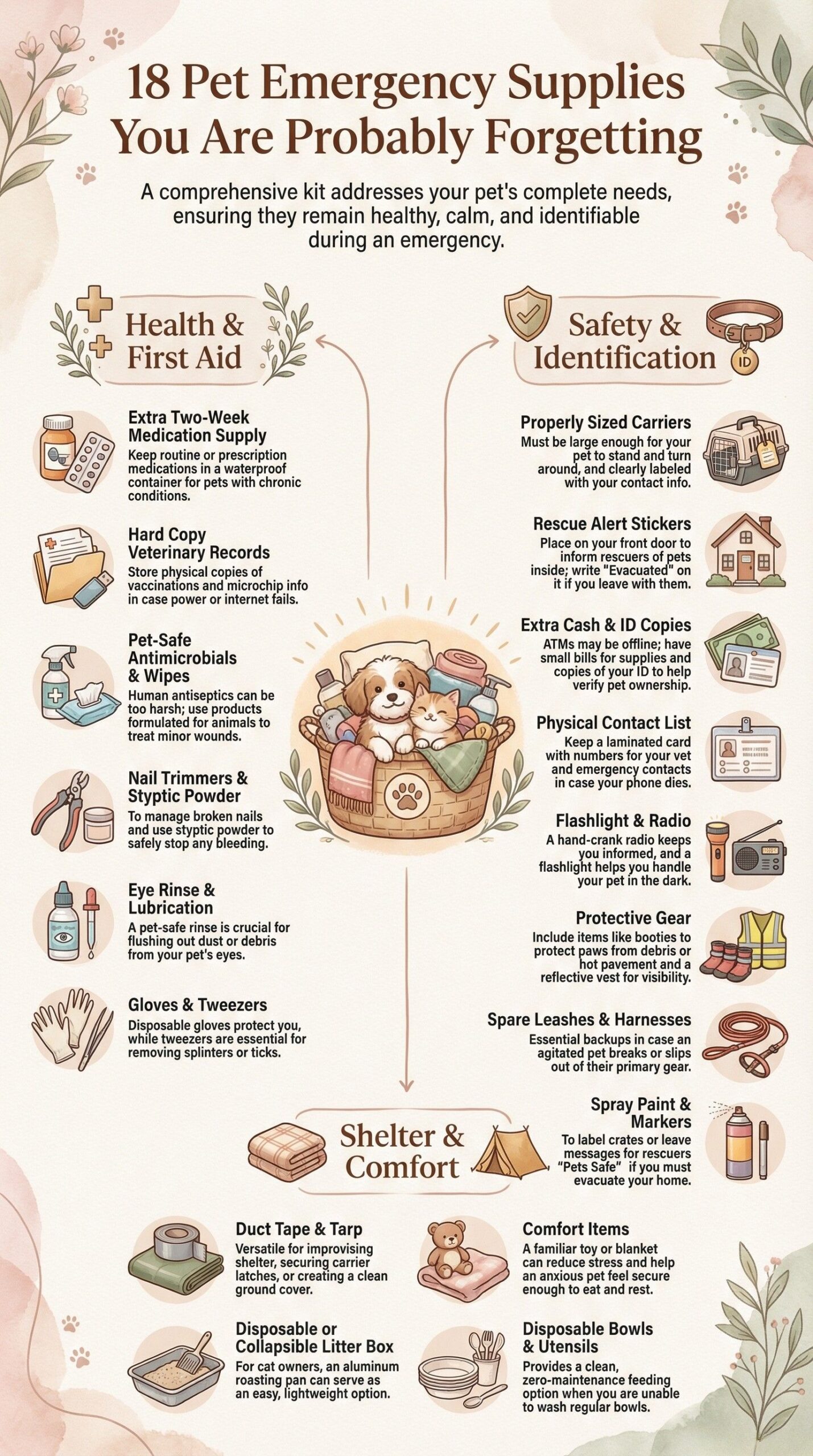
18 Pet Emergency Supplies You Are Probably Forgetting
You know the drill: when building a pet emergency kit, you typically grab food, water, and maybe a first-aid kit.
But there are so many forgotten pet emergency supplies that can make or break your ability to keep your furry family members safe and comfy during a crisis. We’ve all been there, throwing things together at the last minute, hoping we haven’t skipped anything crucial.
The truth is, emergencies don’t tend to wait until you have it all perfectly sorted out. Sometimes you need to leave home in a flash, and other times you’re stuck indoors without power. Either way, if you’re missing essential items, it can leave you (and your pet) in a pretty stressful spot.
That’s why we’re doing a deep dive into 18 overlooked things you really should keep in your pet’s emergency kit.
Consider these items an add-on to all the basics you’re probably already aware of, like a leash, collapsible bowls, and enough food for three days.
Recommendations from organizations like Ready.gov, the Centers for Disease Control and Prevention (CDC), and the American Public Health Association all emphasize thorough planning. They note that an emergency might force you to stay away from home for weeks or require you to shelter in place, so a well-stocked kit is a must.
Think of it this way: if you’re getting ready for a worst-case scenario, you might as well do it once and do it right.
Let’s walk through the 18 supplies you might be forgetting, so you can keep your furry loved ones comfortable, protected, and as calm as possible when things get shaky.
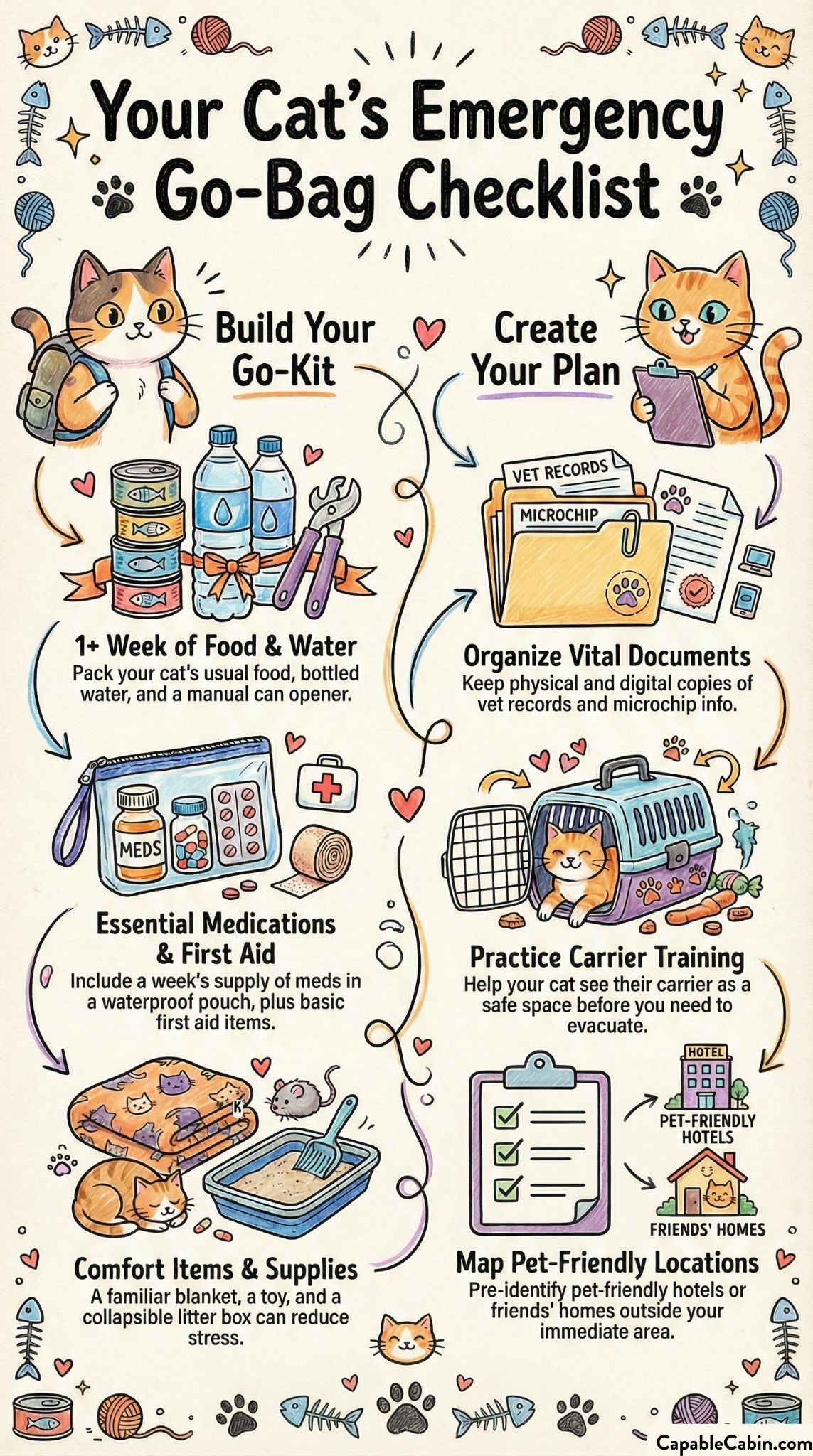
1. Extra Two-Week Medications
Even if you’re certain you have your pet’s meds on hand, it pays to stash an additional two-week supply in your emergency kit. According to Best Friends [1], having at least two weeks’ worth of any prescription or routine medication ensures you won’t get caught short if you’re away from home longer than expected. This is especially crucial for pets with chronic conditions such as diabetes or heart issues.
- While most people remember to bring their pet’s daily pills for a quick trip, you could be stuck in an evacuation center for a while.
- Make sure your stash is stored in a waterproof, airtight container.
- Rotate these medications regularly, checking expiration dates and preserving freshness [2].
By packing these prescriptions ahead of time, you’re preventing any frantic calls to an out-of-town vet or attempts to refill at locations where you’re not even sure they stock your exact meds.
2. Hard Copy Vet Records
Digital records are great, but in an emergency, you might lose power or internet access. Having a physical copy of your pet’s vaccination records, microchip info, and any other relevant medical details is a huge relief. If you need to board your pet at a shelter or safe haven that requires vaccination proof, you’ll have immediate access to everything.
- Make extra copies and tuck them in a waterproof folder.
- Include your pet’s microchip information and a recent photo.
- Keep contact details for your local vet as well as emergency vets in the surrounding areas.
Some organizations, including the ASPCA [3], recommend placing these documents in your house near the front door, making them easy to grab on your way out if you must exit in a hurry.
3. Properly Sized Carriers
It’s easy to forget or underestimate how stressful tight, uncomfortable carriers can be for your pets. If there’s even a small chance you’ll need to evacuate, invest in carriers that allow your animals to stand, turn around, and lie down comfortably. According to Best Friends [1], labeled carriers with your phone number and your pet’s name can help avoid panic if you get separated.
- For smaller animals, a collapsible crate might be easy to stash in your trunk.
- Make sure each pet has its own dedicated carrier or crate, especially if you have multiple pets with different sizes and temperaments [4].
- Store carriers in an accessible spot, ideally near your typical exit route.
You wouldn’t cram your family members in a tight space during a crisis, so show your pets that same kindness and give them a roomy, secure place to hide out.
4. Rescue Alert Sticker
A rescue alert sticker on your front door or window might sound like a small detail, but it can literally save lives. The American Red Cross suggests including the types and number of pets in your home, plus the name and number of your veterinarian, so rescue workers immediately know who’s inside [5].
- Keep the sticker visible at eye level.
- If you evacuate with your pets, write “Evacuated” on the sticker so first responders know they aren’t inside.
- Replace or update the sticker if it starts to peel or becomes illegible.
A few minutes of prep can prevent first responders from searching for animals that aren’t there—or, conversely, neglecting animals because they didn’t know they existed.
5. Extra Cash And ID Copies
Ever notice how, during emergencies, ATMs might be offline or businesses temporarily go cash-only? Having extra cash can cover unexpected fees or emergency boarding situations. Along with money, keep a photocopy of your ID in a sealed bag. This can prove invaluable if you need to fill out paperwork or verify yourself as the pet owner.
- Small denominations (fives, tens, and twenties) are most versatile.
- If possible, keep your bills in a separate place from your wallet in case you lose one or the other.
- Having scanned or photocopied versions of your ID, including a passport or driver’s license, offers a backup if the originals get misplaced.
It might feel a bit overkill, but let’s be honest, rummaging around for loose change might be the last thing you want to worry about if you suddenly find yourself at a hotel that doesn’t accept cards.
6. Pet-Safe Antimicrobials And Wipes
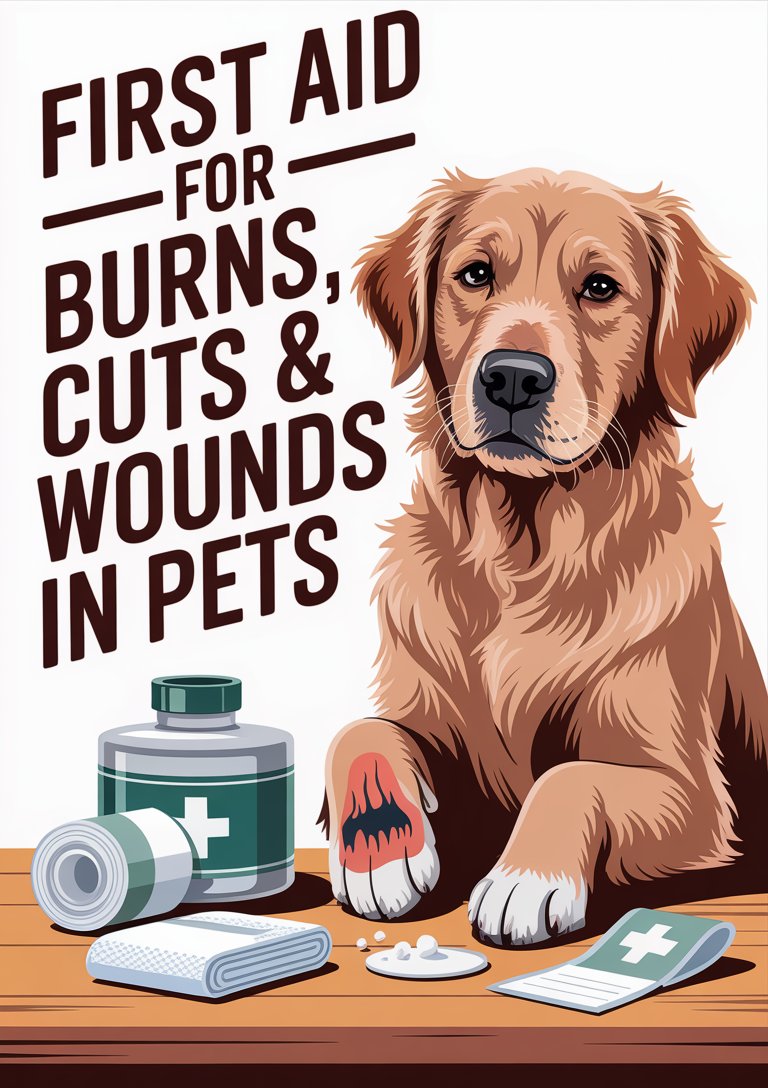
A regular first-aid kit might have bandages, but if you’re missing pet-safe wound cleansers, you’re not really ready. According to PetMD, having antimicrobial wipes or sprays formulated for animal use is crucial for handling minor cuts, scrapes, or irritations [6].
- Look for products specifically labeled for pets. Human-grade antiseptics can sometimes be too harsh.
- Include extra gloves (rubber or latex) and an assortment of gauze and bandages.
- Rotate out old or expired products every few months.
When you’re stuck in a situation where professional care isn’t immediately accessible, a quick saline rinse or antimicrobial wipe can reduce the risk of infection until you can reach a vet.
7. Critical Contact Information List
It’s not enough to rely on your phone’s contact list, especially if your phone’s battery drains or you can’t charge it. Jot down the following on a laminated card or put it in a small waterproof notebook:
- Your veterinarian’s phone number and address
- The nearest 24-hour emergency vet hospital
- Animal shelters or pet-friendly lodging options
- The Pet Poison Helpline [7]
Also, store some out-of-state contacts. In large-scale disasters, local cell towers can be overloaded or knocked out, making long-distance lines easier to connect. A phone number scrawled on a piece of paper might not look glamorous, but it can be a lifesaver.
8. Battery-Powered Flashlight And Radio
You might have a flashlight for yourself, but what if it fails and you need an extra one specifically for dealing with your pet’s stuff (like setting up crates in the dark)? A simple battery-powered flashlight, plus a battery-powered or hand-crank radio, keeps you informed and able to navigate unfamiliar territory.
- Pack extra batteries (in a moisture-resistant bag) or consider a solar-powered charger if you can.
- Choose a flashlight that’s lightweight and easy to use if you’re juggling a wriggling pet.
- Small headlamps can also be useful, leaving your hands free for pet handling.
Staying aware of weather updates or evacuation orders via radio helps you make informed, last-second calls.
9. Duct Tape And Tarp
We’ve all teased duct tape for being a “fix-all,” but in a pinch, it really can do wonders. According to the ASPCA [3], items like tarps, rope, and heavy-duty tape are vital if you need to improvise shelter.
- A tarp can double as a temporary roof, ground cover, or even a makeshift barrier to section off spaces for your pet.
- Use duct tape to secure loose carrier latches or patch up minor leaks.
- In windy conditions, a tarp anchored with rope or weighted items becomes a protective shield.
You may not need a full-blown pop-up tent, but a tarp is easy to fold, lightweight, and super flexible in its uses.
10. Disposable Or Collapsible Litter Box
For cat owners, a disposable or collapsible litter box is one of the top items that gets overlooked. Let’s say you’re stuck in a hotel or someone else’s house, away from your tried-and-true litter area. Having a lightweight, space-saving option in your emergency kit spares you the hassle of messy improvisations.
- Stock some extra litter in a sealed bag to prevent moisture.
- Consider an aluminum roasting pan as a super-cheap, disposable solution.
- Replace the pan or box once it starts to wear down.
No one wants to hunt for a store selling litter boxes in the middle of a crisis. By planning ahead, you keep your cat comfortable and avoid unsanitary issues in a temporary spot.
11. Protective Pet Clothing Or Gear
Maybe you think your dog doesn’t need a poncho, or your cat hates wearing anything, period. But in severe weather, protective gear (like reflective vests, booties, or a lightweight jacket) can keep your pet warm, dry, and easier to spot in crowded or dark areas. This can be particularly important in cold climates or during storms.
- Reflective gear is a nice extra if you’re out after dark and your pet spooks.
- Booties protect paws from broken glass, sharp debris, or hot pavement.
- Make sure you’ve tried the clothing on your pet beforehand so they don’t panic if you pop it on them during evacuation.
It might feel a touch silly, but better safe than sorry. Injuries from rough terrain can create big complications.
12. Familiar Comfort Items And Toys
In the midst of chaos, a familiar plush toy or blanket can have an almost magical calming effect on your pet. The Aztec Pet Hospital [8] suggests packing a favorite blanket or comfort article to help reduce stress.
- Scent is a big deal to pets—it reminds them of home and security.
- A well-loved toy can make an unfamiliar environment a bit more bearable.
- Avoid packing too many plush favorites. Just choose one or two that truly help your pet relax.
Stress can make pets skip meals or become jittery, so these small items can encourage them to feel safe enough to eat, drink, and rest.
13. Nail Trimmers And Styptic Powder
You might not think about grooming in an emergency, but a broken or painfully overgrown nail can quickly become a big problem. PetMD recommends having nail trimmers and styptic powder on hand to stop bleeding if you clip too close to the quick [6].
- Blunt-tipped scissors or clippers help trim a dangling nail or cut away small matting around the paw.
- Styptic powder stops minor bleeding on contact.
- If you’ve never trimmed your pet’s nails before, consider practicing in advance or asking your vet for a quick tutorial.
Something as simple as a ragged nail can turn into a health issue if it catches on something, so it’s wise to keep these basic grooming supplies ready.
14. Eye Rinse And Lubrication
Eye injuries happen surprisingly fast—think dust or debris flying around during storms, or even mild irritants at an evacuation center. According to PetMD [6], a pet-safe eye rinse can flush out small foreign particles, and a lubricating gel can soothe dryness.
- Stick to veterinarian-approved eye care products.
- Don’t force your pet’s eye open if they’re extremely resistant, as you might worsen an abrasion.
- If itching or redness persists, seek professional help as soon as possible.
Balancing safety and thoroughness is key here. A gentle rinse can clear the area until you can get a vet’s opinion.
15. Disposable Gloves And Tweezers
When handling wounds or any bodily fluids, disposable gloves protect you and your pet. Tweezers help remove splinters, ticks, or small bits of debris that could lead to infection.
- Choose tweezers with a good grip; dull tweezers can slip and stress out your pet.
- Keep a small flashlight handy to help you spot tiny objects or pests.
- Dispose of gloves properly if they’ve come into contact with blood or other fluids.
Since disasters often lead to messy environments, you might be dealing with unfamiliar hazards. Taking a few seconds to glove up and use the right tool is always worth it.
16. Disposable Bowls And Utensils
Collapsible bowls are fabulous for travel, but disposable bowls can come in handy if you need something quick, clean, and zero-maintenance. Maybe you stop by an impromptu evacuation center, share space with other evacuees, or simply run out of ways to wash your collapsible bowl.
- Stock a few biodegradable bowls to reduce environmental impact.
- Keep plastic utensils in a sealed bag, which can help in handling wet food without cross-contamination.
- Replace them if they get dirty or their packaging breaks.
Having multiple feeding and water options never hurts. Plus, if you end up helping someone else’s pet, you can avoid cross-contact by using a fresh bowl.
17. Extra Leashes, Harnesses, Or Collars
It sounds basic, but you’d be amazed at how often a leash breaks or a collar slips off when your pet is agitated. The American Public Health Association [9] recommends bringing a separate cage for each pet, plus spare leashes or harnesses. Stress can make normally calm pets lunge or tug harder than usual.
- Avoid last-minute rummaging by labeling your spare gear with your pet’s name.
- Consider reflective or brightly colored leashes, so others can see you more easily in low light.
- If you’re traveling with multiple pets, store each harness in a ziplock bag labeled with that pet’s name.
Even if you think your dog is well-trained, an emergency scenario can rattle them. A backup leash or collar can be a real lifesaver.
18. Spray Paint And Marker
This might sound totally random—until you’re in a situation where you need to leave a message or label an area quickly. The ASPCA also mentions spray paint and permanent markers as part of a robust emergency kit [3].
- Use spray paint or a bold marker to post instructions if you vacate your home, like “Evacuated—Pets Safe” on a visible wall.
- Mark your pet’s name and your phone number on crates or carriers if labels fall off.
- Leave notes for rescue workers in a pinch.
It’s one of those supplies you hope you’ll never need, but if you do, having easy, quick communication methods can ease a lot of confusion in a hectic environment.
Wrapping It All Up
Emergencies strike fast and can leave you feeling like you’re grappling with a million loose ends. That’s why it’s so important to gather not only the usual stuff but also these lesser-known and often forgotten pet emergency supplies. By preparing them ahead of time, you can stroll out the door (or bunker down at home) knowing that you’ve tackled the little details that keep your furry friend safe and comfortable.
Everyone’s situation is unique—maybe you live in a flood-prone area or have exotic pets [10], or perhaps you share a small apartment with multiple pets [11]. Whatever the case, these 18 items give you a well-rounded approach to dealing with unpredictability. You can also adapt your kit year-round, checking expiration dates, rotating medications [2], and making sure harnesses still fit your growing or senior animals [12].
Think of it like gifting yourself peace of mind: if the worst happens, you’ll be prepared to support your pet’s needs without scrambling at the last second. We’re all in this together, and a bit of foresight goes a long way toward making an upheaval feel more manageable. So go ahead, start gathering these overlooked items now, and keep them in a safe, accessible spot. Even on those days when you’re convinced “it won’t happen here,” you’ll rest easier knowing that if it does, you’re ready—no last-minute panic required. Stay safe, keep each other in mind, and lean on this list whenever you need a quick reminder that you’ve got everything under control.