Creating Multiple Income Streams to Boost Emergency Savings
If you’ve ever lay in bed late at night, wondering how you’d handle a sudden financial surprise, you’re not alone. Creating a multiple income emergency fund can be a powerful step toward building a safety net that cushions you in uncertain moments. As someone who’s faced unexpected bills and job changes more than once, trust me when I say that tapping into more than one source of income can give you breathing room and genuine peace of mind. Let’s explore how you can build these extra streams in a way that feels manageable for your life situation—whether you’re a new parent, a busy freelancer, or a single mom juggling work and family. We’re in this together, so let’s walk through each step side by side.
Understand the Value of Multiple Streams
The main reason to create multiple streams of income is simple: if one source runs dry, you still have another to fall back on. Think of it like having a sturdy table that stands on more than one leg. Even if one leg gets wobbly, the table stays upright. This robust approach is especially important for your emergency fund, which should remain stable no matter your personal or professional situation.
- It provides a cushion during layoffs, pay cuts, or slow business periods.
- It helps cover unexpected costs such as medical bills or car repairs without derailing your budget.
- It can accelerate your progress toward important goals, including buying a home or investing for retirement.
It boils down to feeling more secure. When you feel secure, you’ll tackle life’s challenges with more confidence and less stress. You’ll also gain the flexibility to make bolder decisions, like transitioning into a new career path or relocating, because you know your finances won’t crumble if one leg of your income table suddenly loses balance.
See How an Emergency Fund Fits In
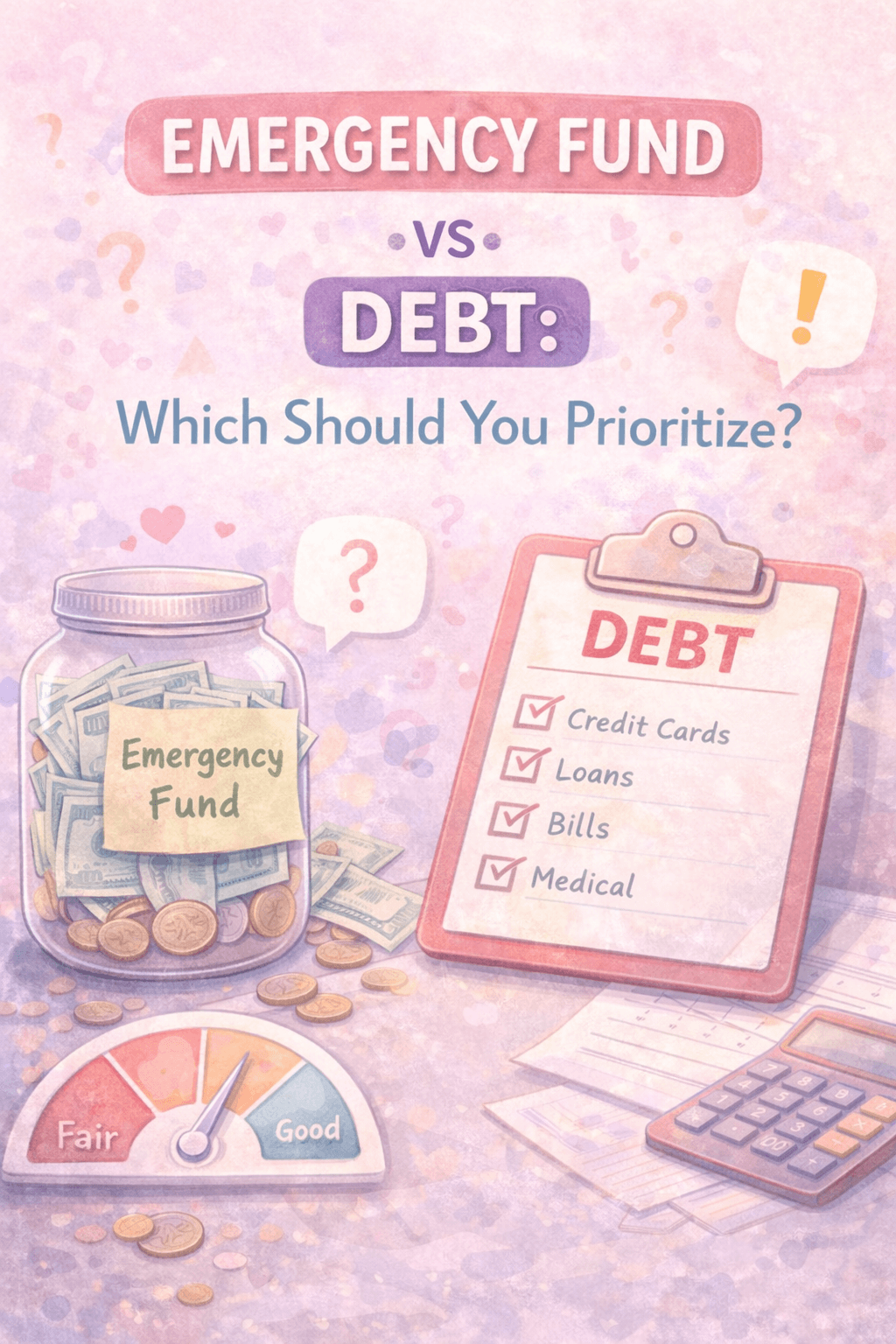
Before we dig deeper into potential income streams, let’s pause to remember why an emergency fund is so crucial. It’s your first line of defense against financial catastrophe. Whether you’re a freelancer or a single mom working a 9-to-5 job, having an emergency fund means you can cover urgent needs without plunging into debt. This is particularly vital if you’re living paycheck to paycheck or balancing finances as a couple.
Think of your emergency fund as the heart of your financial preparedness plan. Multiple income streams become the arteries that keep that heart strong. When extra income regularly flows in, it keeps your fund steady and growing instead of dipping into it for day-to-day costs. Over time, you’ll build a fortress that can handle setbacks more gracefully.
Ideal Size of an Emergency Fund
Most financial experts suggest having 3 to 6 months’ worth of living expenses stashed away for emergencies. But your target might be different if you have kids, health considerations, or job uncertainties. If you’re a parent, for example, you might aim for an amount closer to 6 or even 12 months’ expenses for extra peace of mind—especially if you’re teaching your children about financial preparedness from a young age. For tips on that front, you can check out kids emergency fund education.
Pinpoint Income Streams That Suit You
Now comes the fun (and sometimes challenging) part: figuring out which avenues of extra income align with your lifestyle. The options span part-time jobs, side hustles, gig work, investments, and even revenue from creative projects. The key is to look for opportunities that match your skills, interests, and available time.
We’re all in different life stages. Some of us have a bit more flexibility, while others have to pinch every minute of the day. If you’re working a full-time position, maybe you explore freelancing or weekend gigs. If you’re already freelancing, consider adding a digital product or two. Here are a few angles to consider:
- Online Services: Writing, graphic design, coding, virtual assistance
- Local Services: Babysitting, pet sitting, lawn care, tutoring
- Seasonal Gigs: Retail during the holidays, tax prep in early spring
- Renting Out Assets: Car, home, or unused space
Match Your Skills to the Demand
Take a quick inventory of what you’re good at or simply enjoy doing. Maybe you’re skilled at editing videos, or perhaps you’re a whiz at bookkeeping. Someone out there probably needs exactly those services. By focusing on tasks you excel at, you’re more likely to stay motivated. After all, you don’t want to turn your spare time into a chore. The goal is to build additional income streams that feel natural to you, so you’ll be more consistent in pursuing them.
Start With Small, Manageable Steps
Many people looking to boost their emergency fund get stuck in the planning phase, worried that they need the perfect plan before earning a single dollar. Perfectionism is a tricky friend—it can keep you from taking action. Instead, try testing the waters with one micro-step.
- Choose One Hustle: Maybe you’ll write one short article for a local business or design a single birthday invite for someone.
- Set a Small Earnings Goal: Even $50 or $100 a month can make a difference.
- Scale Up Gradually: After you see that initial success, you can decide to do more or pivot to a different hustle entirely.
When you start small, you give yourself room to experiment. Perhaps you’ll find out that the gig you thought you loved doesn’t fit your schedule after all. No big deal—you can adjust. Each step forward teaches you what works and what doesn’t.
Consider Digital Possibilities
In today’s culture of remote work, there’s a wealth of digital opportunities that might help you grow multiple income streams faster. If you can carve out time—whether that’s during your lunch break, after putting your kids to bed, or on weekends—you might be surprised by how quickly online gigs can become part of your financial safety net.
Freelancing Platforms
Websites such as Upwork or Fiverr have thousands of listings for everything from voice-overs to spreadsheet management. You set your rates, bid on projects, and build a client portfolio. Over time, positive ratings and returning clients can give you a steady flow of assignments.
Content Creation
If you enjoy writing or making videos, platforms like Medium or YouTube can eventually generate income through ads or subscriber-based models. While it may start as a trickle, consistent quality content often leads to an uptick in followers, culminating in paid memberships or brand sponsorships.
Online Teaching
If you have specialized knowledge—like cooking, graphic design, or a second language—think about sharing it on sites like Teachable or Skillshare. Every time someone enrolls, you earn revenue. Yes, producing a course requires upfront effort, but once the videos and materials are in place, your income can become semi-passive.
Explore Semi-Passive Streams
When people hear “semi-passive income,” they often picture earning money while lying on a beach. The reality tends to involve some initial effort followed by ongoing maintenance, but it can still be a rewarding path that adds steady contributions to your emergency fund.
- Rental Income: If you have an extra room, consider renting it out on short-term rental platforms. Just be aware of local regulations and the need to keep your space welcoming for guests.
- Print-on-Demand: For creative types, you can design T-shirts, mugs, or tote bags and let a print-on-demand service handle production and shipping. Each time someone buys an item with your design, you earn a commission.
- Affiliate Marketing: If you blog or have a social media following, you can review or recommend products. When followers make a purchase using your referral link, you earn a small commission. Make sure to promote products you genuinely trust—your long-term credibility matters.
Know Your Limits
One caveat with semi-passive income is that it’s easy to stretch yourself too thin if you jump into too many ventures at once. It may sound appealing to try four new ideas, but sometimes focusing on one or two is enough to get solid results. You can always branch out after you’ve established a steady workflow.
Align With Your Life Stage
It’s true that people in different life stages have unique considerations. If you’re a couple planning for emergencies, you might coordinate your extra work schedules to ensure one partner is available for child care or household tasks. On the other hand, if you’re a single person living paycheck to paycheck, you might look for a side project that pays quickly, such as gig apps or short-term freelance projects. Let’s look at a few scenarios:
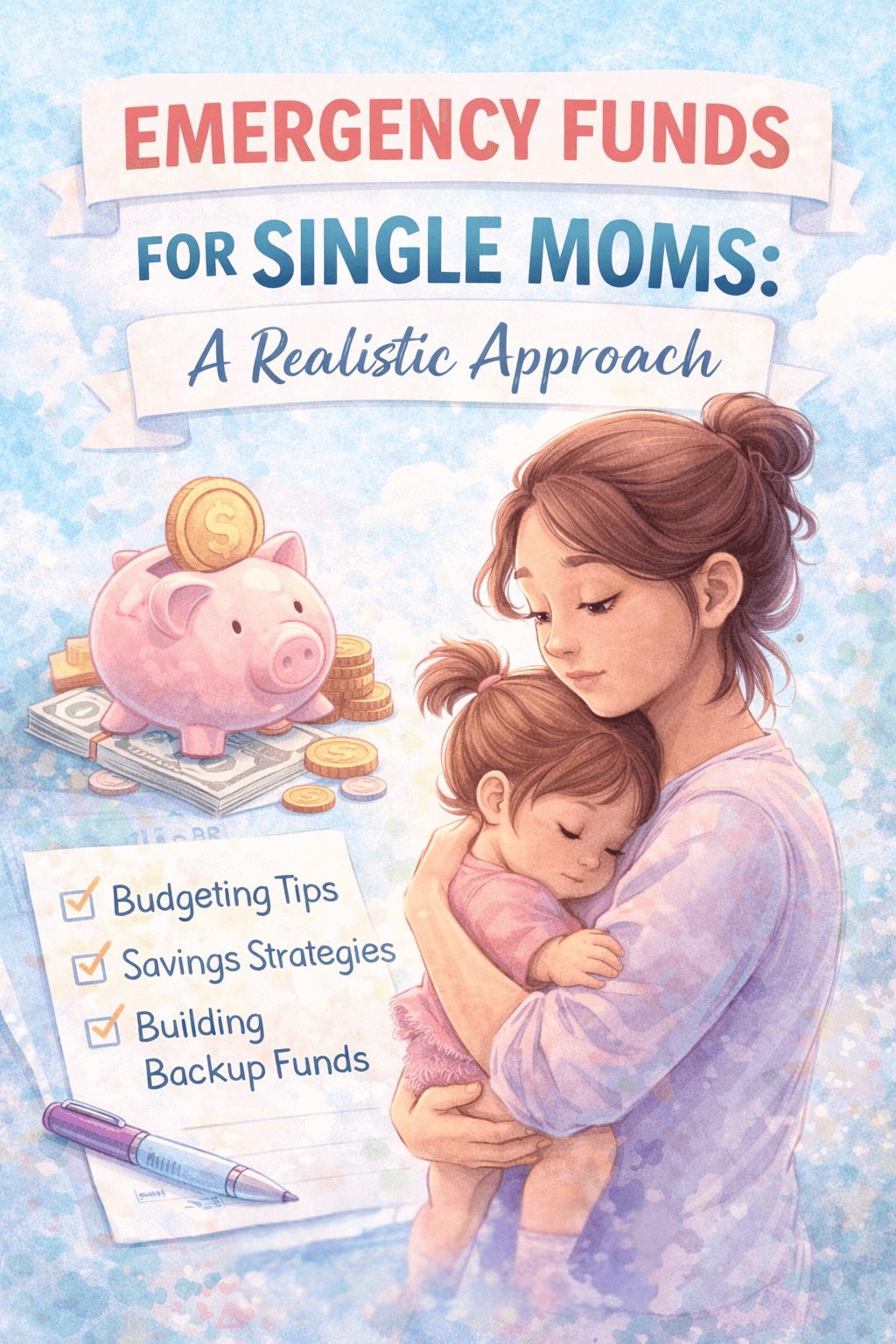
- Single Parent: Maybe you only have a couple of hours per day after the kids are asleep. Focus on gigs or digital tasks that can be paused and restarted as needed. Check out resources tailored to single mom emergency fund strategies.
- Working Students: Seek campus or online opportunities that fit your class schedule. Even tutoring fellow students can earn you pocket money.
- Freelancers: You might already have an irregular income stream. Look into ways to diversify, such as offering a course or upselling existing clients. You can build a stronger freelancer emergency fund by diversifying your services.
- Families With Children: Involve your kids in small tasks where appropriate. This teaches them valuable life skills while helping you tackle side income projects. And if your kids are old enough, they can learn the basics of money through kids emergency fund education.
Guard Your Time and Mental Health
Maybe you’ve heard that hustling is the only way to get ahead. But it’s easy to burn out if you overload every spare moment with extra work. Holding a second or third income stream should not come at the cost of your well-being. Try to pencil in breaks, fun activities, and moments for self-care.
- Schedule Regular Downtime: Block off at least one day a week to rest. This might be your day to recharge or spend uninterrupted time with loved ones.
- Set Boundaries: If you have a day job, be mindful not to let your side hustle bleed into main work hours. Setting clear goals for each income stream helps you stay in control of your schedule.
- Reassess as Needed: If you notice your side hustle is consistently stressing you out, it may be time to adjust. Maybe you scale back hours or look for a different project altogether.
We all have limits, and that’s completely normal. The steady grind of taking on too much can trigger burnout, which will undermine your entire plan.
Funnel Earnings Into Your Emergency Fund
It’s tempting to treat extra income as “fun money.” A small splurge here or there is totally fine, but remember your main objective: boosting that emergency fund. The most effective way to build your fund quickly is to funnel a significant portion of new earnings directly into savings.
Automate Whenever Possible
Automation can be your best friend. Once you’ve started earning from a side hustle, set up an automatic transfer—whether it’s weekly or monthly—to your emergency fund. That way, you’re not tempted to spend the cash. Even small automations, like $10 or $20 at a time, add up surprisingly fast.
Track and Celebrate Milestones
Set mini-targets for your emergency fund. For example, celebrate when you’ve hit $500, then $1,000, and so on. These milestones signal progress. Tracking your journey reminds you why you’re making these extra efforts in the first place. It also keeps your motivation alive. A small celebration could be treating yourself to a favorite snack or a relaxing afternoon with friends. This reward process helps reinforce positive habits.
Overcome Mindset Hurdles
Sometimes the biggest hurdle isn’t time or opportunity, but your own mindset. It’s easy to think, “I’ll never earn enough to make a real difference” or “I’m too busy as it is.” But these thoughts can be limiting beliefs that hold you back from exploring a world of new possibilities.
- Adopt a Growth Mindset: Recognize that skills can be learned and refined. You might not be great at something today, but practice can change that.
- Embrace Imperfection: Side gigs and new income streams aren’t always glamorous at first. Some weeks may yield less money or free time than you’d hoped. That’s okay. Learn what you can, then keep going.
- Stay Open to Learning: Watch online tutorials, read articles, join forums, and connect with communities in your chosen field of extra income. The more you learn, the stronger your new income channel grows.
Keep Your Eye on the Long-Term Picture
In the middle of juggling multiple streams, it’s helpful to step back and remember why you’re doing all this. Life can be unpredictable. One day, you might face a layoff, a major medical expense, or a sudden car repair. Another day, there could be an exciting opportunity to invest in something that could change your future. Having that robust emergency savings—and the income streams that sustain it—creates a cushion to catch you when you fall and a springboard to help you leap toward better opportunities.
Adjust as Your Life Changes
Your income strategy shouldn’t remain stagnant. As your responsibilities shift—maybe you become a parent or relocate to a different city—revisit which income streams work best. A side hustle that made sense last year might not fit anymore. That’s perfectly normal. Just take stock of your current situation and pivot as needed. Because you’re building a plan that grows with you, it’s flexible enough to adapt to job changes, marriage, kids, or even the decision to go back to school.
Strategies for Consistency
Building and maintaining multiple income channels isn’t a one-time project; it’s an ongoing practice. Trying new ventures, refining skills, and reorganizing your schedule will come with the territory. Consider these strategies to keep you steady:
- Create a Monthly Review: At the end of each month, review how much you earned from each source. Note any inefficiencies or sparks of joy you encountered.
- Set Reasonable Goals: Maybe you want to add an extra $300 to your emergency fund each month. Breaking that down into a weekly or per-project figure helps you measure progress.
- Stay Up to Date: Industries change, especially if your gigs revolve around technology or trends. Keep learning so your skills remain relevant and competitive.
Face Financial Emergencies With Confidence
Picture this: your car breaks down unexpectedly right after you’ve paid your monthly bills. Instead of feeling paralyzed by the expense, you tap into your emergency fund to cover the repairs. Meanwhile, your side hustles and other income streams continue to keep the rest of your budget intact because you’re not draining your main salary to fix the car. This scenario is a real possibility when you consistently build up multiple income sources—and maintain a healthy emergency fund.
Lean on Supportive Communities
Remember, you don’t have to go it alone. If you’re unsure about next steps, talk to friends, family, or online communities who have walked a similar path. You could also speak with a financial coach for tailored guidance. Even just sharing your goals can hold you accountable and open doors to new income ideas you might not have thought of on your own.
Embrace a Sustainable Routine
The theme here is sustainability. You want your plan to be something you can stick to in the long run without feeling totally overworked. A well-rounded approach includes:
- Clear Priorities: Know which stream is your main income vs. which is supplementary.
- Health Check-Ins: Stress and exhaustion aren’t worth any amount of money. Gauge your mental and physical health periodically.
- Exit Strategies: If a side hustle feels unsustainable or is no longer profitable, have a plan to phase it out and try something else.
Real-Life Examples and Inspiration
Sometimes hearing what others have done can spark your creativity:
- A busy parent runs a local pet-sitting service on weekends, channeling that extra $200-$300 per month into an emergency fund.
- A corporate employee freelances as a social media manager in the evenings, building enough savings to confidently leave the 9-to-5 after a year.
- A college student sets up a print-on-demand T-shirt shop, using the steady (though small) trickle of commissions to offset unexpected tuition costs.
Each scenario might look vastly different, but they all share a common thread: the awareness that multiple income sources fuel your financial stability and feed a healthy emergency fund.
Final Thoughts: You’ve Got This
You don’t have to launch a major company or sacrifice every free moment to cultivate streams of income. Even minor efforts, when combined, push you closer to feeling secure if an emergency strikes. It’s all about progress, not perfection. Each dollar you earn and save is a step toward stronger financial footing.
When those inevitable moments of doubt creep in, remind yourself of why this matters: your peace of mind, your loved ones’ well-being, and the freedom to navigate life without constant financial anxiety. You might even inspire others—your friends, children, or community—to start their own journeys toward financial resilience.
Above all, give yourself credit for taking this step. By exploring how to create multiple income streams, you’re choosing to invest in your future security. That’s a powerful decision. Yes, you’ll face obstacles along the way, but remember: a small, consistent effort can lead to major shifts over time. So let’s keep going, side by side. Keep building, keep learning, and keep fueling that emergency fund. Trust me, you’re not alone. Together, we’ve got what it takes to face any unexpected twists that come our way.