Emergency Funds for Single Moms: A Realistic Approach
Let’s take a moment to recognize how big of a deal it can feel when you’re the sole provider in your family, juggling work, kids, and everything in between. You might be asking yourself, “How do I even start a single mom emergency fund when I can barely find a spare minute?” Trust me, you’re not alone in wondering how on earth you’ll manage to scrape together a financial safety net. That’s exactly why we’re in this together—to share practical strategies and a little encouragement along the way.
Sure, there are endless money tips out there, but single moms face unique challenges: unpredictable child-related expenses, limited time for side gigs, and an ever-present concern for what might pop up next. The good news is you can absolutely create an emergency fund that fits your life. Let’s break down the key steps, so you feel supported and ready to tackle your financial future with confidence.
Recognize the Importance
Let’s start with a heart-to-heart about why an emergency fund is crucial for your peace of mind. You may already feel the weight of responsibility on your shoulders, but an emergency fund does more than pay bills—it reduces stress. It’s like having a trusted safety net you can rely on when life throws a curveball, whether that’s an unexpected car repair, a sudden medical bill, or a gap in childcare.
By committing to saving, you’re giving yourself a confidence boost for the day-to-day tasks of single parenting. That sense of security can help you stay focused on your children, your job, and your dreams without the nagging fear of “What if I can’t pay for an unforeseen expense?” Instead, you’ll know you have a cushion in place. Everyone’s situation is different, but let’s look at a few benefits you might appreciate:
- Less Financial Anxiety: A little savings can ease the knot in your stomach when you think of surprise bills.
- Faster Recovery: Bouncing back from unexpected hits is quicker when you already have resources set aside.
- Peace of Mind for Your Kids: When kids see you’re less stressed, it helps them feel more secure, too.
Remember, your emergency fund isn’t just about having “extra cash.” It’s about safeguarding your family, your routine, and your goals. Once you have at least some savings, you can relax—just a bit—and tackle other financial priorities with a clearer mind.
Assess Your Current Situation
Before you start saving, take a look at where you stand right now. Getting an honest snapshot of your income, expenses, and any existing forms of savings is a powerful first step. Think of it like stepping on a scale before starting a new exercise plan: it might not be fun, but it’s crucial to help you see what sort of changes will make the biggest difference.
Determine Your Monthly Essentials
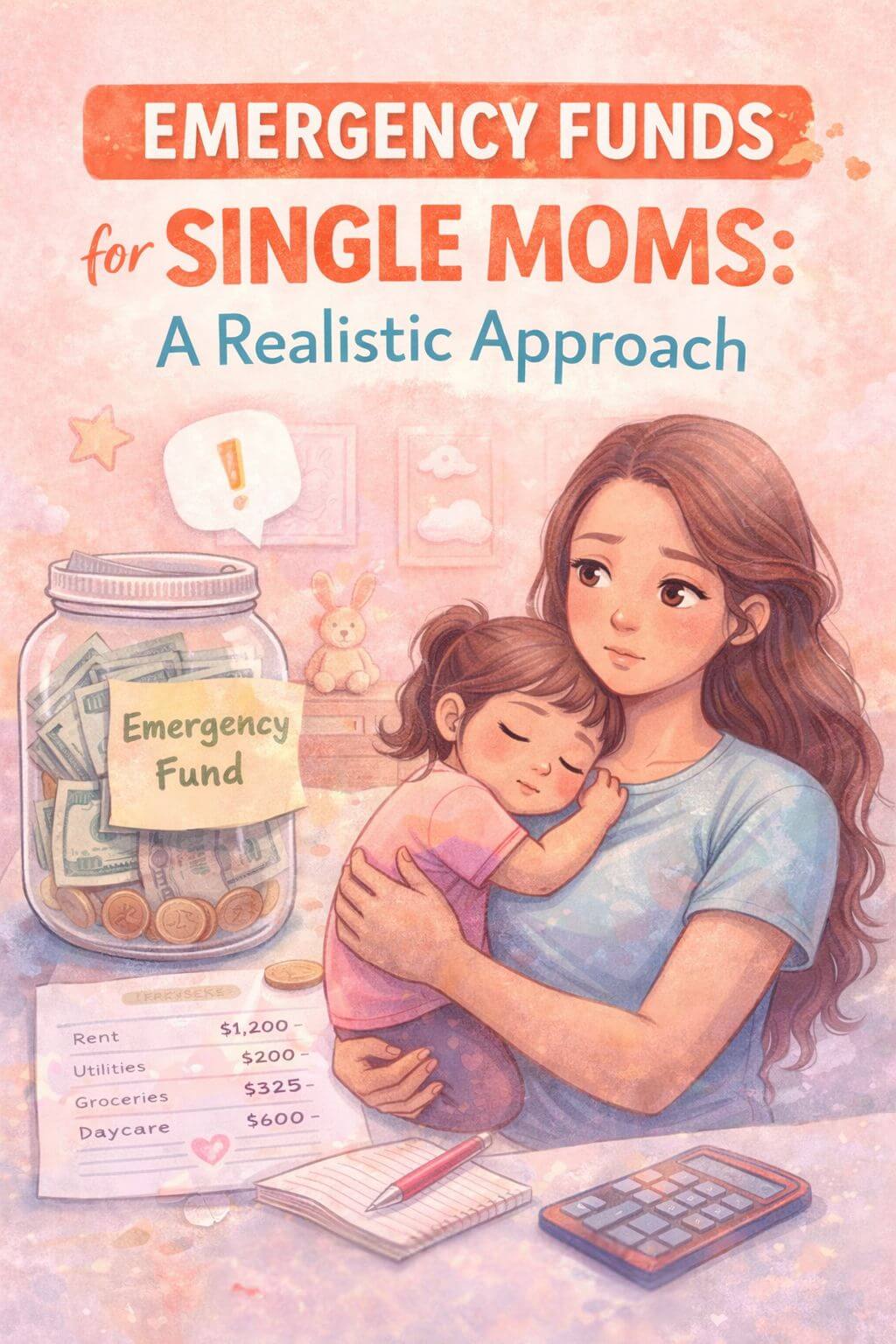
Grab a pen and paper (or open a notes app on your phone) and list out everything you pay for in an average month. Be real about it—this includes groceries, rent or mortgage, utilities, childcare costs, and even that occasional coffee run. While it might seem uncomfortable, itemizing your spending helps you see where every dollar goes. Keep an eye out for recurring bills that you might reduce or negotiate. This data becomes your roadmap for how much you can reasonably save.
Identify Possible Cutbacks
Once you have the numbers, think about small (or big) changes you could make. Ask yourself:
- Are there subscription services I rarely use but keep paying for?
- Could I cook a couple more meals at home instead of ordering takeout?
- Can I swap out a major expense, like switching car insurance companies or changing my cell phone plan?
Even an extra $20-$30 a week can be transformative when it comes to building your emergency fund for single moms. It might not feel like a game-changer immediately, but over time, those smaller amounts will add up significantly.
Set Realistic Saving Goals
Now that you know your monthly essentials, it’s time to create a target for your single mom emergency fund. Everyone’s situation is different, but a common guideline is aiming for three to six months of living expenses. That might sound like a tall order right now, so start smaller—maybe one month’s worth of rent and basic bills. Once you reach that, you can expand your goal.
Why Start Small?
In our heads, going straight for six months of expenses can feel like climbing a mountain. When something feels impossible, procrastination sneaks in. By breaking it down into chunks, you’ll have achievable targets to celebrate along the way. For instance:
- First Goal: Covering one month of rent or mortgage payments.
- Second Goal: Covering one full month of all essential bills.
- Third Goal: Reaching two months’ worth of essential bills.
- Fourth Goal: Progressing to three months’ worth, and so on.
These mini-goals offer motivation each time you hit a milestone. Every deposit you make is a reminder that you’re proactively protecting your family’s future.
Celebrate Milestones
Don’t forget to pat yourself on the back when you reach each step. Maybe you treat yourself to a small luxury—think a nice bubble bath with your favorite candle or a guilt-free night of takeout. Small rewards reinforce the habit of saving, making you more likely to stick to it over the long term.
Open the Right Accounts
Your emergency fund is a temporary home for your money when life tosses an unexpected situation your way. Because of that, it’s essential to keep these funds easily accessible and separate from your day-to-day expenses. You want to be able to grab the money quickly if something urgent hits, but not so easily that you’re tempted to dip into it for non-emergencies.
Consider a High-Yield Savings Account
A regular checking account might seem like the simplest option, but a high-yield savings account (HYSA) could earn you a little interest, helping your fund grow quietly in the background with minimal risk. These accounts are often online-only, which creates a tiny barrier—enough to discourage casual transfers but still easy enough to get to if an emergency arises.
Look for an HYSA with no monthly maintenance fees and a competitive interest rate. Many institutions even allow you to set up automatic transfers, which can be a game-changer for single parents who might have trouble remembering to stash away extra funds each payday.
Keep It Separate
Temptation is real. If you keep your emergency savings in the same account as your grocery money, you might end up dipping into it for “just this once” purchases. Instead, keep your emergency fund separate to protect it from impulse spending. This small layer of separation helps you train your mind to see that money as untouchable unless there’s a genuine crisis, such as an unexpected medical bill or a job loss.
Grow Your Savings Consistently
Here’s where the rubber meets the road: making a habit of consistent saving. Even if you can only tuck away $10 or $20 per paycheck at first, that’s more than zero. Over the weeks and months, those little contributions build momentum. But how do you keep that going, especially amid all the responsibilities of single parenting?
Automate Contributions
If you have direct deposit set up for your paycheck, consider automatically sending a small percentage to your emergency fund. This “set it and forget it” approach helps ensure you’re always saving something, without the hassle of manually transferring money. When you treat these contributions like a non-negotiable bill, you stop perceiving it as optional. After a few months, you might not even notice the difference in your checking account.
Adjust as Income Changes
Your financial situation might fluctuate. It’s okay to press pause and reevaluate if necessary. If you land a new job or receive a tax refund, funnel a portion into your emergency fund, giving it a quick boost. If your income dips for a while, lower (but don’t eliminate) those savings until you can raise them again. Consistency over the long haul is the key, even if the amounts vary from time to time.
Diversify Your Approach
Some single moms find success in launching a small side hustle—like freelance writing or selling handmade crafts—to speed up their savings. Others might benefit from adopting strategies in tandem with a partner if they ever transition into a different family structure. If you ever move into a two-income situation, you might look into a couple emergency fund. For now, focus on the resources you have in your current scenario. Remember, what works for someone else might not work exactly for you—personalizing your plan is part of the journey.
Plan for Inevitable Expenses
Kids get sick. Cars break down. Appliances stop working at the worst possible time. If you plan for the almost-guaranteed surprises in life, you’ll feel less blindsided when they happen. This is a big part of seeing your emergency fund as more than just “nice to have.” It’s an essential tool for single moms who want a cushion for the everyday curveballs of parenthood.
Anticipate Big-Ticket Costs
Sit down and reflect on what “unexpected expenses” have popped up in your life. This could include medical co-pays for your child, a sudden need for bus fare when your car is out of commission, or extra daycare costs if you land unexpected overtime at work. By identifying these potential costs in advance, you can size up how much extra might be needed in your fund.
- Medical Bills: Co-pays, prescriptions, or ER visits
- Car Repairs: Flat tires, new battery, oil changes
- Household Fixes: A leaky faucet or broken air conditioner
- Childcare Needs: Sudden extended hours or babysitting fees
By planning for these, your emergency fund becomes purposeful. You’ll be better equipped to handle each cost without needing to pull out your credit card and sink into debt.
Consider Ongoing Education Needs
If you have school-age children, you might also think about building up a smaller separate fund for educational expenses. You can find more detailed pointers in our guide on kids emergency fund education. Having that extra pot of money for field trips, school supplies, and extracurricular fees can really keep your primary emergency fund intact for true crises.
Overcome Day-to-Day Challenges
Raising a family on your own can be exhausting. You’re wearing multiple hats—breadwinner, caregiver, cook, teacher, nurse, and so much more. Finding the motivation to save can sometimes take a backseat when you’re simply trying to get through each day. But there are a few strategies you can embrace to make sure your short-term hurdles don’t derail your bigger plan.
Prioritize Bills Wisely
When the budget feels tight, focus on the essentials: rent or mortgage, utilities, groceries, insurance. Make your emergency contributions a line item in your monthly budget. Of course, if you find yourself constrained by debt, you might want to prioritize paying down high-interest bills alongside saving a small emergency cushion. Balancing both can be challenging, so start with the approach that feels the most urgent to you. If you want more ideas, you could also check out our insights on paycheck to paycheck emergency fund.
Find Your Support System
Emotional and moral support can keep you going when saving feels out of reach. Sometimes, just talking to a friend who understands the struggle helps you refocus. Online communities for single parents also provide inspiration, money-saving hacks, and accountability. Female-driven financial groups on social media can be a game-changer too, offering up tips and communal cheerleading.
Diversify Income Streams
Relying on a single paycheck can be nerve-wracking—especially if you know that job instability or budget cuts could threaten your main source of income. One way to boost your single mom emergency fund is to explore side hustles or part-time endeavors that fit into your life. This doesn’t mean you have to overwork yourself. Instead, look for flexible opportunities you can handle without burning out.
Explore Part-Time or Freelance Work
Ask yourself what skills you have that others might pay for. Are you handy with graphic design, writing, bookkeeping, tutoring, or cooking? You could find freelance work or part-time gigs that fit around your parenting schedule. If you’re curious about deeper strategies for building a financial cushion when you work for yourself, check out our freelancer emergency fund guide for more specific insights.
Consider Selling Unused Items
Decluttering can feel refreshing—and profitable. Whether it’s clothes your child has outgrown, old electronics, or toys left in the garage, platforms like local buy-and-sell pages or online marketplaces can help you earn extra cash. That money can go directly into your emergency fund. Even a modest profit can slowly push your savings to a healthier place.
Think About Multiple Income Streams
If your main job covers the basics but leaves little room for savings, having more than one income stream helps level out your finances. Even if it’s just delivering groceries on weekends, that extra money can be devoted entirely toward emergencies. We also have more tips in our multiple income emergency fund resource if you want additional guidance on juggling various sources of cash flow.
Protect Your Fund from Setbacks
When you finally get some momentum going, the last thing you want is to watch it slip away due to unnecessary fees or financial missteps. A few extra precautions can safeguard what you’ve built:
- Avoid Bank Overdrafts: Double-check automatic payments so you’re not accidentally drawing from your emergency fund.
- Stay Alert for Fraud: Monitor your accounts regularly to catch any suspicious activity.
- Resist Non-Emergency Spending: New TV on sale? Probably best not to drain your fund. Only dip into your savings for genuine emergencies.
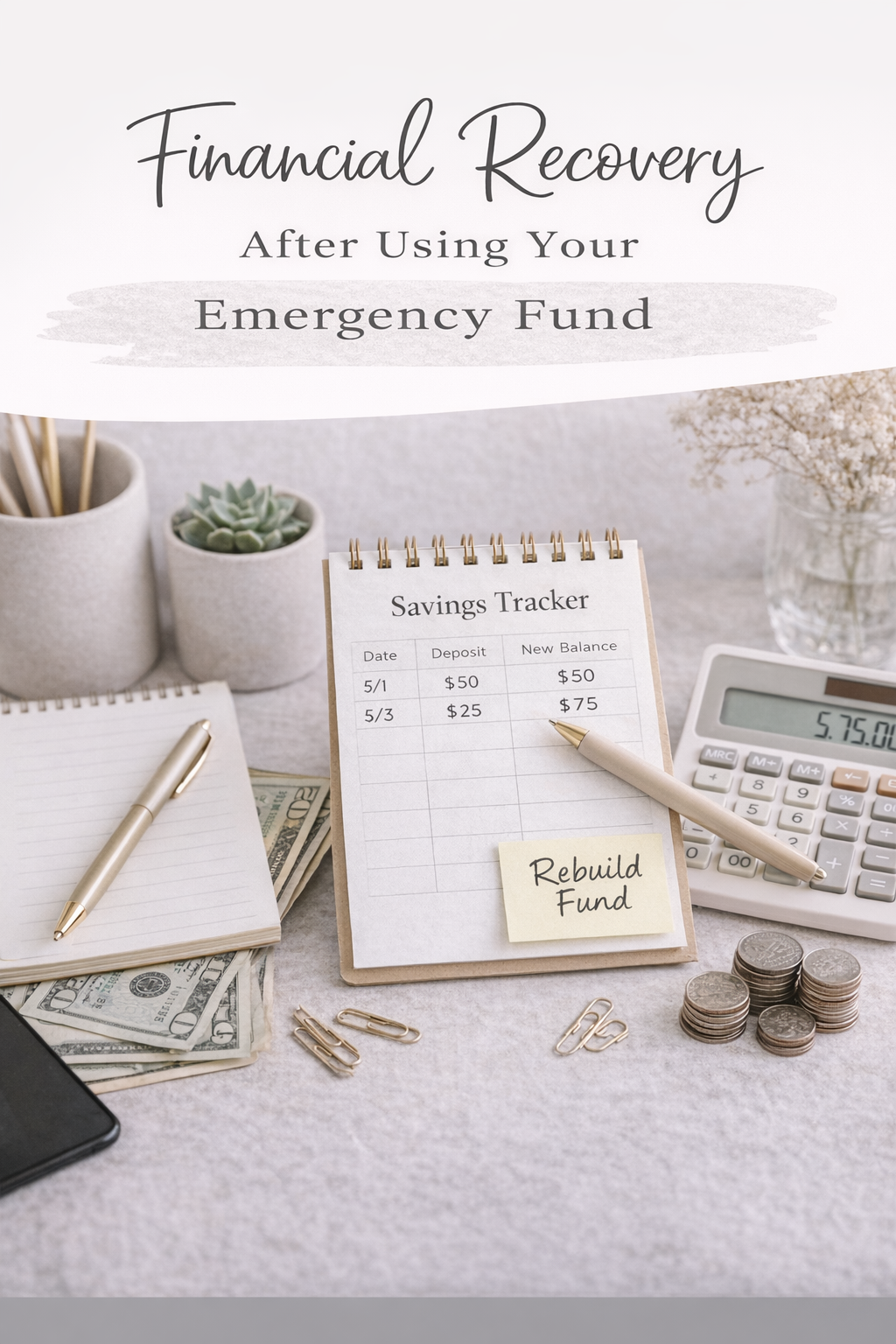
If you do need to use your emergency money, do so guilt-free (those funds exist for a reason!) and immediately begin replenishing it once you’re back on your feet.
Maintain Momentum Each Day
Saving is not a one-time choice; it’s an ongoing lifestyle shift. If you’ve gotten this far, you’re already making a powerful commitment to your future. You don’t have to be perfect—just consistent enough to build a fund that helps your family feel secure.
Create Ongoing Motivation
We’re all in this together, and yes, it can be tough. You might have days when you feel unstoppable and days when you want to throw in the towel. To stay on track:
- Use Visual Reminders: Tape a short list of savings goals to your fridge or bathroom mirror.
- Celebrate Tiny Wins: Any time you hit a milestone—maybe saving an extra $50—acknowledge your progress.
- Check Your Progress Monthly: A quick glance at your account balance can reenergize you to keep going.
Revisit and Adjust Your Goals
Life changes—maybe you switch jobs, your child’s expenses go up, or you discover a new source of income. Adapt your emergency fund goals accordingly. You might need to raise your savings targets when your child enters a new phase of life or lower them if you take on new financial commitments. Flexibility is key; you never want to feel chained to a plan that no longer fits your reality.
You’re Not Alone
Here’s my reminder for you: You’re doing something incredible by taking charge of your finances. You’re saying, “I want stability and peace of mind for my family,” and that’s a powerful declaration of self-love and responsibility. This journey toward building a single mom emergency fund can feel like an uphill climb, but every small step you take is one step closer to a more confident, prepared you.
Of course, there will be bumps in the road. You might have to pause your savings for a month or two, dip into it for an actual emergency, or scale back other wants in life. But through it all, remember that you’re building a safety net—one that empowers you to weather the inevitable storms. Keep checking back on these tips, lean on your community, and adjust when necessary.
You don’t have to figure everything out at once. Start with something small, like saving just $5 or $10 more than usual, or opening a dedicated savings account. As you settle into these habits, you’ll see that the ability to create a stronger financial future for you and your children is absolutely within reach. Trust me, I get how overwhelming it can feel, but I also know you’ve got an extraordinary resilience. And remember, every little bit counts. You’ve got this. Keep going, friend!