24 Pet Emergency Preparedness: Resources Every Owner Needs
Sometimes, you just want to know that you’re ready for anything life throws at you and your furry best friend. After all, we share our homes, our sofas, and often our mealtime routines with our pets, so it only makes sense to keep them safe in emergencies. That’s where pet emergency resources come in. Think of them as essential tools, contacts, or plans that can spare you tons of worry. Below, we’ll explore 24 tried-and-true resources designed to make you feel confident, calm, and prepared, no matter what curveballs come your way. Together, we’ve got this.
1. Gather Important Phone Numbers
When panic strikes, the last thing you want is to scramble for your vet’s phone number. Keep all critical contacts in one easy-to-access spot. That includes your regular veterinarian, an after-hours emergency animal hospital, and the Pet Poison Helpline or ASPCA Poison Control Center. Consider jotting these numbers on a note in your wallet, pinning them on your fridge, or storing them in your phone under a quick-dial function. According to the FDA’s Center for Veterinary Medicine, local emergency hospitals can guide you on the phone or advise you if you need to rush in [1]. This small step alone can save precious minutes when every second counts.
2. Stock A Pet First-Aid Kit
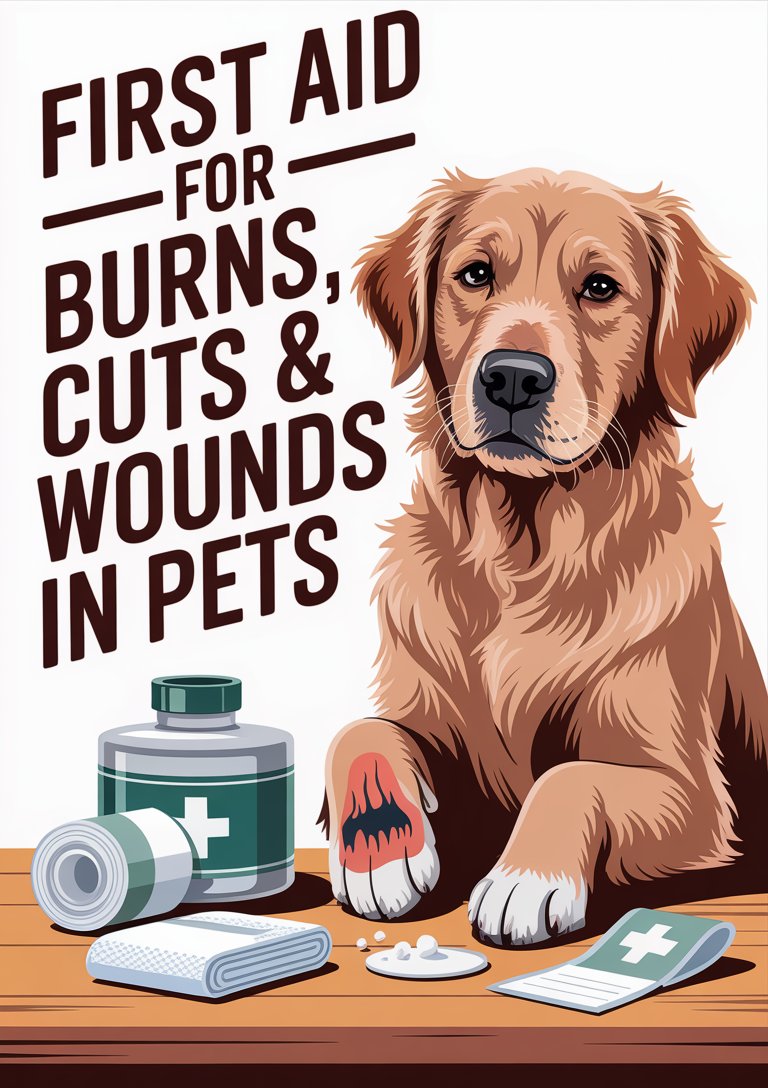
Crafting a well-rounded first-aid kit for your dog or cat helps you jump into action the moment something goes wrong. Essentials typically include gauze, hydrogen peroxide, non-stick bandages, a digital thermometer, scissors, tweezers, and antibiotic ointment, among other items [2]. You’ll also want a soft muzzle or e-collar if your pet tends to nip when they’re in pain. Feel free to tailor the kit to your pet’s needs—like allergy meds if your buddy’s sensitive to bug bites. For a deeper dive into recommended items, check out our pet first aid kit list. Being prepared can bring a huge sense of relief when an unexpected scrape or sting happens.
3. Scout Out Emergency Clinics
Emergencies don’t always happen during your vet’s office hours. Take a peek at the 24-hour clinics in your neighborhood and note their addresses. If you live in a big city, find the closest option, but also have a backup clinic in mind. Places like MedVet Columbus offer round-the-clock care with board-certified specialists in multiple fields [3]. Some clinics even have urgent care services that don’t require an appointment. Whether you’re new in town or just want to be extra cautious, scouting out your emergency options can help you act quickly if your pet needs immediate attention.
4. Keep Proof Of Vaccinations
Your pet’s vaccination records can be a lifesaver in crisis situations. Shelters and temporary boarding facilities may require up-to-date shots before admitting new animals. Make sure your records are easy to grab—either scanned onto your phone or tucked inside a clearly labeled folder. If you lost track of your pet’s medical papers, request fresh copies from your veterinarian. For multi-pet households, keep each pet’s documents separate so you won’t mix them up. This way, if you ever need to evacuate or use a boarding service, you’re already three steps ahead.
5. Plan A Pet Evacuation Strategy
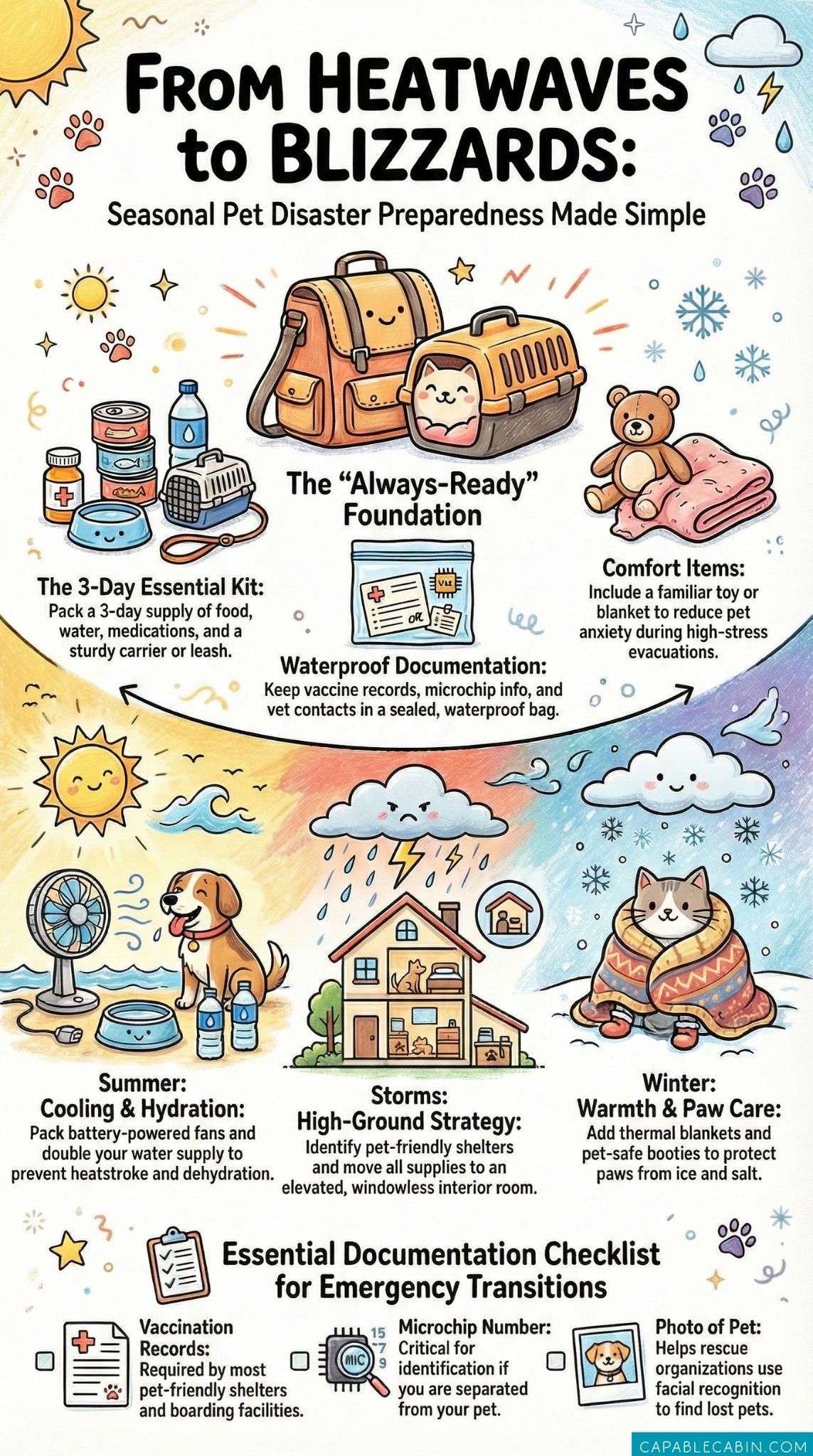
Ever think about what happens if you must leave home in a hurry? Emergencies like floods, hurricanes, or fires can crop up with little warning. Having a plan to transport your pet safely can help you avoid that frantic, last-second panic. Stock carriers or crates in an accessible spot, and keep leashes near the door. You may also want a dedicated “go-bag” for your pet with basic supplies and comfort items. If you live where storms are common, add an extra layer of prep by checking out pet evacuation planning. When you can grab and go, you’re instantly more confident about facing an unexpected emergency.
6. Know Poison Control Resources
Sometimes pets get into household items they really shouldn’t—think chocolate, xylitol-containing gum, or certain plants. If you suspect poisoning, experts recommend calling your vet or a poison control center immediately [1]. Two major hotlines in the U.S. provide veterinary advice 24/7, 365 days a year, though there might be a consultation fee. But trust us, that fee is worth it if it saves your pet’s life. You can pop these numbers into your phone so you’re not scrolling for them when anxiety strikes.
7. Explore Budget Assistance And Payment Options
It’s not fun to talk finances during a crisis, but planning ahead for vet costs can keep you from feeling helpless. CareCredit and similar programs let you split your veterinary bill into manageable installments [4]. Some animal hospitals have payment plans or low-cost clinics for folks with tighter budgets. The AVMA also mentions nonprofits that offer basic veterinary services at reduced costs [5]. Calling your vet to ask about available options upfront prevents sticker shock when an emergency hits.
8. Keep Extra Food And Water
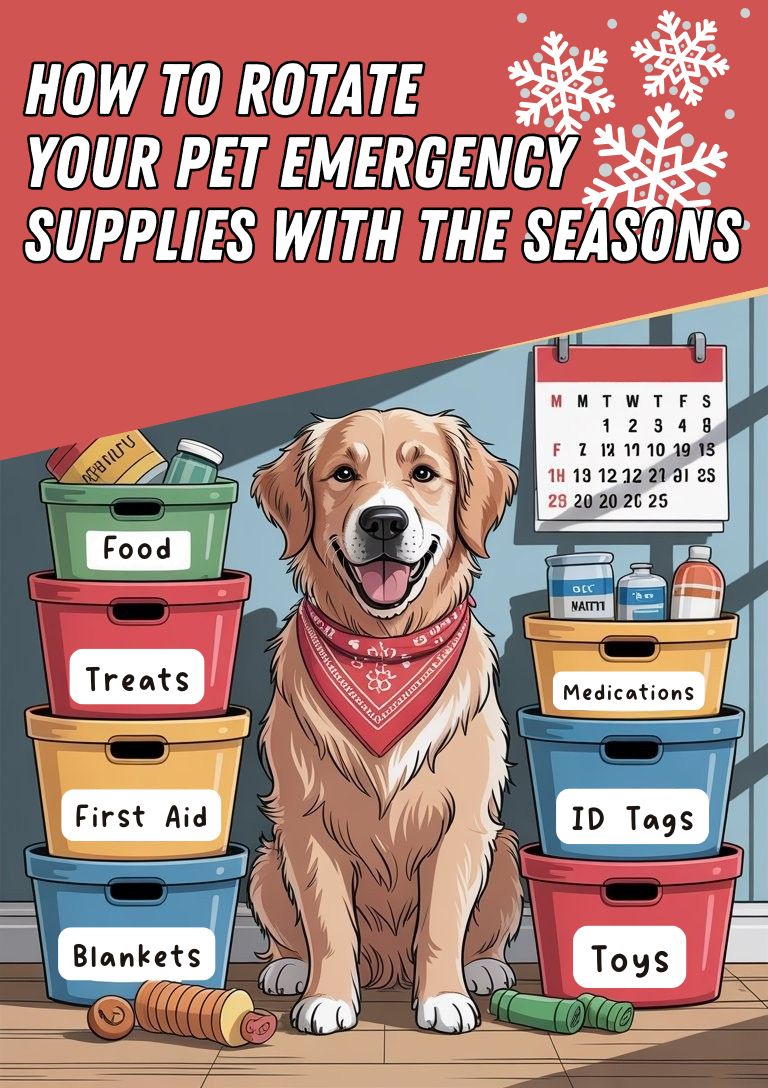
Running out of dog kibble when you’re stuck at home due to a power outage or extreme weather is no picnic. Make sure you have at least a week’s supply of food and bottled water dedicated to your pet. Store it in a sealed bin or airtight bag to keep it fresh. Rotating these supplies every few months ensures you don’t end up with expired food. The last thing you want during a crisis is wrestling with a spoiled bag of cat chow. Staying stocked up also makes quick evacuations less hectic, since you can grab your supplies and go.
9. Prepare A Pet Comfort Kit
Imagine how anxious you feel in a stressful scenario—your pet likely worries just as much. A comfort kit could be as simple as a small blanket, a favorite toy, and a shirt that smells like you. This kit helps your pet stay calm in unfamiliar surroundings, such as temporary housing or a friend’s place. Some people even slip in a calming treat if their veterinarian has approved it in advance. In times of chaos, you’ll be grateful your dog or cat has a little piece of home wherever you end up.
10. Practice Basic First Aid
Sometimes you’re the first line of defense if your pet gets injured. Learning how to clean a wound, apply pressure to stop bleeding, or manage minor burns can give your furry friend a better chance at quick recovery. The AVMA’s website has guidelines on financial assistance and general care, plus tips on minor first aid [5]. It never hurts to ask your vet for a basic demonstration, too. Of course, you’ll still want professional care for anything serious, but being comfortable with first-aid steps can make those crucial early moments less overwhelming.
11. Keep Medical Records Handy
Think of your pet’s medical records like a passport to emergency care. If you need to consult a new vet or emergency clinic, having their vaccines, recent procedures, and allergy notes in one place saves everyone time. Some do-it-yourself folks like to scan these to the cloud so they can retrieve them from any device. Others store printed records in a waterproof folder near their first-aid kit. Easy access to your pet’s health history can let the vet jump right into treatment without guesswork.
12. Consider Pet Insurance
Unexpected vet bills can be nerve-wracking, but pet insurance might cushion the blow. Certain policies cover surgeries, emergency room care, or long-term prescriptions. If that sounds helpful, do a bit of research on different plans, coverage limits, and monthly premiums [4]. It’s worth noting that many insurance plans won’t cover pre-existing conditions, so the sooner you enroll, the better. Sure, you might never need it—but if the unthinkable happens, having pet insurance is one less thing to stress about when focusing on your companion’s recovery.
13. Use A Reliable ID System
Microchips, collar tags, or GPS trackers can be lifesavers if you’re separated from your pet. Many shelters or vets automatically check for microchips when someone brings in a lost animal. Just make sure you keep your contact info updated whenever you move or change phone numbers. This small detail can make a massive difference in reuniting with a runaway dog or a cat that snuck out during a storm. Even if your pet stays indoors most of the time, better safe than sorry—emergencies like tornadoes or earthquakes don’t knock first.
14. Create A Disaster-Specific Plan
Not all emergencies are created equal. A hurricane preparedness plan might look different from a wildfire evacuation. If you live in an area prone to specific disasters, take some time to plan for that scenario. For instance, if you’re in wildfire territory, map out safe escape routes. If you’re near a floodplain, consider a raised area in your home where you and your pets can stay. You can also explore our disaster specific pet preparedness for detailed tips. Each plan isn’t just about physically escaping danger, but also ensuring your pet’s emotional and medical needs are met.
15. Explore Community Resources
Sometimes, support from neighbors or local organizations can be the difference between a frantic night and a quick solution. Community pet emergency resources include neighborhood groups that share local vet recommendations, community centers that transform into pet-friendly shelters, or the Animal Humane Society’s Pet Helpline if you need guidance [6]. Having a few local contacts makes it easier to reach out for help. You might even strike up a buddy system with a friend who can watch your pet if you’re away. It’s a team effort, and you’re not alone.
16. Teach Kids Emergency Roles
If you’ve got kids at home, it’s wise to loop them into the preparedness plan so they know what to do if you’re not right there. Show them how to safely handle your pet, which supplies to grab, and who to call if they sense trouble. This can be as simple as teaching them to dial a vet’s number posted by the phone. Some families even do mini “fire drills” where kids practice leading pets outside calmly. By showing them how to help, you reduce panic all around and build a sense of responsibility.
17. Stay Current On Preventative Care
Routine checkups, vaccinations, and parasite control may not sound exciting, but they’re vital. Healthy pets bounce back faster if they experience stress or injury. According to the AVMA, regular prevention can also reduce future medical bills by catching potential issues early [5]. If your dog or cat is older, or has special conditions, your vet might recommend more frequent visits or specialized care. Better to handle those concerns early than face an emergency when you’re already in a crisis mode.
18. Keep A Digital Thermometer
This simple, relatively inexpensive device can help you gauge whether your pet has a fever or is suffering from hypothermia. Pet temperatures differ from humans, so you’ll want to learn the normal range for your dog or cat. A typical dog’s normal temperature ranges around 101 to 102.5°F, though it may vary slightly. When in doubt, a quick check can confirm if you should head to the vet or observe your pet at home. Be sure the thermometer is labeled for pet use only. Trust me, it’s better to keep people gear and pet gear separate for hygiene reasons.
19. Pack A Travel Bag For On-The-Go
Having a dedicated travel bag can be a real game changer if you need to leave home quickly. Think of it as a “bug-out bag” customized for your pet. At a minimum, include some food, a collapsible water bowl, treats, waste bags, and a small first-aid pouch. A leash, harness, or collar with ID tags is also smart, especially for cats who don’t normally wear collars. This bag should be easy to carry—something you can sling over a shoulder while still corralling your pet. If you love to roam, our travel emergency preparedness pets guide has a few extra helpful pointers.
20. Review Financial Aid Resources
There are times when even the best budgeting can’t cover a pricey surgery or emergency treatment. It’s okay, lots of us have been there. Knowing in advance about nonprofits or local animal welfare groups that offer financial help is empowering. The AVMA highlights that certain clinics provide cost-friendly spay/neuter programs, vaccinations, and general care for low-income families [5]. Some groups also assist with emergencies on a case-by-case basis. Keep these resources bookmarked so you’re not Googling around in the middle of a crisis.
21. Craft A Family Pet Emergency Plan
If you have multiple family members, it helps to assign roles ahead of time. Decide who’s responsible for gathering the pet’s food, who grabs medical records, and who handles the crate or leash. That way, there’s no mad dash or confusion. If you have multiple pets, consider establishing a system for each one—especially if you have varied species with different needs. You might detail these steps in a written plan, so you’re not relying on memory in a stressful moment. You can also explore our family pet emergency plan for tips on making it all run smoothly.
22. Learn About Common Pet Emergencies
From bloat to heatstroke, certain emergencies pop up more often than others. Familiarizing yourself with classic signs lets you respond quickly. For instance, bloat can strike large, deep-chested dogs and often requires immediate surgery [7]. Dehydration, trauma injuries, and urinary blockages are also frequent culprits. Try to keep a short list of warning signs handy, like excessive panting, restless pacing, vomiting, or collapsing. That knowledge could save your pet’s life by getting you to the vet right away.
23. Connect With Local Urgent Care Services
Not every health hiccup is life-or-death, but some situations just can’t wait. If your dog is limping or your cat has an eye infection, an urgent care clinic can offer same-day treatment without the severe cost of an ER visit. Places like Upper Arlington Veterinary Hospital in Columbus provide separate areas for close monitoring and specialized treatment if your regular vet is unavailable [8]. Write this info down in case you can’t see your standard vet. It’s great peace of mind to know where to go for those in-between emergencies.
24. Refresh Your Supplies Regularly
Finally, consider your emergency preparedness as a living, breathing plan. Supplies expire or might get used up without you noticing. Maybe your pet’s needs change over time—especially if you adopt a new furry friend or your older pet develops a chronic condition. Set a reminder to review your pet emergency resources every six months. Check expiration dates on food and medicine, swap out old phone numbers, and see if your shelter list is still accurate. You’ll thank yourself later, because staying updated means staying calm when life tests your readiness.
Before wrapping up, let’s remember that “prepared” doesn’t mean “paranoid.” It’s about feeling confident and relaxed, knowing you have a solid plan to care for your pet, no matter what. Emergencies can catch anyone off guard, but having these 24 pet emergency resources in place puts you and your furry companion on stronger footing. And if you ever find yourself doubting or feeling overwhelmed, trust me, you’re not alone—we’re all in this together, rooting for calmer days and wagging tails. Keep what works, adapt what doesn’t, and give yourself a high-five for taking steps toward peace of mind. After all, your pet’s health is worth every bit of that effort. Stay safe and keep that tail wagging!