Spring Disaster Preparedness for Pets: Tornado and Flood Season Safety
Spring can be a wild time for our furry companions.
The sunny days might lure you outside for walks or backyard playtime, but severe weather conditions can strike with little warning. You might be calmly sipping your morning coffee one minute and racing against dark storm clouds the next.
This is exactly why spring pet disaster preparedness is so important. It’s about making sure your pet is safe and cared for, even when tornadoes, floods, or other unpredictable spring hazards show up at your doorstep.
We’re in this together, figuring out how to protect our beloved pets from nature’s curveballs while keeping our sanity intact. Let’s walk through a game plan that will help you handle the season’s ups and downs without second-guessing yourself.
Spot Spring Hazards
Severe spring weather can feel like it comes out of nowhere, and let’s be honest: most of us don’t relish the idea of watching swirling clouds or rising floodwaters encroaching on our neighborhood. You might already know to keep an eye out for tornado warnings and potential floods around this time of year, but there are other sneaky spring threats worth noting. Allergens, toxic plants, and even parasites become more active in warm, damp conditions. The good news is that each hazard can be managed with a thoughtful head start.
Why Tornadoes And Floods Are More Common
We often see powerful storms in the spring when cool, dry air meets warm, moist air. This collision can create intense thunderstorms capable of spawning tornadoes. Meanwhile, seasonal snowmelt and heavy rain contribute to floods in low-lying areas. Tornadoes can develop rapidly, leaving little reaction time, and floods can block roads, damage property, and cut off access to resources.
• Tornado Tip: Monitor local weather alerts. Where available, sign up for text-based or app-based notifications. Many emergency systems issue official warnings via text messages to keep you informed in real-time.
• Flood Tip: Never underestimate the power of floodwaters. Even a few inches of fast-moving water can sweep away vehicles or cause you to lose your footing. Keep a mental note of higher ground or friends’ houses on higher elevations for safe shelter if the area floods.
Understanding The Emotional Impact
Let’s acknowledge the toll these situations can take on you and your pets. Pets feed off your energy, so if you’re feeling anxious, they may sense something is off. That’s why it helps to have a concrete plan—a blueprint that you can lean on when adrenaline kicks in. Feeling prepared eases stress for both you and your pet. After all, we want to protect our animals without diving into panic mode.
Gather Your Essential Supplies
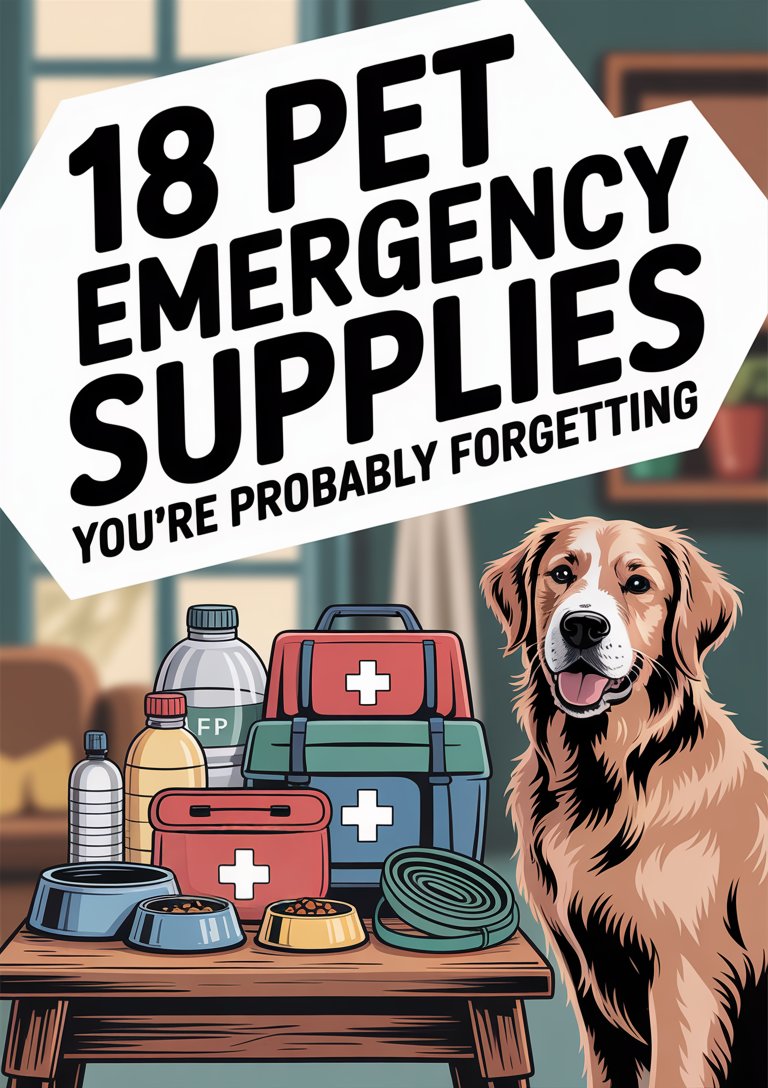
Picture yourself scrambling around at the last minute, trying to find medication, food, or even a leash while the sky is turning an eerie shade of gray. Nobody wants that scenario. According to various experts like the Centers for Disease Control and Prevention (CDC), it’s vital to build an emergency kit specifically for your pets [1]. If you’re lacking space or funds, remember that putting together even a minimal kit is better than having none at all. The key is to gather items gradually and review them regularly to ensure they remain fresh.
Create Two Kits
Ready.gov suggests having two kits:
- A larger one for sheltering in place
- A lightweight version for evacuation
(Ready.gov)
In your bigger kit, you can store more food, water, litter, and other bulky items you might need if you’re stuck at home for a few days. For the lightweight bag, think about the essentials you would grab if you only had a few minutes to leave. That usually means a smaller supply of pet food, water, important documents, and a collapsible bowl or dish. Keep prescriptions and over-the-counter meds you use for your pet in an easily accessible container. If your pet has special needs—perhaps they’re a senior or require daily medication—pack those items first. You can learn more about such specialized gear when dealing with senior pets by visiting senior pet emergency preparedness.
What To Include: A Quick Table
Below is a quick reference table for core items you should consider placing in your kits. Adjust based on your pet’s species and unique requirements.
| Item | Why It Matters | Tips and Notes |
|---|---|---|
| 3-7 Days of Food | Nourishment | Choose non-perishable, vet-approved food. |
| 3-7 Days of Water | Hydration | Store in sealed, non-breakable containers. |
| Medications & Documents | Health & Identification | Keep them in waterproof bags; consult vet for advanced refills. |
| Manual Can Opener | Feeding | Essential if using canned food. |
| Litter & Disposable Bags | Sanitation | Helps maintain hygiene, especially if stuck in one place. |
| Sturdy Leash & Harness | Safety | Keep them in waterproof bags; consult a vet for advanced refills. |
| Carrier Or Crate | Transport & Comfort | Make sure it’s large enough for your pet to stand up and turn around. |
| First Aid Kit & Medical Records | Emergency Care | Include a pet-safe antiseptic and bandages. |
| Recent Photos of Your Pet | Identification | Keep both printed copies and a digital backup on your phone. |
| Comfort Items (Toys, Blanket) | Emotional Stability | Familiar scents reduce stress in unfamiliar situations. |
Feel free to add extras like a travel-friendly bed, treats, or even a muzzle if those items would help your pet feel more at ease. Every household is different, so tweak as needed.
Strengthen Your Evacuation Plan
When under evacuation orders, one of the best ways to safeguard your pet is to evacuate them along with the rest of your family [2]. It’s downright heartbreaking to think about leaving an animal behind, and it can put them at high risk of being injured or lost. By having a well-rehearsed plan, you can avoid last-minute confusion.
Include Carriers And Familiarization
It’s one thing to own a pet carrier, but it’s another to get your pet comfortable with it. If you wait until the day of an emergency to introduce them to that new crate, they might be so anxious they just won’t go near it. Instead, bring the carrier into your living space ahead of time. Toss a blanket in there, drop in a few treats, and let your pet explore at their own pace. This small step can be a major stress reliever during an actual evacuation. For a deeper dive about planning the logistics of leaving your home, you might want to check out pet evacuation planning.
Know Your Pet’s Needs
- Identify Pet-Friendly Shelters: Not all shelters or hotels accommodate animals, so research in advance. Jot down a few backup locations.
- Map Multiple Routes: Tornadoes may block roads, and floods can make some highways impassable. Plan alternate paths to safe areas.
- Buddy System: If you share a neighborhood with other pet owners, consider joining forces. You can delegate tasks, such as who checks the house first or who gathers pet supplies if something catches you off guard.
Remember, if it’s unsafe for you, it’s unsafe for your pets. Give yourself permission to prioritize their well-being, guilt-free.
Prep For Large Or Exotic Animals
Dogs and cats often spring to mind first, but not everyone has the quintessential house pet. Some of us have horses, goats, pigs, or even reptiles. Preparing these animals for spring disasters requires a bit more strategizing because their size, habitat, or unique care routines can complicate evacuations.
Unique Considerations
- Transportation Options: A big livestock trailer or specialized carrier might be essential. Make sure your vehicle is maintained and able to tow if you must relocate quickly.
- Housing And Shelter: Know where you can safely house large animals during or after a disaster. If you have farmland on higher ground, plan how to get them there.
- Specialized Supplies: For reptiles, you might need a heat source and a sturdy enclosure. For birds, think of a cage cover to reduce stress.
- Identification: Horses, llamas, and other large animals can wear halters with identification tags. Microchipping is another layer of safety.
Consult local guidelines from sources such as Ready.gov, which specifically spotlight large-animal preparedness. It’s also crucial to keep these plans flexible, because conditions can shift quickly in flood or tornado scenarios.
Protect Against Springtime Toxins And Allergies
Spring doesn’t just bring volatile weather. It also ushers in a bloom of flowers, pollen, and sometimes harmful chemicals. Pets might frolic through the grass, nibble on plants, or sniff around your cleaning supplies without realizing the danger. A little foresight keeps everyone safer.
Toxic Plants, Cleaners, And More
- Lilies, Daffodils, and Tulips: Beautiful, but potentially lethal if your curious cat chews on them. All parts of the lily are hazardous, especially for cats [3].
- Fertilizers And Pesticides: While essential for a flourishing garden, these can contain chemicals like nitrogen and phosphorus, which can be poisonous if ingested by pets [4]. Store them in a secure place, far from your pets’ sniff zone.
- Cleaning Solutions: Many spring cleaning agents contain bleach or other irritants. Opt for pet-friendly or natural cleaners that don’t pose a risk if accidentally licked or inhaled.
If your pet does come into contact with a questionable substance, contact a veterinarian immediately. Familiarize yourself with the signs of exposure—vomiting, drooling, lethargy, or seizures—and keep your vet’s number on standby.
Allergies And Parasites
Allergies can spike in the spring due to pollen, dust, or mold. Watch for your pet sneezing, excessively scratching, licking paws, or rubbing their face on the carpet. A quick consult with your vet may help you discover medications or treatments that offer relief. Additionally, fleas and ticks thrive in warmer weather, so your best approach is prevention. Routine checks and vet-approved preventive treatments can guard against infestations and diseases like Lyme or ehrlichiosis.
Stay Informed And Practice Drills
You know how sometimes your phone buzzes with an alert, and you think, “Is that a text or an emergency notice?” Learning to rely on those notifications can be a game-changer. While tornado sirens still exist in many regions, you’ll often get faster and more detailed updates from text or app alerts. Prepare by signing up for local community alerts. Also, keep an old-school battery-operated radio handy, in case cell service goes down.
Tune Into Alerts
- Weather Apps: Enable push notifications for severe weather warnings.
- NOAA Weather Radio: This device can be a lifesaver if you lose power or internet connectivity.
- Social Media: Official municipal accounts may post updates on road closures, shelters, and resources.
Staying on top of local announcements lets you pivot your plans in real-time. If you suddenly learn that floodwaters are rising faster than expected, you can hustle your pets to safety ahead of the rush.
Rehearse Quick Exits
Make emergency drills part of your life. It might sound a bit extra, but your pets will benefit if they know the routine. A quick run-through of a “grab and go” scenario (where you gather pets, emergency kits, and jump in the car) can reveal which steps need fine-tuning. Just think of it like a short, purposeful practice session.
- Simulate A Tornado Watch: Where would you shelter in place with your furry family member? An interior room without windows is usually recommended. Rehearse how you’d hustle everyone there.
- Check Flood Routes: Do a short drive of your primary evacuation path, noting potential hazards like low-lying bridges or culverts.
- Practice With Gear: Strap your pet into a harness or place them in a carrier. Give them a small treat once they’re secure to keep the experience positive.
If you’d like targeted pointers for different disaster types, including swirling winds and rising waters, you can check out tornado pet preparedness and flood preparedness pets. Thorough knowledge is the safest path forward.
Focus On Emotional Support
We sometimes forget how disorienting emergencies can be for our pets. The sudden noise, strange smells, or even abrupt changes in your daily routine can spike their stress levels. An anxious pet might hide, whine, or lash out. Providing consistent emotional support helps them feel safe, even in uncertain conditions.
Manage Pet Stress
- Offer Familiar Objects: A favorite blanket or toy can calm nerves.
- Keep The Tone Calm: Speak in soothing tones. Avoid yelling over storm sounds if you can.
- Reassure With Physical Touch: If your baby cowers under a table, try crouching down and letting them smell your hand. They’ll sense comfort in your presence.
- Consider Pheromone Products: Some sprays or diffusers mimic natural calming pheromones. Ask your vet if that’s right for your pet’s anxiety levels.
Some pets might benefit from short training sessions that reinforce trust. Quick commands like “stay” or “come” can give your pet a sense of normalcy. If you’re looking for deeper training help, consult your vet or a professional trainer. Emotional readiness might not sound like a top priority until you see how much calmer everyone is when your pet feels secure.
Make It A Habit
Think of spring pet preparedness as an ongoing process, not a one-and-done checklist. Supplies expire, we move houses, and new health issues pop up—I get it, life changes. Make a habit out of reviewing and refreshing your kit and plan so you’re never caught off-guard.
Review And Rotate Supplies
- Food & Medicine Expiration: Check dates every few months. If food is near its expiry date, donate it or swap it with fresh stock.
- Document Updates: Keep your pet’s vaccines, medical records, and photos up to date. Pets grow, appearances change, and new health conditions may arise.
- Practice Again: It never hurts to repeat your evacuation drill. If your pet adapts well the first time, they might do even better on the second or third.
- Seasonal Adjustments: If you’re also prepping for other times of the year, keep an eye on different hazards. For instance, if you live in a hurricane-prone region, shift your focus after spring. You can always bookmark maintain pet emergency preparedness for ideas on how to keep your routine from slipping.
Setting a calendar reminder can help. Perhaps every three or four months, do a quick run-through of your supplies, your contact list, and your evacuation routes. It’s like giving your car a tune-up—small steps that keep everything running smoothly.
Keep Going, You’ve Got This
Emergencies are stressful, no doubt about it. But know that you’ve already taken a huge step by exploring ways to safeguard the ones you love—furry members included. We’re juggling a lot these days, from changing weather patterns to everyday life demands, so any step you take to stay prepared counts as a win. Give yourself credit for being proactive. That sense of readiness is more than just a to-do list item; it’s a safety net woven with love and care.
Will there be days when you second-guess your efforts? Absolutely. But you’re not alone in that boat. We’ve all looked at our readiness plan and thought, “Am I really set up for tornado season? Do I have enough water? Did I rotate the kibble supply?” The beauty is, every time you check, you learn a little more about how to refine your approach. You’re building a habit of preparedness that can carry you through floods, tornadoes, or any other curveball spring might toss your way.
So, let’s keep going. Review your kit, practice those drills, maybe share a tip or two with a neighbor who has pets, and give your furry friend a comfy blanket or an extra treat so they feel more at ease. By staying informed, gathering essential supplies, and rehearsing your plan, you’re setting yourself and your pets up for the best possible outcome—even when spring showers feel more like spring storms. Trust me, you’ve got this, and we’re all in it together. Feel free to revisit these steps whenever you need a refresher. After all, spring might lead to summer, but peace of mind for our pets is a year-round gift.