Summer Heatwave Pet Safety: Protecting Animals in Extreme Heat
Understand The Basics
Let’s kick things off by talking about heatwave pet safety. If you’re spending hot summer days outdoors with your furry pals, you already know it can feel like a juggling act—making sure everyone’s happy, hydrated, and comfortable, all while managing your own tasks. Here’s the thing: when the temperature rises, it’s not just a matter of flipping on a fan. Pets can struggle to regulate their body temperature because they primarily cool themselves by panting, and certain breeds, ages, and health conditions make some animals more vulnerable to heat stress than others [1].
We’re in this together, so let’s walk through why being proactive is the best way to keep your pet safe. Summer hazards like excessive heat, intense sunlight, and high humidity can escalate quickly. One moment, your dog seems fine, and the next, they might be panting frantically, searching for shade. While it’s easy to think, “I’ll just keep an eye on them,” heatstroke can sneak up on you faster than you’d expect, leading to organ damage or worse if it’s left unchecked. Over the years, experts from groups like ASPCA have emphasized how crucial it is to be prepared for hot-weather risks [2].
Don’t worry—this doesn’t mean your summer plans have to grind to a halt. Being mindful of the basics, like providing water and shade, checking pavement temperatures, and scheduling outings for cooler times of day, goes a long way. In the sections ahead, we’ll explore everything from recognizing the earliest signs of trouble to crafting a solid plan, so that summer adventures with your furry companion can stay both fun and safe.
Recognize Common Risks
We’ve all had those moments where we realize, maybe a little too late, just how intense the heat can get. Pets, especially dogs, are prone to several health risks when the mercury climbs. Understanding those pitfalls means you can spot red flags sooner rather than later.
Heatstroke
Heatstroke is a life-threatening condition that occurs when your pet’s body temperature skyrockets and stays too high for too long. In extreme cases, this dangerous situation can cause organ failure in less than an hour if not treated promptly [1]. Dogs in hotter, more humid regions or dogs left in closed vehicles can develop heatstroke alarmingly fast.
Dehydration
Sunny days might seem perfect for a long walk, but if your pet doesn’t get enough water, they can become dehydrated. Pets show signs like lethargy, dry gums, and excessive panting when they’re low on fluids. A simple tip: regularly refill their water bowl and keep an eye on how much they’re drinking. A few ice cubes can help keep water extra refreshing.
Sunburn And Paw Pad Burns
Yes, pets can get sunburned. Those with thin coats, white fur, or exposed areas like the nose and belly are especially at risk, so consider pet-safe sunscreen on vulnerable spots [3]. Hot pavement can also scorch paw pads, leaving painful burns. If the ground is too hot for the back of your hand, it’s too hot for sensitive paws.
Fleas And Ticks
Bugs love the heat, meaning fleas and ticks can be more active. These pests can cause skin irritation, transmit diseases, and leave your pet miserable. Talk to your veterinarian about a flea-and-tick prevention plan—ideally before the heat hits its peak [3].
It’s easy to overlook these risks if you’re caught up in summer fun. But trust me, a bit of care now can spare you and your pet a world of trouble later.
Provide Cooling And Hydration
Water, shade, and rest might feel like obvious staples, but when the temperature soars, every little comfort counts. Here are several ways you can help your furry friend stay cool and collected.
Keep Plenty Of Fresh Water Available
First things first, never underestimate the power of a simple water bowl. Your dog or cat should have access to cool, clean water at all times. Refilling more often than usual, tossing in a few ice cubes, or placing a second bowl in your pet’s favorite lounge spot can make hydrating a no-brainer. If you’re heading out, pack a portable water bowl and bottles of water. The less guesswork involved, the better.
Use Shaded Areas
Just like you’d park yourself under a tree to escape the sun, your pets need a shady retreat. If they’ll be outside for extended periods, look for places where a natural breeze can help them stay comfortable. Tarps or umbrellas are usually better than doghouses, which can trap hot air and restrict airflow. According to NPR, structures that allow air to circulate freely are key for preventing heat stress [3].
Cooling Mats And Damp Towels
Cooling mats have become a go-to for many pet owners, offering a comfy surface that helps absorb and dissipate heat. If buying a specialized mat isn’t in the cards, consider placing a damp towel on the ground or giving your dog a quick wipe-down with a wet cloth. It’s a simple, budget-friendly way to keep them from overheating. Damp towels can also be draped over your pet’s back for a few minutes—just be sure to swap them out as they warm up.
Offer Low-Impact Indoor Activities
Even the most playful pups can do with a little downtime on a scorching day. Try mental stimulation games that won’t raise their body temperature: puzzle toys, treat-dispensing challenge toys, or short training sessions. By keeping these activities indoors, you give your pet’s body a break from the unrelenting sun. If you need tips on safe indoor entertainment, you might find some ideas within your broader emergency prep strategy, such as the suggestions in multi pet emergency preparedness.
Check Temperatures Before Outdoor Play
It’s tempting to assume a quick run in the yard is always safe, but even a short burst of activity can be risky if it’s blisteringly hot or humid. Dogs shouldn’t be exercised if temperatures exceed 24°C (75°F), and those numbers becoming even more worrisome above 30°C (86°F) ([Dog expert Debby Lucken, 2025, UK]). On days like that, a super-quick potty break might be enough. In these conditions, you’re much better off saving walks for early mornings or late evenings when it’s cooler.
Remember, your pet relies on you to pace these warm-weather play sessions. The goal? Keep it fun, keep it safe, and keep those water bowls filled.
Manage Outdoor Activities
Summer days seem tailor-made for enjoying the sunshine with your pets, but it pays to be strategic about when and how you head outside. It’s not always enough to say, “We’ll just limit the time.” Scheduling specific windows for outdoor play or walks can make a world of difference in preventing heat-related problems.
Pick The Right Time Of Day
Early mornings and after sunset tend to have the coolest temperatures, so plan walks, jogs, or playtime during these periods. Midday scorching sun can cause heatstroke quickly, especially for brachycephalic (flat-faced) breeds or older pets. If you’re dealing with an extreme heatwave, skipping outdoor exercise entirely might be best, focusing instead on brief potty breaks.
Use Protective Gear
Dog booties might look funny, but they can help prevent paw burns on scorching asphalt or sand. If you’re walking on surfaces that would burn your own feet, it’s time to rethink your plan. Additionally, carry water with you. Many collapsible bowls fit easily in a small bag or even a pocket.
Below is a simple comparison table for scheduling time outdoors. Notice how short the recommended exercise windows become as temperatures climb.
| Temperature Range | Recommended Activity |
|---|---|
| 60-70°F (15-21°C) | Normal outdoor play, moderate walks |
| 70-80°F (21-27°C) | Shortened walks, close monitoring |
| 80-90°F (27-32°C) | Very brief outings, high caution |
| 90°F+ (32°C+) | Essential potty breaks only, consider staying in |
Of course, these are guidelines, not one-size-fits-all rules. You know your furry friend best, and factors like humidity, breed, and overall health matter. But a handy chart like this can help you gauge when it’s time to retreat to air conditioning.
Never Leave Pets In A Parked Car
Yes, it’s been said a hundred times, but it’s worth repeating. Temperatures inside a parked car can skyrocket in minutes, even if the windows are cracked. According to the Pet Advocacy Network, it doesn’t take long for a vehicle’s interior to reach lethal levels. If you have errands to run, leave pets safely at home instead.
Plan For Emergencies
If you’re outdoors and notice your pup showing signs of heat exhaustion—heavy panting, drooling, agitation—bring them inside right away. In worst-case scenarios, have a veterinary clinic’s number handy to call for immediate advice. Being able to spring into action quickly can save your pet’s life. You might already have an emergency plan set up for other scenarios—adding seasonal adjustments for heat makes it even more effective.
Watch For Warning Signs
Sometimes, even the best preventive measures can’t fully protect your pet from heat-related troubles. That’s why it’s vital to recognize early signs of heat stress. Catching the warning signals quickly can make all the difference in preventing permanent damage.
Symptoms Of Heat Exhaustion
Look for:
- Excessive panting or drooling
- A rapid, erratic heart rate
- Bright red or dark red gums
- Vomiting or diarrhea
- Confusion or unsteady walking
- Sudden weakness or collapse
If you see any of these symptoms, act quickly. Bring your pet to a cool area, offer small sips of water (but don’t force them), and place a cool, damp towel on their body. From there, call your veterinarian. Speed is critical—heatstroke can escalate in a flash [4].
Dehydration Indicators
It’s easy to miss the subtle difference between “my pet is tired” and “my pet is dehydrated.” Common tells include lethargy, sunken eyes, and dry, sticky gums. Gently lift the skin between your pet’s shoulder blades—if it doesn’t spring back into place quickly, dehydration could be the culprit.
Respiratory Distress
Brachycephalic breeds like Pugs and French Bulldogs often struggle with extremely warm air, as they rely on efficient panting to stay cool. If your short-snouted buddy seems frantic or is gasping for air, they could be in respiratory distress. Limit their exertion in high heat; even a short walk might be too much for them if the temperature is too high.
Psychological Cues
Don’t forget about your pet’s emotional state. They might turn down food, pace around, or seem restless if they’re overheated. Some pets try to hide or isolate themselves when they feel unwell. A sudden change in behavior is worth noting. If your normally social cat behaves skittish or your playful dog becomes withdrawn, it’s time to investigate.
Staying alert to these warning signs might feel like extra work, but trust me, it gets easier the more you practice. Over time, you’ll develop a sense for when your pet is just being a little lazy—and when something more serious could be going on.
Act Fast With First Aid
So, you’ve noticed worrisome symptoms—what now? The biggest mistake many of us make is waiting too long or assuming the situation will resolve itself. Heatstroke in pets is an emergency. But the good news is, quick action can greatly improve survival rates.
Cool First, Transport Second
Experts at the Royal Veterinary College emphasize “cool first, transport second” [5]. Before rushing to the clinic, move your pet to a safe, cool place and start gentle cooling measures:
- Place them in front of a fan or in an air-conditioned room.
- Wet them with lukewarm or room-temperature water.
- Apply damp towels to their body, focusing on the neck, armpits, and groin area.
- Offer small amounts of water if they’re conscious and able to drink.
Why is this so important? According to PetMD, starting cooling at home can boost survival odds from 50% up to 80% [1]. However, avoid using ice-cold water. Extreme temperature differences can be harmful, causing blood vessels to constrict too rapidly and delaying proper cooling.
Contact Your Veterinarian
After you initiate those crucial first steps, call your vet to let them know you’re coming. Describe the symptoms, how long they’ve been going on, and what you’ve done so far. This helps them prepare for arrival, reducing wait times and speeding up care. Some vets might even guide you through additional first aid over the phone if needed.
Prepare A Pet First Aid Kit
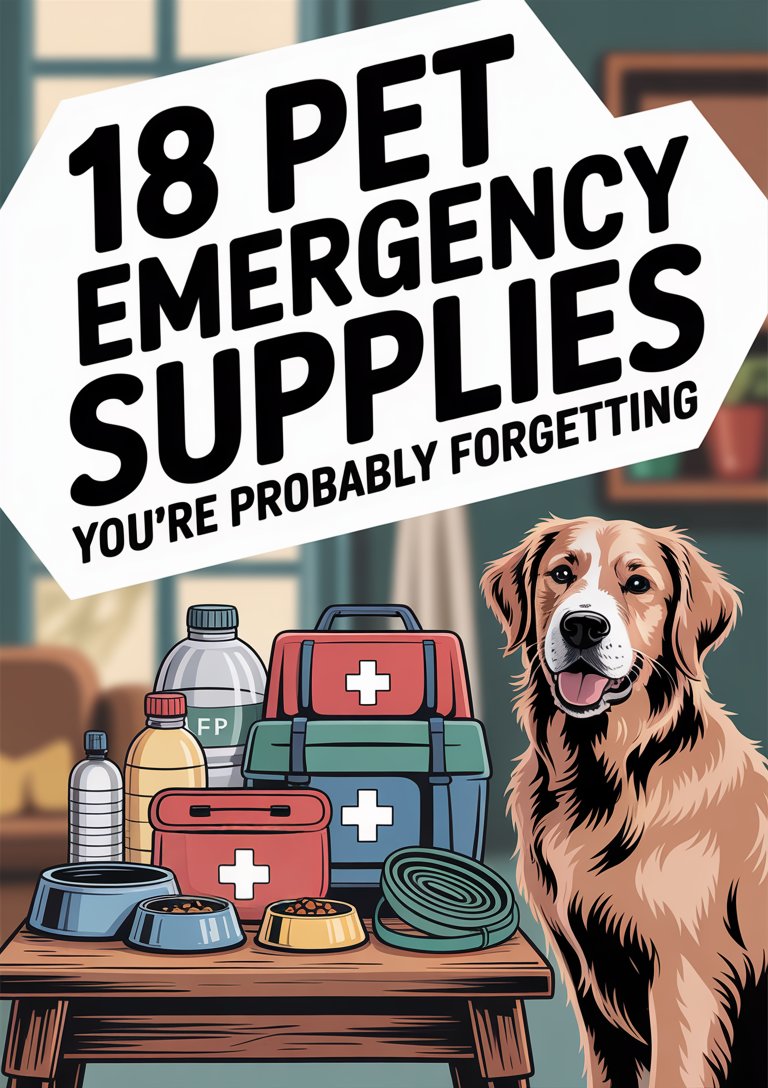
Whether you’re dealing with a summer heatwave or something else entirely, having a well-stocked pet first aid kit list is a lifesaver. Consider including:
- Digital thermometer
- Gauze and bandages
- Pet-safe antiseptic wipes
- Saline solution for eyes
- Cooling packs or instant cold packs (the type you activate by squeezing)
Keep it in an easily accessible spot in your home or car. It feels like an extra step, but trust me, when every minute counts, you’ll be so relieved it’s there.
Follow-Up Care Is Key
If your pet experiences a heat-related episode, keep a close eye on them afterward. Even once they’re stable, they might need a couple of days to fully recuperate. Encourage rest, keep them well-hydrated, and reach out to your vet if anything seems off. Sometimes the effects of overheating can linger—like minor kidney or liver stress—so follow-up checkups can be important, too.
Making heatwave pet safety part of your overall emergency pet preparedness plan means you’ll be ready for the worst but hoping for the best. We can’t always predict when a heatwave or random summer sizzler hits, but we can definitely control how prepared we are to handle it.
Consider Breed Differences
Not all pets handle soaring temperatures the same way. While any pet can be at risk, certain breeds, ages, and physical conditions make some more vulnerable to summer’s heat than others.
Brachycephalic Breeds
If you’ve got a French Bulldog, Pug, Boston Terrier, or any other short-snouted companion, you know how adorable those little flat faces can be. Unfortunately, that cuteness comes with compromised airways. These breeds often struggle to pant effectively, which puts them at a higher risk for heatstroke [1]. On scorching days, always monitor them closely, limit their exercise, and consider keeping them indoors during peak heat hours.
Thick-Coated Breeds
Golden Retrievers, Chow Chows, and other dogs with thick double coats are well-insulated—think of them as wearing a winter jacket in the middle of summer. In hot conditions, that thick fur can trap warm air against the skin, making it harder for them to cool down effectively [6]. Regular grooming to remove excess undercoat helps, but you’ll still want to watch for signs of overheating.
Giant Breeds And Overweight Pets
Large dogs like Great Danes or Saint Bernards carry more body mass, which can make it tougher to dissipate heat. Additionally, dogs over 50 kg often need extra caution in warm weather [7]. Overweight or obese pets—no matter their breed—struggle to regulate their temperature and risk heatstroke more easily. Even small tasks like climbing stairs in hot weather can elevate their core temperature beyond healthy levels.
Senior Pets And Puppies
You might notice older pets seem to slow down even in mild heat, while puppies can go from zero to exhausted in a flash. Both groups have less efficient temperature regulation systems. If you have a senior dog, you might want to check out senior pet emergency preparedness for extra tips and guidelines. Similarly, if you’ve just welcomed a new puppy, keep all summertime activities short, sweet, and well-hydrated.
Cats, Too
Cats are often a little more self-sufficient when it comes to temperature regulation—they’ll pick the shadiest spot or the coolest tile floor in the house. But they’re not immune to heatstroke, especially if they’re brachycephalic breeds like Persians or Exotics. Keep a fan or cool air circulating in your home, and watch out for heavy panting or drooling.
Knowing these breed-specific considerations can guide how you plan your warm-weather routines. Maybe it means earlier morning walks, a short backyard play session instead of a long hike, or simply more frequent water breaks. The more attention you give to these details, the more comfortable and safe your furry friend will be.
Create An Emergency Plan
When a heatwave strikes, it’s tough to think clearly in the moment. Having a plan mapped out in advance can save you a world of anxiety and, more importantly, can save your pet’s life. You’ve already laid the groundwork by learning about heat risks, first aid, and breed differences. Now, let’s piece it all together into a cohesive plan.
Draft A Simple Checklist
If you’re a fan of checklists (who isn’t?), consider making one specifically for heatwaves. It might include:
- Stock extra water and ice.
- Place a cooling mat or damp towels in shaded spots.
- Secure an indoor room with air conditioning or fans.
- Keep phone numbers for local vets and emergency clinics.
- Check on your pet first aid kit list supplies, ensuring you have cooling packs.
- Compile relevant instructions for your pet sitter or family members.
Stick this list somewhere visible, like on your fridge. That way, if a sudden heatwave hits or if you’re rushing around, you won’t forget a crucial step.
Identify Safe Spaces
Think about where you’d go if your air conditioning went out during a high-temp day. A friend’s house, a pet-friendly hotel, or even the local pet supply store with air conditioning could be a lifesaver until you get home repairs or the heat wave passes. It’s worth having a short list of addresses and phone numbers. You might also brainstorm with neighbors or local community groups on how to help each other if multiple households lose power.
Consider Evacuation Needs
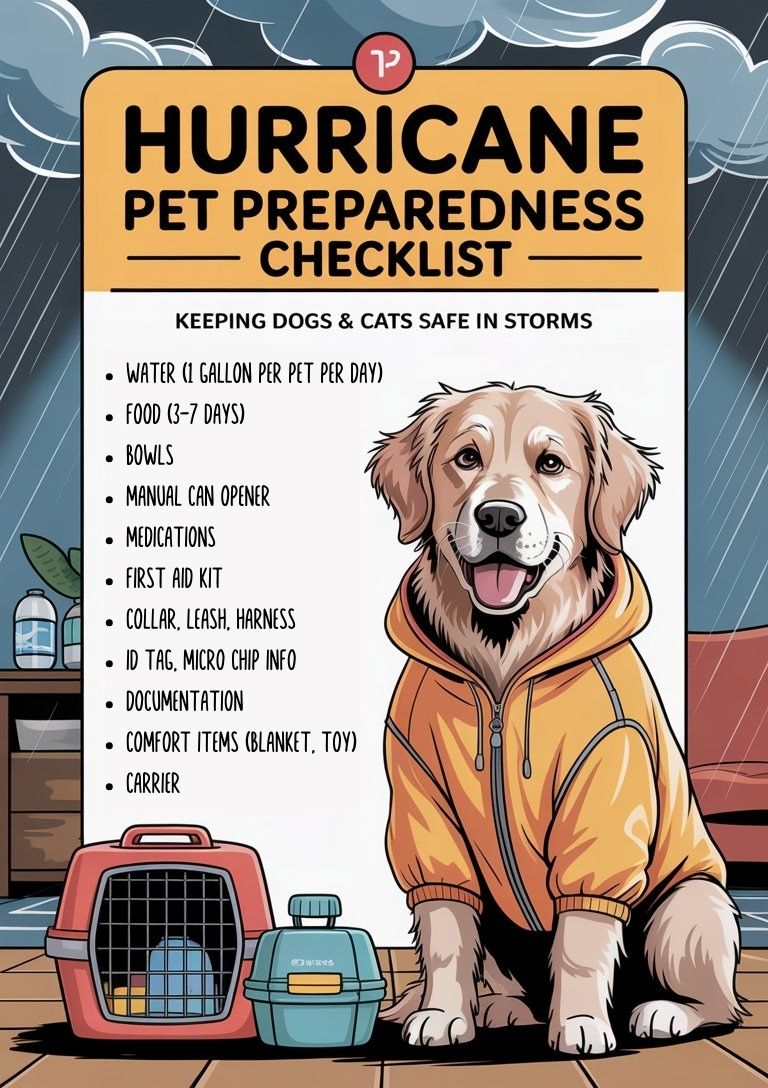
In extreme cases—like wildfires or blackouts—you might need to leave your home. That’s where resources like pet evacuation planning come in. You’ll want to gather a go-bag with essentials: food, water, medications, travel bowls, and updated ID tags. Heatwaves often coincide with other natural disasters, so prepping for multiple scenarios can give you peace of mind.
Factor In Other Pets
If you have more than one pet, or if you keep possibly vulnerable companions like birds, reptiles, or small mammals, it’s important to integrate them into your plan as well. Different species have different needs. For instance, reptiles often rely on external heat sources to regulate temperature, so if you lose power, their environment might become unsafe. For more multi-species tips, have a look at multi-pet emergency preparedness.
Communicate With Your Vet
Veterinarians can offer personalized suggestions based on your pet’s age, breed, and medical history. If your dog has a heart condition or your cat has kidney issues, your vet might offer specific advice about managing heat stress. Some clinics provide checklists or resource pages to help you stay organized.
No one wants to imagine worst-case scenarios, but having a plan frees you up to focus on the fun stuff—like playing fetch in the yard at dawn, or chillaxing under a shady tree with your best buddy at sunset. Being prepared doesn’t have to be complicated. A few well-thought-out steps can keep your pets safer and help you breathe a whole lot easier.
Maintain Ongoing Safety
By now, you might be thinking, “Okay, I’ve done my research, filled the water bowls, planned for checkups, and mapped out some emergency steps. Are we good to go?” Yes—and no. While you’re miles ahead of many pet parents, consistent vigilance is key as temperatures can fluctuate day to day (and even hour by hour).
Adjust Your Routine As Needed
Some summers are mild, others brutal. Stay flexible. If you notice your pet showing heat sensitivity earlier in the season than usual, ramp up your precautions. On the flip side, cooler afternoons might let you extend your evening walks a bit. It’s all about balance and paying attention to your pet’s signals.
Check Your Supplies Regularly
Water bowls can get knocked over, cooling mats can wear out, and first-aid supplies can expire. A quick weekly run-through ensures everything stays fresh and ready. Consider setting a calendar reminder to rotate items like the emergency water supply or update first-aid kit items. If you’re in the habit of tracking rotating supplies, you might also appreciate tips on rotating pet emergency supplies.
Lean On Your Support System
If you’re juggling family responsibilities, work, and pet care, don’t be afraid to ask for help. Local pet-sitting services, neighbors, or family members can check on your animals if you’re stuck in a toasty office all day. We’re all in the same boat when heatwaves arrive, so pooling resources can lighten the load—whether it’s sharing shade in a neighbor’s yard or escorting each other’s pets inside during particularly brutal spells of heat.
Celebrate The Small Wins
It might sound silly, but each time you get through a scorching day without a hitch, give yourself and your furry sidekick some well-deserved praise. You’re building a habit of proactive, mindful pet care. High-five moments like topping off the water supply or noticing your dog’s panting before it gets out of hand should boost your confidence.
Staying safe in the summer heat doesn’t mean hiding indoors 24/7. With the right strategies, you and your pet can still soak up the season’s best moments—morning walks, late-night stargazing, or a quick splash in a kiddie pool—without the stress of worrying about overheating.
Conclusion
At the end of the day, heatwave pet safety is about building a reliable routine and staying prepared for any scenario. Sure, the summer sun can feel relentless, but you have the tools, know-how, and empathy to keep your furry friend cool and comfortable. Start with the basics: ample fresh water, shade, timely walks, and a sense of awareness whenever the thermometer starts climbing.
No one says it’s easy to juggle all these tasks when it’s sizzling outside, but it’s absolutely doable. We’re all learning and improvising, figuring out the best ways to keep our pets safe in changing climates. Just remember, you’re not alone in this. Whether you’re seeking a new cooling mat, rearranging your living room for better airflow, or doing a quick midday check-in on your pup, you’re taking meaningful steps toward a happier, healthier life for you both.
Stay flexible, celebrate those small victories, and lean on tools like first-aid kits and neighborhood support when needed. Before you know it, you’ll have your heatwave plan on autopilot, giving you extra peace of mind—and more time for those breezy, joyful moments with your best pal. After all, that’s what summer should really be about: enjoying each day, one worry-free wag (or purr) at a time.