Tornado Preparedness with Pets: Shelter and Safety Planning
When it comes to tornado pet preparedness, it can feel overwhelming to figure out exactly how best to protect your furry family during one of nature’s most severe storms. Believe me, I get it. Tornadoes can strike with little warning, and the last thing you want is to scramble in the face of high winds and swirling debris while worrying about your pets. The good news is that a bit of planning can go a long way toward keeping everyone safe. Let’s walk through how you can organize your home, your emergency resources, and your peace of mind so that you and your pets stand ready to weather any storm together.
You’re not alone in this—countless pet owners feel that anxious twinge when the skies darken. We’ll tackle everything from building an emergency kit to creating a secure shelter-in-place spot to keeping pets calm in the chaos. By the end, you’ll have the tools and confidence to help protect your fur family, even under the most unpredictable circumstances. Ready? Let’s dive in.
Recognize The Tornado Threat
The first step is understanding how tornadoes form and how they affect our pets. Tornadoes usually arise from powerful thunderstorms. You might notice classic signs like dark, greenish skies, large hail, or a rotating funnel cloud. But before you even see those warning signs, your pets may alert you because dogs and cats often sense changes in atmospheric or barometric pressure well before we do. According to the team at ASPCA Pet Insurance, a whimpering or pacing dog, or a cat that seems unsettled and glued to your side, could be reacting to subtle shifts in the environment.
- Look for sudden behavior changes, like excessive drooling or barking, pacing, or even trying to hide under furniture.
- Keep an eye on weather updates in your region. The calm before the storm is real—often, the wind may die down, giving a false sense of security.
- Teach children how to recognize severe storm alerts, such as tornado watches and warnings. Pets feed off your family’s overall energy, so a confident, informed household helps everyone stay calm.
Tornadoes can form and intensify quickly, so it’s helpful to have a plan in place long before those ominous clouds roll in. That means knowing where your safest room is and who’s responsible for gathering each pet. If you work or live in a setting that experiences frequent storm warnings, you might even create a mini-checklist to run through when you sense trouble brewing. Above all else, trust your instincts and your pets’ signals. They often know something’s up before the first rumble of thunder.
Assemble Your Pet Emergency Kit
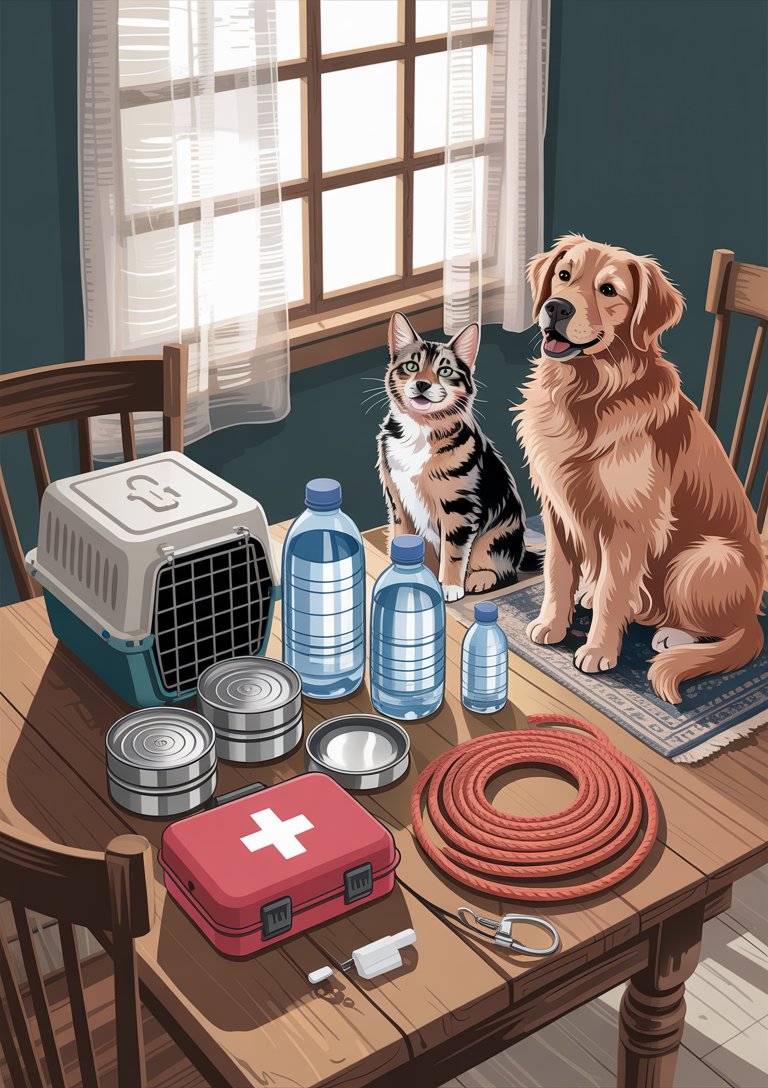
When the wind starts howling, there’s no time to rummage around for cat food or scramble to find that spare dog leash. That’s why experts at Ready.gov strongly recommend creating two emergency kits for your pets: one for sheltering in place, and a second lightweight one to grab if you must evacuate. By assembling these kits in advance, you’ll save precious seconds and minimize stress when a real emergency strikes.
What To Include
Below is a quick table of items to consider adding to your kit. They’ll vary depending on your pet’s species, age, and medical needs, but this outline should help you stay organized.
| Item Category | Suggestions |
|---|---|
| Food & Water | – At least 3 days’ supply of pet food (up to 2 weeks for extended use) |
| – Bottled water for several days | |
| Medications & Records | – Prescription meds (2-week supply) |
| – Vaccination records, microchip info, vet contact | |
| Comfort & Restraint | – Collar or harness with ID tags, leash or carrier |
| – Familiar bedding, toys, pet emergency comfort items | |
| Sanitation | – Litter, disposable bags, paper towels, and disinfectants |
| Basic First-Aid | – Bandages, gauze, antiseptic wipes, tweezers, pet-safe ointment |
| Documents | – Copies of important vet records, adoption papers |
| Miscellaneous | – Flashlight, batteries, a spare phone charger |
If you have an older pet or multiple animals in one household, you might consider dividing supplies into clearly labeled containers for easy grabbing. For multi-animal homes, check out multi-pet emergency preparedness if you’d like more tips on creating well-rounded kits. And if your pet has special medical needs, such as ongoing prescriptions or dietary restrictions, always keep those items front and center in your emergency kit.
Keep It Fresh
Stockpiling items is only half the job—regularly reviewing your kit is the other. At least twice a year, check the expiration dates on food, water, and medications. If you have to swap anything out, note the date so you don’t forget next time. That way, if you’re suddenly faced with a real tornado threat, you’ll know what’s in your kit is safe and ready to use.
Choose A Safe Spot At Home
During a tornado, you’ll want to move everyone, pets included, to the most secure area in your house or apartment. According to ASPCA Pet Insurance, this is generally the interior-most room on the lowest floor with no windows. For many, that translates to a basement. If you don’t have a basement, a ground-level closet, hallway, or bathroom can work just fine—anything without windows that could shatter and become dangerous projectiles.
Make It Pet-Friendly
Simply picking a spot isn’t enough. Your pets also need to feel comfortable getting there and staying put. After all, a Labrador that refuses to leave the couch or a cat that bolts under the bed at the first sound of thunder can slow you down. Here’s how to prepare:
- Practice Trips: Take a few trial runs to your safe spot. Gently lead your dog or place your cat in a carrier, then bring them into the room. Use treats or praise to make it a positive experience, rather than a stressful one.
- Arrange Familiar Items: Lay down your pet’s bed, blanket, or a favorite toy to help them identify this place as “the safe room.”
- Inspect For Hazards: Store chemicals or sharp tools elsewhere, and secure any loose items. Pets could be jolted by sudden loud noises or swirling winds, so you want the space to be free of anything that could injure them if they get startled.
If You Have Larger Animals
Horses, goats, or other large livestock present extra challenges. You may need a sturdy barn or an enclosure designed specifically for extreme weather. Ready.gov recommends keeping large animals’ vaccinations up to date, tagging them in case they get separated, and ensuring each one has enough food and water. Preparing them for transport (if evacuation becomes necessary) can make all the difference.
Plan For Possible Evacuation
Not every household is in a position to safely shelter in place. Whether it’s a dangerously weak structure or an official evacuation order, sometimes leaving is the only option. In that moment, your pets need to evacuate too—no exceptions. The Red Cross warns that many emergency shelters do not accept pets other than service animals, so you’ll want to identify pet-friendly accommodations well beforehand.
Map Out Your Options
- Pet-Friendly Shelters: Some communities designate special shelters that allow animals. Research your local community to find out what’s available.
- Pet-Friendly Hotels: Have a shortlist of nearby hotels that accept pets. Keep their addresses and phone numbers in your emergency folder.
- Boarding or Vet Clinics: If public shelters or hotels aren’t available, consider a boarding facility or a vet office in a less affected area.
- Friends or Family: A close buddy’s home might be the easiest option if it’s out of the tornado’s path. A prearranged plan is always best—no one wants to drop in unannounced at 2 a.m. during a storm.
For a deeper dive into evacuation logistics, visit pet evacuation planning. Get clear about how you’ll secure your cat, dog, or exotic companion for transport, and be ready to leave swiftly. If you have trouble managing tasks on your own, create a buddy system with a friend or neighbor who also has pets. That camaraderie might help reduce panic when you’re all packing up in a hurry.
Keep Carriers Accessible
Your cat or small dog might resist every attempt to place them in a carrier, especially with thunder booming in the background. It helps to gradually make the carrier a friendly spot—leave it out in the living area with a soft blanket and treats inside so your pet can explore it on their own terms. Then, if you’re ordered to evacuate, you won’t have to chase your scared cat around the house.
Help Pets Stay Calm
Let’s be real—tornado-related chaos is hardly relaxing for animals. Loud winds, crashing debris, and the tension in the air can seriously unnerve them. This is where a little extra TLC goes a long way. Reducing your pet’s anxiety can help you focus on the practical steps to keep everyone safe.
Tips For Minimizing Stress
- Create A Quiet Space: If you have a basement or interior room, dim the lights and try to muffle noise.
- Use Calming Aids: Some owners swear by products like Thundershirts or pheromone sprays. Humane Society of Pulaski County suggests these can help anxious pets have a little relief in stressful situations.
- Desensitization: Before tornado season, play recordings of thunder or wind at a low volume while you do something fun with your pet, like giving treats or playing fetch. Gradually increase the volume so they learn to associate the noise with positive experiences.
When you stay calm, your pet picks up on that energy. Offer words of reassurance, stroke them gently, and let them know you’re there. It might feel odd to hold a conversation with your barking dog in the middle of a storm, but your familiar voice can be profoundly comforting to them.
Watch For Warning Signs
Stress can manifest in many ways—pacing, whining, panting, or even aggression. Keep interactions positive. If your dog is cowering, don’t force them into a corner with too many people around. If your cat is hissing, give them space. The key is to ride out the storm together without cultivating additional fear or conflict.
Stay Alert And Informed
Tornadoes can shift rapidly, so continuous awareness is crucial. According to Ready.gov, getting real-time updates—through official weather apps, local broadcasts, or a NOAA Weather Radio—helps you react swiftly if the path of the tornado changes.
What To Monitor
- Local News & Alerts: Keep your smartphone charged. Check if official warnings or evacuation notices have changed.
- Social Media Channels: Be cautious with rumors, but follow reputable sources like your local emergency management office.
- Weather Radio: If the power’s out, a battery-powered or hand-crank radio can be a lifesaver.
Buddy Up For Safety
If you know neighbors who also have pets, stay in contact. You can quickly compare notes, decide if you’re all sheltering in place, or if evacuation is necessary. That sense of community can relieve some of the isolation and fear that may rise when you’re riding out a major storm.
After The Storm: Assess And Care
Once the tornado passes, you might feel a wave of relief—but don’t relax too soon. Your pet can still face hazards such as broken glass, exposed nails, downed power lines, and contaminated water sources. According to Kansas State University, injuries like cuts, sprains, or internal damage can go unnoticed at first. Taking the time to examine your pets for wounds or changes in behavior is essential.
Post-Tornado Checklist
- Inspect Your Home: Look for structural damage, gas leaks, or flooding. If it’s not safe for you, it’s not safe for your pets.
- Clear Debris: Shards of glass or twisted metal can cut paws. Walk through the area carefully before letting pets roam.
- Check For Injuries: Gently feel for sore spots or cuts on your pet’s body. If something seems off—blood, limping, or unwillingness to walk—arrange a vet visit right away.
- Watch For Weird Behavior: Prolonged anxiety, hiding, or aggression can all appear in the aftermath of a tornado. If your dog starts chewing furniture or your cat refuses to eat, this might be a sign of stress. Consult your veterinarian for tips or medication if needed.
- Avoid Unfamiliar Animals: Tornadoes can displace other pets and wildlife, so keep an eye out for frightened or injured strays. If you find lost animals, contact local shelters or animal control for help.
Vet Visits And Follow-Ups
If you have any doubt, schedule a check-up. Some injuries aren’t obvious, but a reputable veterinarian can do a thorough exam. Kansas State University emphasizes that older pets or those with chronic conditions can be especially vulnerable after stressful events. Even if everything seems fine, a quick vet consult can let you breathe easier.
Include Pets In Future Plans
Tornado preparedness isn’t a one-and-done deal. Storms can happen throughout the year, and climate conditions shift over time. Building an adaptable plan means you’ll always be ready for the next round of tricky weather. Consider scheduling an annual review to update your emergency kits, confirm evacuation routes, and run through drills with your family.
Rotate And Refresh Supplies
Canned pet food, bottled water, and first-aid items don’t last forever. A great habit is to rotate supplies—use items that are close to expiring and replace them with fresh stock so you’re never left with stale food or medications. If you want more details on how to organize and keep track, we have tips for that over at rotating pet emergency supplies.
Expand Your Knowledge
Tornadoes aren’t the only risk out there—if you live in a region prone to earthquakes or hurricanes, you might be interested in disaster specific pet preparedness or earthquake pet preparedness. Sometimes, the steps overlap, but each type of emergency has unique considerations.
Keep Everyone In Sync
- Family Pet Emergency Plan: Make sure every household member, including kids, understands how to move swiftly if a tornado watch turns into a warning. You can learn more about that in family pet emergency plan.
- Pet ID & Microchipping: A collar with updated tags is great, but microchipping is even better. If your pet gets spooked and slips away, a microchip can be scanned by any vet or shelter.
- Share Responsibilities: If you’re not home during an emergency, who will get the pets to safety? Decide this ahead of time with family, friends, or neighbors.
Sustain Ongoing Readiness
When you’ve put in so much effort to protect your pets, it can be tempting to breathe a sigh of relief and get back to normal life—until next tornado season. But real preparedness means weaving these safety habits into your routine year-round. Keep an eye on weather patterns, maintain your emergency kits, and check in with other pet owners in your community. By staying proactive, you’re building a safety net that’s always there when the unexpected hits.
Storm anxiety might never fully vanish, for you or your pets, and that’s natural. But each time you practice your plan, refresh your supplies, or double-check your designated safe space, you’re sending a clear message: Our family is ready, and we won’t be caught off-guard. The more you integrate these precautions into daily life, the more second nature they become. And that’s what truly keeps everyone—human and animal—both safe and confident amid the uncertainty.
Remember, you’re part of a bigger network of pet-loving people who want to do right by their animals. If you find yourself doubting anything, reach out. Talk to your veterinarian, consult local authorities, or check resources like Ready.gov or the Red Cross. And never forget: your furry friends rely on your guidance, your preparedness, and your love. Even in the face of a tornado, you can stand by them with reassurance and a strong, well-built plan. You’ve got this—and your pets are so much safer for it.