Pet Emergency Shelter & Safe Room Setup
Recognize The Value Of Preparedness
Let’s be real: most of us don’t wake up thinking, “I should set up a shelter for pets in the event of a crisis.” But emergencies can strike out of nowhere, and when you have animals depending on you, that sudden scramble can feel overwhelming. A solid pet emergency shelter setup is one of the best ways to safeguard your furry companions, ensure they have a safe place to go if evacuation is necessary, and even offer relief to other pet owners in your community.
Think of this as your go-to guide. We’ll walk through gathering supplies, recruiting volunteers, choosing a location, and setting up standard protocols so no one has to guess what to do when the pressure is on. You’re not alone in this—countless people have wrestled with the “Where on earth will I keep all these animals?” dilemma and come out on the other side with a workable plan. If you’ve ever felt that pang of worry about your pets during a disaster, rest assured, we’re tackling that concern together.
Identify The Right Shelter Space
Location is key. In a pinch, you need a spot that’s accessible, safe, and flexible enough to handle dogs, cats, and maybe even a few exotic critters. You certainly don’t want to scramble for open land or a half-finished building at the last minute.
Explore Different Facility Types
- Warehouse or Big Hall. Warehouses are often recommended for temporary emergency shelters because they offer wide-open spaces, loading bays, and concrete floors that can handle messes [1]. They’re also simpler to zone for animal care than a standard office might be.
- Fairgrounds. If the weather cooperates, fairgrounds can house a large number of animals in existing barns or even tents. Just be mindful that extreme heat, cold, or storms can derail outdoor plans in a heartbeat.
- Community Centers. If you only expect a small number of pets, a community center gym or a local recreation hall might fill the need. Make sure they allow animals and you can manage noise to keep neighbors (and the building owners) on your side.
Check Layout And Infrastructure
Once you have your eye on a potential place, it’s time to assess the basics:
- Flooring. Concrete or tile floors are easier to sanitize. Carpet can be a nightmare for animal cleanup.
- Ventilation. You’ll need healthy air circulation to control odors and reduce the spread of illness.
- Plumbing and washing facilities. Quick access to sinks, hoses, or even portable wash stations goes a long way in preventing hygiene issues.
- Separate Zones. Keeping animals isolated by species, age, or medical condition can help you manage everything effectively. If you can, create designated areas for intake, medical checks, and general housing.
Gather Essential Supplies
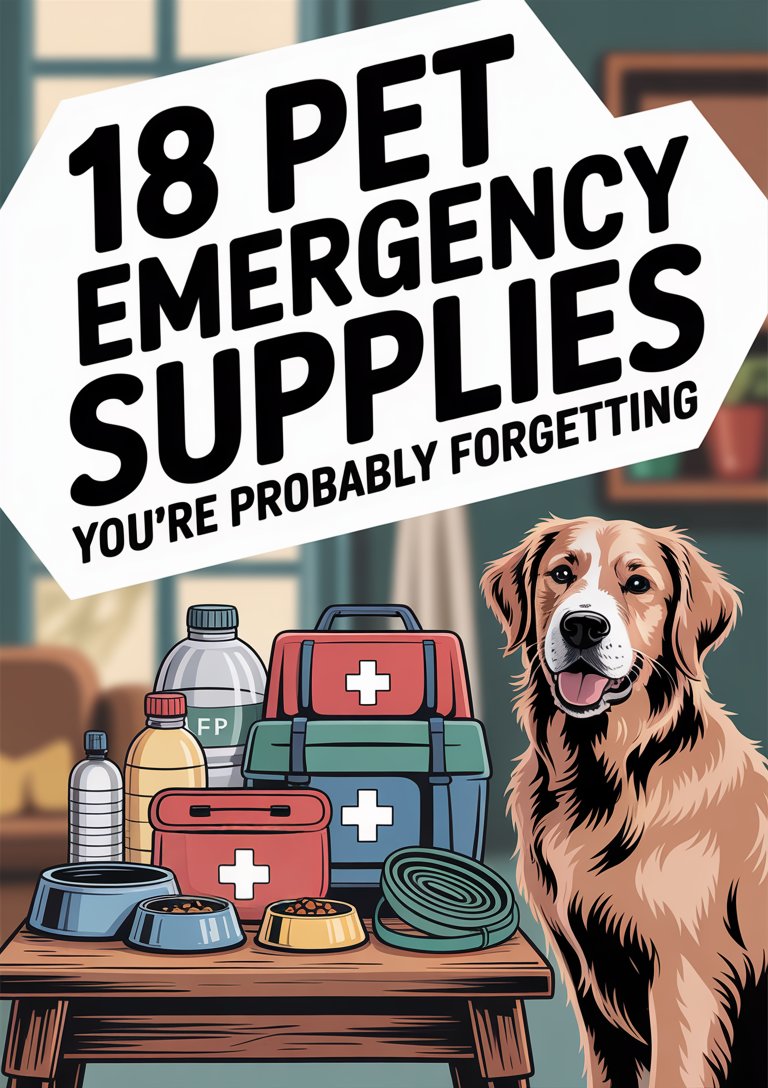
No surprise here: setting up a pet-friendly emergency shelter calls for a ton of gear. You’ve got to think beyond bowls and leashes. Extra crates, bedding, cleaning materials, and even admin stuff like name tags or intake forms all matter in the long run. You may also discover there are different requirements for each possible disaster scenario, so having an adaptable plan is priceless.
- Crates and Kennels. Ideally, you want one enclosure per animal so they don’t stress each other out.
- Food and Water. Aim for at least a two-week supply of food that meets different dietary needs. According to the Best Friends Animal Society, keep an adequate supply of your pets’ medications too, so you’re not scrambling for refills [2].
- Sanitation Supplies. Disinfectants, garbage bags, gloves, mops—because nothing derails a shelter’s morale faster than poor cleanup routines.
- Comfort Items. Blankets, toys, or even a soft towel can lower an anxious animal’s stress. For more tips on easing pet anxiety, see calming anxious pets emergency.
- Documentation. Keep a binder or digital log of intake forms, volunteer assignments, and any microchip data. Need more guidance on record-keeping? Check out pet emergency documentation.
Stock Up On Food And Water
When you’re pooling resources for an emergency shelter, remember that animals can go through food (and water) quickly, especially if you’re aiming to help beyond your own pets. Planning for extra never hurts:
- Diverse Diets. Some animals might be on special formulas or have allergies. If you’re helping a variety of pet owners, try to have a range of options.
- Expiration Dates. Rotate your stock so it doesn’t go bad. It can be helpful to label food containers with purchase or expiration dates.
- Water Storage. Whether you use large water barrels or portable containers, keep them clean and sealed. A single pet might not drink gallons per day, but multiply that by dozens of animals.
Keep Track Of Documentation
Nothing’s worse than trying to identify a lost pet without proper paperwork. If you’re helping others, you’ll want to store essential records in a central spot:
- Current photos of each pet
- Microchip info (chip number, company, and contact details)
- Proof of vaccinations
- Emergency contact numbers and addresses
Having these details in both digital and hard-copy forms ensures you have backups if the internet goes down. That’s the kind of forward thinking that can save an enormous amount of time and heartbreak.
Recruit And Organize Volunteers
Running a temporary shelter is a team sport. You need people to feed, clean cages, administer basic first aid, handle donations, transport animals, and more. Many folks in your community will want to help—often, they just don’t know how to get started.
Volunteer Roles And Training
A common rule of thumb is that you need one person for every 10 animals in a shelter, though you’ll want to plan for more if you can [1]. Some roles might be:
- Animal Caregivers: Feeding, cleaning, and ensuring each pet’s basic needs are met.
- Medical Support: Licensed vet techs or veterinarians able to conduct quick health checks.
- Administrative Staff: Managing intake forms and record-keeping.
- Runner/Transporter: Moving animals to outside services or picking up supplies.
Not everyone comes with direct shelter experience, and that’s okay. Inexperienced but motivated volunteers often flourish under strong leadership and clear protocols [1]. You just need to give them a bit of training. Spend time walking through the processes—feeding schedules, how to spot signs of distress, and how to keep themselves safe. A well-informed team is less likely to feel overwhelmed and more likely to stick around.
Encouraging Long-Term Engagement
Volunteers are the heartbeat of your shelter, especially in an emergency scenario. You want them to feel appreciated, informed, and empowered:
- Be Transparent. Let volunteers know the realities—budget constraints, the emotional toll, how long you might need them [3]. This honesty builds trust over time.
- Offer Ongoing Training. Regular check-ins or short training workshops keep skills fresh. This could include safety protocols, animal handling tips, or how to manage stress when they’re running on fumes.
- Foster A Community Feeling. Simple gestures, like a thank-you board or a volunteer appreciation potluck, show that every single person matters. Mutual support goes a long way when spirits run low.
For more about building connections with fellow pet owners and volunteers, you can check out pet owner networking emergency.
Implement Safety And Care Protocols
We all want a shelter experience that’s not just functional but humane. So let’s plan for medical protocols and guidelines on animal handling that keep everyone—two-legged and four-legged—feeling safe.
Medical And Vaccination Requirements
Your top priority is limiting the spread of disease. This means:
- Initial Health Screening. During intake, check for signs of infectious diseases like coughs, runny noses, or visible parasites. Quarantine if needed.
- Vaccination Records. Ideally, all animals come in with up-to-date shots, but emergencies rarely align with perfect documentation. Keep a supply of basic vaccines and treatments handy if permitted by local regulations.
- Regular Check-Ups. Set up a whiteboard or a shared database to mark which animals need follow-up or meds [1]. This helps staff and volunteers focus on the pets needing the most urgent care.
Keep in mind that having a backlog of medical tasks can snowball fast. If you can schedule daily “rounds” where a vet tech or knowledgeable volunteer checks on everyone, you’ll spot changes before they become big problems.
Handling Behavioral Challenges
Not every pet arrives calm and happy, especially if they’ve just been through a scary event. You could see aggression, fear, or defensive behaviors:
- Use Proper Restraints. A harness or slip leash can offer control without harming the animal.
- Separate Areas By Temperament. Aggressive animals shouldn’t be housed near ones who are extra anxious.
- Seek Professional Guidance. If you’ve got a volunteer who’s trained in animal behavior or a partnership with a local trainer, lean on them for advice.
When you do run into particularly tricky situations, pet behavior emergencies can offer additional insights on de-escalating tense moments.
Plan Communication For A Crisis
You might be thinking, “Why do we need a specific plan for talking about a crisis?” But here’s the thing: if your community doesn’t know there’s a safe place for pets, or if your volunteers don’t get clear directions, your shelter could get overwhelmed or underused.
Transparent Messaging
During high-stress times, clarity is everything. A thoughtful and consistent message about your shelter’s purpose, the challenges you’re facing, and how people can help builds trust [4]. Include:
- Your Mission. Remind everyone why the shelter exists: to protect and care for pets displaced by an emergency.
- The Urgent Challenges. Whether you’re short on crates, staff, or medical supplies.
- Ways To Help. Let people know about volunteer openings, donation drop-off points, or online fundraising channels.
Maintaining Community Trust
Keeping the goodwill of the local community makes a massive difference because neighbors, businesses, and even local governments often come together to supply resources in a crisis. A few ways to maintain trust:
- Regular Updates. Let your community know the state of the shelter—how many animals you’re housing, what supplies are needed, any success stories.
- Celebrate Successes. Share stories of reunited families or an anxious pet who’s finally settled. These highlights remind everyone the shelter is making a real difference.
- Show Appreciation. Quick shout-outs on social media or even an in-person thank-you event for volunteers or donors let folks know that their help matters.
Prepare For Evacuations
In some emergencies, you might have to go a step further and relocate your entire operation—or you may need to guide individual families who must leave their homes. Better to integrate evacuation plans into your broader shelter strategy ahead of time, rather than fumbling when the order comes to move.
Mapping Out Multiple Routes
You never know which roads might be closed or unsafe during a disaster. So it helps to:
- Identify Potential Destinations. This could be another warehouse, a partner shelter in a neighboring town, or a series of pet-friendly hotels or fairgrounds.
- Plan Several Routes. Keep a physical map (not just your phone’s GPS) in case you lose electricity or cell service.
- Tag And Organize Animals. Use color-coded tags to denote which group an animal belongs to. It streamlines the process when you must relocate quickly.
Including Pets In The Plan
You already know you can’t leave animals behind if you need to clear out. The Red Cross recommends evacuating your pets along with you, and marking your home with a rescue sticker to guide first responders if you leave before they arrive [5]. Show others in your community how to:
- Keep crates near an exit
- Pack pet emergency kits with meds, food, and documentation
- Label crates clearly with your contact info
If you have personal reasons or special circumstances, your plan might look different from your neighbor’s. The important thing is that each person’s plan integrates their pets—no exceptions. For additional advice on big life changes that may impact preparedness, you can see pet emergency prep life transitions.
Build A Safe Room At Home
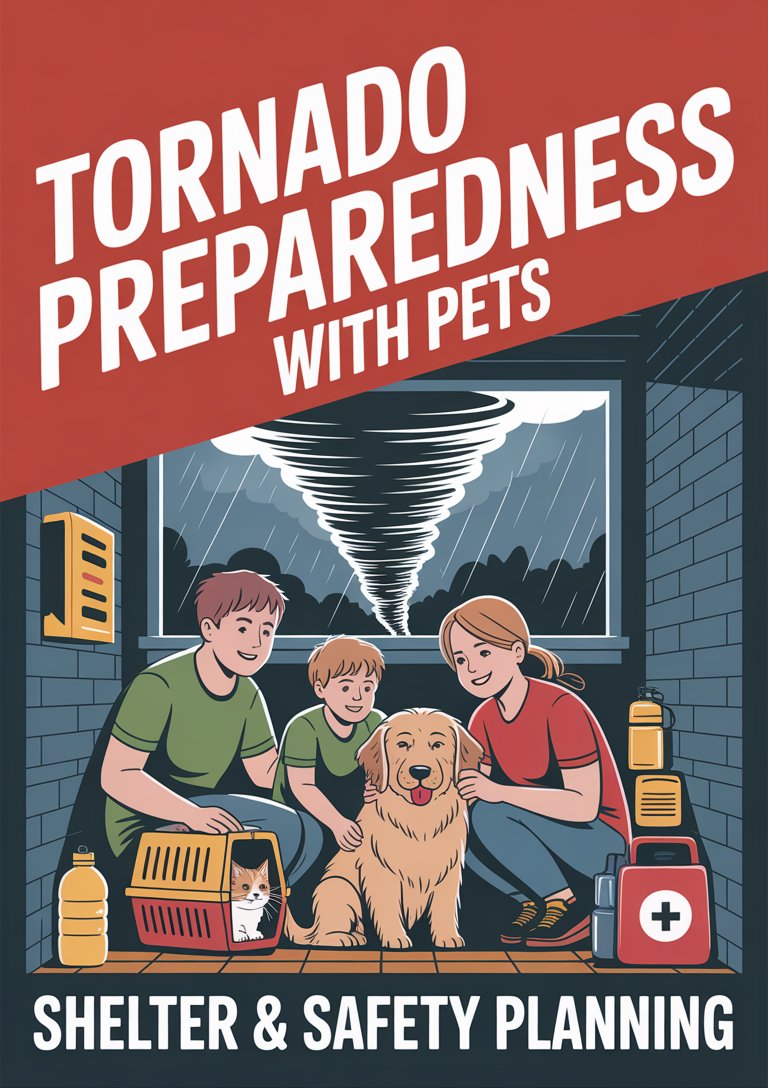
Sometimes, you may not be setting up a grand-scale public shelter. Instead, you just want your personal space ready for a tornado, hurricane, or other threat where you can stay put. A “safe room” helps you keep your pets contained, protected from debris or potential harm.
Basics Of A Dedicated Space
- Choose An Interior Room. Think a basement or a windowless bathroom. If you’re in a flood-prone area, aim for a higher level.
- Reinforce The Door. If you live in an area with high winds, a sturdy door (and even a secondary lock) can reduce the risk of blowouts.
- Dog Beds Or Crates. This doubles as a calm zone where your pet already feels secure. Some folks keep a crate set up year-round, so the animal doesn’t resist entering it during a crisis.
- Emergency Kit. Keep essential forms, updated photos, food, and water readily available in sturdy containers. For more about the right items for different disasters, check out pet supplies disaster types.
Stocking Your Personal Safe Room
Alongside the obvious necessities like food and water, consider:
- Comfort Items. A few familiar toys or blankets from your pet’s everyday life can ease their tension in a high-stress moment.
- First Aid. Basic pet first aid info can be found in apps from the Red Cross [5]. You could print out instructions, too, in case you can’t access your phone.
- Waste Management. A small plastic kiddie pool lined with absorbent materials can serve as a makeshift litter box or potty area if you’re trapped indoors for a while.
Keep Volunteers Engaged
Even if you’re setting up a home-based safe room, you might rely on friends or neighbors for backup. In larger community shelters, the role of volunteers is obviously front and center—no single person can run an entire facility alone.
- Focus On Accessibility. Volunteers come from all sorts of backgrounds and skill levels, so make the sign-up process straightforward and welcoming. According to the ASPCA, inclusivity leads to higher success with volunteer engagement [3].
- Offer Clear Position Descriptions. People love knowing exactly what they’ll do. Define tasks, timelines, and benefits so they can decide where they fit best [6].
- Supervise Positively. Select a volunteer coordinator who’s communicative and uplifting. Their energy sets the tone for everyone else.
Show volunteers how integral they are—when they feel needed and appreciated, they’re more likely to stick around.
Keep Improving Over Time
Creating a pet emergency shelter setup is not a one-and-done scenario. It’s an evolving process where checklists, protocols, and even the physical layout might change as you learn and grow.
Reviewing And Updating
- Annual Risk Management Review. The Best Friends Animal Society suggests examining recruitment, screening, and supervision processes each year to reduce potential pitfalls [6].
- Update Contact Lists. People move, phone numbers change, and volunteers might shift roles. Keep your main contact sheet refreshed every few months.
- Refine Protocols. Did you discover a better way to track daily feeding schedules? Found a simpler sign-in sheet that prevents confusion? Keep these lessons documented and share with everyone involved.
Encouraging Community Support
Your shelter’s longevity often depends on the support of pet owners who know it exists and value its mission. So keep encouraging your community to stay informed:
- Host occasional workshops on emergency pet care.
- Team up with local groups or rescue organizations.
- Invite them for “open house” days where they can see how the shelter operates and maybe adopt a pet or two if that’s part of your vision.
And if you’re ever faced with a situation that seems beyond your capacity, consider leaning on specialized support. For instance, the ASPCA National Field Response team offers protocols for short-term housing in large-scale emergencies [1]. You’re never alone in wanting the best possible outcome for these beloved animals.
Conclusion: Stay Prepared And Empowered
At the end of the day, we’re all just trying to keep our four-legged family members safe when the world outside gets unpredictable. Whether you’re building a large-scale community facility or designating one secure space at home, your efforts in setting up a reliable pet emergency shelter can make a dramatic difference. Picture it like a big security net you hope you never fully need, but one that eases your mind knowing it’s there.
Keep your eyes open for new insights, stronger volunteer networks, and better resources as you navigate this path. With proper planning, clear communication, and ongoing community support, you’ll be able to offer both the animals and their humans a feeling of relief and hope during life’s toughest moments. And don’t forget: taking even quiet steps now—like gathering extra supplies, organizing essential records, or coordinating volunteer sign-ups—helps you stay ahead of the game. Slow and steady beats panicked, last-minute chaos every time.
So here’s to you and every measure you take to protect those wagging tails, purring companions, and curious critters. In moments of crisis, the comfort of a warm, well-run shelter can mean the world. Keep going—together, we’ve got this.