How Much Should Your Emergency Fund Really Be
Discover Your Emergency Fund Purpose
When you think about the ideal emergency fund amount, it’s natural to wonder if there’s a one-size-fits-all answer. Truth is, we’re all juggling different expenses, family situations, and life goals, so it’s perfectly fine that your best friend’s number might differ from yours.
The good news is, building an emergency fund isn’t about strict formulas, it’s about protecting you and your family when life throws those unexpected curveballs. And trust me, we’ve all been there—cars break down, the kids need braces, or you suddenly have to fix that leaky roof. Having a stash of funds ready to tackle surprises helps you avoid dipping into your long-term savings or racking up high-interest debt.
An emergency fund isn’t just a safety net, it’s peace of mind that you can cover urgent bills or replace lost income if need be.
Yes, it’s about money—but it also preserves your sense of control. It’s that extra cushion that says, “I got this,” no matter what the world serves up next. You’re free to focus on your family, your job, or those small everyday joys rather than lying awake at night second-guessing how you’d handle an unexpected crisis.
Don’t worry about setting it all up at once. Start small. Pick a target that feels doable, then gradually work toward your deeper goal. For some families, a few hundred dollars is a meaningful first step. For others, it might be setting up a start emergency fund that hits the $1,000 mark.
No matter the size, the mere act of saving—even if small—signals that you’re prioritizing your financial well-being.
At the core, ask yourself what you most want to protect: maybe it’s your rent money, your children’s daily essentials, or your car that gets you to work. Identifying these priorities can give you a clearer sense of how much you should aim to save. And remember, you’re not alone in figuring all this out.
We’re doing this together—creating a buffer for life’s ups and downs, and ensuring that even unexpected bills won’t derail your goals.
Estimate Your Monthly Expenses
A big step toward finding the right emergency fund amount is to get real with your monthly costs. If you’re like most of us, it’s easy to underestimate how much you spend until you map it all out.
So let’s do a simple exercise: before deciding how large your safety cushion should be, chart out the basics you need to keep life running.
- Housing: Rent or mortgage, utilities, maintenance fees
- Transportation: Car loan or lease, gas, insurance, public transit
- Food: Groceries, meals, snacks
- Child-related Costs: Daycare, school lunches, extracurricular activities
- Insurance: Health, life, disability
- Debts: Credit cards, student loans, personal loans
- Miscellaneous Essentials: Phone, internet, pet care, household items
When you list out these areas, focus on the essentials—those bills that absolutely must be paid no matter what. Add them up for a clearer monthly snapshot.
This step can shine a light on where your money goes and let you prioritize what’s truly vital if an emergency hits. You might be surprised at the total, or maybe you’ll see easy opportunities to reduce spending so you can funnel more into your emergency fund. Here’s a simple table that can help:
| Expense Category | Estimated Monthly Cost |
|---|---|
| Housing | $ |
| Transportation | $ |
| Food | $ |
| Insurance | $ |
| Debts | $ |
| Other Essentials | $ |
By filling in real numbers, you give yourself a baseline for how much you’d need if income suddenly dropped or big costs arose. Some folks aim for one month’s worth of expenses in their emergency fund right away, while others target three, six, or even twelve months.
That might sound like a lot, but don’t let the idea overwhelm you. Think of your fund as something you build in increments—one paycheck, a small windfall, or the proceeds from a yard sale can all be steps toward that ultimate goal.
This approach helps you see how each line item contributes to your overall financial picture. If you’re feeling a little intimidated by the final total, know that’s normal. It’s also a good sign you’re taking this seriously.
Embrace it as the motivation to get started and keep going. With each small deposit into your emergency fund, you’re giving yourself and your family the freedom to handle obstacles without draining other critical resources.
Factor In Income Stability
Once you’ve pinned down your monthly expenses, it’s time to consider how stable your income is. If you or your spouse has a steady job with reliable paychecks, you might have a consistent flow of money to rely on during small hiccups. But if your household has variable income—say you do contract work, freelance projects, or rely heavily on tips—there’s a bigger risk that money might not come in as predictably.
In periods of income uncertainty, you might aim for a larger emergency fund amount. This not only means you can weather months when work slows down, but you also won’t feel pressured to resort to high-interest debt or skip essential bills.
While the general guidelines often call for three to six months of expenses, households with unpredictable pay sometimes opt for eight to twelve months’ worth. That might sound huge, yet when you’re facing a dry spell between projects or dealing with an unexpected layoff, that extra padding can ease a ton of stress.
You might be asking, “But how do I stack up that kind of money?” The answer is to do it gradually.
Consider setting an automatic transfer that moves a small portion of each paycheck into your emergency fund. If your income fluctuates, shift a little extra to savings in your busiest months, because you know leaner times might be around the corner.
That’s where having a plan—and sticking to it—will spare you from the frantic “How do I pay rent this month?” scramble.
Also, if you’re part of a dual-income household, having two salaries might reduce your overall risk.
Still, if one partner is in a less stable field or something changes in your family dynamic (like needing to care for an aging parent or temporarily cutting back hours after having a baby), you’ll want to keep that in mind. Look at your situation from all angles: if one person’s job includes robust benefits and the other’s job is less secure, meet in the middle with your emergency fund planning.
All in all, thinking about the reliability of your monthly income can help you feel more confident in the amount you’re saving. Nobody wants to imagine worst-case scenarios, but preparing for them makes all the difference in how well you’ll bounce back when life decides to keep things interesting.
Together, we’ll focus on building that steady, reassuring cushion that won’t buckle under a bit of pressure.
Prepare For Medical And Family Needs
For many women and families, medical bills can creep up unexpectedly. That’s why your emergency fund should account for the possibility of hospital stays, prescription drugs, or even a routine doctor’s visit that ends up costing more than anticipated. It’s not about being paranoid—it’s about being proactive.
As a parent or caregiver, you can’t predict if your child will need braces, or if an aging family member might need additional help in the near future. But you can set some money aside so you’re not blindsided by these events.
Think about your health insurance coverage: Do you typically owe a high deductible before your plan starts covering expenses? How about copays for specialists or physical therapy?
If you already know that your insurance leaves some gaps, factor in a cushion for those costs. Even if you’re generally healthy, consider the possibility of a sudden illness, an accident in the family, or unexpected mental health support. You might not be able to pinpoint the exact financial figure for every scenario, but you can estimate a range so your emergency fund has extra layers of security.
The process doesn’t have to be complicated. You might begin by looking at last year’s medical expenses. Even if you had minimal bills, it’s a good benchmark for typical yearly spending. Then think of any upcoming life changes: Are you expecting a baby? Putting your toddler in daycare? Caring for elderly parents? These factors can shift your budget significantly.
And remember, it’s okay to adjust your plan as life evolves. If you find yourself facing new medical challenges or family responsibilities, you can always boost your savings target.
It might help to break big goals into smaller steps—start with saving enough to cover one month of potential health-related expenses, then aim for three. Over time, you’ll develop a sense of security that only grows with each deposit. You’ll rest easier knowing these critical pieces of your life are covered, one dollar at a time.
Account For Debt And Savings Goals
We get it—debt can feel like a giant anchor when you’re just trying to stay afloat, especially if you’re also hustling to save money.
So how do you juggle paying off debt while still building an emergency fund? The short answer is, you do both in tandem, but you prioritize differently depending on the debt’s interest rate and your personal comfort level.
Credit card debt with sky-high interest is a big drain, so many experts suggest focusing on knocking that down fast. However, it’s still wise to stash at least some cash in your fund. You don’t want to throw every spare dollar at your credit card bill only to find you have zero savings if your car breaks down next week. So think of it this way: put enough in your emergency fund to handle smaller issues (maybe set a mini-goal like $1,000), then turn your attention to crushing high-interest debts. Once those are under control, revisit your emergency fund to build deeper reserves.
Student loans, car loans, or mortgages usually have lower interest rates, so tackling them might take a bit more time. That doesn’t mean you ignore them. Just schedule those payments like clockwork while continuously feeding your emergency fund with a more modest amount. Later, when bigger debts are squared away, you can supercharge your savings to reach that three-to-six-month cushion. If you ever do need to dip into your buffer, you can reference how to rebuild emergency fund strategies—because life happens, and that’s okay.
Also consider other major savings goals: Are you working toward a house down payment, planning a dream family vacation, or ramping up your retirement? All these aspirations can coincide peacefully with your emergency plan, as long as you’re intentional about how you allocate funds. It’s almost like having different buckets. You have the big “emergency fund” bucket that exists purely for pressing needs, then separate buckets for your fun or future-oriented dreams. That way, if an emergency arises, you aren’t forced to raid your vacation fund or shortchange your long-term goals.
Balancing debt and savings is definitely a dance, but it’s one you can master. If you hit a tight spot, just remind yourself that every little bit helps. Even a small monthly contribution to your emergency fund can add layers of protection. Over time, you’ll find the rhythm that keeps your debt obligations in check while still letting your emergency cushion grow. It might not happen overnight, but a steady, thoughtful approach will get you there.
Navigate Inflation Concerns
It’s no secret that the cost of everyday essentials—from groceries to childcare—can creep up year after year. Sometimes it sneaks up slowly, other times it feels like prices jump overnight. That’s where accounting for inflation becomes part of fine-tuning your emergency fund amount. Even if you’ve saved three months of expenses, that figure might not stretch as far as you hope if costs spike. We’re living in a world that changes all the time, and being prepared for price shifts can make a real difference.
How do you factor inflation into your savings? One method is to review your fund each year and bump up your target if you notice your monthly essentials have climbed. Maybe your grocery bill used to be $400 a month, and suddenly it’s $500. Instead of just accepting the new reality, you can add that extra hundred dollars to your monthly expense calculations for your fund. That way, if an emergency hits, you’re not scrambling to deal with higher costs using an outdated budget.
Another thought is, if you have room in your monthly budget, invest some of your overall savings in vehicles that can outpace inflation a bit—like a high-yield savings account. This doesn’t mean lock away your emergency fund in obscure investments. Accessibility is crucial for emergencies, so keep your main cushion readily available. But if you have multiple “layers” of savings, the top layer could be in a slightly higher interest-bearing account, while the base layer stays completely liquid.
You can also keep an eye on long-term inflation trends—are there particular expenses in your life that shoot up faster than others? For example, if you’ve got small children, nursery fees or after-school care may climb faster than the core Consumer Price Index. Recognizing these patterns helps you figure out how much extra you should stash beyond the baseline you calculated when times were cheaper.
It might sound complex, but you don’t need a finance degree to handle it. Just set aside a little time once or twice a year to check if your emergency fund is still enough, or if you need to top it off. If you’re looking to bolster your fund in simple ways, try a mini-savings challenge, like the 5 savings challenge, which can help you stay on track without feeling overwhelmed. Keeping an open mind about inflation isn’t about preparing for doom and gloom, it’s about making sure your financial cushion remains comfy, no matter what’s happening in the economy around you.
Choose Savings Tiers
Sometimes it’s easier to think of your emergency savings in tiers. The first tier might be one or two months of expenses, which can handle everyday curveballs like a flat tire or an unexpected medical bill. That’s your immediate safety net. From there, you gradually build out the second tier—maybe this is the next three months of expenses, so that you have a full six months total.
This approach works nicely if the idea of saving six months’ worth of expenses in one go feels overwhelming. It’s basically chunking an ambitious target into more realistic, week-by-week goals. For many families, that sense of bite-sized progress is huge for motivation. After all, depositing $50 or $100 at a time can feel like drops in a bucket, but those drops add up faster than you think.
When you plan your tiers, you might label them something like this:
- Tier 1: 1 to 2 Months of Expenses
- Tier 2: 3 to 4 Months of Expenses
- Tier 3: 5 to 6 Months (or More) of Expenses
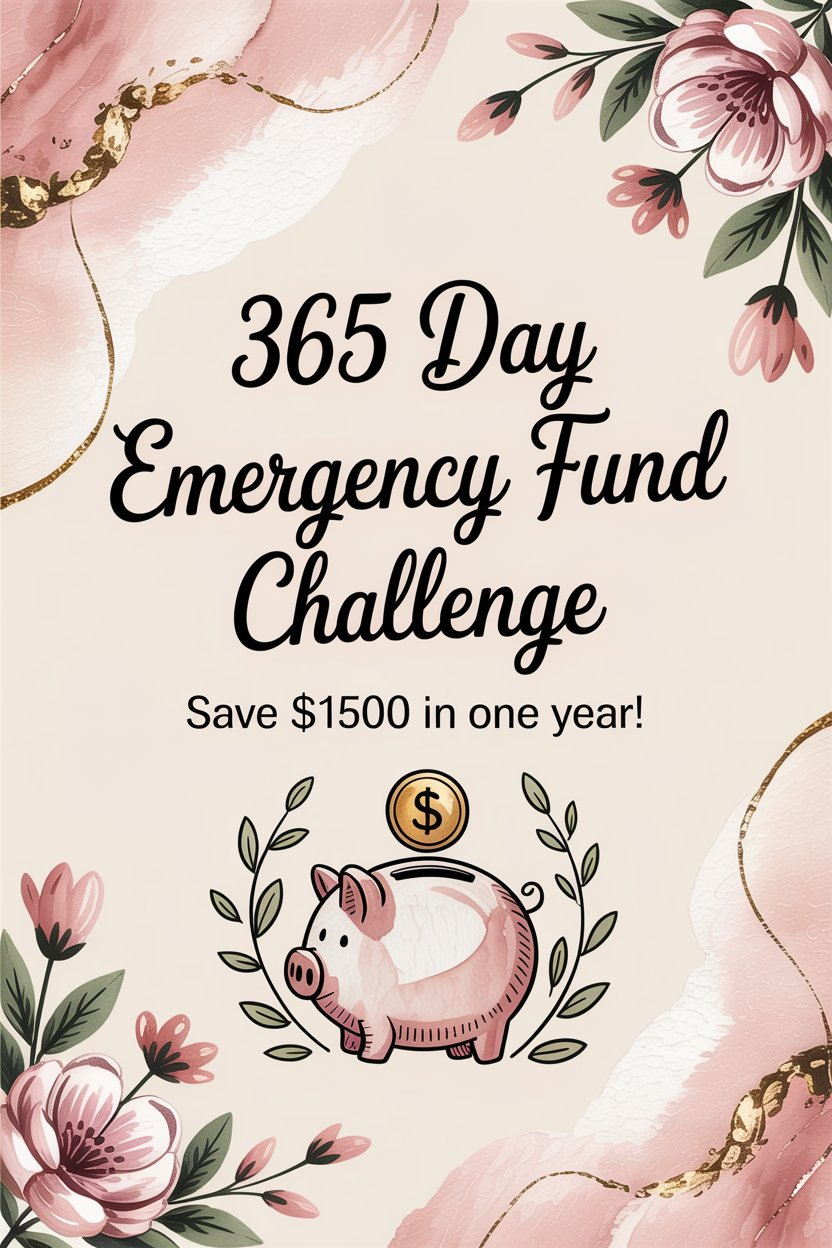
You could stop there, or you might aim even higher if you have fluctuating income or big medical concerns. Also, if you like adding a dash of fun to saving, you might try the year-long emergency fund challenge, turning each deposit into a mini-celebration and making the process feel less like a chore. Plus, breaking up your final target into smaller milestones is a big morale booster. Each time you hit a tier, give yourself a quick pat on the back. You’re actively safeguarding your family’s well-being one tier at a time.
As you move forward with this strategy, remember that you can always revisit your tiers. Life changes, sometimes quickly. If you pick up another family member on your insurance, if you relocate to a pricier city, or if you decide to go back to school—these all alter your monthly needs. So think of your emergency fund as a living, breathing part of your finances. It grows with you, constantly adjusting so you know you’re still okay if something unexpected comes along.
Keep It Accessible But Safe
When building your emergency fund, you want a secure spot where you can get to your money quickly, but without the temptation to spend it on everyday wants. A typical checking account might be too easy to dip into for random expenses, while certain investment accounts can force you to wait (or pay penalties) when you need cash. It’s all about striking that Goldilocks balance—accessible, but not so accessible that it’s gone with a simple swipe of your debit card.
Many people find high-yield savings accounts a good fit for this. They’re relatively safe, offer a bit more interest than standard savings, and can usually be accessed within a day or so via transfer. Or you might keep part of your emergency stash in a money market account. Some folks even like having a bit of emergency cash at home in a locked box for very immediate needs, though be mindful of how much you keep on hand for safety reasons.
If you’re considering other options, like a certificate of deposit (CD), just watch out for the penalties if you need your money before it matures. A CD might offer slightly better returns, but it often locks your funds for a set period. While that can be great for discipline—no impulsive spending—it can be nerve-wracking in an emergency if you can’t get to your cash without fees. The question boils down to how comfortable you are having those funds tucked away for a specific term.
In addition to choosing the right location for your money, consider how you’ll label your accounts. Often, simply renaming an account “Emergency Fund” can psychologically remind you that those dollars are off-limits for unnecessary splurges. You’d be surprised how powerful a small mental trick can be. If you want further clarity on where best to stash your savings, you might check out our overview on where to keep emergency fund for more ideas.
Ultimately, the best approach to storing your fund is the one that helps you tap into it quickly when a real crisis arises, but doesn’t tempt you every time there’s a weekend sale. Make it a deliberate choice instead of an impulsive one, and you’ll find the balance that keeps your funds safe, accessible, and dedicated to genuine emergencies.
Maintain And Build Consistently
Growing your emergency fund isn’t a one-and-done deal. Anyone who’s used their savings for a car repair knows you might have to top it off again. Life has its way of throwing curveballs—so you treat your emergency fund as a living project, always subject to change and growth. Think of it less as a static savings pot and more like a buffer that expands and contracts alongside your family’s needs.
One of the easiest ways to maintain momentum is to automate your contributions. Whether it’s $20 or $200 per paycheck, set up a transfer that moves money right into your emergency fund—no extra button presses required. Automation takes the guesswork (and temptation) out of the process. Before you know it, you’re consistently adding to your fund without having to think too hard about it.
Additionally, when you come into a little extra money—maybe a work bonus or a tax refund—consider putting a slice of that windfall directly into your emergency account. Sure, it’s tempting to spend it all on something fun, but allocating even half toward your safety net can do wonders for beefing up your balance. As you watch the account grow, you’ll feel more confident taking on whatever life doles out, whether it’s a vet bill for the dog or a sudden job shuffle you didn’t see coming.
You’ll also want to keep track of how often you dip into your fund. If you’re tapping it regularly for near-daily or monthly expenses, you might not have sized it correctly, or other areas of your budget need some tweaking. An emergency fund should serve as a last resort for true unforeseen events—if it’s becoming your go-to for paying typical bills, revisit your budgeting approach. Nobody’s perfect, and you won’t always get it right the first time. We’re all in the same boat, adjusting constantly to find what works.
Last but not least, give yourself permission to celebrate small wins. Each time your balance reaches a new milestone—maybe $500, then $1,000, then $5,000—it’s okay to feel proud. That’s money you set aside specifically to shield your family from life’s chaos. If you ever stray or spend it down, there’s no shame in starting again. Check out tips on how to avoid emergency fund mistakes so you can stay on track. Over time, that consistent focus and steady progress will turn your emergency fund into a powerful tool of financial security.
Embrace A Flexible Mindset
Finally, remember that an emergency fund is never just about the number in your account—it’s also about your mindset. Life is unpredictable, from job changes to health issues to global events we can’t control. But you can adapt, pivot, and course-correct as needed. The best part? You’re allowed to change your target emergency fund amount over time as you gain clarity, pay off debts, or see your expenses shift.
When a genuine emergency does strike—say you need your fund for a medical bill—you don’t have to feel guilty or discouraged about spending it. That’s precisely why it exists: a safety net, ready to catch you. If dipping into your savings leaves you with less than you’d like, you can always rebuild. Over time, you’ll figure out your sweet spot, whether that’s three months of expenses, six, or even more. You might expand it if you switch to freelance work, or temporarily keep it on the smaller side if you’re in a stable job with few responsibilities.
Try not to overthink or compare yourself to others. There’s no single magic formula that dictates how every household should do this. One family might prioritize paying off a student loan at 6% interest more quickly, while another might prefer a six-month buffer for peace of mind before aggressively tackling debt. Each choice has trade-offs, so it’s about deciding what puts you at ease. Listen to your intuition and keep your focus on what your family genuinely needs.
If you ever feel stuck on how to begin, how to maintain your progress, or how to pivot when your circumstances change, just remind yourself: this is all part of a bigger journey toward financial freedom. We’re not meant to get it perfect from day one. Rather, we learn, adjust, and keep going. And each day you decide to add a little more to your emergency fund, or refine your monthly expense list, or plan for a bigger cushion, you’re setting yourself up for resilience. You’ve got this, and you’re not alone. With each deposit, you’re building a safety net that stands between you and the unexpected. That’s real power—knowing you can move forward without fear, confident that if a rainy day comes, you’re ready to face it head-on.