Emergency Planning vs Anxiety Finding the Healthy Balance
Ever feel that flutter of unease when you think about packing a go-bag or drafting your family’s escape route? Trust me, you’re not alone. Finding the right emergency planning anxiety balance can feel like walking a tightrope, especially when you’re juggling carpools, meal prep, and work deadlines. But here’s the thing, with a few friendly strategies, we can keep our loved ones safe without letting stress take the wheel. Let’s dive in together.
Understand Emergency Planning vs Anxiety
We all want to protect our families, but sometimes the thought of “what if” spirals into midnight worries. Here’s a thought: emergency preparedness is about control—anxiety is about feeling out of control. When we blend the two just right, planning becomes empowering rather than overwhelming.
I get it, you’ve read lists of 72-hour kits and evacuation routes, and your mind races: “What if I miss something? What if I panic when it really matters?” That’s anxiety talking. It’s natural to feel apprehensive, especially when stakes are high. But emergency planning isn’t supposed to feel like another source of dread—it’s meant to give us peace of mind.
So let’s separate the prep from the panic:
- Emergency planning focuses on actionable steps, checklists, and simple routines.
- Anxiety feeds on “unknowns,” creating scenarios that rarely play out exactly as imagined.
By acknowledging that our worries are separate from our to-do lists, we can keep stress in check. We’re in this together, and a balanced approach means planning for the essentials without spiraling into “what if” overdrive.
Recognize Anxiety Triggers
That being said, knowing what sparks your stress can help you dial it back. Here are common anxiety triggers when prepping for emergencies:
- Information overload: Scanning endless articles or watching every disaster special can feel like drinking from a firehose.
- Perfectionism: Thinking your plan has to be flawless, or it’s worthless.
- Uncertainty: Worrying “What if I lose power and can’t find my list?” or “What if my kids panic?”
- Time pressure: Feeling like you need to finish everything in one afternoon.
Here’s a quick self-check exercise:
- List your top three fears about emergencies.
- Notice where your thoughts jump ahead—to tornadoes, power outages, or school lockdowns.
- Ask yourself: “Which of these can I address with a simple step today?”
I totally understand how it feels when your heart starts racing at every weather alert. The key is catching that reaction early. When you spot a trigger, pause, take a breath, and remind yourself that you’re building safety—one small task at a time.
Embrace Simple Planning Steps
Trust me, emergency prep doesn’t have to be an all-weekend affair. Quick wins build confidence and shrink anxiety. Let’s break it into bite-sized actions:
Choose Your Meeting Spots
- Pick two safe locations: one near home, one outside your neighborhood.
- Share addresses with everyone in your circle—kids, grandparents, babysitters.
Assemble a Basic Go-Bag
- Essentials only: water, snacks, flashlight, first-aid kit, phone charger.
- Tuck in a small list of emergency contacts and any critical meds.
Create a Quick Contact List
- List three key numbers: local emergency services, a nearby friend, an out-of-area relative.
- Store it in your phone and print a copy for your go-bag.
Here’s the beauty of this approach: each step takes just 10 to 20 minutes. Those tiny wins add up, and you’ll feel your confidence growing. Plus, if planning ever feels too much, you can revisit emergency planning feels overwhelming for gentle tips on pacing yourself.
Tailor Plans For Your Family
Every family is unique, and your emergency plan should reflect that. We’re not robots—we have kids with sensory issues, seniors with mobility challenges, and pets who panic at loud noises.
Here’s how to customize:
- For Busy Moms and Caregivers
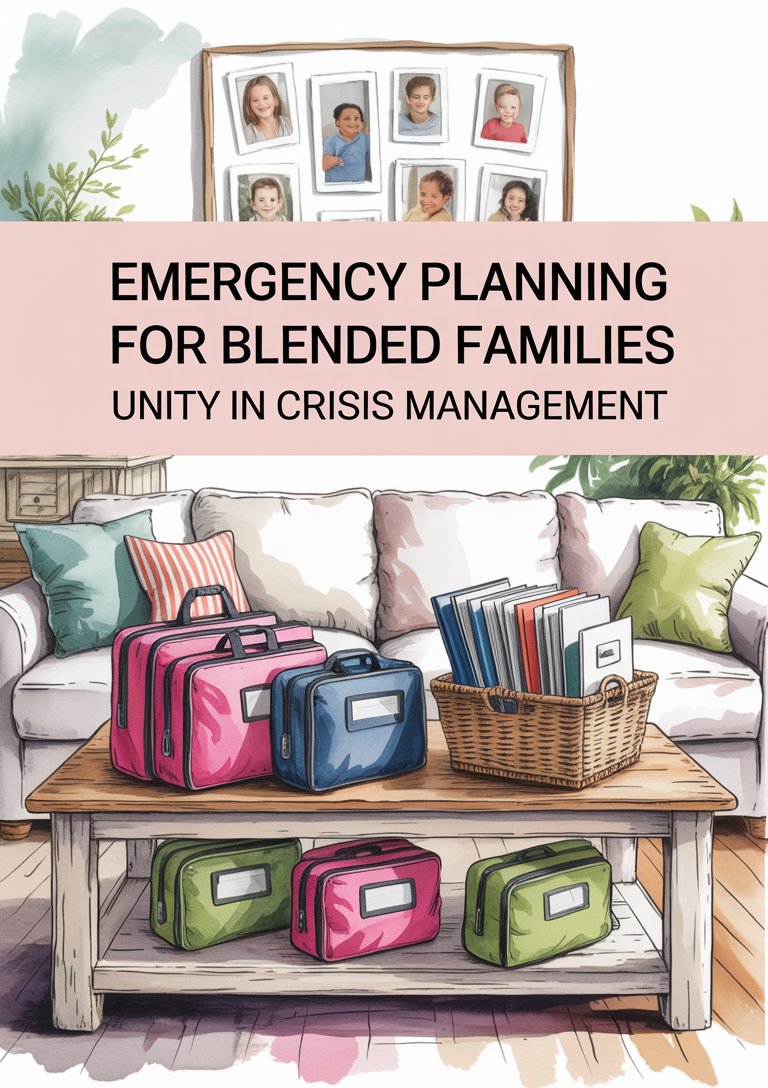
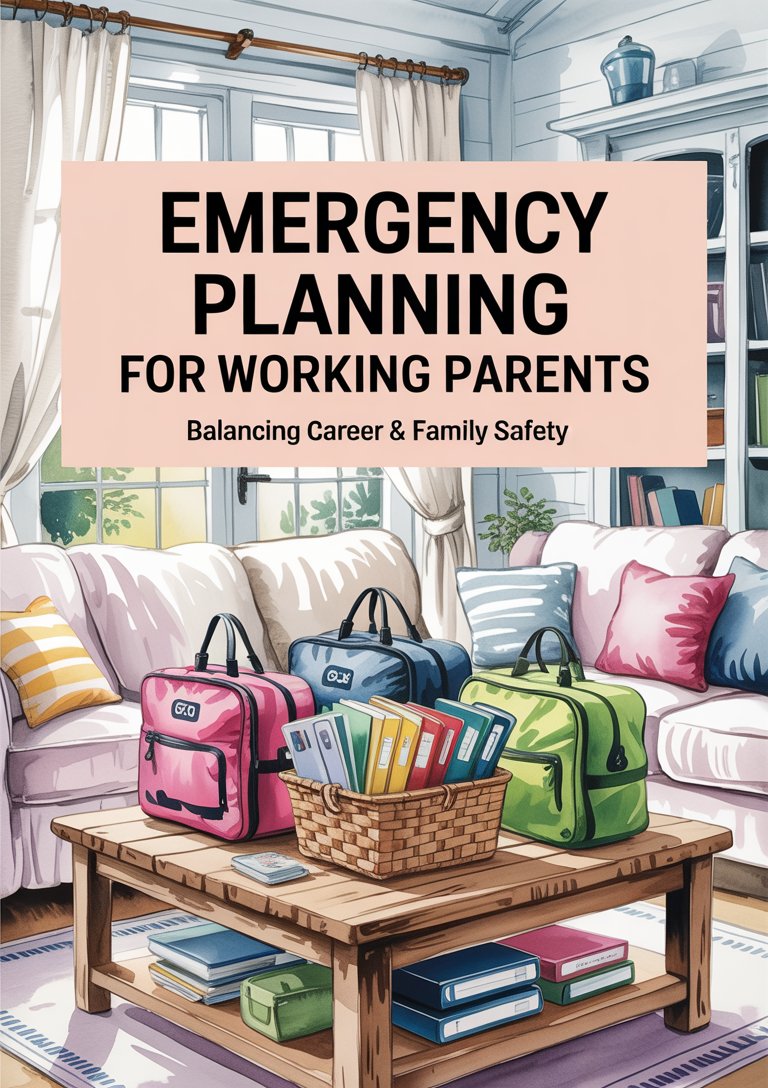
• Pre-label kits by person: color-code backpacks or bins.
• Keep medicines and comfort items in a portable tote.
• Read more on planning with caregiving duties at emergency planning caregivers. - For School-Age Kids
• Practice drills at home so they know routines.
• Use simple role-play: “You’re the teacher, you tell me where to go.”
• Engage teens by letting them pick a snack for the go-bag. - For Multi-Generational Households
• Map out ground-floor meeting points for seniors.
• Ensure mobility aids are accessible; consider a small wheelchair bag.
• Check out ideas at emergency planning multi generational.
We’ve all been there—trying to make everyone happy while juggling schedules. Customizing your plan ensures it actually works when you need it, reducing last-minute chaos and calming your nerves.
Keep Planning Budget Friendly
Listen, you don’t need to clear your savings for survival gear. Building a basic emergency kit can be surprisingly wallet-smart. Here’s how to stretch every dollar:
- Raid Your Pantry First
• Canned foods, dried grains, even leftover snacks can go in a backpack.
• Rotate items monthly so nothing spoils (and you avoid waste). - Shop Dollar Stores and Clearance Racks
• Find flashlights, batteries, and first-aid supplies for less.
• Grab sturdy tote bags or plastic bins on sale. - Use What You Already Own
• Old backpacks, tote bags, and shoeboxes make perfect containers.
• Repurpose school supply pencil cases for meds and small items.
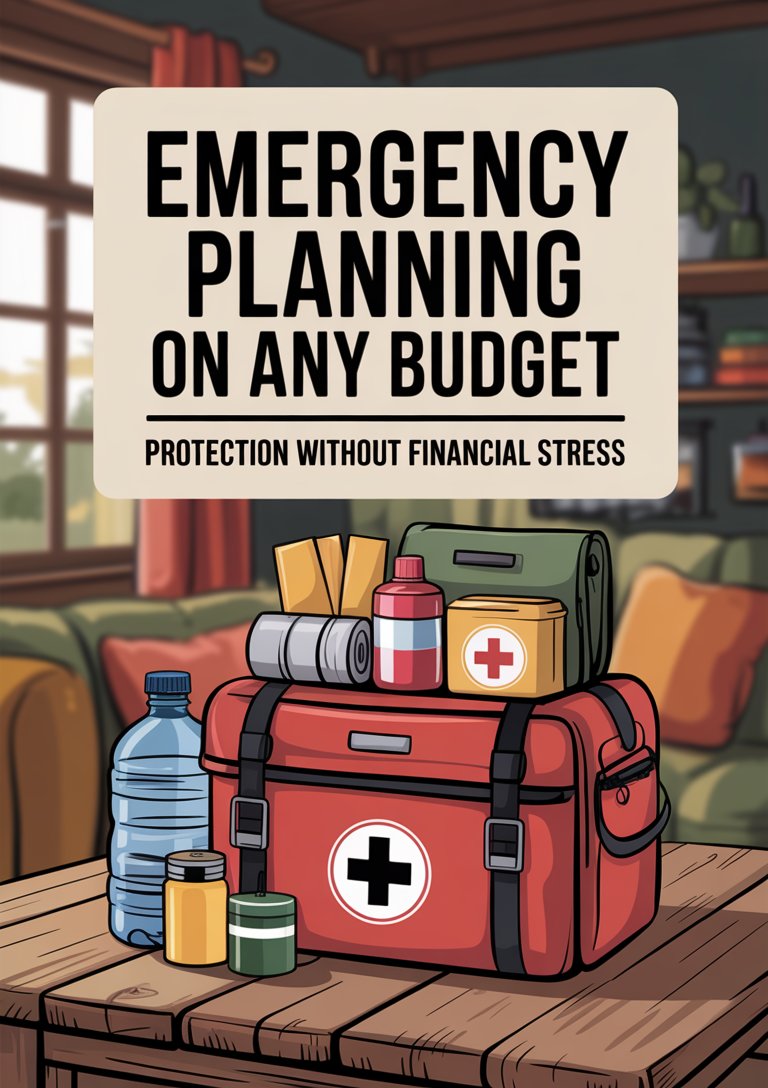
Don’t forget, emergency prep has major mental health benefits. Knowing you’ve got basics covered is a huge stress-buster. And if you need more thrifty ideas, our guide to emergency planning any budget has you covered.
Practice And Review Regularly
That being said, planning only sticks when you practice. Think of your emergency routine like a fire drill at school—it’s not endless panic, it’s muscle memory.
Set a quarterly reminder to:
Check Expiry Dates
- Rotate water bottles, canned goods, and meds.
Test Equipment
- Turn on flashlights, charge power banks, and swap batteries if needed.
Review Meeting Spots
- Confirm everyone still knows the location; update if your routine changes.
Refresh Contact List
- Verify phone numbers, especially for babysitters, neighbors, and out-of-area relatives.
Here’s a thought: turn it into a family weekend game. Offer a small reward—maybe homemade cookies—for the household member who spots the oldest canned good or the weakest flashlight beam. It makes the whole process fun and cements those routines.
Balance By Focusing On Well-being
We’re all in this together, and planning is as much about self-care as it is about safety. When we prioritize our emotional health, we reduce the chance of panic during real emergencies.
Try these stress-management tips:
- Breathe and Visualize
• Spend two minutes imagining successfully executing your plan.
• Focus on calm feelings—your family is safe, you’re in control. - Journal Quick Wins
• After each planning task, jot down “I did it!”
• Celebrate those small successes; they build resilience. - Practice Mindful Moments
• Take five minutes each day to stretch, meditate, or simply sip tea in silence.
• Notice how your body feels—tension often lives in the shoulders and jaw.
Remember, a calm mind thinks clearly. When you nurture your own well-being, you equip yourself to lead the family through challenges with confidence and grace.
Lean On Support Resources
Here’s the truth, you don’t have to do this alone. There are tons of resources built for busy families like ours:
- Community Workshops
• Local fire departments and community centers often host free preparedness sessions.
• Invite a friend and make it a mini-playdate. - Online Groups
• Join social media circles focused on emergency planning—you’ll find tips, checklists, and real-life stories. - Expert Guides
• Dive into specialized topics, from emergency communication planning to complete family emergency planning. - Family and Friends
• Assign tasks: one person handles supplies, another tracks contacts, and another practices drills.
• You’ll be surprised how much lighter the load feels when shared.
We’ve all been there, facing that mountain of prep and thinking, “I’ll tackle this someday.” Leaning on resources and your own support network can turn “someday” into “today,” minus the anxiety overload.
Cabin Chat
Here’s a thought—let’s sit by the virtual fire and chat. You’ve got questions, and I’ve got answers. Fire away.
What if I don’t have time for drills?
- Short practice runs work wonders. Do a 2-minute walk-through of your exit plan once a month; it adds up.
How do I keep kids from panicking?
- Make drills playful. Use a stopwatch or a reward chart—kids love a challenge.
I’m on a tight budget. Is prepping still possible?
- Absolutely. Use pantry staples and repurposed containers. Little steps count.
My teen thinks this is overkill—how do I involve them?
- Give them leadership roles: snack selector, tech checker, or route planner.
I worry I’ll forget to update contacts. Any reminders?
- Set quarterly calendar alerts. Tie them to a routine chore, like spring cleaning.
Can planning actually reduce my day-to-day stress?
- Yes, knowing you have a plan boosts confidence and eases general anxiety.
Should I include neighbors in my plan?
- Definitely. A buddy system adds safety and shares the load.
Keep these tips in your back pocket—you’ve got this. Whenever uncertainty creeps in, remember we’re in it together, and every step you take today strengthens your family’s safety and your own peace of mind.