How Inflation Affects Your Emergency Fund And What to Do About It
Understanding The Impact Of Inflation
Have you ever noticed how your favorite groceries or daily necessities seem to cost more than they did last year? That steady increase in prices, also known as inflation, may feel subtle at times, but it can seriously affect your emergency savings over the long run. When you’re preparing an “inflation emergency fund” to protect your family in tough times, it’s important to realize inflation can erode the true value of the money you’ve set aside. Essentially, a dollar saved today might not stretch as far tomorrow.
We’ve all been in a place where we feel comfortable storing our savings in one spot and calling it a day. Yet as we watch prices climb—for everything from produce to household supplies—it becomes clear that inflation can eat away at our precious safety net. This isn’t meant to scare you. Rather, it’s a gentle nudge to take a closer look at how you’re nurturing your emergency cushion. The good news is that there are proactive steps you can take to keep your money’s purchasing power as strong as possible. Let’s explore how inflation factors into your emergency savings and what you can do to protect your finances.
Why Your Emergency Fund Matters
Before we dive deeper, let’s remind ourselves why an emergency fund is crucial in the first place. Life has a way of throwing curveballs—job loss, medical bills, home repairs—that can come out of nowhere. We create an emergency fund so we can handle these surprises without completely derailing our financial stability. Even a modest amount can help you avoid taking on high-interest debt.
Because we’re talking about protecting this crucial fund from inflation, it’s vital to remember your goals. You want easy access to your savings, enough money to cover a few months of expenses, and peace of mind knowing you can weather unexpected storms. When inflation creeps up, though, it can reduce how far those dollars will go if and when you actually need them.
There’s also the reality that your lifestyle might evolve over time. You may need a bigger place for your growing family, or you might face new medical considerations. The cost of these possible emergencies grows as inflation marches on. In short, your emergency fund needs to keep pace not just with today’s prices, but tomorrow’s as well.
How Inflation Erodes Purchasing Power
Inflation may not be something you feel every single day, but over months or years, it can significantly change what your money can buy. Think about gasoline prices, for instance. A small, steady increase each year can add up and eat more of your budget. Similarly, if your emergency fund stays the same amount while living costs rise, you’ll afford less in a true crisis.
- Rising cost of essentials: Groceries, utility bills, and everyday supplies gradually become more expensive.
- Housing and healthcare costs: Rent, mortgage payments, and healthcare services can climb, making emergencies involving housing or medical care heavier on your wallet.
- Impact on savings: Money tucked away in a low-interest (or zero-interest) account fails to keep pace with price increases.
When the gap between inflation and the returns on your emergency fund widens, you’re effectively losing purchasing power. Imagine setting aside $5,000 in a jar today. In five or ten years, that same $5,000 likely won’t pay for the same list of costs it does now. The key insight is noticing that inflation’s slow pace can lull us into a false sense of security. Over time, it chips away at the true worth of your savings.
Setting Realistic Emergency Fund Goals
So, how much should you actually save to keep up with inflation? Many experts recommend having enough money to cover three to six months of living expenses. But that’s just a baseline. If your personal circumstances include higher costs or a larger family, you might aim for nine months or more. You could even expand your safety net if you anticipate big changes on the horizon, like a new child or a potential job shift.
As inflation changes the cost of living, you’ll want to check your emergency fund annually—maybe even more often if times are uncertain—and see if you still have enough saved. Consider factors like:
- Your current monthly budget.
- Any upcoming life changes (new family members, new career path, health issues).
- The inflation rate, which affects prices on groceries, gas, and beyond.
This periodic check-in helps you sense whether your fund is in good shape or if it needs a little boost to stay on par with rising expenses. If you’re unsure where to begin, you might find it helpful to compare how inflation has shifted your monthly costs. Then, ask yourself whether your emergency reserve still stands strong.
Choosing The Right Account For Your Savings
One of the earliest decisions you’ll make is where to park your emergency fund. You want your money to be:
- Easily accessible (so you don’t jump through hoops in an actual emergency).
- Earning at least some interest to help keep pace with inflation.
Traditionally, people have kept emergency funds in standard savings accounts. That’s still valid, but many families look at high-yield savings accounts or money market accounts. These options usually offer a better rate than basic savings, without significantly compromising your ability to access the money quickly.
If you’re just getting started, or you need a refresher, check out our resource on how to start emergency fund. You’ll find tips on choosing an account that’s right for you, plus strategies to make the entire setup process a bit more seamless.
Balancing Liquidity And Growth
A crucial aspect of selecting your emergency fund’s home is balancing liquidity and growth. While it’s tempting to chase higher returns in stocks or longer-term investments, those come with greater risk and might not be easily convertible to cash. The goal behind an emergency fund is stability, so you typically want a liquid account—something that lets you withdraw your funds fast without penalty.
If you’re comfortable exploring new routes, there are also certain government-backed options that aim to protect against inflation (like Treasury Inflation-Protected Securities). But keep in mind, TIPS might not be as quickly accessible as a simple high-yield savings account. Everyone’s comfort level with risk is different. The key is finding that sweet spot between your personal risk tolerance, your need for immediate access, and the desire to outpace inflation at least a little.
Updating Your Savings Strategy Over Time
Inflation can fluctuate. In some periods it’s high. Other times it remains relatively stable. That’s why a set-it-and-forget-it approach to emergency funds can leave you falling behind. Every so often, especially if inflation rates seem to be rising fast, revisit your savings plan. Ask yourself:
- Has my monthly budget gone up significantly?
- Are there new additions to my family—or new financial responsibilities?
- Is my current account still offering a competitive interest rate?
These questions let you gauge if you need to increase monthly contributions or find a new spot to store your stash. Adaptability is your friend here. Inflating circumstances don’t need to be scary if you take them as signals to adjust.
For instance, if you discover an account that offers a better interest rate and is just as easy to access, it may be time to switch. Or perhaps you realize your costs have soared, and you need to pad an extra month’s worth of expenses into your emergency savings. By regularly tuning in to your family’s changing needs, you can keep your emergency fund aligned with real-world conditions.
Calculating The True Value Of Your Fund
It can help to visualize how inflation might raise your monthly costs year over year. Let’s do a brief example. Suppose your basic monthly expenses right now are $3,000, and you’re aiming for a six-month reserve (so, $18,000 total). If you’re anticipating an annual inflation rate around 3%, next year those monthly expenses could increase to about $3,090. That means your six-month reserve after a year should be closer to $18,540—just to buy the same goods and services.
Below is a simple table illustrating how a modest inflation rate could affect a six-month fund over a few years. Note that actual inflation rates vary, so treat these as broad guidelines:
| Year | Monthly Expenses | Six-Month Target | Increase Compared To Original |
|---|---|---|---|
| 0 | $3,000 | $18,000 | — |
| 1 | $3,090 | $18,540 | +$540 |
| 2 | $3,183 | $19,098 | +$1,098 |
| 3 | $3,278 | $19,668 | +$1,668 |
While these numbers might not seem huge at first, the increases do accumulate, especially if you’re saving over many years. Keeping an eye on such incremental growth helps you stay ready for emergencies without letting inflation chip away at your confidence.
Strategies For Staving Off Inflation’s Effects
We’re all in the same boat when it comes to craving stability. So here are a few ideas that can help guard your emergency fund against inflation:
Automate Savings Contributions
Set up automatic transfers to your emergency account each month. This step ensures your fund grows steadily without depending on willpower. If inflation creeps up, consider bumping your monthly contribution by a small percentage.Consider Multiple Accounts
You might keep the bulk of your emergency fund in a high-yield savings account, while putting a smaller portion in something that tracks inflation a bit more closely, such as short-term TIPS. You still maintain easy access to a large share of your savings, but you also have a hedge against rising prices.Look For Promotions And Special Rates
Financial institutions occasionally offer temporarily higher rates to attract new savers. It can be worth diversifying or switching if the new rate helps keep you closer to inflation levels. Just be sure to check for fees, minimum balances, and the ease of withdrawal.Reassess Your Expenses
Sometimes, inflation can sneak up on you because of lifestyle creep or bills that get bigger for reasons unrelated to broad economic shifts. Keep an eye on subscription services, phone plans, and other regular costs that might be nudging your monthly outflow higher.Regularly Update Your Fund Goal
As we discussed, your ideal emergency fund target isn’t a static number. Keep revisiting it, especially if your household’s budget changes significantly.
By understanding these tactics and weaving them into your life, you give your emergency nest egg a fighting chance against inflation’s silent bite.
Balancing Cash With Short-Term Investments
If you’re feeling adventurous or you have a larger emergency fund, you might decide to put part of your savings into short-term, relatively low-risk investment products. Though most advisors caution against tying up all your emergency fund in stocks or long bonds (due to market volatility and limited access), a small slice in safer assets can add an extra shield against inflation.
For instance, if you maintain around three months’ worth of expenses in a highly accessible savings account, you could place another one or two months of expenses into assets that typically do better when prices climb. This approach can be a middle ground for those who want to preserve liquidity without letting inflation nibble away at everything. Just remember, the priority for an emergency fund is quick availability when you really need it—the last thing you want is to be forced to sell investments at a bad time to cover a sudden bill.
Avoiding Common Pitfalls
We’ve all been there, letting the daily rush push emergency fund upkeep to the sidelines. Before you know it, inflation has quietly chipped away at your savings. Here are a few pitfalls it helps to steer clear of:
Neglecting To Revisit Your Goals
Life changes, budgets change, and so should your emergency fund target. Make a habit of checking in at least once a year.Overestimating Liquidity Needs
It’s important to keep your emergency fund accessible, but parking every dollar in a zero-interest bearers-in-hand scenario might mean losing out to inflation. A balance of liquidity and moderate growth is often ideal.Ignoring Better Rate Opportunities
If you find your bank’s interest rate lags far behind the market average, it may be time to consider a new home for your savings. Even a small difference in annual percentage yield can matter when you’re storing thousands of dollars.Skipping The Cash Cushion Entirely
On the flip side, investing your entire safety net in higher-return assets can backfire if an emergency comes up during a market downturn or if you face withdrawal penalties.
Want to see more ways people might accidentally sabotage their savings? Our guide on emergency fund mistakes explores common errors and how to sidestep them.
Planning For Changing Economic Conditions
Inflation doesn’t always sail at a steady rate. Sometimes, economic conditions shift rapidly, or events around the world trigger unexpected spikes in prices. As you manage your inflation emergency fund, stay informed on general economic trends, but don’t obsess. A balanced, consistent approach tends to work better than constantly shifting your money around in reactionary moves.
For instance, if inflation rises sharply for a year or two, that might mean you’ll want to:
- Increase your monthly savings a bit to counter rising prices.
- Stay watchful of new banking options that offer higher returns, as financial institutions often adjust rates during inflationary periods.
- Check your budget to see if you can temporarily make do with fewer discretionary expenses so you can strengthen your savings faster.
However, once inflation settles down, you likely won’t need to keep supercharging your contributions as aggressively. The point is that your strategy should flex to match the moment—without throwing out every principle you’ve set. Even when times get tough, remember that your ultimate goal is financial peace of mind.
When To Dip Into Your Emergency Fund
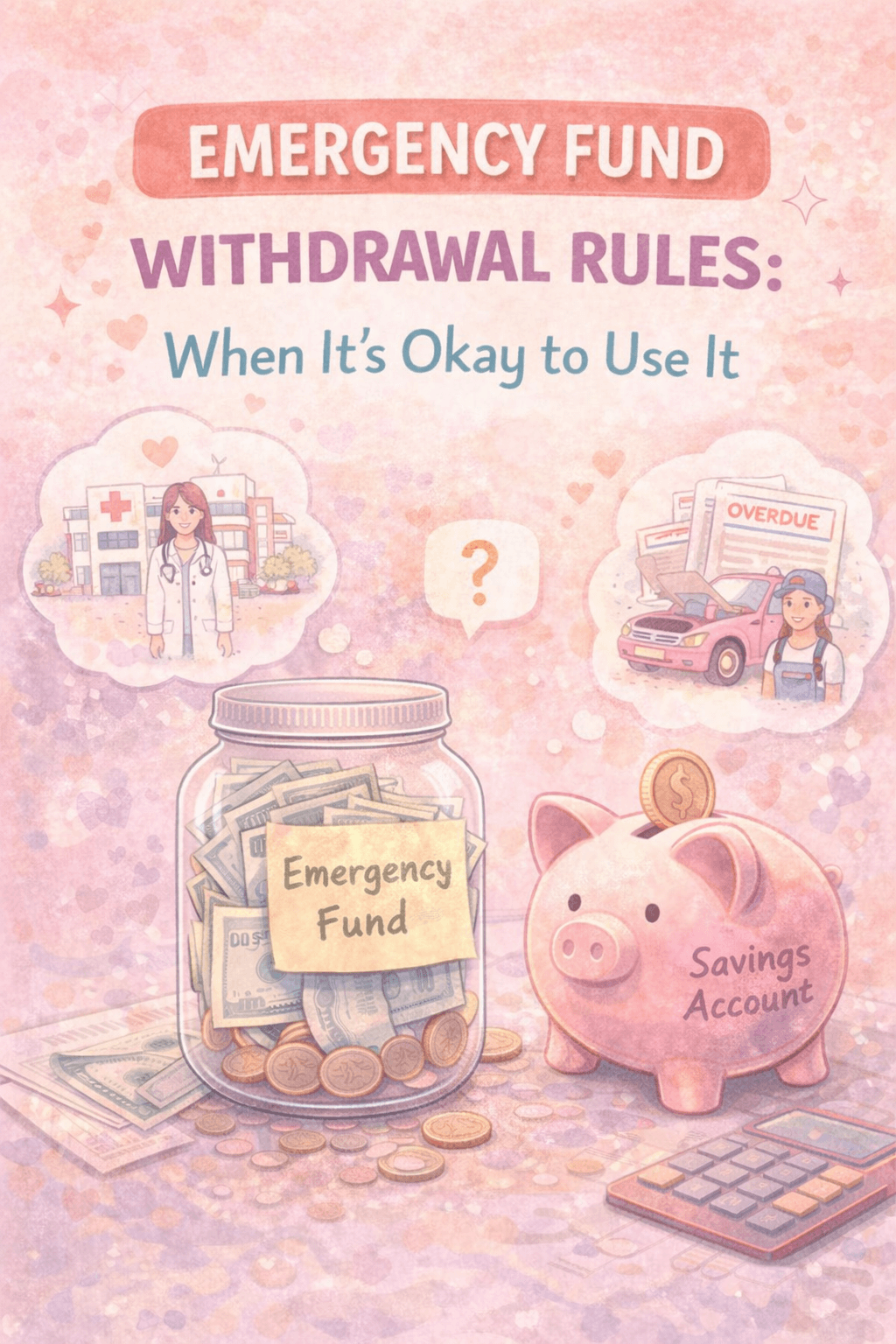
There comes a moment when you might need to use your emergency fund—maybe your car breaks down right before a big family trip or a sudden medical expense pops up. We all know how it feels to watch your hard-earned savings shrink. But that’s exactly why the fund exists. The key is using it wisely:
Confirm It’s Truly An Emergency
“Urgent and necessary” expenses relate to medical issues, job loss, or major home repairs—things you can’t simply postpone. Splurging on a new gadget or booking a fancy vacation doesn’t exactly count as an emergency (even if you really want it).Withdraw Only What You Need
If your medical procedure rings up to $2,000, stick to that amount from your fund rather than an even $3,000 “just in case.” Keeping a clear record of your withdrawals can help you remain intentional.Replenish As Soon As Possible
Once the crisis passes, get back on track by rebuilding any funds you had to take out. Even if you do it gradually, set smaller goals (like $100 or $200 a month) until you’re back up to your ideal amount.
For specific tips about how to access your fund when it’s necessary, you can explore our guide on accessing emergency fund. It walks you through making a withdrawal in a smooth way.
Maintaining Emotional Resilience
It’s easy to feel frustrated or anxious when inflation starts to undermine those carefully squirreled-away dollars. But think of your emergency fund as a long-term player in your financial plan. Your job is to keep emotions in check and focus on the practical steps that raise your sense of security.
We’re not robots, and money worries can spark all kinds of emotions—especially if you’re completing an emergency fund guide for the first time or trying to stick to a strict budget. Remind yourself that you’re taking positive action by adapting your savings strategy. Each adjustment you make is another way of saying, “I’m looking out for my family’s future.”
Teaching Your Family About Inflation
Talking about money can feel daunting, but it’s important to involve other members of your household in the conversation. If you have a partner or older kids, discuss why you’re making certain decisions with your emergency stash. Use this as an opportunity to teach them how costs change over time and why it’s important to save more than the bare minimum.
- If you have teenagers, maybe talk about the cost differences between groceries now and a few years ago.
- If you have a partner, compare rates for different accounts together so you both understand where the money goes.
- If you’re single, it still helps to chat with a trusted friend about your methods for tackling inflation. You never know what valuable insight they might offer.
By teaching your loved ones what’s really going on, you transform inflation from a nerve-racking concept into something you’re managing together. This sense of teamwork can make a huge difference in staying motivated to regularly update and check your savings.
Considering Long-Term Financial Goals
Your emergency fund might be your most immediate financial priority. Still, it’s part of a bigger picture that includes retirement, your children’s education, or other dreams like buying a home. Balancing all these goals can get tricky when inflation hits, but rest assured, it’s entirely possible to protect your emergency reserves while also planning for the future.
- Retirement Savings: If you’ve built your emergency fund to a comfortable amount, you can focus on shoring up retirement accounts that might have better long-term growth potential.
- Education Costs: College expenses are notorious for rising faster than general inflation rates. If you’re saving for a child’s education, compare that separate fund’s needed growth rate against your emergency savings.
- Homeownership Plans: If you’re looking to buy a house (or refinance), note that each percentage point in mortgage rates impacts your monthly payments. Stay mindful of how an increase might shape your emergency fund needs.
In times of high inflation, focusing on one immediate goal (like bolstering your short-term savings) might take priority, but you can still set aside smaller amounts for these bigger milestones. The key is to keep them on your radar so you don’t wake up years later realizing you’ve neglected other essential pillars of your financial life.
Practical Tips For Staying Prepared
By now, you understand how inflation can reduce the value of your money, especially if you leave it sitting in a low-interest account. Let’s get practical with a few everyday tips to ensure you’re prepared:
- Regularly Review Your Emergency Budget: At least once a year, note your actual monthly expenses. Have they climbed? If so, update your fund’s total.
- Set Calendar Reminders: Life is busy. Scheduling a six-month or annual check-in can keep you on track.
- Use Automatic Deposit Increases: If you already have automatic transfers, tweak them each year to match inflation increases. Even a small bump—like $10 more per month—can make a difference.
- Build A Buffer: If your goal is $18,000, you might aim for $19,000 or $20,000 instead, just to create a small extra cushion.
- Diversify Without Overcomplicating: If you do decide to place a bit of your money in something like a short-term certificate or TIPS, be sure it’s a manageable fraction so you still have quick access to the rest.
Following these tips helps you adapt to inflation’s shifts without feeling drowned in financial to-do lists. It doesn’t need to be stressful, just honest and consistent.
Leaning On Helpful Resources
No one should feel like they have to navigate inflation alone. If you ever feel overwhelmed, consider chatting with a financial advisor. A professional can help you understand how to structure your emergency fund for both safety and modest growth. You could also tap into community resources, like budgeting workshops or online forums where people discuss real-life experiences with inflation and savings.
We’ve also compiled a few resources across the site that dive deeper into specific areas:
- If you’re unsure about the right allocation, explore where to keep emergency fund.
- If you’re looking for a new challenge, the 5 savings challenge could be a fun way to boost your emergency fund month by month.
- If you’re revisiting the basics and want a concise overview, check out our emergency fund guide for a step-by-step approach.
No matter which route you take, reminder: you are not alone in this. Plenty of families and individuals are trying to outpace rising costs. By tapping into available resources, you’ll gain confidence and pick up creative tactics in the process.
Emergencies Beyond Inflation
It might sound obvious, but remember that inflation isn’t the only factor that shapes your emergency fund. You could face job loss, medical surprises, or major house repairs. What if the water heater decides to quit on the same day a storm damages the roof? Realistically, these “what ifs” can feel endless, but your best move is to build the strongest, most flexible fund possible.
- Plan For Multiple Emergencies: Sometimes crises can overlap. Having a well-stocked fund reduces stress if that happens.
- Keep Important Documents Safe: In a time of crisis, quick access to financial paperwork is critical. A financial emergency binder can help you keep all essential records in one place.
- Stash Some Cash At Home: A limited amount of emergency cash at home can be helpful for times you can’t reach a bank or ATM, though storing large sums at home isn’t recommended.
All of these considerations layer on top of inflation, giving you a broader sense of security. By covering your bases with multiple forms of preparedness, you ensure that your emergency fund remains effective whether inflation is high or stable.
Keep An Eye On Your Progress
A great way to stay motivated is to periodically check how far you’ve come with your emergency savings. Setting small milestones—like increasing your total by $500 or $1,000—and celebrating those mini-goals reinforces positive habits. Some folks like to use apps or a spreadsheet for this, while others prefer a simpler approach.
You might snap a photo of the running total in your account at the end of each month, or keep a jar of pom-poms where each represents a certain amount saved. When inflation tries to snag your spirits, these little reminders show how much progress you’ve already made. It’s like a personal pat on the back that says, “You’re doing it, keep going!”
The Bottom Line: Adapt And Overcome
Budgeting for emergencies is challenging enough without inflation in the mix. Yet with some mindful adjustments, you can maintain an inflation emergency fund that stays robust and accessible. The main takeaway? Don’t let inflation’s slow crawl catch you off guard. From picking the right savings account to revisiting your funding goals each year, a handful of thoughtful steps can go a long way toward keeping your safety net strong.
We’re all in this together, and it’s reassuring to know you can keep your emergency fund healthy even in the face of rising prices. Yes, it takes some intentional planning, but every time you update your fund to match your evolving life and ever-shifting costs, you’re telling yourself, “We’ve got this, no matter what.” Think of it as an ongoing conversation with your future self—one that says you’re worth protecting and that a lot of peace of mind comes from financial readiness.
Ultimately, the best thing you can do is remain flexible, stay informed, and celebrate the moves you’re already making. Keep revisiting how much you’re saving, whether interest rates are still competitive, and ways to manage inflation’s impact. Over time, you’ll strengthen your emergency savings in a way that feels secure and truly meets your family’s needs. And when life tosses you a curveball, you’ll have the confidence to say, “I may not love the unexpected cost, but at least I’ve prepared for it.” There’s real power in that knowledge—and in your ability to adapt and overcome.