Pet Emergency Preparedness for Rural and Farm Animals
Recognize The Risks
Let’s talk about rural pet emergency preparedness right from the start.
When you live outside the hustle and bustle of a city, you know how suddenly life can change, whether it’s a flash flood, a winter storm that knocks out power, or even a large-scale wildfire.
Out here in the countryside, services can be limited, roads might become impassable, and help could take longer to arrive. Believe me, it’s tough to think about emergencies when your everyday routine already keeps you on your toes, but the truth is that prepping ahead can make a huge difference.
We’ve all faced those moments when you’re not sure how to protect your animals if disaster strikes.
The good news is, you don’t have to tackle this alone. According to the American Veterinary Medical Association (AVMA), having a disaster plan is the first step for keeping everyone safe [1].
It’s a comforting reminder that rural pet ownership comes with strengths, like knowing your land and having a bit more space to store supplies, but it also brings challenges like distance from emergency services. That’s why being prepared in advance can lower stress for you, your family, and of course, your animals.
Create Your Emergency Plan
A plan might sound intimidating, but trust me, once you break it down, it becomes a supportive roadmap for you and your four-legged friends. Think of your plan as a series of small steps that add up to big peace of mind.
Identify Possible Hazards
- Common rural hazards can include wildfires, tornadoes, floods, or blizzards. If you’re near a flood zone, check out flood preparedness pets. Each situation may call for a slightly different plan, like which routes you’d take if evacuation becomes necessary.
Know Your Safe Spots
- Is there a barn on higher ground? A neighbor’s property that’s more secure? Designate safe areas where you can temporarily move your animals if you can’t fully evacuate. Pinterest-perfect? Maybe not, but emergencies rarely play out neatly. A sturdy shelter or a well-secured outbuilding might become a lifesaver.
Create Your Contact List
- Have a printed and digital list of emergency numbers, including your veterinarian, local animal shelters, and 24-hour clinics. The AVMA recommends this list stay with your kit at all times [1]. This way, even if your phone battery dies, you can still find help.
Involve Other Household Members
- Keep everyone on the same page by walking through what needs to happen if the power goes out or severe weather is heading your way. If you have children, consider an age-appropriate conversation about how to handle pet emergencies. You can even peek at kids pet emergency preparedness for extra tips on making them team players.
Don’t Forget Backup Plans
- Life happens, so have a secondary option. For instance, if you can’t reach your usual veterinarian, you might have a second clinic that’s further away but still feasible in a crisis. And if you own multiple animals with diverse needs, you may want to explore multi pet emergency preparedness.
Stock Up On Supplies
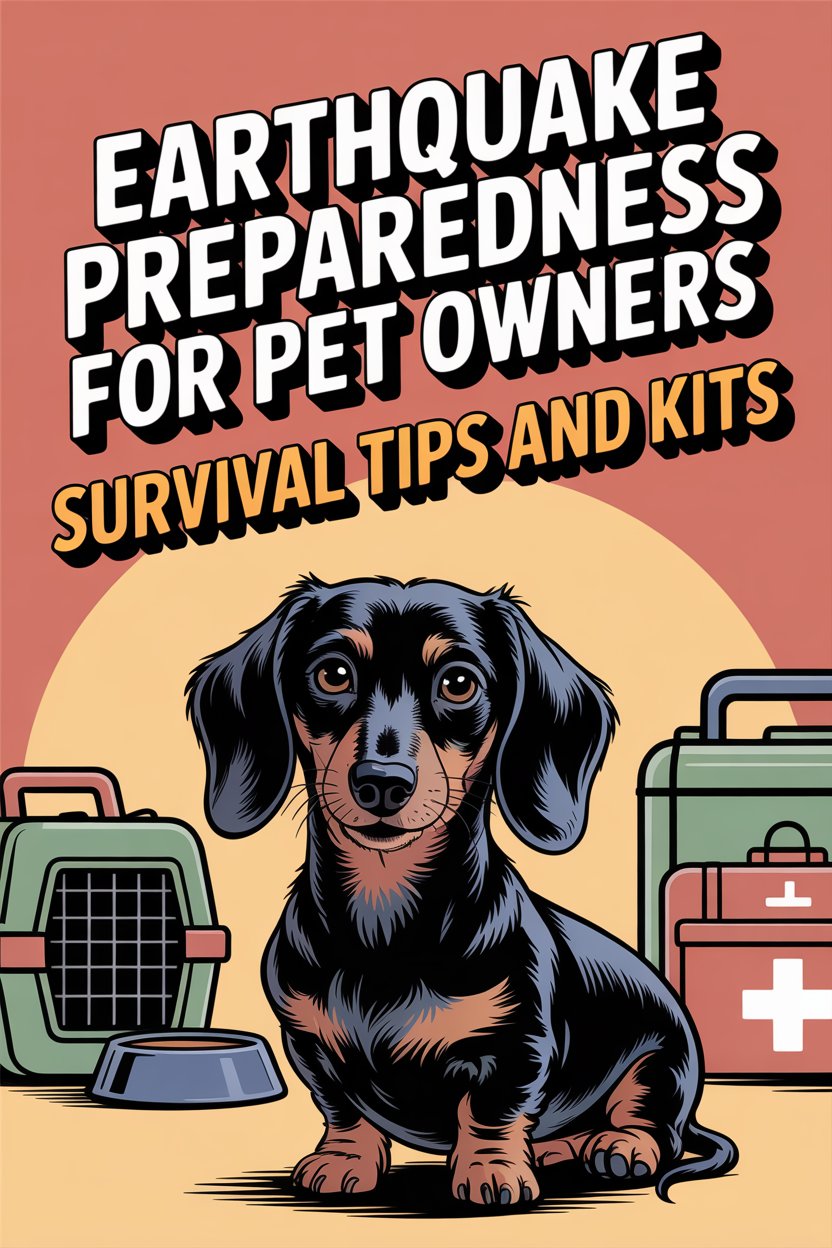
Now that you have a plan, it’s time to gather what you need. Prepping a kit well in advance can spare you frantic scrambling at the last minute. According to the Centers for Disease Control and Prevention (CDC), a disaster preparedness kit for pets should include water, food, medications, documents, and other supplies tailored to your situation [2]. Here’s a quick breakdown:
Food And Water
- Two-week supply of pet food, stored in airtight containers.
- Two-week supply of clean drinking water.
- Don’t forget bowls or feeders your animals are used to.
Medications And Documentation
- At least two weeks’ worth of prescription meds, if your animals need them.
- Vaccination records (hard copies and digital backups).
- Veterinary contact details and any relevant medical history.
First Aid Essentials
- Pet-safe antiseptic and gauze.
- Tweezers or forceps for removing small objects or ticks.
- Disposable gloves, bandage scissors, and tape.
- A pet-specific first aid reference (the AVMA highlights that first aid is never a substitute for proper veterinary care, but it can be life-saving in the moment).
- You might also want to look at pet emergency medical preparedness and pet first aid kit list for more ideas.
Sanitation And Comfort
- Disposable bags for waste.
- Hand sanitizer.
- Comfort items: a favorite blanket, toy, or bed can help ease anxiety. See pet emergency comfort items if you’re unsure what’s best.
Sample Pet Kit Table
Below is a quick table to help you visualize some basics for rural pets:
| Item | Purpose | Notes |
|---|---|---|
| Dry Food | Sustenance | Store in sealed container; rotate regularly |
| Bottled Water | Hydration | Calculate enough for 2 weeks per pet |
| Meds & Records | Health Management | Keep copies in a waterproof sleeve |
| First Aid Supplies | Immediate Care | Includes bandages, antiseptic, tweezers, etc. |
| Comfort Blanket | Emotional Support | Familiar scent helps calm anxious animals |
| Extra Leashes/Ties | Secure Movement | Helpful if you need to restrain or guide pets quickly |
Remember to label everything clearly and rotate items like food or meds before they expire. If you need ideas for a more budget-friendly approach, check out budget pet emergency preparedness.
Consult With Veterinarians
Working closely with a veterinarian is a game-changer in any preparedness plan. In rural areas, it’s especially crucial to have a strong, ongoing relationship with your vet. They can guide you on what vaccines or parasiticides to keep current, suggest specialized supplies (like hoof-care items for horses), and help you form a clear strategy if your region is prone to certain disasters. The AVMA emphasizes establishing a working connection with a vet ahead of time, to avoid scrambling during a crisis [3].
Schedule Regular Checkups
Prevention is your first line of defense. Regular health screenings can spot potential issues that become major problems during a disaster.
Use Veterinary Resources
AVMA’s “Save the Whole Family” guide is an excellent starting point [1]. They also provide a wealth of info on emergency clinics and what to do if your usual vet is unreachable.
Support Community Veterinarians
If you can, consider donating to local shelters or funds like the American Veterinary Medical Foundation. These efforts help ensure medical teams have the resources they need when large-scale disasters hit [1].
Plan For Evacuation
Sometimes staying put just isn’t an option. Hurricanes, wildfires, or toxic spills can force you to leave—and quickly. When an evacuation order arrives, your pets should be part of your travel plans. Ready.gov reminds us that having more than one kit is useful: a larger kit for sheltering in place and a grab-and-go kit if you must leave in a hurry [4].
Gather Travel Gear
Pet carriers, crates, or travel harnesses. A stressed-out animal might panic or run off, so secure transport is key. If your pets aren’t comfortable with carriers yet, do a few practice runs around the yard.
Know Your Evacuation Routes
Plan multiple routes in case roads are blocked. Keep in mind that not all shelters accept pets, though the Pets Evacuation and Transportation Standards Act (PETS Act) requires states to accommodate them under certain conditions [5].
Bring Them Indoors Early
The AVMA strongly suggests bringing pets inside at the first sign of a storm [1]. That way, you know exactly where they are, and they won’t bolt if thunder or high winds spook them.
Connect With Neighbors
We’re in this together, right? Sometimes you might be away from home when an emergency hits. Having a neighbor who can access your property and gather your animals can be a lifesaver. Return the favor if you can.
Explore Specific Situations
Evacuation steps might vary depending on the disaster type. If your area is prone to wildfires, you can read more at wildfire pet evacuation. Flood hazards? Swing by flood preparedness pets. Having a tailored plan beats a one-size-fits-all approach.
Also, consider reading pet evacuation planning for a deeper dive into transport logistics and best practices. Evacuations can be scary, but with the right preparation, you can keep your animals calm and close.
Prepare Large Animals
Rural life often means you’re caring for bigger critters like horses, goats, cows, or pigs. This can add another layer of complexity to emergencies. While you can pick up a cat or leash your dog, relocating a 1,000-pound horse is a different story.
Identify Safe Shelter For Livestock
- Sometimes, local fairs, rodeo grounds, or stables may offer refuge for animals if you need to evacuate. Knowing these locations—and how to get there—keeps panic at bay when time is short.
Practice Loading And Transport
If your horses or livestock aren’t used to trailers, do some training runs on a calm day. Stressful times are not ideal for teaching new skills. This way, they’ll be less skittish if you need to move quickly.
Coordinate With Neighbors
In rural communities, collaboration can be a powerful tool. A neighbor might have extra trailer space, or you might share resources like feed and bedding in a pinch. This mutual support can literally save lives.
Keep Identification Handy
Livestock ID is critical. Tags, microchips, or brands ensure you can reclaim your animals if you get separated during an evacuation.
Large animal evacuation might also mean giving local emergency personnel a heads-up about how many animals you have, where they’re located, and the best way to move them. Clear communication before a disaster can reduce confusion and help everyone work together safely.
Prepare For Medical Emergencies
Disasters aside, everyday medical emergencies can spring up without warning. Bleeding, choking, or seizures are among the top concerns that should prompt an immediate vet call, says Cornerstone Veterinary Services [6]. But let’s face it, in rural areas, “immediate” might mean more drive time than you’d like. So it helps to know the basics:
Recognize Signs Of Distress
Rapid breathing, excessive whining or meowing, sudden lameness, or not acting like themselves are red flags. Check signs of pet medical emergency if you’re unsure.
Administer Basic First Aid
Stopping severe bleeding or helping a choking pet is something you can do before a vet visit, but always follow up with professional care. First aid isn’t a replacement for a veterinarian—it’s a bridge to keep your pet stable.
Learn Animal CPR
In serious cases, CPR can mean the difference between life and death. According to experts, training can be found through local animal shelters or specialized workshops. If you have big animals, be sure to look for instruction specific to large livestock, as their physiology is quite different.
Keep A Veterinary Go-Bag
Include items like extra antibiotic ointment, sterile dressings, saline flush, or any special meds your animals might need. Label them neatly for quick access. If your vet has given you guidelines for an ongoing condition (like diabetes or arthritis), store those instructions in your bag, too.
You might find more pointers in our resource common pet emergencies. Being proactive can ease your worries and protect your animals from permanent injury.
Maintain Ongoing Preparedness
Preparedness isn’t a one-and-done activity. It’s something you maintain so that it’s still reliable six months or a year from now. We know that replacing expired items or updating phone numbers can feel like extra work, but those small tasks pay off when trouble comes knocking.
Refresh Supplies And Kits
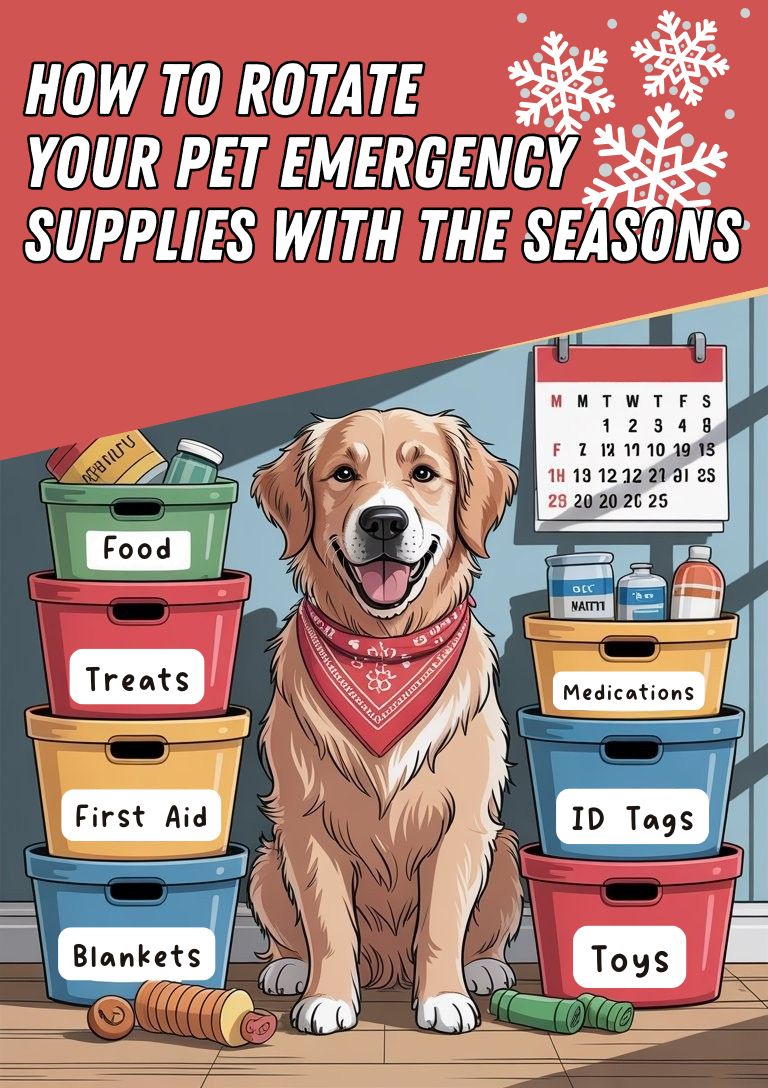
Keep an eye on expiration dates for food, medication, and first aid materials. The CDC suggests rotating items regularly so they’re fresh when you need them. If you’d like more organizational tips, see rotating pet emergency supplies.
Conduct Drills
Sounds official, right? But even a quick “let’s load up the animals in the trailer and see how it goes” drill can reveal issues you never thought of. Maybe your horse balks at the ramp, or your donkey takes forever to move. Work on these hiccups now, not when the sky is dark.
Stay Current With Vet Visits
Health conditions can shift over time. A medication dosage that worked well last year might need adjusting. Check in with your vet to tweak your plan.
Keep Everyone Involved
Let friends, neighbors, and visiting relatives know how your plan works. This is especially important if someone else might need to feed your animals or escort them to safety.
Finally, give yourself a little pat on the back for your diligence. Preparing for emergencies is a significant investment of time and resources. When you stick with it, you protect not just your beloved animals but also your own peace of mind.
From building a kit to planning for severe weather, rural pet emergency preparedness might feel like a big job. But you don’t have to do it all at once, and you certainly don’t have to do it alone. Everyone in your community—neighbors, farmers, veterinarians—can be part of this journey of readiness. The biggest takeaway is that each step you tackle gives you and your pets a stronger safety net when life gets unpredictable.
So let’s keep moving forward, one small step at a time. Update that contact list, double-check your supply kit, and reach out for a little help if you need it. Whenever you’re feeling overwhelmed, just remember you’re not alone in trying to protect your pets. We’ve all had those moments of “Where do I even start?” But with a friendly plan in place, you’ll be ready to face storms, power outages, and whatever else comes your way. Trust yourself—your furry (or feathered, or hooved) companions are counting on you, and you’ve got everything it takes to keep them safe.