26 Pet Emergency Preparedness Questions to Ask Your Vet
Ever feel a twinge of worry when you think about unexpected pet emergencies? Trust me, you’re not alone. We’ve all wondered if our furry companions would be safe if disaster struck. That’s why taking a proactive approach is so helpful. By preparing a list of pet emergency vet questions, you’ll walk into your next veterinary appointment with real confidence. Having open conversations about potential hazards, first aid know-how, and evacuation logistics can help you stay calm if an emergency does happen. After all, when it comes to keeping your pet safe, it’s all about asking the right questions early on. Let’s explore 26 questions you could discuss with your vet to build a rock-solid plan—together.
1. Identify Common Emergencies
Ask your vet: “What emergencies are most frequent for my pet’s breed and lifestyle?” Different breeds and ages face different risks, such as urinary blockages or bloat. You can also talk through signs that warrant immediate help, especially if your pet shows symptoms like vomiting or diarrhea. In fact, vomiting and diarrhea can become serious quickly, according to BluePearl Vet. Learning the early red flags can help you respond fast. If you’re curious about basic warning signs, stop by common pet emergencies for more insights. This discussion with your vet sets the stage so you’ll know when to grab the leash and head straight for the clinic.
2. Know When to Call
Ask your vet: “At what point should I pick up the phone and call you or an emergency clinic?” Some situations feel borderline—maybe your dog seems lethargic for a day or your cat’s appetite is off. If you don’t want to scramble or second-guess yourself, clarify typical “call-now” signals. This conversation saves time and reduces panic when you’re on the fence about whether to drive over. Even mild symptoms can turn serious if left unchecked, so get a clear plan with warning signs like paleness, labored breathing, or sustained inactivity. You’ll feel more at ease knowing exactly when to hit the emergency button.
3. Assess Poison Dangers
Ask your vet: “Which items in my home or yard pose poisoning risks?” Pets love to explore with their mouths, so it’s vital to know what common foods and plants might send you rushing to the ER. For instance, lilies are especially harmful to cats, and certain human foods can also be dangerous. The ASPCA offers a 24-hour Poison Control hotline at (888) 426-4435 if you suspect a toxic ingestion [1]. Your vet can offer guidance on how to store chemicals, medicines, and household items. This question is a game-changer in avoiding frantic midnight calls or emergency visits.
4. Plan for Evacuation
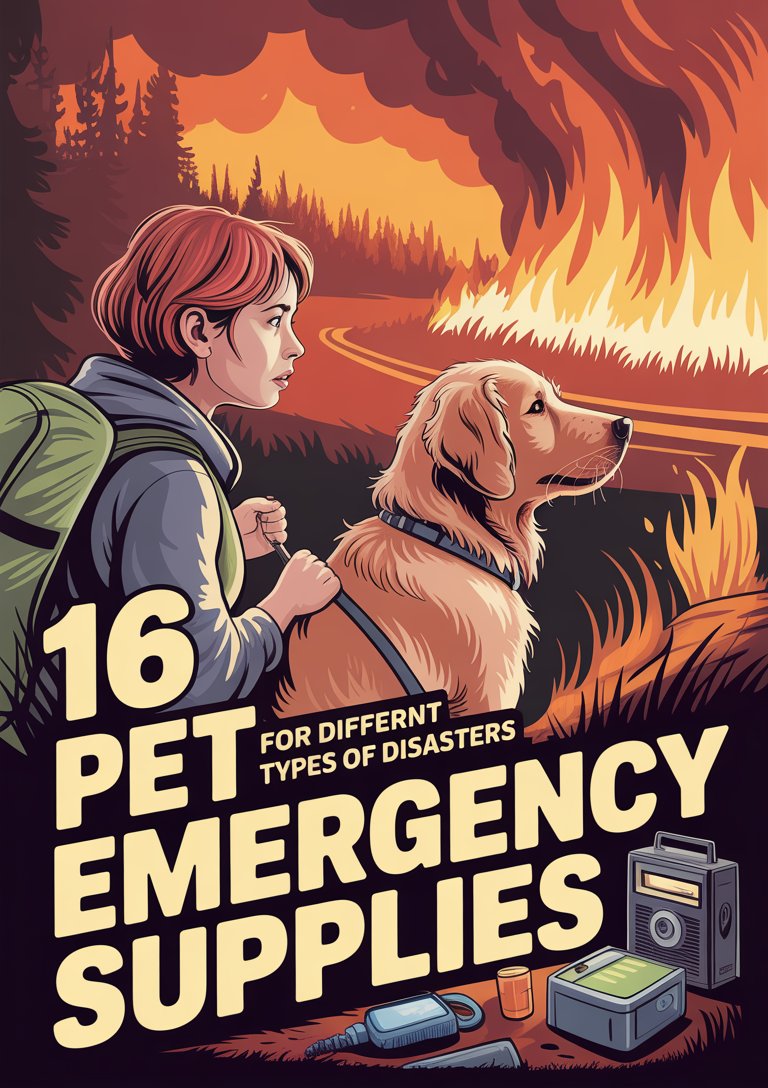
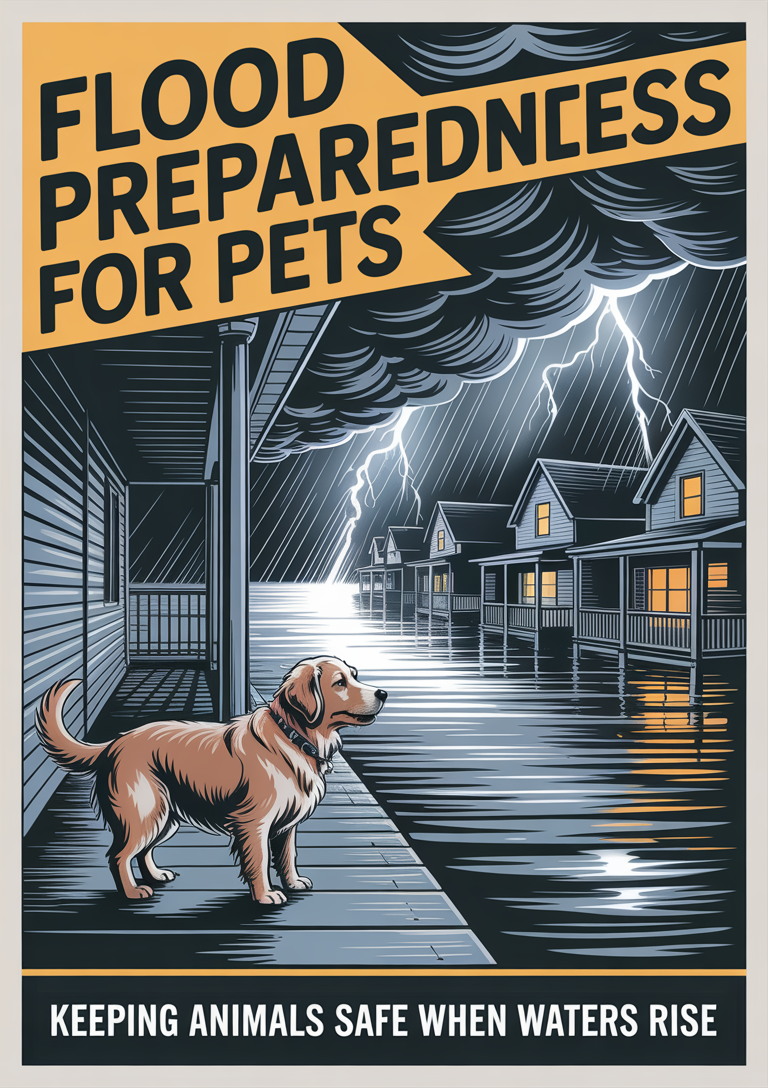
Ask your vet: “How can I safely evacuate with my pet during a disaster?” Whether it’s wildfires, floods, or hurricanes, an evacuation plan matters. The American Red Cross recommends rescue stickers on doors to alert first responders, along with marking “EVACUATED” if you’ve taken your pet with you. Preparing your pet’s crate, familiarity with transport gear, and having a go-bag of essentials is key. For more detailed guidance, explore pet evacuation planning. Evacuating can be stressful, but if you know exactly how to move your pet from point A to point B, you’re one step closer to peace of mind.
5. Ask About Pet First Aid
Ask your vet: “Which first-aid techniques should I master?” Simple skills like bandaging minor wounds or handling choking can be lifesavers. According to the American Veterinary Medical Association, learning basic CPR can help in the critical minutes before you arrive at the vet. Be sure you also know what items to keep in a first-aid kit. For a handy checklist, see pet first aid kit list. If you ever face a bleeding paw or a sudden collapse, having these skills will let you act swiftly while you coordinate professional help. It’s all about bridging the gap until your vet takes over.
6. Check Vaccination Updates
Ask your vet: “Which vaccinations are most crucial to keep current for emergency scenarios?” Shots like rabies, distemper, and others might be required at boarding facilities or emergency shelters if you ever need to stay there. Some vaccines may also reduce the severity of certain illnesses, giving your pet a better chance of quick recovery. Keep a record of these immunizations in your pet’s go-bag or in a digital format you can access on the run. You’ll feel a lot better knowing you’re not scrambling to find your pup’s shot record when you’re supposed to be evacuating in a hurry.
7. Clarify Microchipping Steps
Ask your vet: “What’s the best way to microchip and register my pet?” Microchipping is often recommended by the CDC as one of the top ways to reunite with your pet if you’re ever separated. Make sure your contact info is updated in the microchip registry each time you move or change phone numbers. It’s a small but powerful step. Also ask about ID tags, collars, and any advanced tracking collars or devices that might help. If you’re in a rushed evacuation scenario, that microchip could be your pet’s best chance to find you again.
8. Create a Disaster Buddy
Ask your vet: “How do I set up a buddy system for my pet?” Emergencies can strike when you’re not home, so forming a plan with a trusted neighbor or friend is essential. They can grab your pet if you’re at work or away on a trip. Clarify how to access your home, your pet’s dietary needs, and relevant medical records. Keep that info in a clearly labeled spot. Your vet may have suggestions on how to formalize this arrangement, such as adding the buddy as a backup contact on your pet’s microchip. It’s all about teamwork so no pet is left behind.
9. Stock Emergency Items
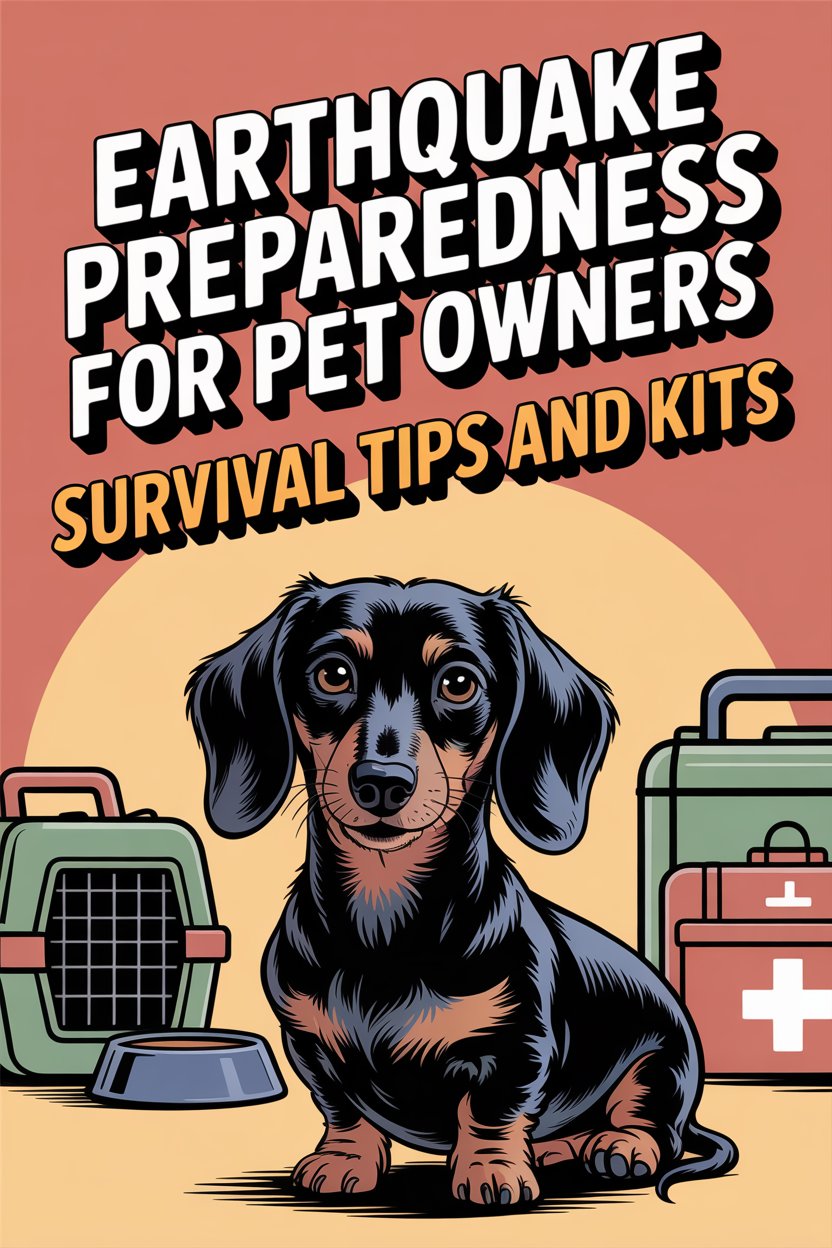
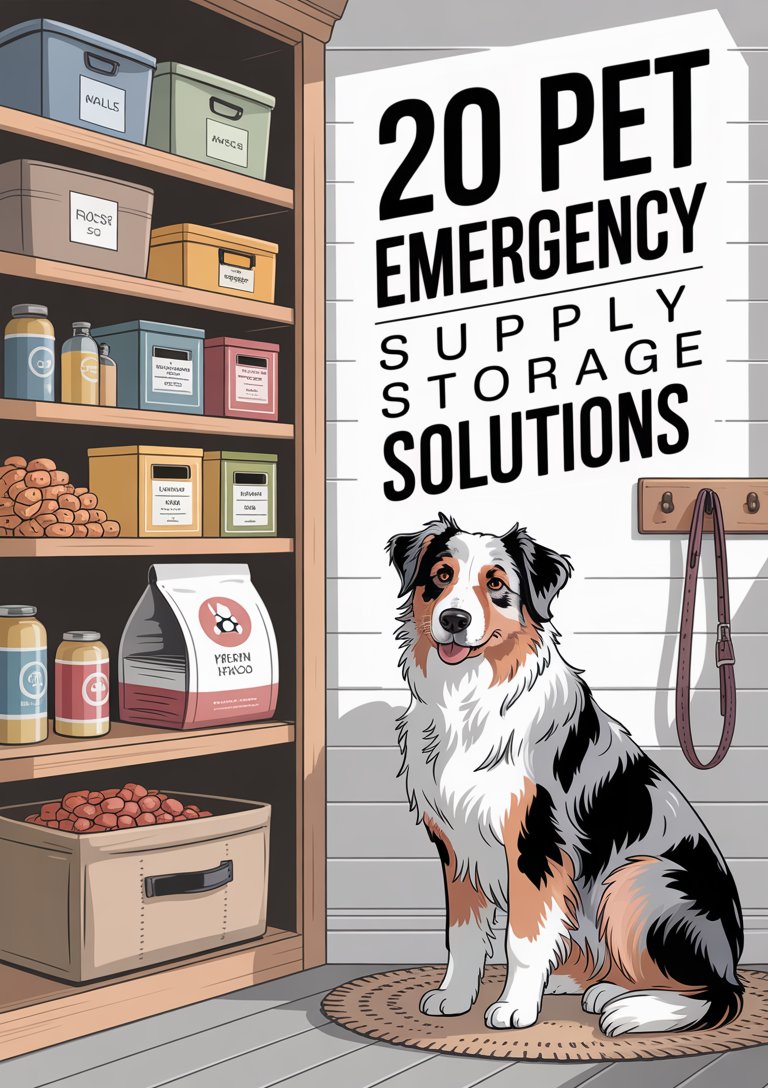
Ask your vet: “Exactly what should I keep in my pet’s emergency kit?” You’ll likely need bottled water, food, medication, a copy of medical records, and comfort items. Don’t forget collapsible bowls and a leash. Even small details like waste bags matter. If you want extra ideas, take a peek at pet emergency kit petsmart or your local pet supply store’s recommendations. Discuss brand recommendations with your vet as well. Knowing you’ve got the right supplies on hand—antiseptic wipes, bandages, or your vet’s recommended medication—can reduce last-minute scrambling when time is critical.
10. Gauge Senior Pet Needs
Ask your vet: “How does emergency prep change for my older pet?” Just like people, senior pets often need special considerations. Maybe your older cat needs medication for arthritis, or your senior dog has limited mobility. Talk through how to keep them comfortable during stressful scenarios. If you need more tailored tips, you can browse senior pet emergency preparedness. Padding, ramps, or secure carriers might help if you have to move quickly. Getting those details nailed down will predictably make evacuations smoother, ensuring your long-time companion stays safe without extra strain on their joints or overall health.
11. Handle Multiple Pets
Ask your vet: “How do I manage multiple pets during an emergency?” Whether you have two cats or a whole menagerie, multi-pet coordination can be tricky. Your vet may advise using color-coded crates or backpacks. It can also help to group supplies by pet so you aren’t mixing up medications. Check out multi pet emergency preparedness for even more ideas. This conversation might also cover how to keep them calm if they’re triggered by each other’s stress. The more you plan for your typical day-times-three scenario, the lighter the load when chaos strikes.
12. Address Specific Health Risks
Ask your vet: “Are there unique issues for my pet’s species or breed?” For example, brachycephalic (short-nosed) dogs face breathing concerns, while exotic pets, like reptiles and birds, have highly specialized needs. If you have a parrot, you might need a heat source and special travel cage. If you have a snake, you might need secure enclosure options. For that added perspective, exotic pet emergency preparedness can shine a light on special gear. Asking early allows you to buy the right supplies and understand how to adjust your plan if the power goes out or the temperature changes rapidly.
13. Find Reliable ER Clinics
Ask your vet: “Which emergency clinics do you trust if you’re unavailable?” Emergencies might happen outside regular office hours, so you need a backup place. Your vet can name reputable locations nearby and explain their specialties. In some towns, the nearest ER clinic might be miles away, so getting directions and phone numbers now is wise. Some clinics specialize in particular species, and others have advanced surgical capabilities right on site. Keep that contact info in both your phone and your written emergency documents, saving you precious minutes when every second can count.
14. Discuss Dietary Precautions
Ask your vet: “Which foods are pet-safe during emergencies?” Sometimes food supplies run low, or you might consider sharing your own rations. But certain human foods can be harmful—chocolate, grapes, onions, and more. The folks at Humane World for Animals emphasize double-checking before you feed your pet something unfamiliar. Have a vet-recommended brand of kibble or wet food stored securely. You might also stock up on freeze-dried treats that can last longer. This question helps you plan for unexpected days of limited resources without risking your pet’s health.
15. Ask About Travel Safety
Ask your vet: “What’s the safest way to travel with my pet in an emergency?” You may need to evacuate by car, bus, or even plane. Clarity about car harnesses, carriers, and sedation (if necessary) can ease the journey for both of you. Some pets, like high-anxiety cats, might need a mild calming aid. If you plan on traveling longer distances, check out travel emergency preparedness pets. You’ll also want to talk through how frequent rest stops should be, or what signs of travel-induced stress to watch for. Planning these details with your vet beats winging it mid-evacuation.
16. Review Contingency Plans
Ask your vet: “Do I need a backup plan if my usual vet is closed?” Veterinary clinics can also be hit by natural disasters or power outages. Your vet may have existing partnerships with clinics in neighboring regions. You might also ask about telehealth consultations if getting to a clinic is impossible. If you need specialized assistance, some emergency veterinarians pursue advanced training and partner with specialists, like those noted at Ross University School of Veterinary Medicine. Knowing where to go next can calm your nerves if your first option isn’t available when you need it most.
17. Address Chronic Conditions
Ask your vet: “How do I handle emergencies if my pet has a long-term illness?” Pets with ongoing conditions like diabetes, heart disease, or kidney issues need extra care during crises. You’ll want enough medication on hand and a plan to keep it viable if refrigeration is required. Stock up on any special diet formulas. Also ask if stressful events will exacerbate your pet’s symptoms, so you know how to spot flare-ups. This conversation ensures you won’t be in a bind if you can’t refill a prescription or if normal routine goes out the window in an emergency. Your pet’s comfort is worth the prep.
18. Practice Emergency Commands
Ask your vet: “What simple commands or training tips should I focus on for emergencies?” Basic obedience skills—like “stay,” “come,” and “crate”—make it easier to guide your pet during chaos. You’d be surprised how a well-timed “stay” can prevent your dog from bolting into traffic or an unstable structure. Certain commands also help with quickly checking injuries. If your vet has training resources, make use of them. You can also explore emergency training commands pets for practical examples. These short commands might turn into literal lifesavers when your adrenaline is pumping and you need your pet to cooperate right away.
19. Explore Recovery Protocols
Ask your vet: “How can I help my pet recover after a traumatic event?” Stress can linger in pets for days or weeks. They might hide, refuse food, or show signs of anxiety. Your vet can advise on calming aids, gentle reintroduction to routines, and supplements that support overall well-being. If injuries are involved, you’ll want a clear plan on wound care and pain management. Don’t forget follow-up visits to detect complications early. Recovery isn’t just about physical health; mental well-being matters as well. Being prepared for the aftermath helps you nurture your pet back to a comfort zone faster.
20. Prepare for Seasonal Threats
Ask your vet: “Which seasonal dangers should I watch for?” In some areas, winter storms can lead to power outages, while in others, heatwaves become deadly. Tornadoes, hurricanes, or wildfires can be more common in certain regions. Chat about your local climate and how to adapt your pet’s supplies accordingly. For instance, you might need extra water storage in hot months or protective footgear in icy conditions. If you want to deep-dive into more region-specific tips, check out disaster specific pet preparedness. By keeping one eye on the calendar year, you’ll be miles ahead in safeguarding your pet.
21. Manage Behavior in Stress
Ask your vet: “What can I do if my pet panics in emergencies?” Some pets tremble at loud noises or hide under furniture. This can make rescue or evacuation difficult. Your vet might recommend calming pheromone sprays, sedatives, or compression garments like anxiety vests. The goal is to maintain enough calm so you can guide your pet safely, whether it’s an earthquake or a sudden home evacuation. Work with your vet on a step-by-step desensitization plan if needed. If you’re not sure where to begin, start small with short practice drills that involve your carrier or traveling to new places.
22. Understand Pet Insurance
Ask your vet: “How will insurance help me during emergencies?” Pet insurance might cover urgent surgeries or hospital stays, saving you from tough financial decisions. However, coverage varies, so dig into the details. Your vet can share which providers clients have had good experiences with. You can also ask about discounts or referral programs. Some insurers offer emergency-only plans, which might be more affordable. Knowing you have financial relief if something big happens can relieve a massive burden. Plus, it lets you focus on your pet’s well-being instead of fretting about bills when seconds count.
23. Coordinate Community Support
Ask your vet: “Are there local shelters or groups that help during disasters?” From volunteer rescue teams to local pet-friendly shelters, community connections matter. The CDC emphasizes that leaving pets behind can endanger pets, owners, and first responders. Your vet might know about nonprofits that deliver pet supplies or spaces that open up for emergency boarding. Volunteer-based groups sometimes coordinate search-and-rescue for lost pets. If you know these resources in advance, you can jump into action instead of scrambling online to find solutions. It’s reassuring to have a few friendly faces on standby willing to help.
24. Confirm Telehealth Options
Ask your vet: “Do you offer virtual appointments or phone consultations if I can’t get there in person?” Flooded roads, gas shortages, and quarantines can all keep you from physically visiting the clinic. If your vet offers telehealth, it might be enough to get guidance about at-home care or when to head to an emergency facility. Ask about the clinic’s after-hours policy as well. This is especially valuable if your pet has a minor issue you can treat at home, freeing up emergency rooms for severe cases. Telehealth bridges the gap when circumstances make in-person visits tough.
25. Learn About Triage Care
Ask your vet: “What can I do to stabilize my pet before I get to the ER?” Sometimes the difference between full recovery and permanent damage is what you do in those first few minutes. Your vet can show you how to handle choking, initiate CPR, or control bleeding. Professional emergency veterinarians, according to Ross University School of Veterinary Medicine, specialize in immediate, life-saving procedures. But the care you offer en route—like keeping your pet warm or supporting their head—can make a world of difference. Taking notes now ensures you’ll remember crucial steps under pressure.
26. Schedule Regular Check-Ins
Ask your vet: “How often should we review and update my emergency plan?” Pets age. Conditions change. Weather patterns shift. Committing to an annual or semiannual review helps keep your plan fresh. You might also want to review your gear to ensure medications haven’t expired. Maintaining this conversation with your vet keeps you flexible and ready. If your vet adds new technology or if a new emergency clinic opens nearby, you can adjust your plan accordingly. It’s better to tweak your strategy gradually than realize too late that your emergency kit or knowledge is outdated.
Conclusion
We’re all rooting for peaceful, uneventful days with our pets. But life throws curveballs, and that’s when thoughtful planning pays off. By gathering pet emergency vet questions, you’re giving yourself a head start in any crisis. From stocking the right supplies and clarifying poison dangers to practicing emergency commands and setting up a support system, you’re covering every angle to protect your best friend. If you suspect you’re still missing pieces, check out resources like pet not ready for emergency or maintain pet emergency preparedness for an extra boost of confidence.
The ultimate goal here is to ensure you’re never caught off guard. When you show up to your vet’s office prepared with a list of questions, you create a collective effort—you, your pet, and your vet working together as a team. That feeling of “We’ve got this” can be remarkably comforting. After all, you’re not just a pet owner. You’re your pet’s advocate and protector. So go on, schedule that chat with your vet, and rest a little easier knowing you’re ready for nearly any twist life can toss your way. You and your furry companion deserve nothing less.
References
- (ASPCA)