Seasonal Pet Preparedness Calendar: What to Do Each Month of the Year
Ever wondered how to protect your furry companions through every kind of weather or unexpected emergency? That’s exactly where a seasonal pet preparedness calendar comes in. By staying on top of monthly tasks, you can ensure your pets remain safe, cozy, and cared for year-round. And trust me, you’re not alone if you’ve ever felt overwhelmed by the idea of planning ahead. We’ve all been there, staring at scattered notes and half-finished to-do lists—wondering if we’ve covered everything our pets might need. So together, let’s walk through the year, month by month, and keep your beloved animals ready for anything that comes their way.
Remember, you can adapt these suggestions based on your pet’s age, health conditions, and unique quirks. Whether you’re sharing life with a senior cat who needs special warmth in the winter or a bouncy puppy who loves romping in autumn leaves, you’ll find reminders and practical tips here. Let’s dive in.
January: Start With A Wellness Check
Kicking off the new year is a perfect time to schedule or complete your pet’s annual wellness examination. Routine preventive care, including vaccines, parasite prevention, and screenings, sets the tone for a healthy year. According to the CDC, healthy behaviors and checkups can help your pet stay well and detect issues early [1]. During these visits, ask the vet to look over any chronic conditions, and pinpoint any seasonal health concerns.
- Update or confirm your pet’s vaccination status.
- Ask about nutrition if you sense weight gain or appetite changes.
- Discuss early signs of mobility issues, especially in older pets.
It’s natural to feel a bit nervous about what the vet might find, but it’s far better to catch concerns early than to hear about them during a crisis. This monthly focus lays the groundwork for any upcoming seasonal adjustments—like monitoring joint health if you live in a colder climate. If you have more than one pet, remember that each could have different health needs. Taking a little time in January to plan can save you major headaches later.
February: Update Identification And Records
February tends to be a bit quieter—holidays are in the rearview, and spring hasn’t sprung yet. This relative lull makes it the perfect moment to confirm that all your pet’s identification documents are up to date. Double-check microchip registrations, review ID tags, and ensure your emergency contact info is current.
- Verify correct address and phone number on each pet’s ID tag.
- Confirm microchip details with the registration company.
- Sort digital copies of vet records and keep them in a dedicated folder.
If you’re planning for bigger situations, such as natural disasters or home evacuations, it’s also wise to read up on pet evacuation planning so you always know where your furry friend should go in an emergency. Some of us might keep a binder or digital folder with vital info like medical history, proof of vaccines, and photos of our pets—an easy reference if you ever need it in a hurry.
March: Refresh Emergency Supplies
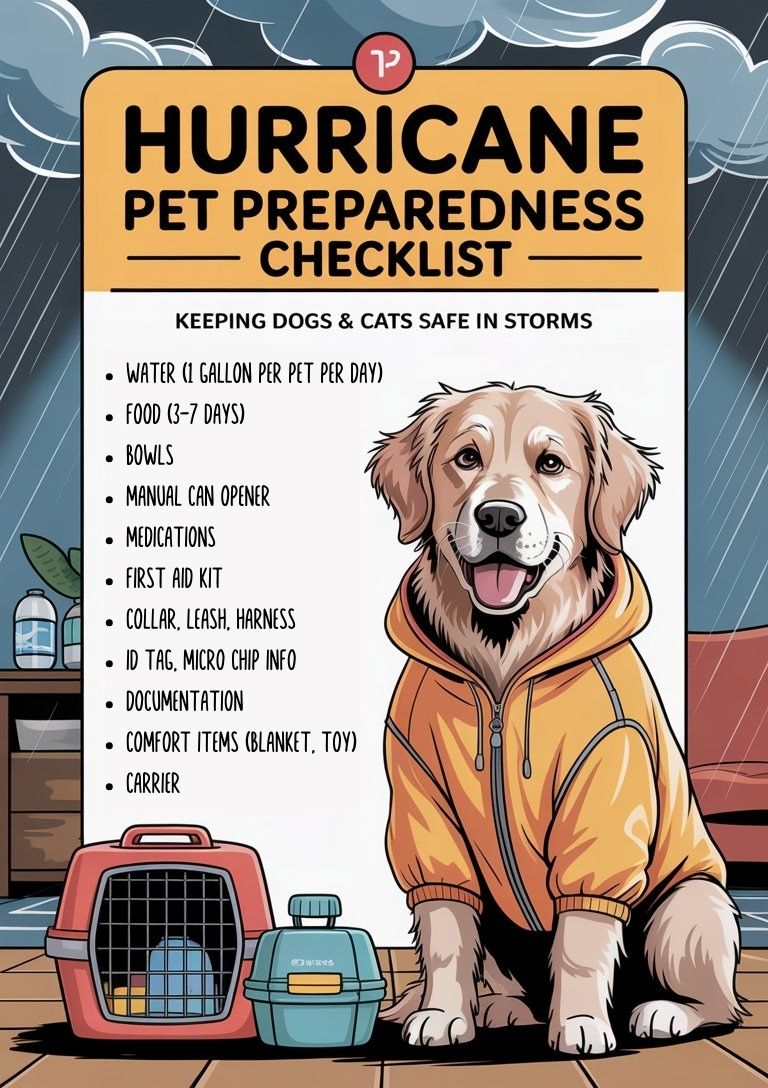
As winter winds down and spring approaches, March is a stellar time to check inventories. Gather any survival basics—food, water, and first-aid supplies—and make sure they’re still in good shape. Rotate out anything nearing its expiration date. Since stale or spoiled food in an emergency kit isn’t helping anyone, you’ll be grateful you took a moment to notice those expiry dates now.
- Inspect your pet’s emergency kit (food, portable bowls, blankets).
- Replace medications or first-aid stock that’s out-of-date.
- Check the condition of carriers or crates—are they clean and secure?
If you haven’t created an emergency kit yet, look to resources like your vet or the pet first aid kit list. Keep a couple of gallons of water for your pets, too, because they need fresh water just as much as we do. It might also be a good time to think about specialized gear. For instance, if you live in a region prone to flooding, invest in sturdy waterproof containers or life vests designed for pets. Preparation now means you’ll be able to move quickly and confidently if the unexpected happens.
April: Embrace Spring Preparedness
Spring is in the air, so it’s time to address common warm-weather concerns like allergies and the potential for more outdoor adventures. Some pets can develop seasonal allergies, which might show up as itchy skin, ear infections, or frequent sneezing [2]. Pay attention to any odd behaviors and consider scheduling a vet visit. A quick chat can ensure minor symptoms don’t balloon into bigger problems.
- Brush and bathe your pet more regularly to minimize allergens.
- Vacuum and dust more often to keep indoor air quality manageable.
- If possible, keep windows screened—this helps keep out stray insects and pollen.
When planning for emergencies, it’s a great time to ensure your friends or neighbors know you have a pet. If a sudden event prevents you from reaching home, you’ll want someone who can check in on them. This kind of buddy system is especially handy if you’re away from home for work all day or if you travel frequently.
May: Strengthen Health Routines
May can be a transitional month where temperatures start to rise significantly. It’s also an excellent period to reinforce your pet’s overall health routines before summer hits. If your pet could benefit from a slight tweak in diet—say, more hydration or a nutrient supplement—discuss those details with your vet. This is especially helpful for older pets who might struggle with arthritis, heart conditions, or kidney issues as the weather warms up.
- Consider supplements like glucosamine or omega-3 fatty acids for joint support [2].
- Trim any overgrown fur to help pets cope with impending heat.
- Update flea, tick, and heartworm preventives if needed.
Don’t forget mental stimulation. Warmer days might mean more time for your pet to frolic outdoors, but also consider indoor puzzle toys or treat-dispensing gadgets to keep them occupied. This ties directly into preparedness: a mentally engaged pet is less likely to bolt out the door or get into seasonal trouble.
June: Celebrate Pet Preparedness
June is recognized as National Pet Preparedness Month, highlighted by organizations like the American Red Cross and Clemson University [3]. This is the perfect moment to double down on your seasonal pet preparedness calendar. Create or revisit your emergency plan, considering various scenarios like fires, floods, or storms, and how you’d keep your pets safe.
- Gather key contacts, including animal-friendly shelters or hotels.
- Program vet numbers and a nearby friend’s phone number into your phone.
- Build an emergency kit and store in an easy-access spot.
The American Red Cross has a Pet First Aid app that can come in handy for quick references, and they offer an online Cat and Dog First Aid course [4]. Consider adding a few personal comfort items—or pet emergency comfort items—to your evacuation gear. This small gesture can go a long way in reducing your pet’s anxiety if you ever have to relocate at a moment’s notice.
July: Focus On Heat Safety
Summer can be a blast, but it also brings real challenges like scorching pavement and potential heatstroke. Protect your pet by walking during cooler parts of the day, providing ample shade, and looking out for warning signs such as excessive panting or lethargy [2].
- Never leave pets alone in cars, even for a few minutes.
- Lay down cool mats or damp towels for them to lounge on.
- Keep watch for hot surfaces (asphalt, sand) to prevent paw burns.
This is also the time to update your evac plan if you live in an area prone to wildfires or hurricanes—two common summertime emergencies. Stashing an extra collapsible water bowl in your car or near the front door ensures that you can hydrate your pet if you need to evacuate or seek cooler space suddenly.
August: Prep For Travel Season
August often signals peak travel time for families—whether heading out on a final summer road trip or visiting relatives before school starts. If you’re bringing your pet along, plan for pit stops and pet-friendly lodging. If you aren’t, make safe, comfortable arrangements with a trusted caretaker.
- Research pet-friendly hotels and print copies of reservations.
- Bring a consistent supply of your pet’s food to avoid tummy troubles.
- Pack travel documents, including vet info and proof of vaccinations.
Some pet parents overlook the possibility of emergencies while traveling. Creating a mini-travel safety kit—stocked with water, a leash, towels, and any necessary medications—will cover you if unexpected weather or roadside issues arise. If you’ll be flying, call the airline in advance to understand their pet policies. You may also want to explore travel emergency preparedness pets for more detailed tips.
September: Guard Against Fall Risks
In many regions, the weather cools in September, making it a favorite season for outdoor fun. But autumn also brings hidden hazards in piles of leaves and earlier nightfall. Your pet might sniff out leftover summer debris that’s no longer fresh or might venture into leaf piles hiding rodents or insects. It’s a good idea to keep a close eye on their outdoor activities [5].
- Rake leaves and discard them promptly—moldy piles can harm curious pets.
- Reflective collars or leashes can help if you walk your pet after sunset.
- Watch for decreased daylight that might affect your pet’s feeding or exercise schedule.
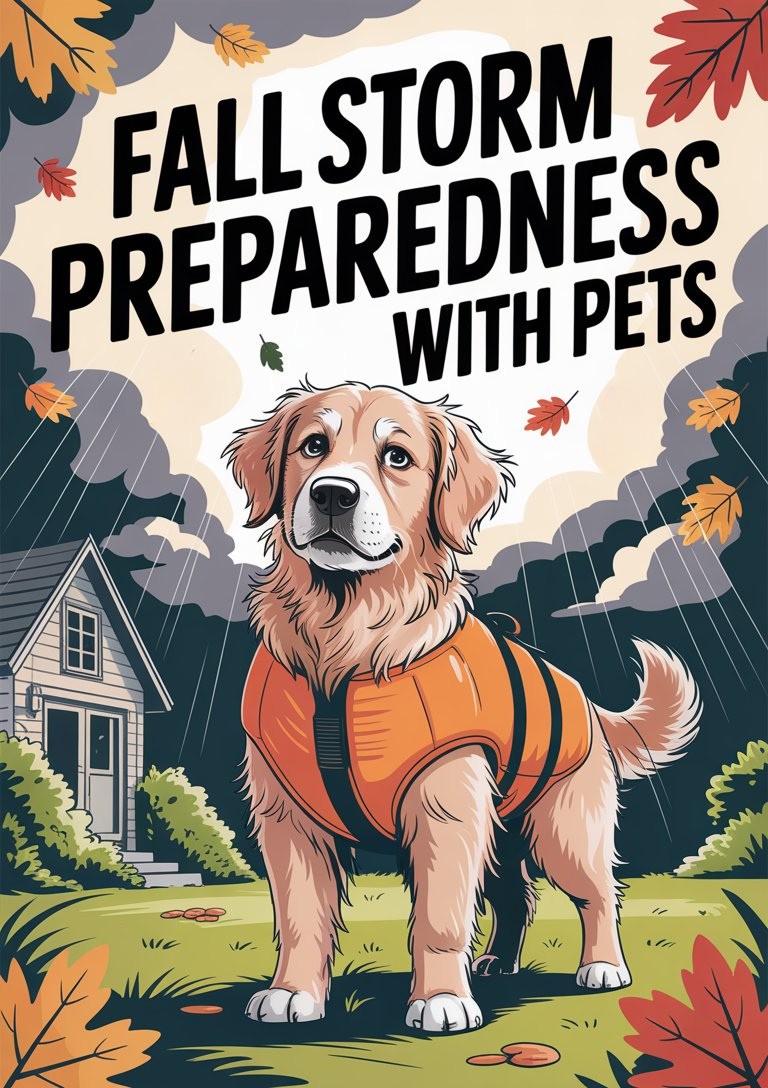
On the preparedness front, consider whether any upcoming seasonal storms affect your region. If you’re prone to fall storms, take a look at fall storm pet preparedness and confirm you have non-perishable pet food and fresh water stored in case of power outages. Keep a weather radio or alert system handy so no changes catch you off guard.
October: Update Home Safety Measures
By October, you might notice a real chill in the air. This is a fitting time to give your home’s safety protocols a thorough once-over. Halloween candy, spooky decorations, and open flames (like candles or jack-o’-lanterns) can quickly become a hazard for your pets. Additionally, your pet might need extra comfort if doorbells keep ringing and trick-or-treaters appear in costume.
- Pet-proof your fall decor—tuck away wires and secure open flames.
- Store chocolate, candy, and other potential pet toxins in closed cabinets.
- Update or restock your pet emergency supply storage setup in case fall storms knock out power.
It’s also a perfect month to do a quick test of your smoke detectors and carbon monoxide alarms, because if your pet is home alone during an emergency like a fire, early detection is crucial. Even simple steps, like confirming your extinguisher is functional, can make all the difference when seconds count.
November: Anticipate Holiday Hazards
November festivities bring family gatherings, big meals, and piles of leftover goodies. While it’s a warm, fuzzy time, the holidays pose potential dangers for pets. Certain seasonal plants—like poinsettias, holly, and mistletoe—can be toxic. And if your pet is a notorious food scavenger, keep them away from chocolate and certain alcoholic beverages that can be harmful [6].
- Place toxic plants out of reach or consider faux greenery.
- Keep a lid on trash cans so pets don’t get into turkey bones or rich foods.
- Watch out for wires or extension cords that pets could chew.
As cooler temperatures creep in, older pets might feel extra stiff. If you notice your cat or dog hobbling around, it might be time to revisit the vet. Regular wellness checks are key to detecting issues like arthritis flare-ups before the holiday bustle ramps up. You can also plan ahead for incidents like winter storms by reviewing gear for your pet—ensuring you’re not forced to scramble during a last-minute weather alert.
December: Tackle Winter Challenges
December rounds out the year with icy winds, snowdrifts, and festive lights galore. While it can be a magical month, winter also comes with unique risks for our furry companions. Dry air can lead to irritated skin and cracked paws [7], and cold weather can be especially tough on pets with chronic illnesses or joint aches.
- Check paw pads routinely for cracks or bleeding.
- Use pet-safe de-icing salts to avoid toxicity if ingested.
- Limit time outdoors, especially for smaller or short-coated breeds.
If you’re in a region prone to significant snowfall or icy conditions, keep in mind that pets can get disoriented if familiar scents are hidden under layers of snow. Make sure their ID tags or microchip info are 100% accurate. Regularly wipe your pet’s feet when they come back indoors to remove any antifreeze or salt, as these substances can cause serious harm if licked off. If you’d like to dig deeper, winter storm pet preparedness covers more targeted tips.
Maintain Vigilance All Year
By the time you’ve cycled through December and greeted another January, you’ll notice a rhythm forming—and that’s exactly the idea behind a year-round plan. A seasonal pet preparedness calendar helps you anticipate changes before they become urgent problems. From your pet’s perspective, this means a happier, calmer life because you’ll already have solutions ready for the next shift in weather or the next big celebration.
The best part: you don’t have to do it alone. Ask friends or fellow pet owners for their go-to strategies. Check reliable sources like your veterinarian, the CDC’s preventive care tips, or the American Red Cross for up-to-date recommendations. If you care for multiple species—cats, dogs, birds, and beyond—take a peek at multi pet emergency preparedness to tailor your approach. Your goal isn’t to be perfect; it’s to keep adjusting with each new season and each new life stage your pet faces.
Over the coming months, you’ll find that these small monthly tasks build on each other. And if an unexpected emergency does land at your door, you’ll feel confident about how to handle it. Between annual vet visits, updating ID tags, rotating out old supplies, and watching for seasonal hazards, you are quietly crafting a safety net for your four-legged friends. Through spring blooms, summer heatwaves, autumn chills, and winter’s icy embrace, you’re right there, keeping them safe. You’ve got this, and trust me, your pets love you for it. Enjoy the peace of mind that comes from knowing you’re prepared—no matter what the calendar says.